

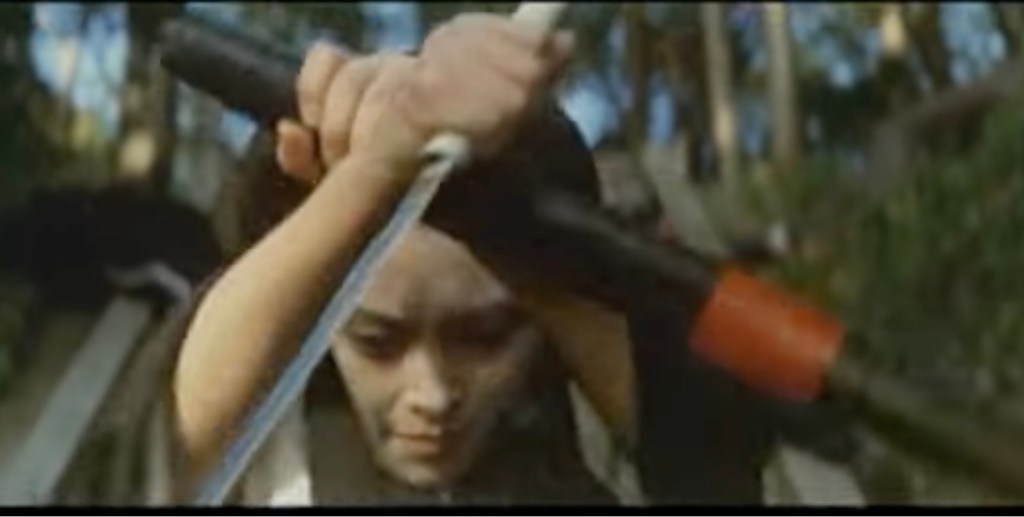
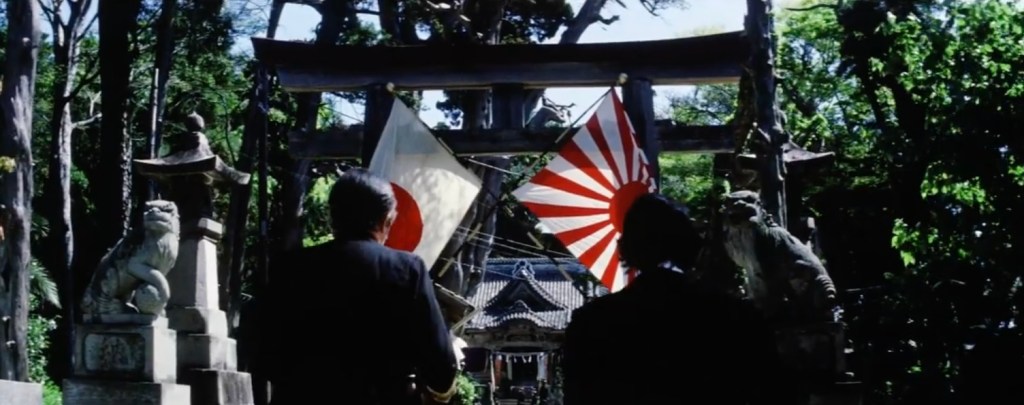
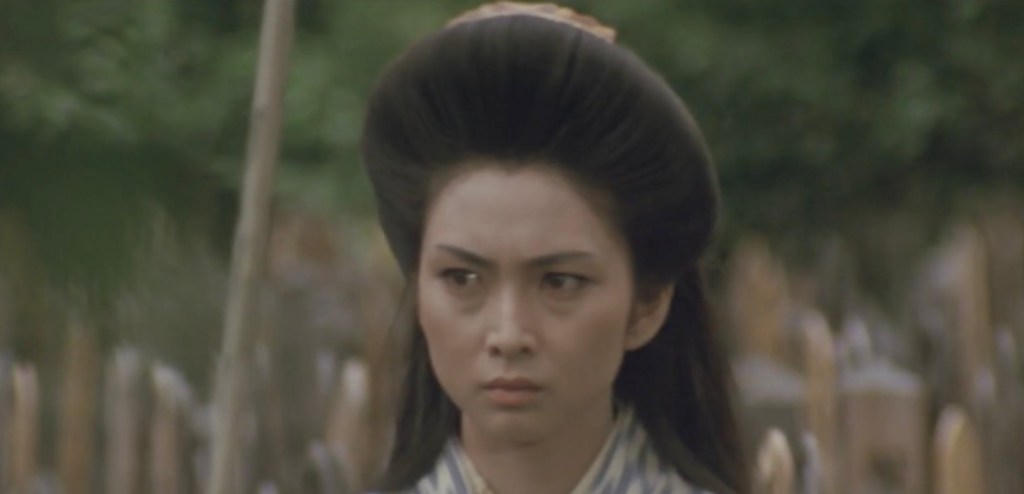
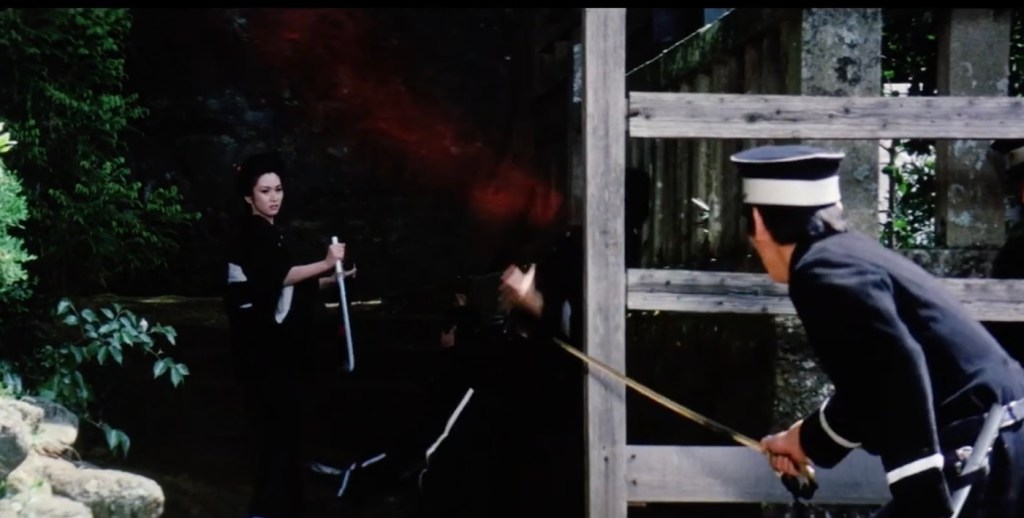
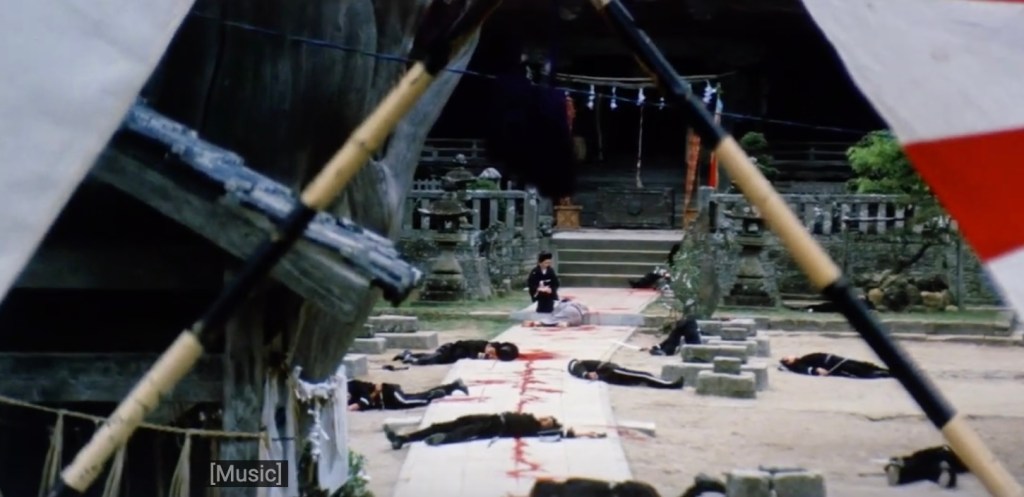
In the wake of the successful movie Lady Snowbird (1973) came its sequel, Love Song of Vengeance, a year later. Meiko Kaji reprises her role as the ravishing yet deadly katana-wielding assassin, Yuki. Directed once again by Toshiya Fujita, the movie features fine performances, great sets and cinematography, and some impressive action sequences. However, it suffers from a lack of the vengeful fury that Yuki exhibited in her first film.
While Kaji’s intense performance is commendable, the problem lies with the plot, which pushes her character to the background in a tale of oppressed anarchists and rebellious poor who fight back against their tyrannical government.
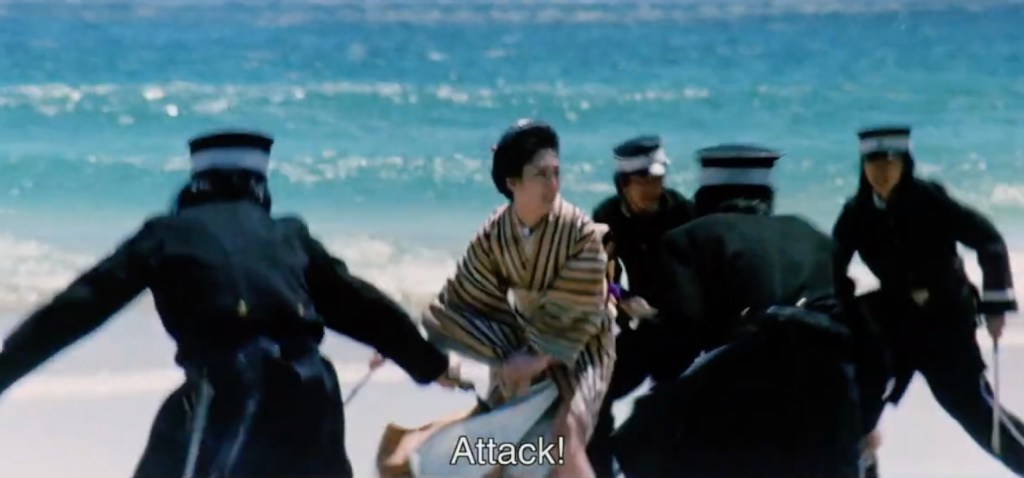
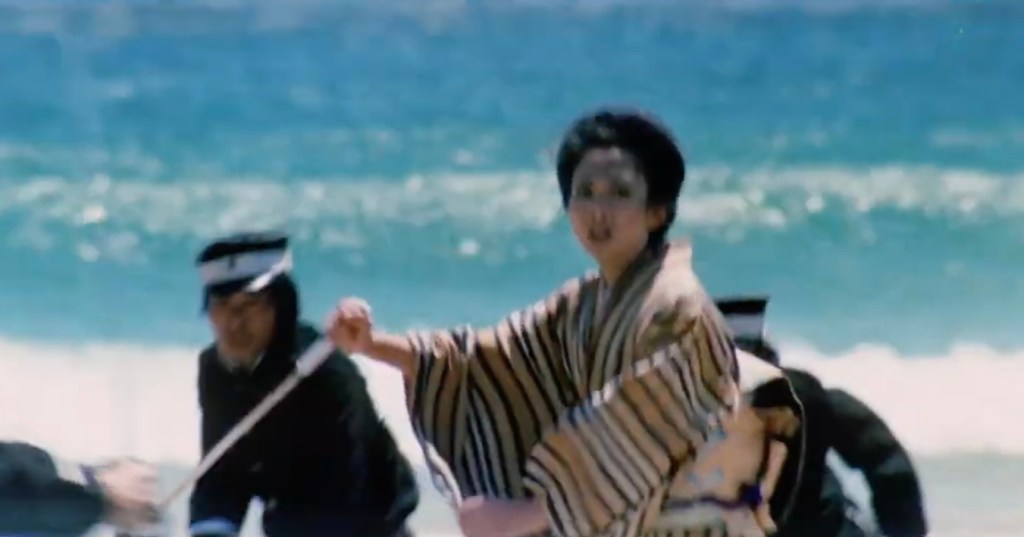
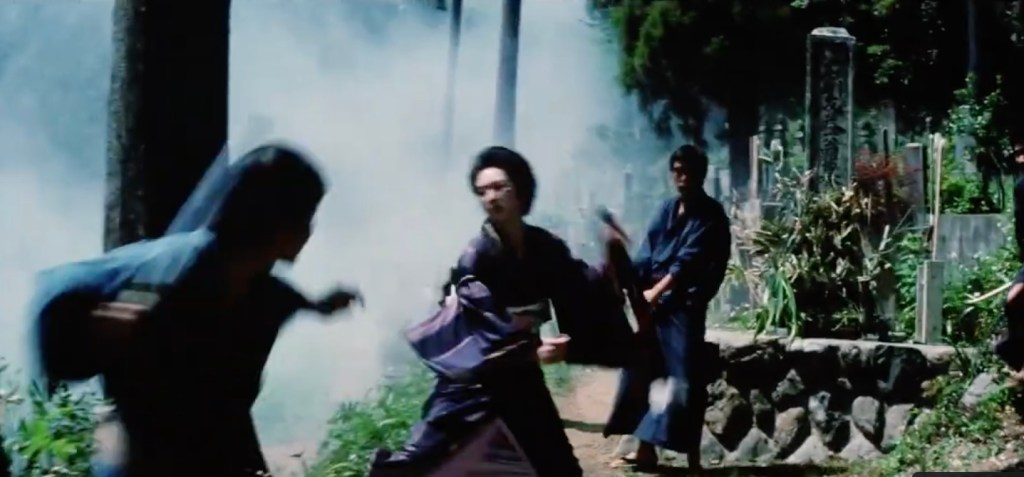
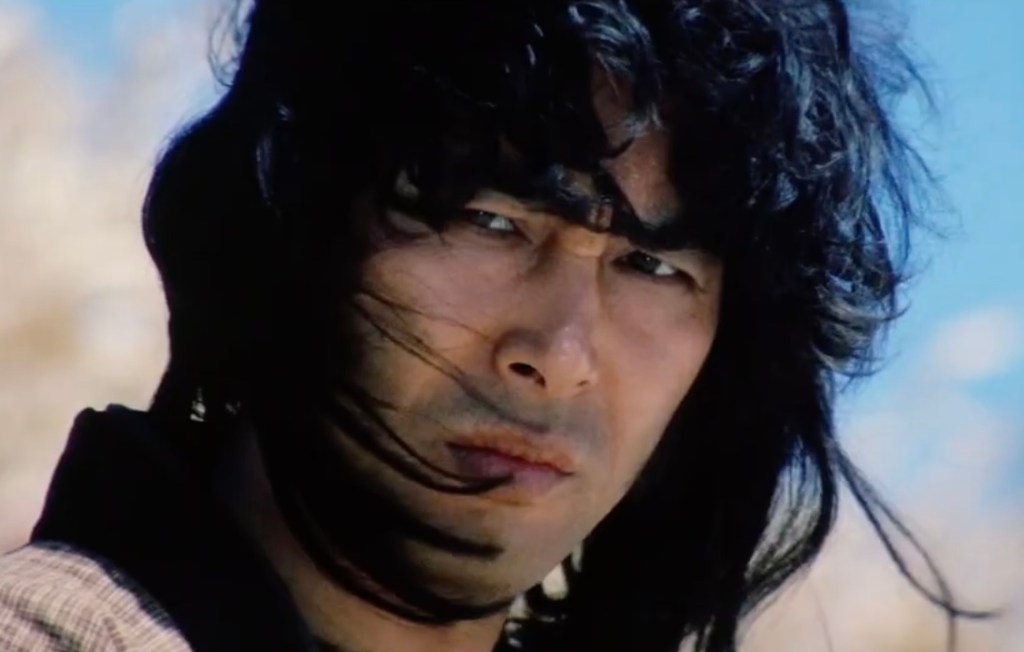
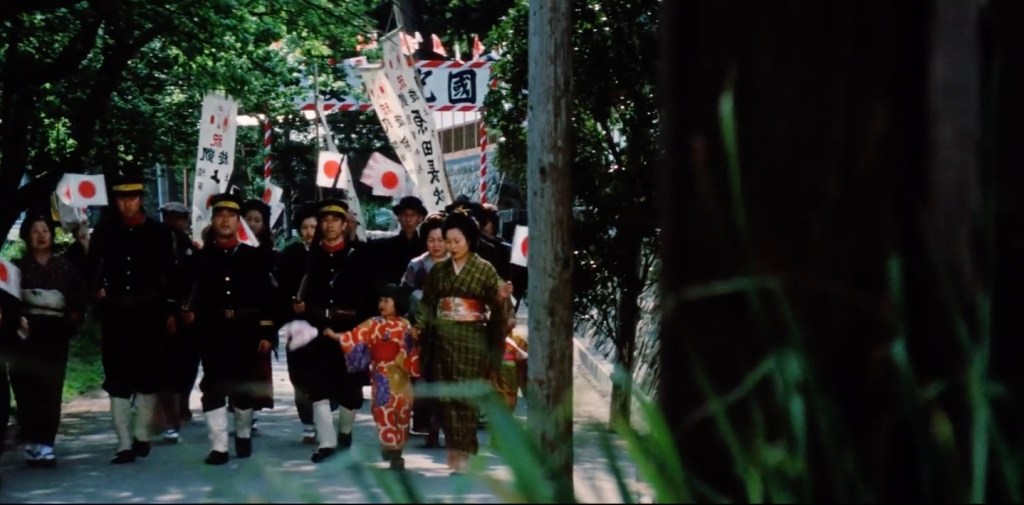
Japan’s victorious war against Russia serves as the backdrop for the plot. Yuki is a fugitive from justice, wanted for murder as a consequence of her personal quest for revenge, as seen in the earlier movie. She has a trusted male friend and guardian angel (Yoshio Harada) who assists her, though how she became acquainted with him is not elaborated in the movie’s plot. After two action-packed confrontations with the law, she is apprehended and sentenced to death.
She is taken from prison by Seishiro Kikui (Shin Kishida), head of the secret police, and asked to investigate Ransui Tokunaga (Juzo Itami), whom Kikui alleges is an anarchist bent on overthrowing the government. Yuki is tasked with retrieving a secret document in Ransui’s possession that could have devastating effects on those in power if released to the public.
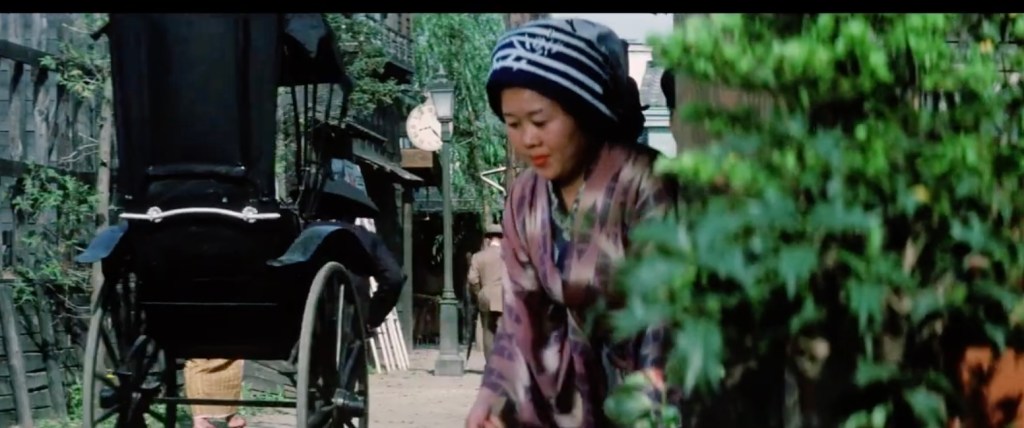
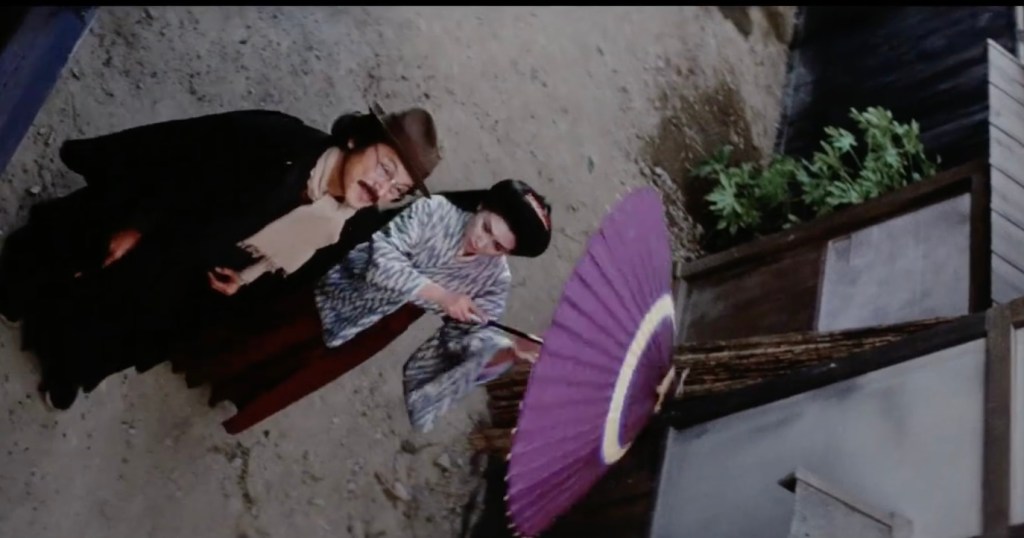
Yuki gains employment in the Ransui household, posing as a helper. Ransui, who lives with his wife, soon reveals to Yuki that he knows her true identity and is aware of her current assignment.
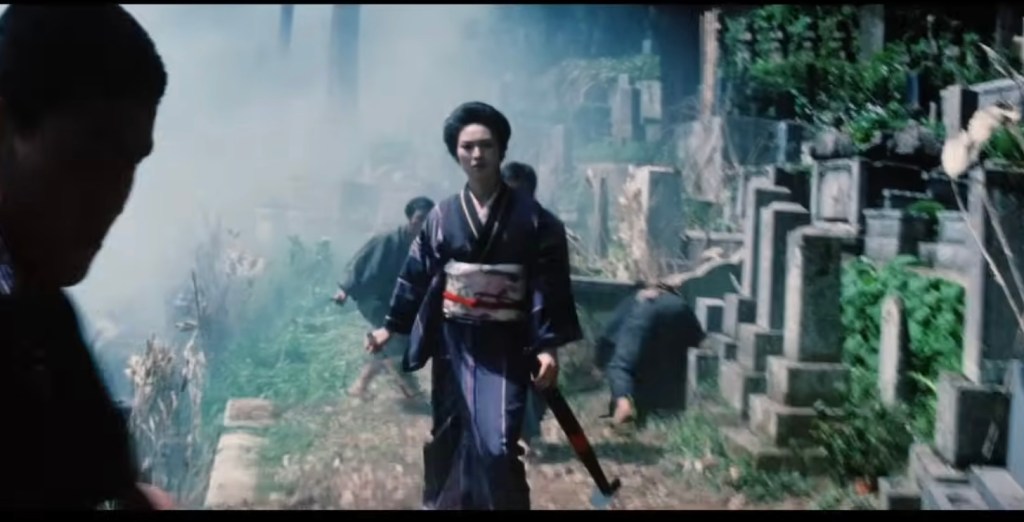
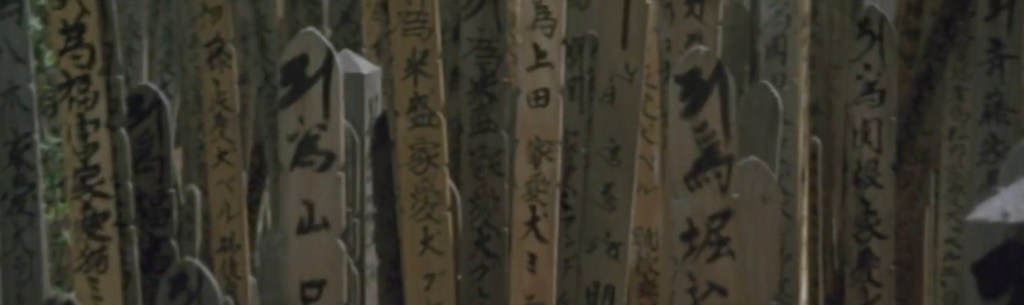
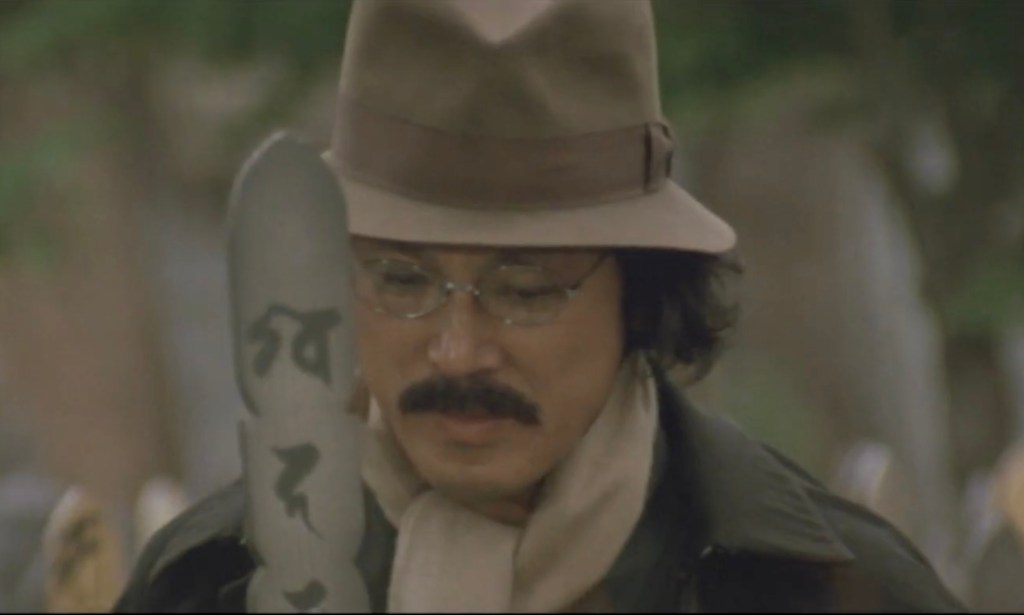
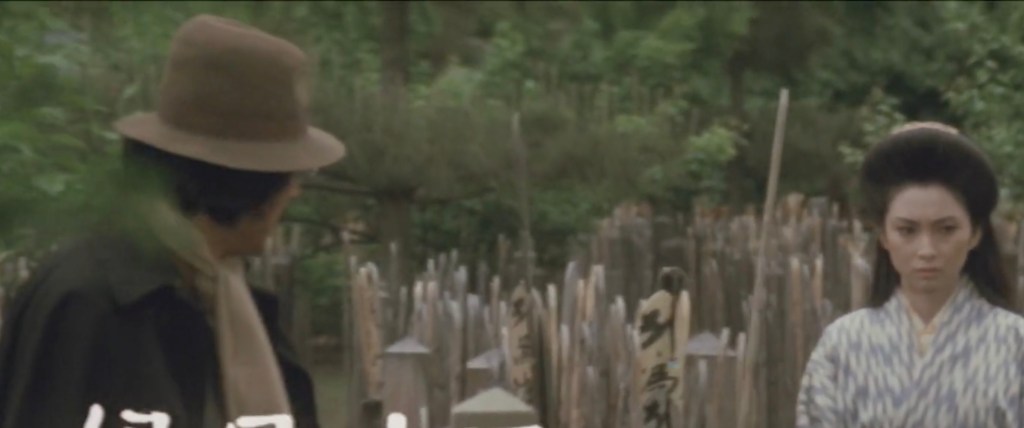
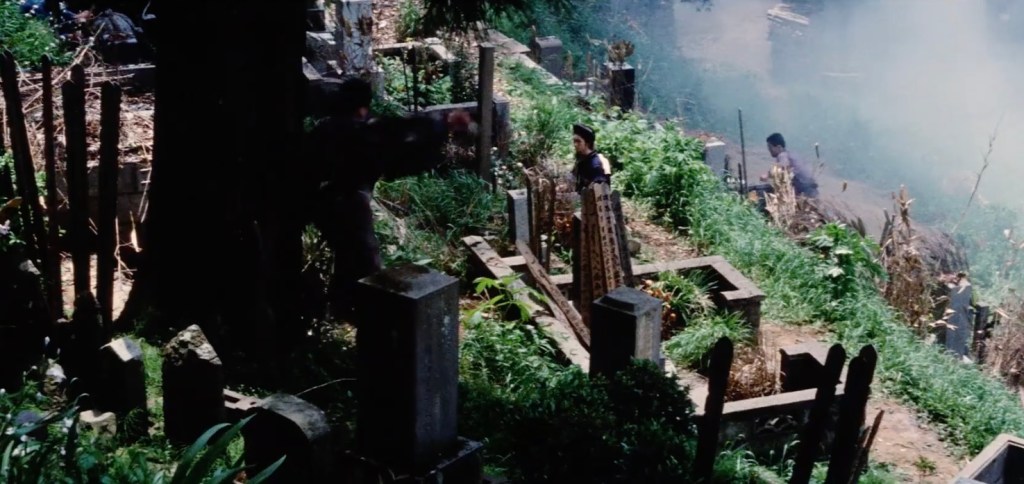
At a makeshift graveyard, he reveals that the government has killed many of his associates and buried them en masse at the location. Yuki has a change of heart and guards Ransui, shielding him from assassins sent by Kikui.
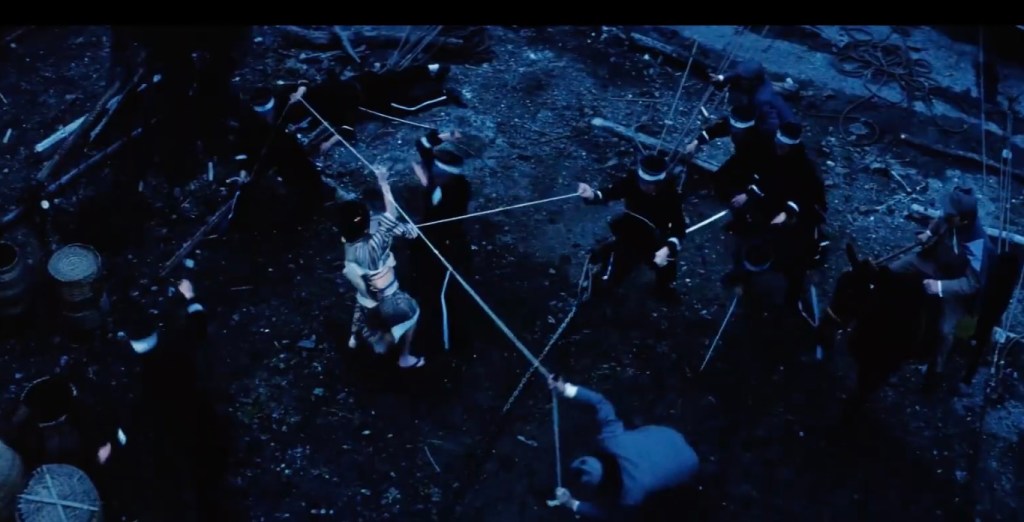
Ransui entrusts Yuki to safeguard the document and hand it to his brother, Shusuke, in case something happens to him. Meanwhile, Kikui realizes that Yuki has betrayed him and sends the law after Ransui and Yuki. While Yuki escapes, Ransui is apprehended and tortured for the whereabouts of the document.
A wounded Yuki visits the slum where Shusuke works. The slum dwellers, despite their poverty, are a belligerent community. As a result, the law stays away from the slums, reluctant to invite trouble.
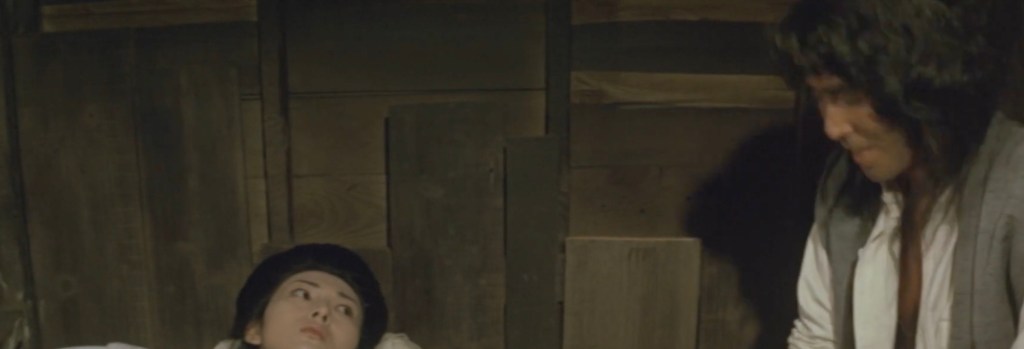
Shusuke, who turns out to be Yuki’s mysterious friend seen in earlier scenes, is a physician who serves the people in the slum. He nurses Yuki back to health. Having alienated his anarchist brother and sister-in-law due to prior history with them, Shusuke has his own plans for the document.
Rather than hand it over to the press, he chooses to use it to blackmail the government into giving the slum dwellers rice as ransom. He sends Yuki as his emissary to meet Kikui.
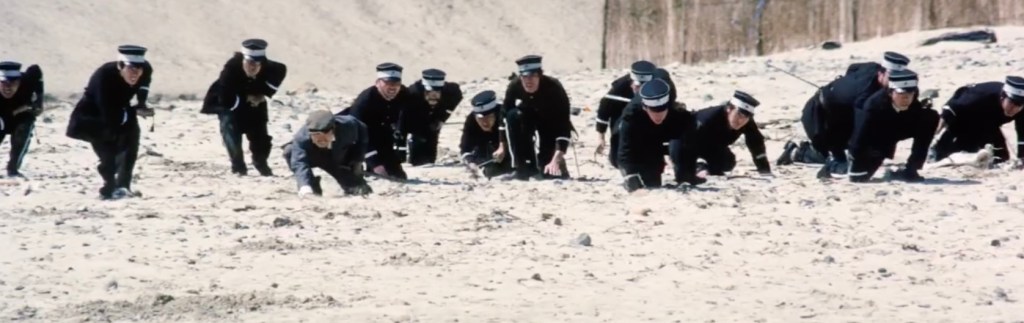
In response, Kikui traps Yuki in his mansion and unleashes hellish devastation on the slum dwellers. It is now up to Yuki to escape and seek retribution. The climax turns out to be a clichéd action scene as Yuki hacks her way to victory. To the viewer, it appears as a pointless exercise, after all of Yuki’s efforts in procuring the document earlier and then at the end, having no one around to celebrate her vengeance.
While this is not a bad movie and has a few interesting aspects, such as Kikui’s attempt to unleash a biological weapon on the slum, it has no stand-out scenes. I leave it up to you to decide if you really want to watch the movie.



 Bay Area Bloke