

From director Brian De Palma comes “The Untouchables,” a classic mob movie with a stellar cast that includes Kevin Costner, Sean Connery, Andy Garcia, and Robert De Niro. It is loosely based on Elliott Ness’s memoir of the same name. This movie is best described as a heavily romanticized version of events that led to the fall of Al Capone, with fictionalized characters based on real-life individuals.
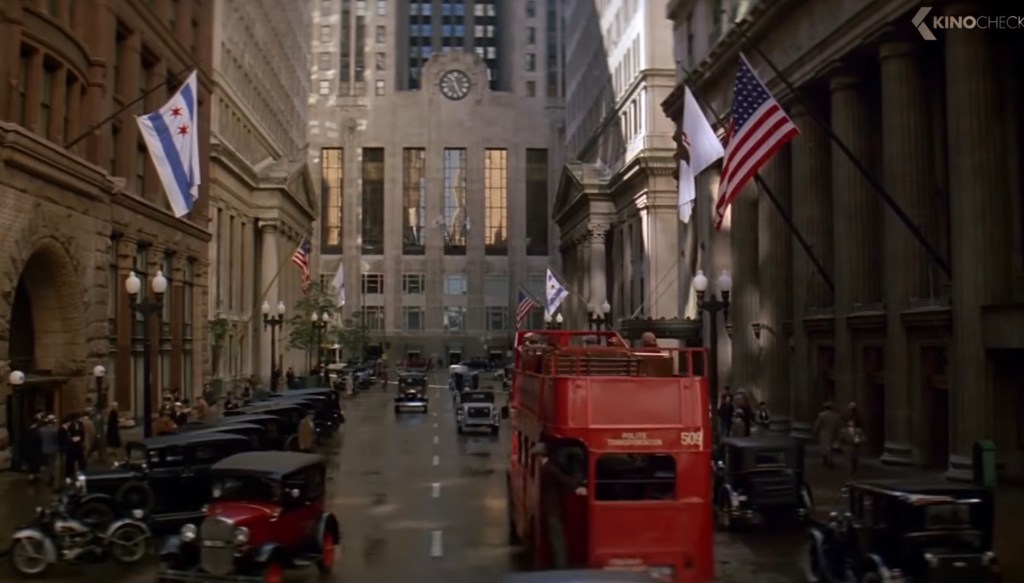
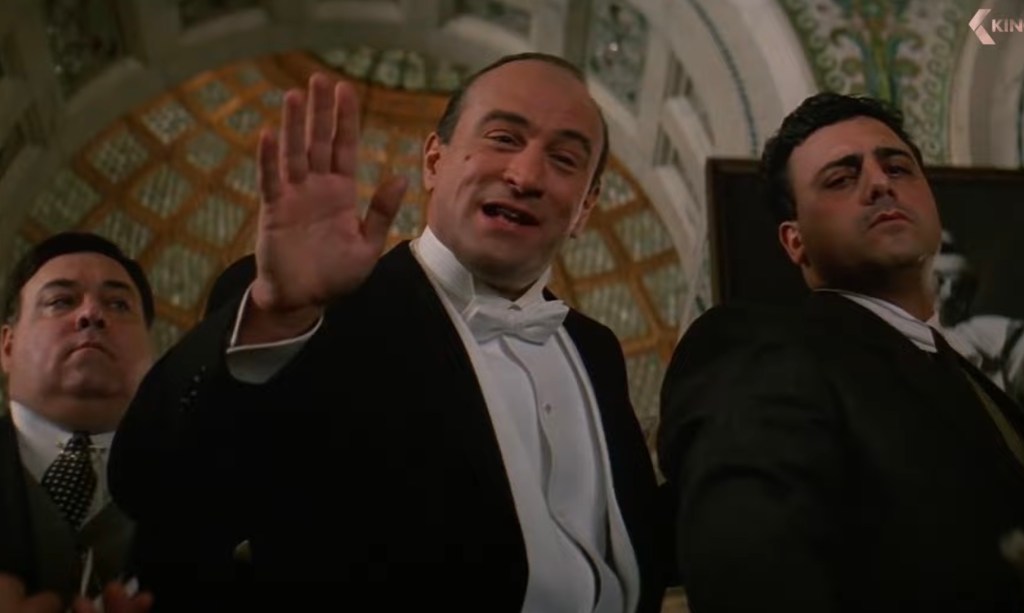
In characteristic fashion, De Palma adds his signature flair to the plot and cinematography, making it one of the greatest gangster movies of all time. The film’s universe is set in a ‘fantasy’ Chicago of the 1930s, during the height of the Prohibition era. Al Capone (Robert De Niro) rules the city with power, intimidation, and violence and is touted by the media as Chicago’s unofficial mayor. By controlling almost all of the illegal liquor trade and buying out politicians, he is seen as invincible.
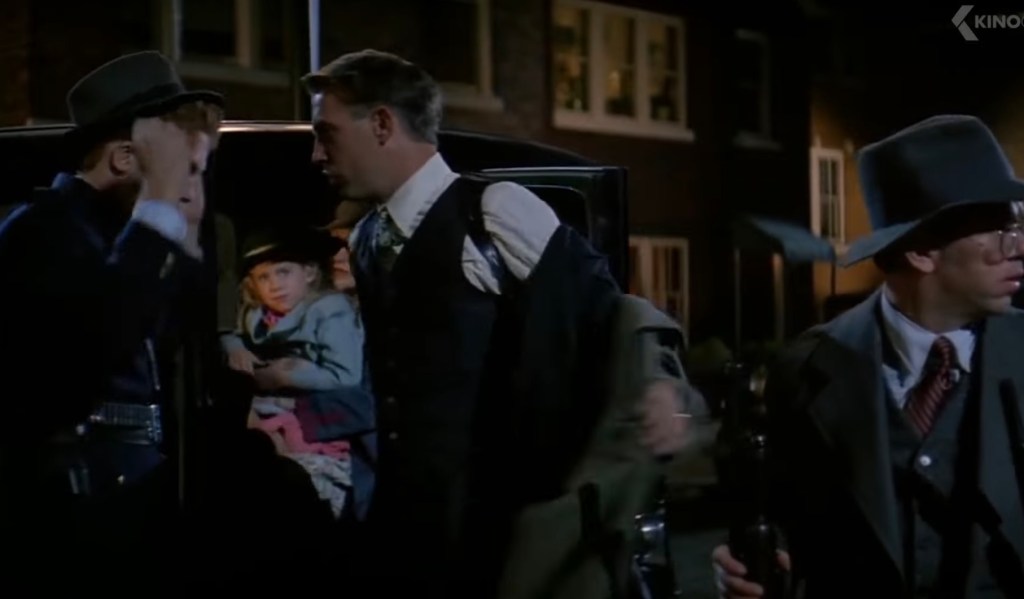
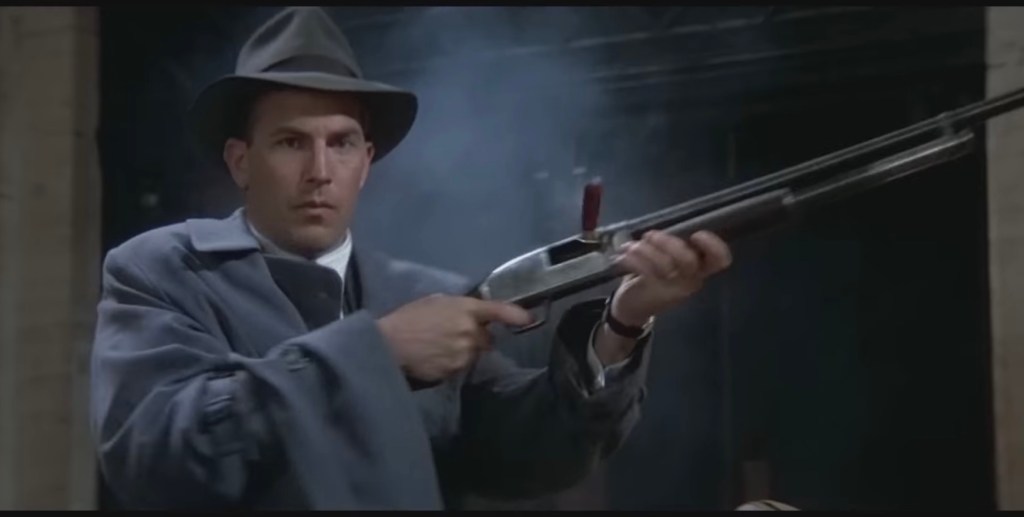
Enter a determined Eliot Ness (Kevin Costner), an official of the Chicago Bureau of Prohibition, a man who has sworn to bring down Capone. Ness is a devoted husband to his wife (Patricia Clarkson) and a doting father to his young daughter.
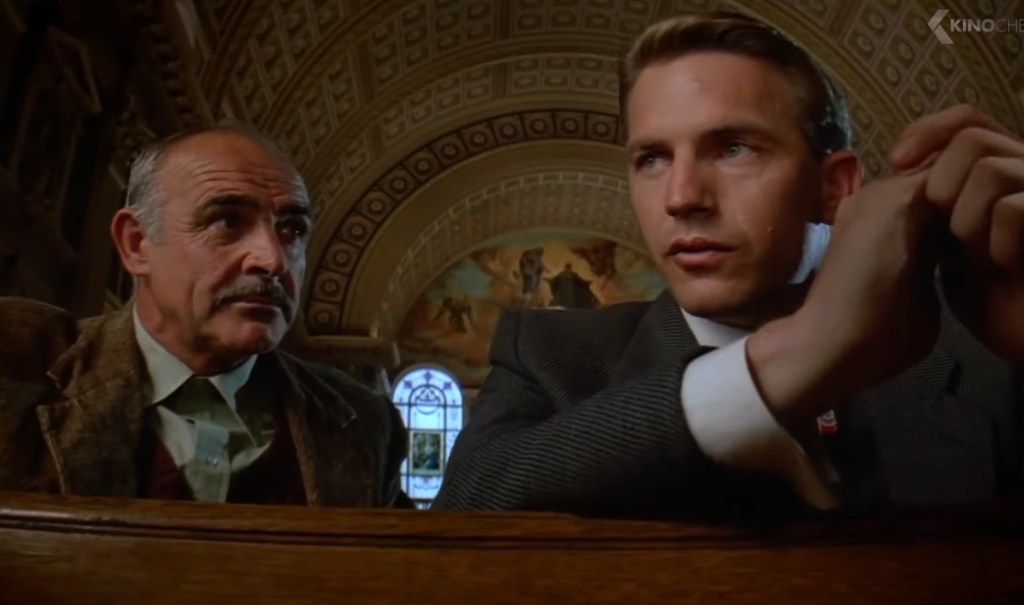
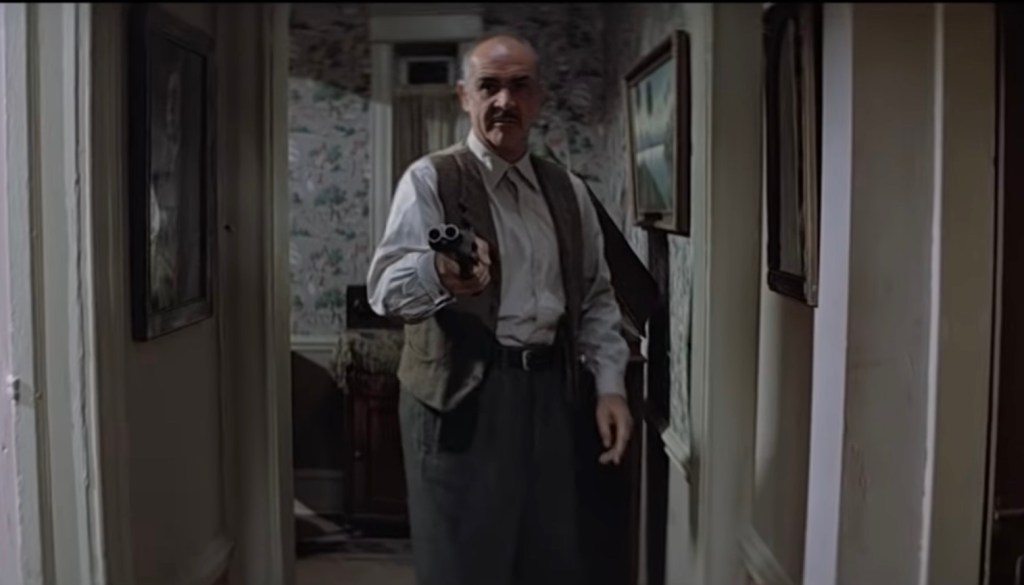
After an embarrassing failed attempt to bust a liquor warehouse, Ness meets an old, disillusioned Irish-American policeman, Malone (Sean Connery). Ness is soon impressed with Malone’s insights and integrity to police work. He visits Malone and offers the latter a position in the bureau. Initially reluctant and cynical, Malone first rejects the offer, but then accepts it, realizing that Ness is determined to bring Capone to justice.
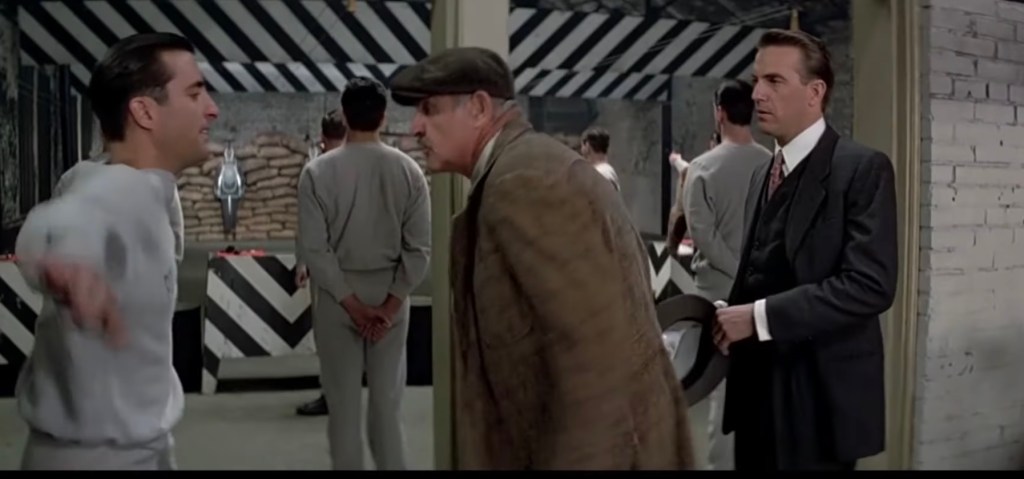
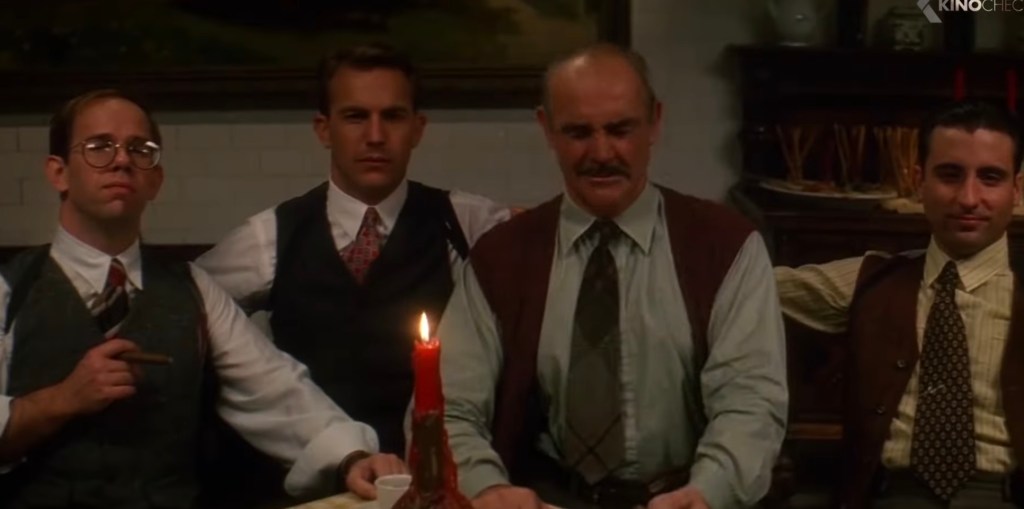
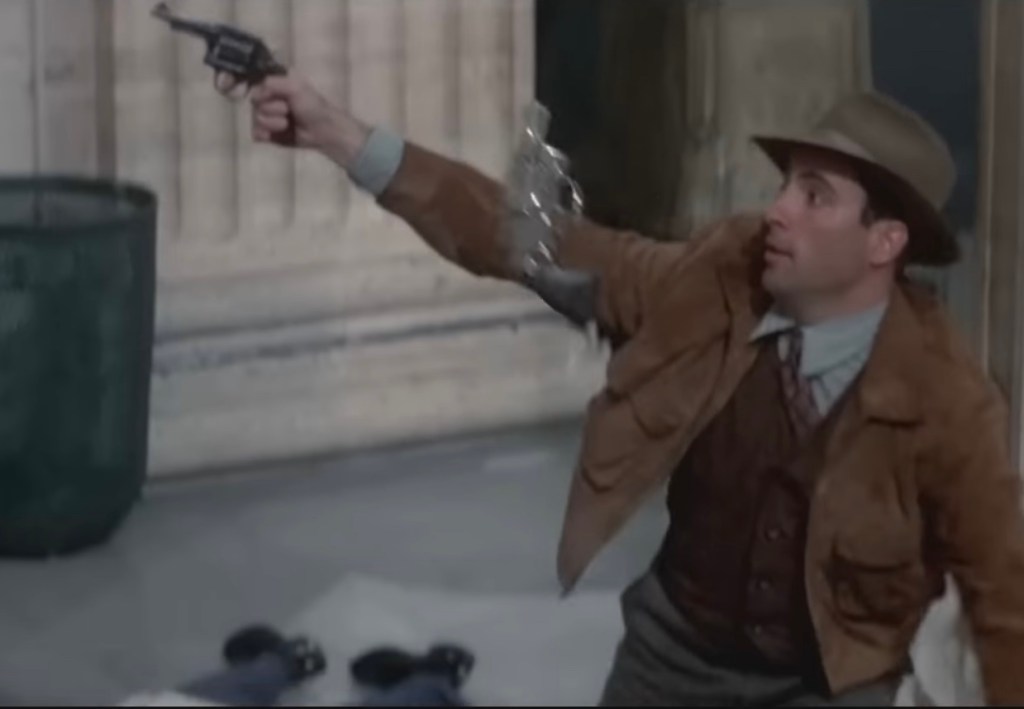
Malone tells Ness that no one within the police force can be trusted, as Capone’s influence runs deep into the police department. The duo visits the Police Academy and recruit George Stone (Andy Garcia), a young rookie, on account of his courage and shooting skills. Oscar Wallace (Charles Martin Smith), an accountant from DC from the Bureau, becomes the team’s fourth member.
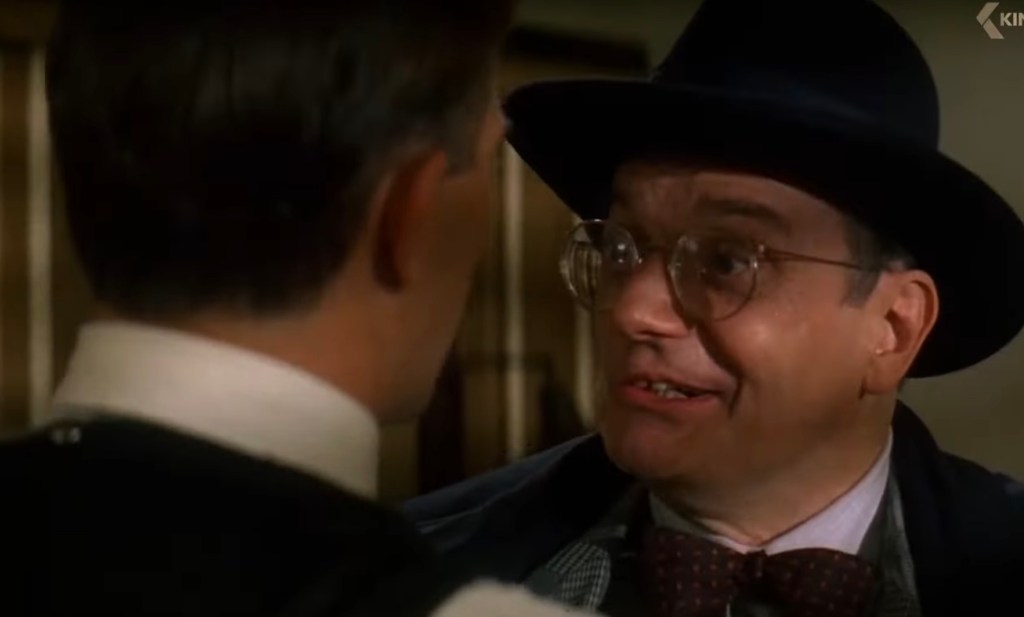
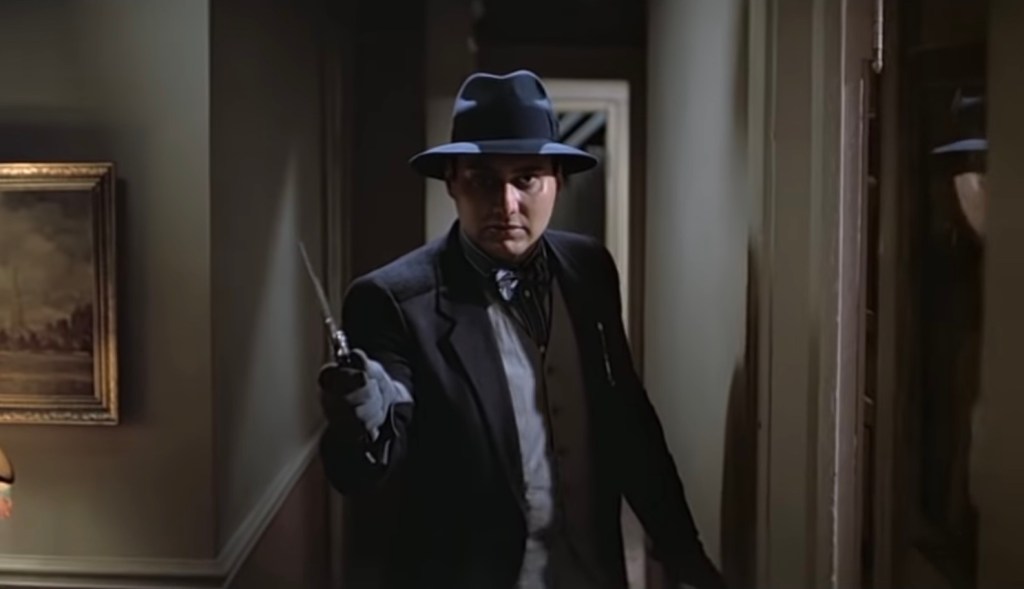
Upon Malone’s urging, the Ness team raids a post office, where they successfully seize a sizable stash of illegal liquor. This operation gets the attention of the press and is featured in Chicago’s newspapers. The press christens Ness and his team as ‘The Untouchables.’ Upon hearing this news, a furious Capone brutally kills one of the men running the surreptitious post office operation by bludgeoning the latter with a baseball bat. After an unsuccessful attempt by one of Capone’s men to bribe the determined Ness, Frank Nitty (Billy Drago), Capone’s enforcer, accosts Ness and threatens to endanger the latter’s family.
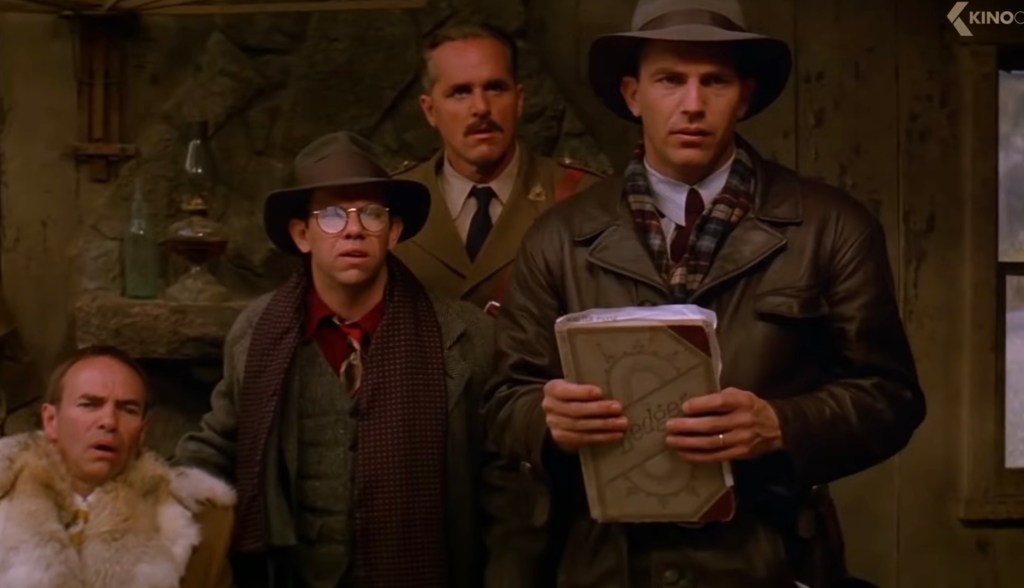
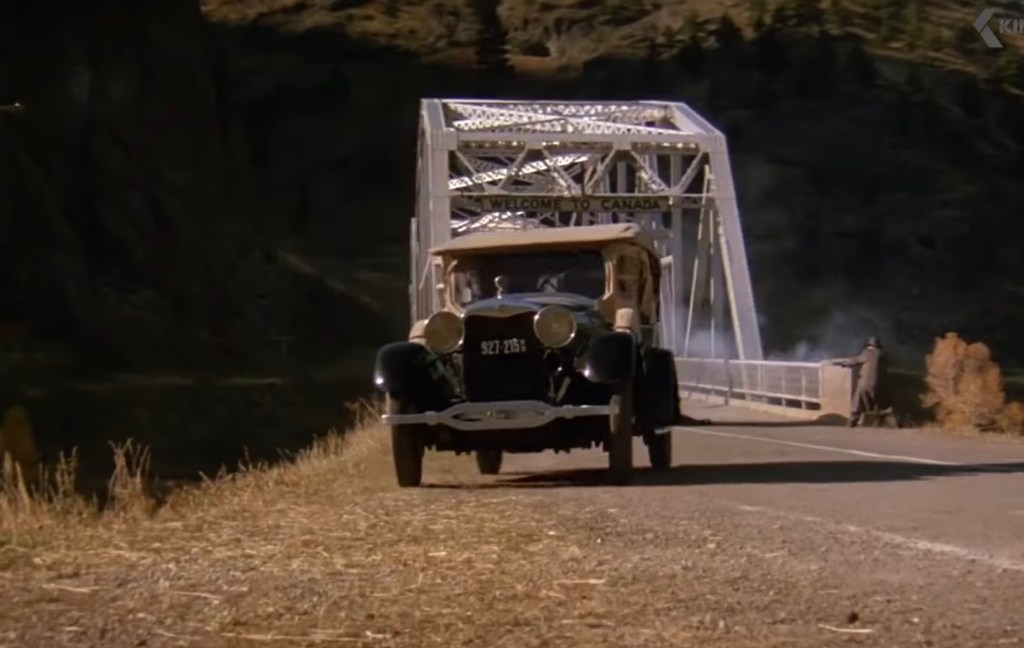
Ness takes no chances and places his family in a safe house. Next, he gets wind of a planned liquor smuggling operation near the Canadian border. Coordinating with the Canadian Mountie, Ness’s team inflicts heavy casualties on Capone’s men and seizes their liquor. In addition, Ness’s team gets possession of a ledger that details kickbacks that Capone has received from numerous businesses in Chicago. The team also apprehends one of Capone’s men and pressures him to be a potential witness against Capone.
Oscar uncovers that Capone, who has made a fortune in his dealings, has not paid income tax for four years. Persuaded by Oscar and realizing that there is no other way to bring a murderous Al Capone to justice, Ness decides to file tax evasion charges against Capone.
The stage is set for a devastating war as the Untouchables take on Chicago’s powerful crime lord. This war will be fought on many fronts, in the courtroom, at the Chicago train station, and even on the roof of the courthouse.
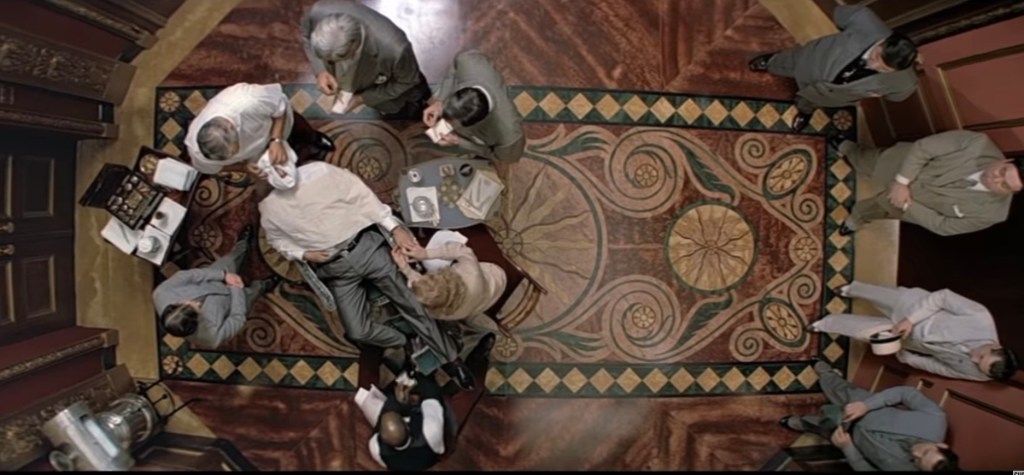
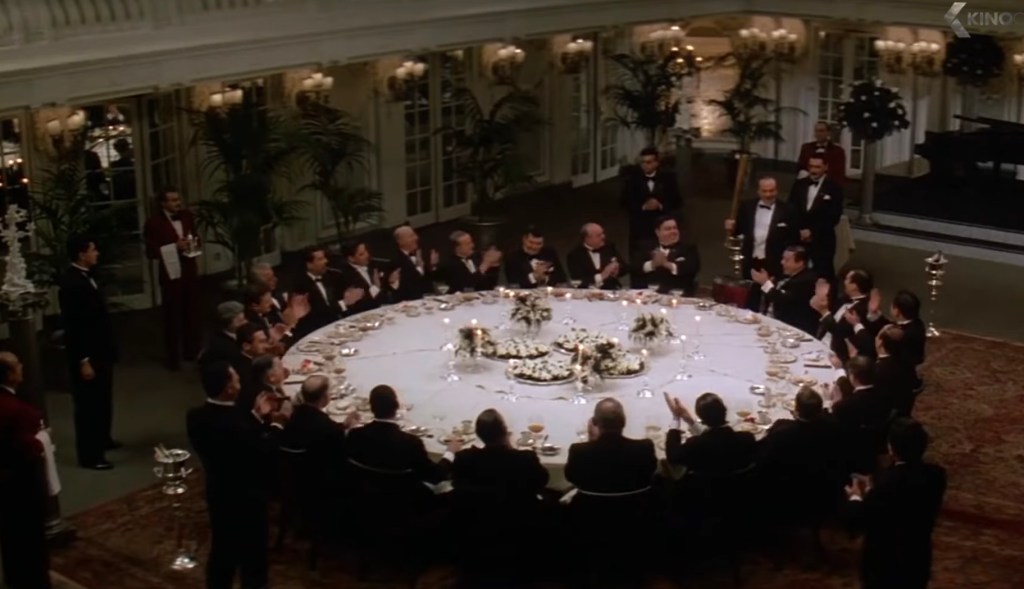
In addition to a stellar cast and slick photography, “The Untouchables” features lavish sets and outstanding action scenes. The Lexington Hotel, where Capone resides, is presented in all its grandeur in the film. Scenes of Capone’s banquets and one particular scene where Capone is enjoying an opera are also noteworthy. Patrizia von Brandenstein, William A. Elliott, and Hal Gausman, the team behind the movie’s sets, received an Oscar nomination for Best Art Direction.
Throughout the movie, Ness and his men are fashionably attired in classic 1930s style clothing. Marilyn Vance would receive another Oscar nomination for the movie’s costume design. The background music in the movie, featuring Duke Ellington’s Jazz tunes from the 1930s, would win Ennio Morricone a nomination for Best Score.
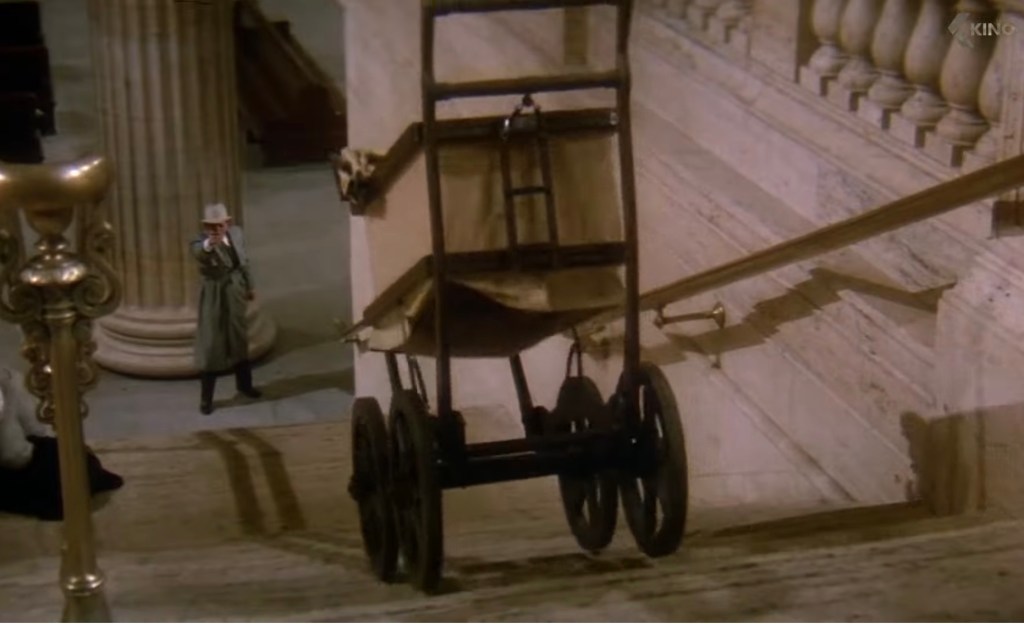
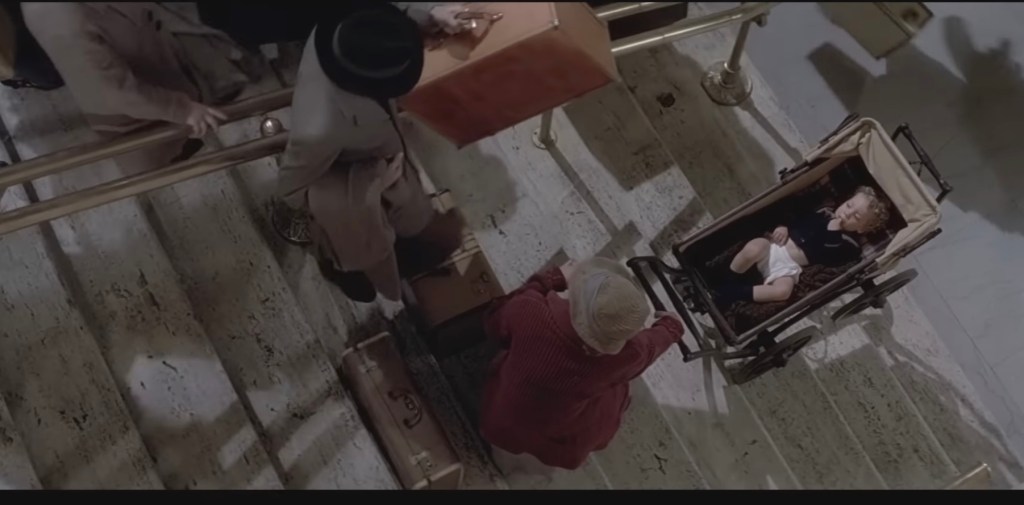
Among the action sequences, a gunfight at Chicago’s Union Station is one of the most memorable scenes in the movie. This scene is De Palma’s tribute to the shootout scene at the hospital in Battleship Potemkin (1925). David Mamet, who wrote the movie’s screenplay, would go on to make his own directorial debut with “House of Games” that same year.
Of course, one cannot miss out on the movie’s stellar cast. Kevin Costner portrays Ness as a strong, determined Treasury agent and a devoted family man. Andy Garcia plays the young, motivated expert marksman Stone with energetic flair. There are two standout performances in the movie. Both men would win Oscars later in their careers.
De Niro appears only in a few scenes in the movie but still makes a memorable impact as a deliciously evil and ruthless Capone. Finally, Sean Connery is beyond outstanding as the tough, gritty, relentless, and honest Malone. Connery’s performance would win him an Oscar for Best Supporting Actor.
I will emphasize that while this is one of the best gangster movies ever made and has made the list of great movies in several categories by the American Film Institute, most of its plot is fictional and historically inaccurate.
There are more significant points that need to be made about the movie. Please note that there are a few spoilers below.
Hal Hinson’s critique of De Palma’s bringing in his style and theatrical elements over the storyline is somewhat justified. De Palma has also embellished numerous historical facts in the movie’s plotline. Here are some of the real facts.
There is no evidence that Capone or his cronies ever threatened Ness. Capone actually asked his henchmen to stay away from Ness and his associates.
Ten individuals were listed as core members of the real-life ‘Untouchables,’ while some other names listed are disputed. By contrast, Ness’s team in the movie had only four members who got little assistance from anyone else.
Stone and Malone are entirely fictional characters and not based on any of the real Untouchables.
Ness had little to do with the income tax charges brought on Capone. Assistant Attorney General Mabel Walker Willebrandt was credited for being the first to bring Income Tax fraud cases against mob figures.
Oscar Wallace’s character was based on Frank J. Wilson, an agent of the Treasury Bureau who would later head the American Secret Service. Wilson was not killed by Frank Nitty.
Ness did not kill Frank Nitty on the roof of the courthouse. Nitty committed suicide twelve years after Capone was implicated for Tax evasion. Ness and his men are credited for raiding a lot of Capone’s illegal liquor-stashed warehouses.
The Canadian shootout and the gunfight at the railway station are also fictional.
The scene of Al Capone’s bludgeoning of one of his subordinates is somewhat based on fact. There is a disputed story of Capone bludgeoning three of his men with a baseball bat and then ordering his bodyguards to shoot them because they were secretly planning to assassinate him.
References:
https://en.wikipedia.org/wiki/The_Untouchables_(film)
https://en.wikipedia.org/wiki/Untouchables_(law_enforcement)
https://en.wikipedia.org/wiki/Al_Capone
https://en.wikipedia.org/wiki/Mabel_Walker_Willebrandt






 Bay Area Bloke