

A few days ago, I took a day trip with friends to Fresno, CA. Here are some of my musings on the trip.
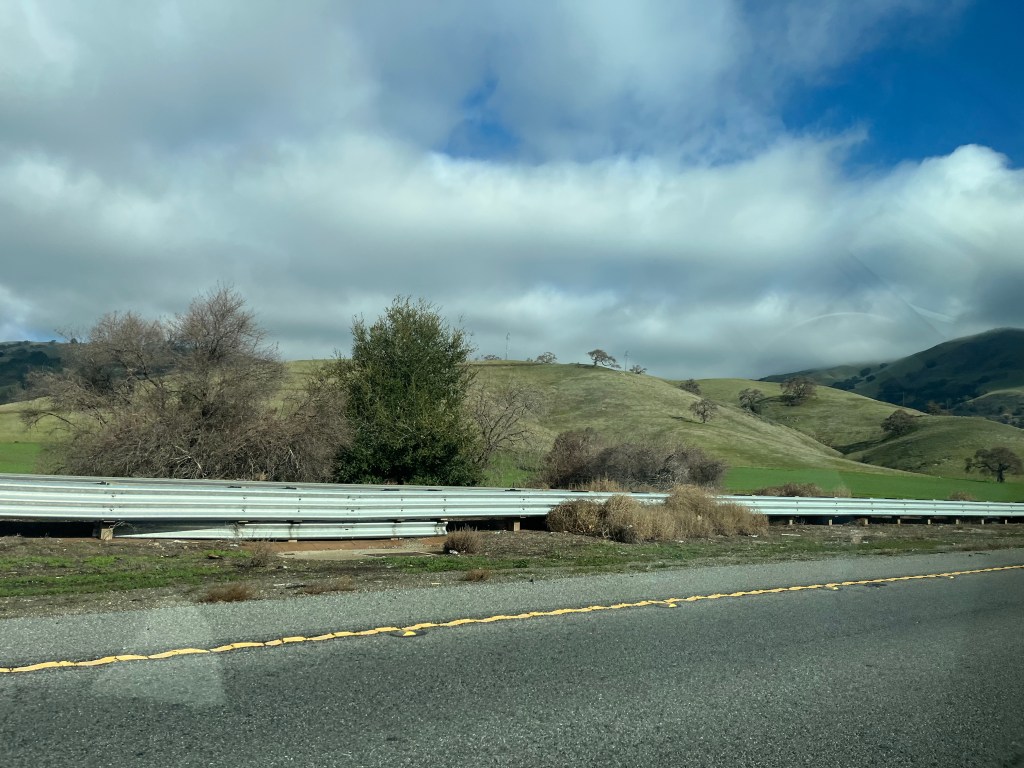
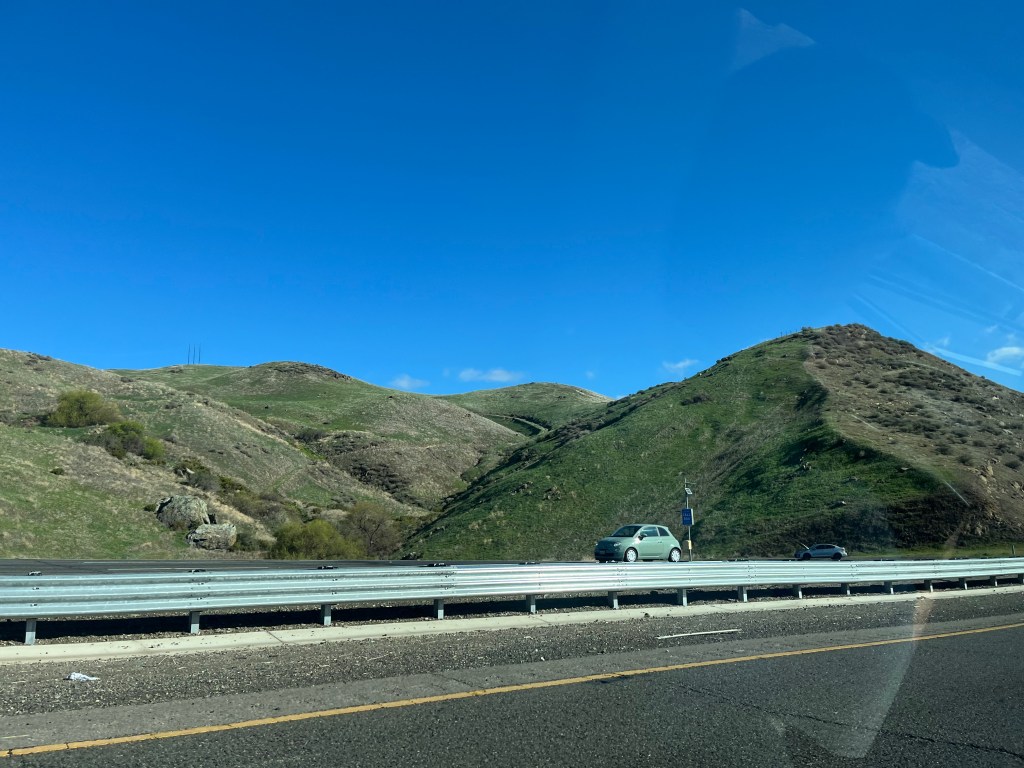
Fresno, a city located in the San Joaquin Valley, is about an hour and a half’s drive from Yosemite. Named after the abundant ash trees in the area, it is the fifth most populous city in the state. Half of its population is Hispanic.
After a two-hour drive from Morgan Hill, we arrived in Fresno, where we were warmly hosted by a friend. En route, we stopped at a service center to charge our automobile. The venue had an unusual convenience store.
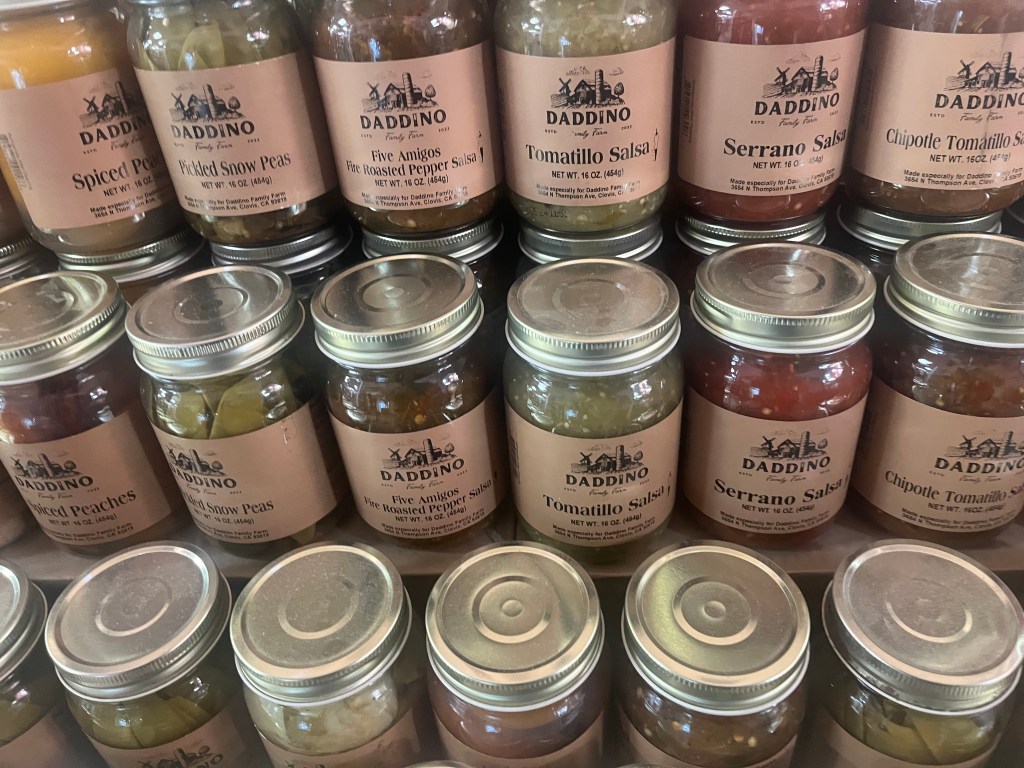
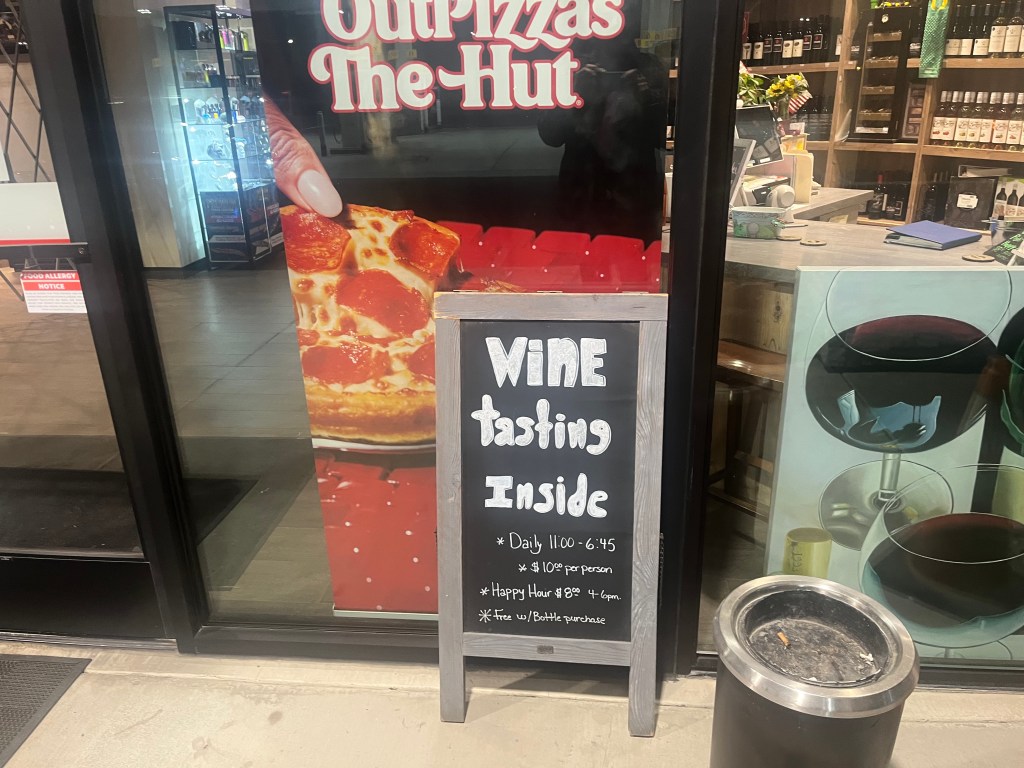
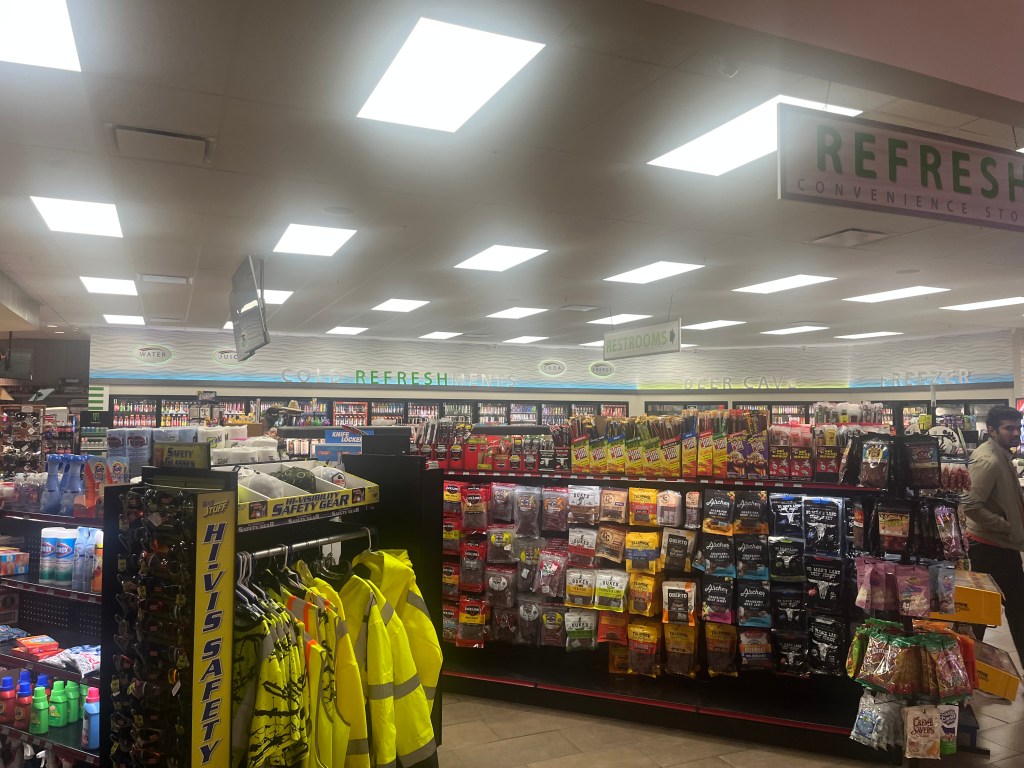
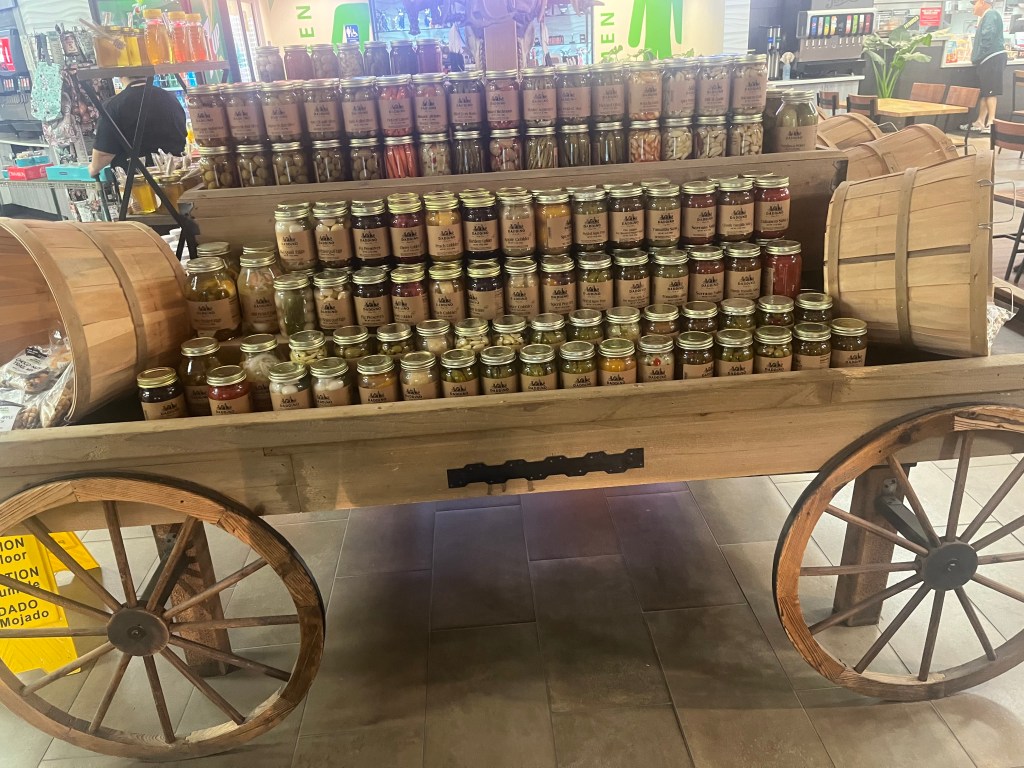
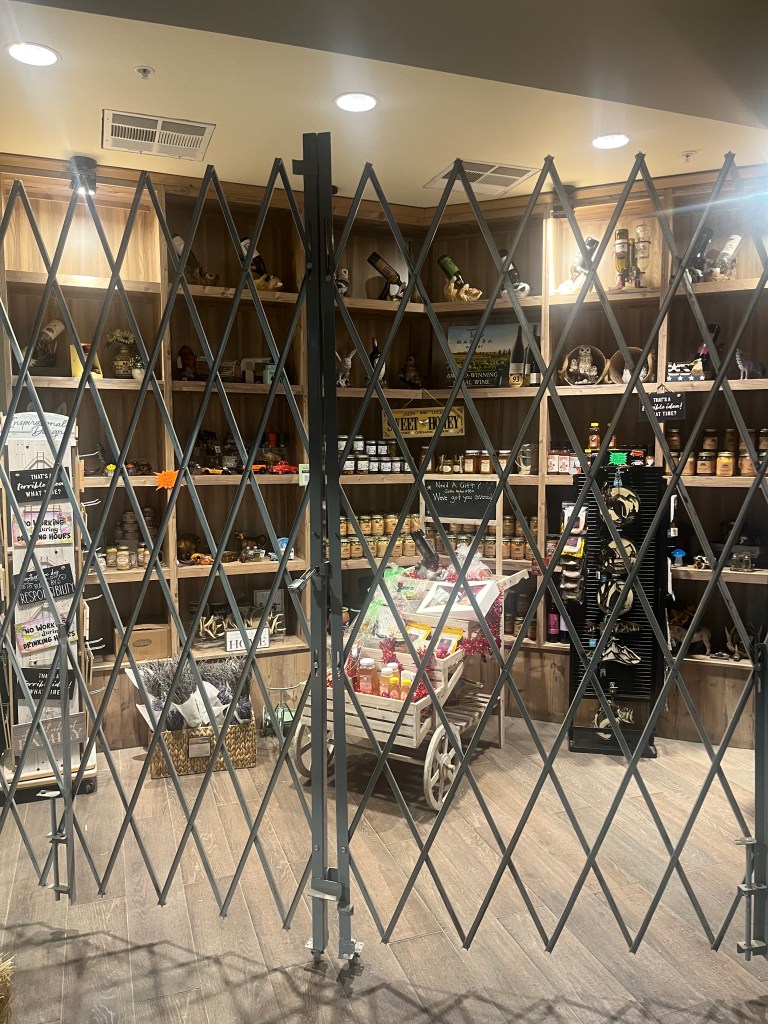
The store captured my attention for several reasons.It was unlike any other convenience store I have seen in the US or anywhere else. It almost felt like there was a mall within the store. Inside, there were numerous eateries serving fast food and Mexican cuisine, and even an Indian eatery. A liquor store stood at the entrance, and as we walked in, a cart displayed some unusual pickles. Since the location had several charging stations, it provided patrons with options to spend their time while waiting for their cars to charge. There were also some unusual snacks, many of which no doubt came from the vast farmland in the area.





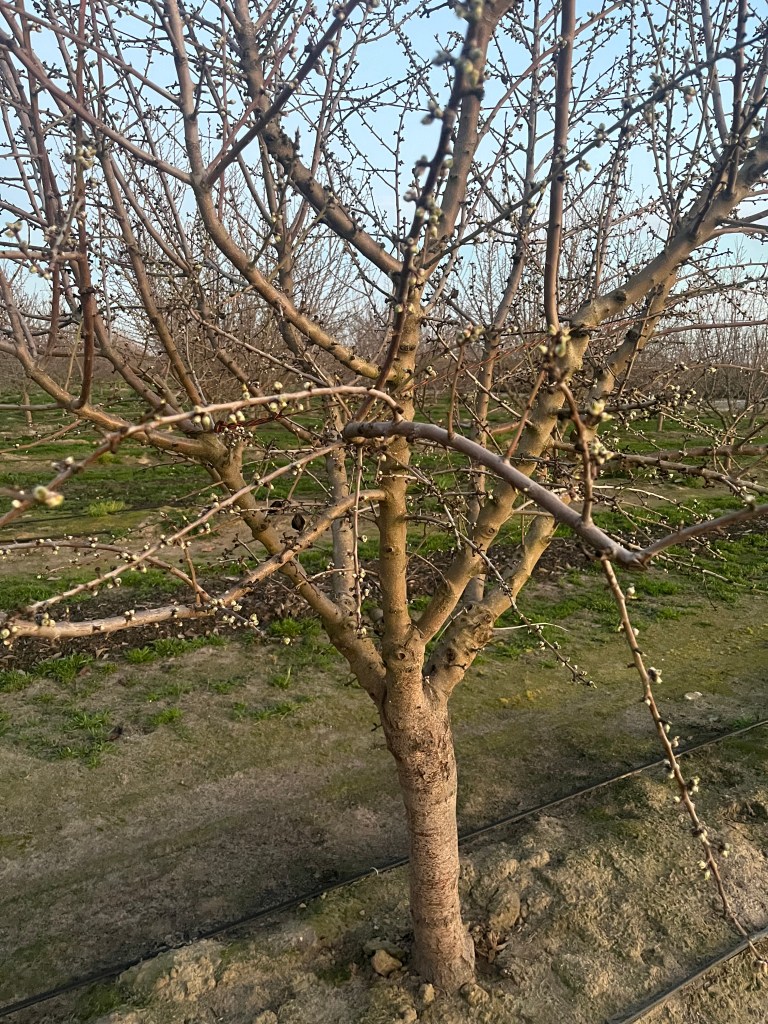
After savoring our host’s home-cooked lunch, we were invited by one of the guests to visit his almond farm. Passing through numerous tangerine, plum, and grape orchards, we arrived at the farm in the fading hours of the cold day. This turned out to be one of my most memorable experiences.
It was also an educational trip, as we learned about almond cultivation. California accounts for more than 80% of the world’s almond production, with almonds from the state exported worldwide.
Interestingly, almond trees are grafted onto plum trees because the latter are more resilient to the weather conditions and environment. Vast quantities of water are required for almond trees—an estimated one gallon is needed to produce a single almond.
After planting, an almond tree begins bearing fruit after five or six years and lasts about 25 years. The caretaker of the farm, a hardworking Hispanic gentleman, led us to a pump that supplies water to the trees through pipes laid throughout the farm. He must continuously monitor the farm to ensure that each tree receives adequate water. He told us that coyotes often puncture the rubber pipes. Additionally, he has to drain the first blast of water from the pump daily, as the initial gush turns muddy and cannot be used for the trees.
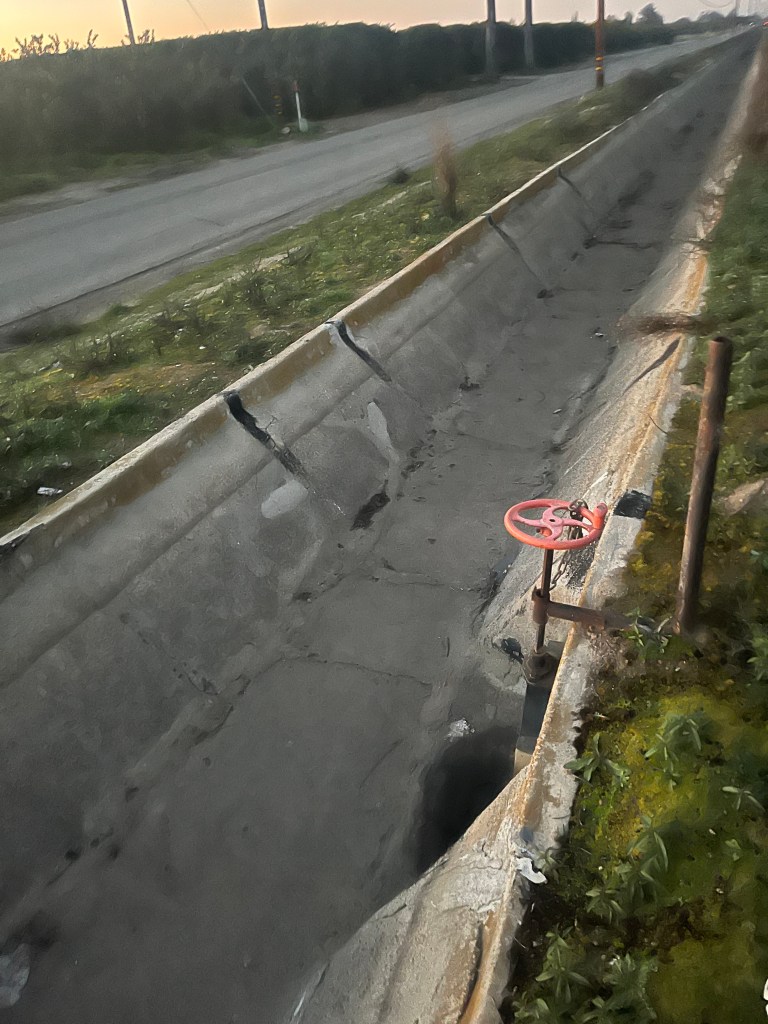
A channel beside the pump supplies water during the summer months. Since the surrounding area is barren, farmers rely on water from the mountains, which is channeled to nearby farms. The taxes paid by farmers include fees for the use of this water.
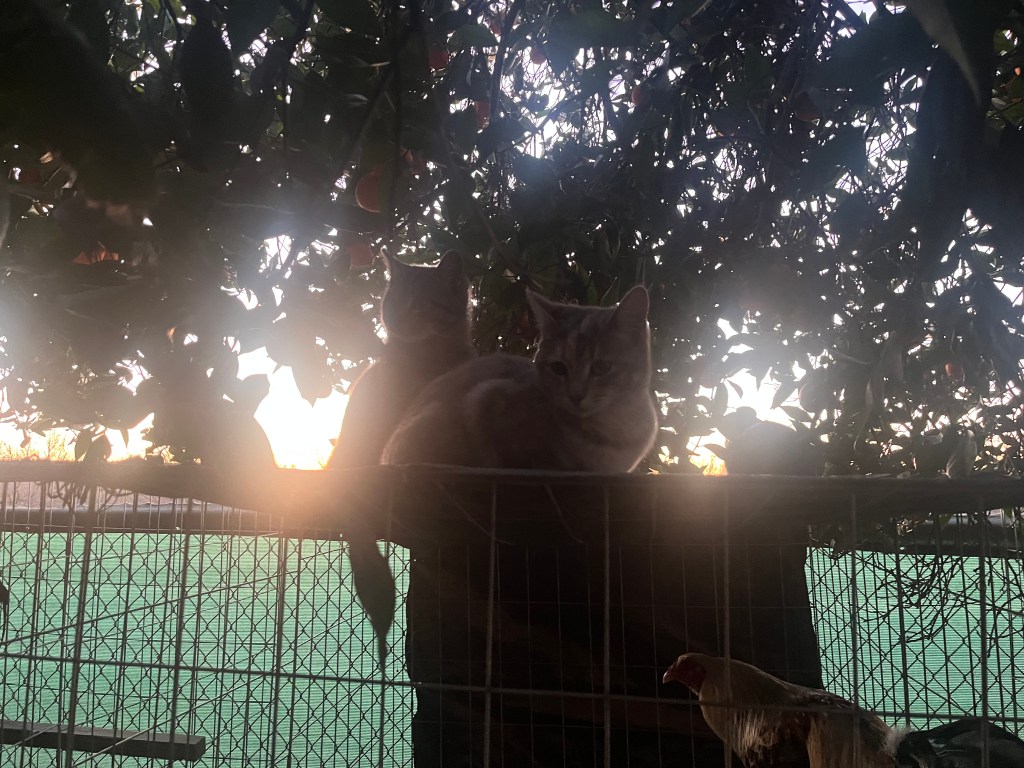
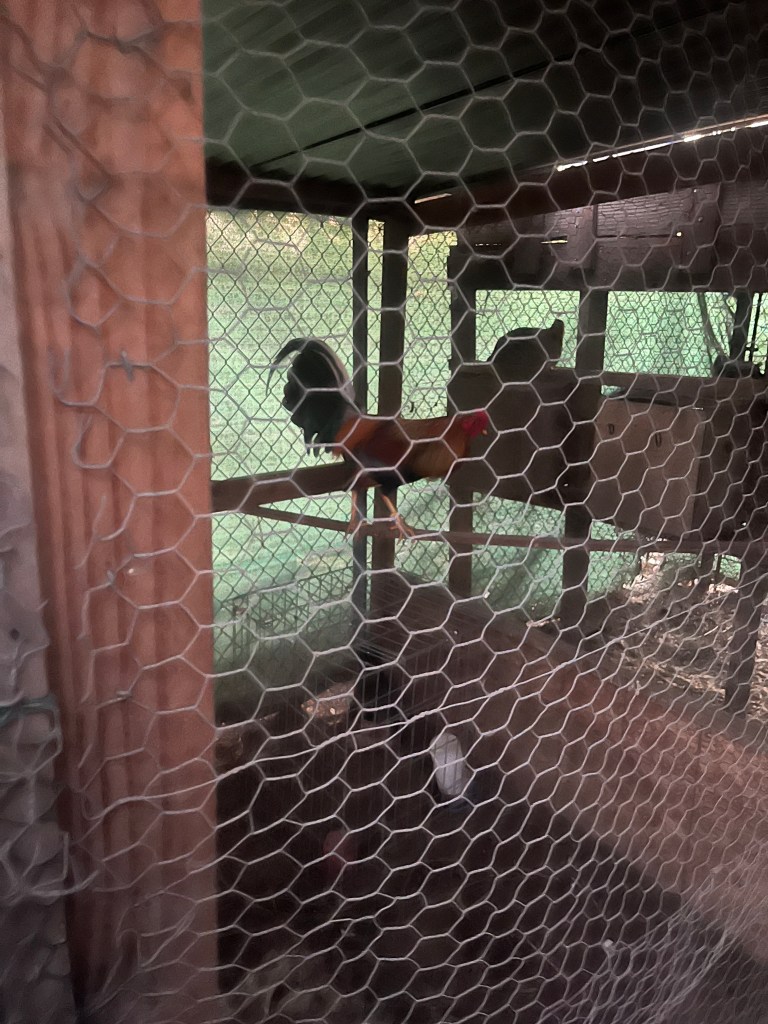
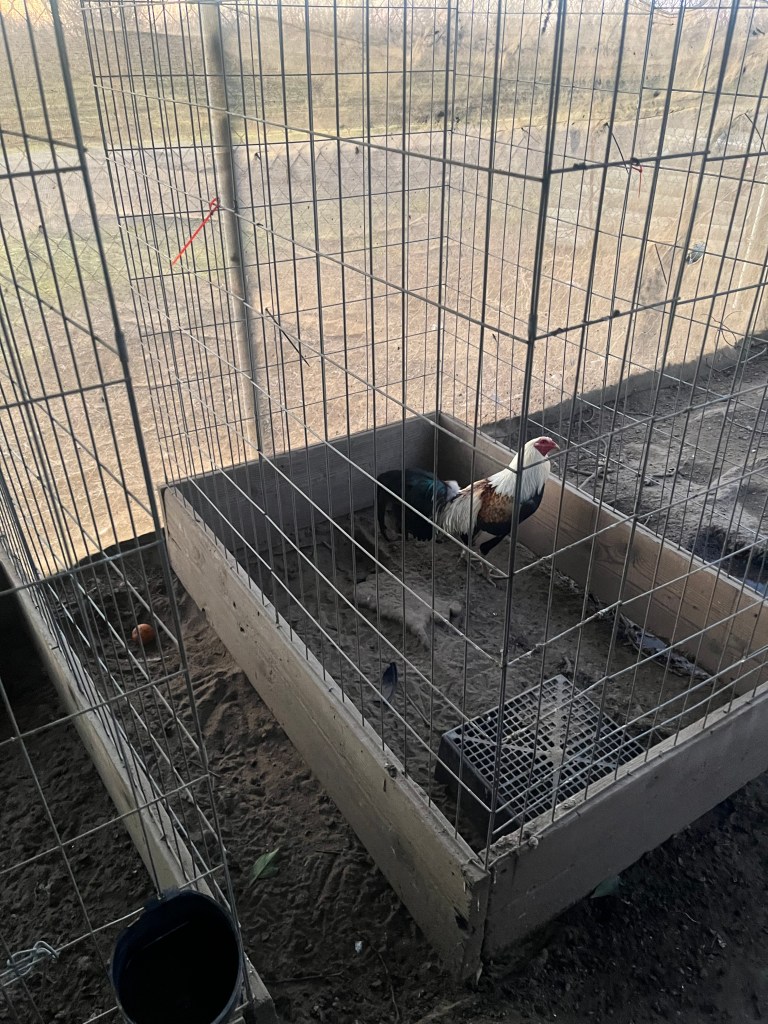
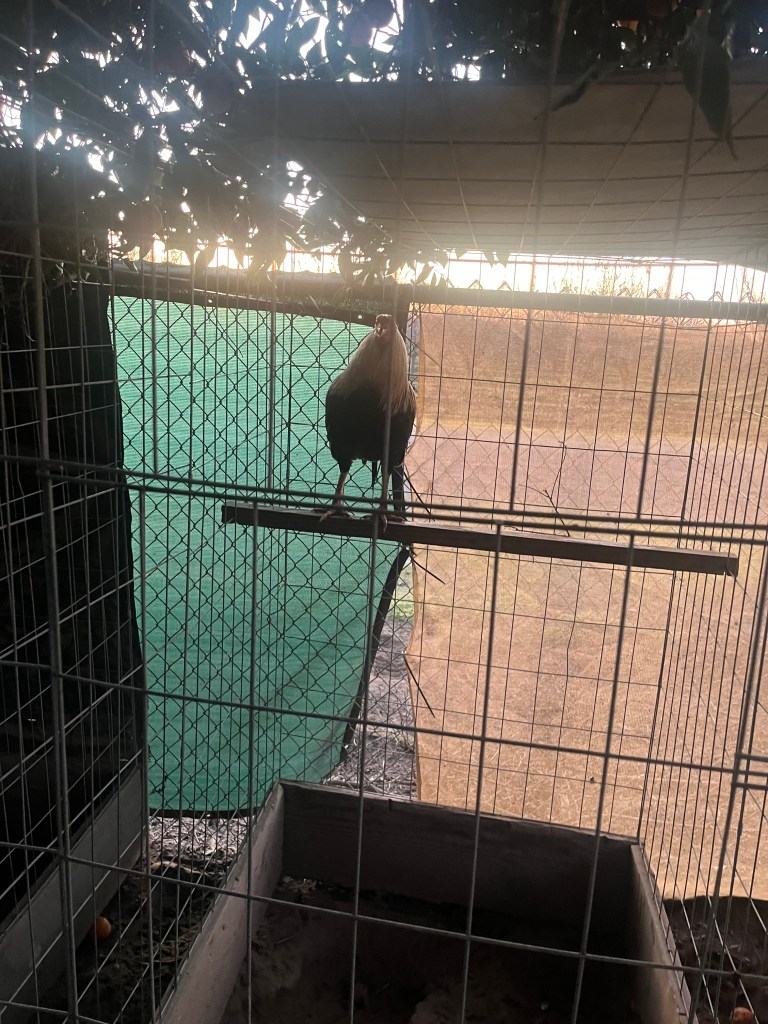
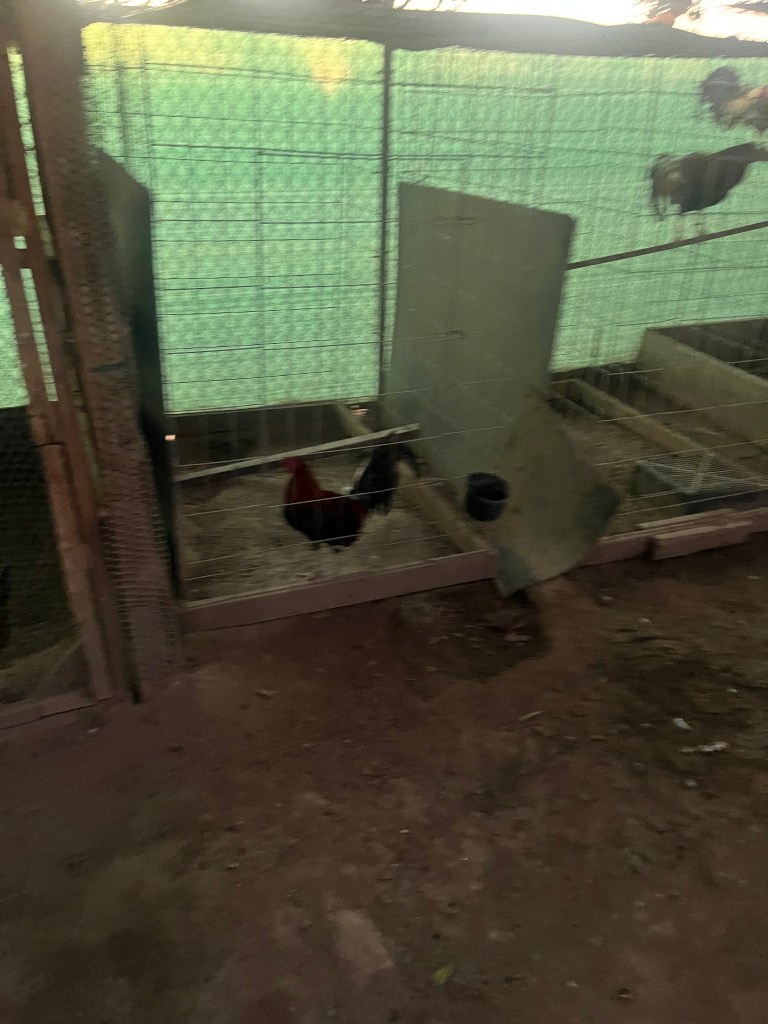
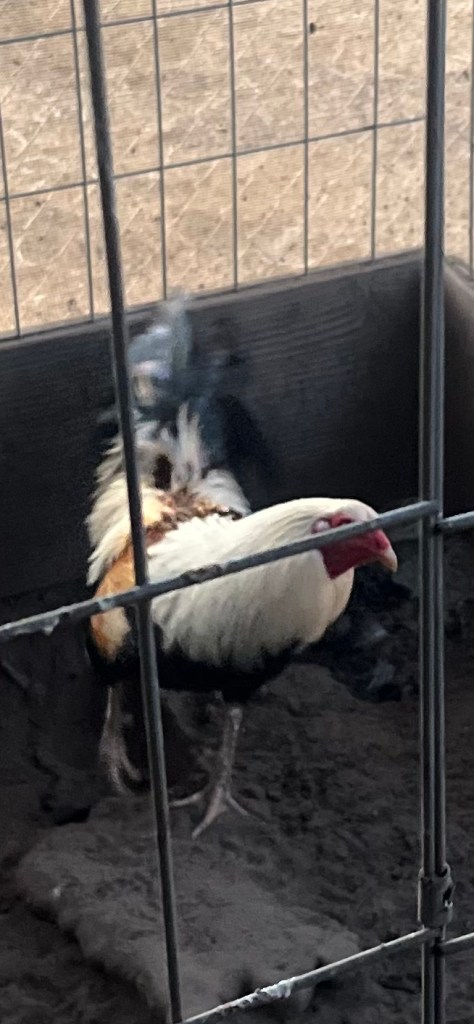
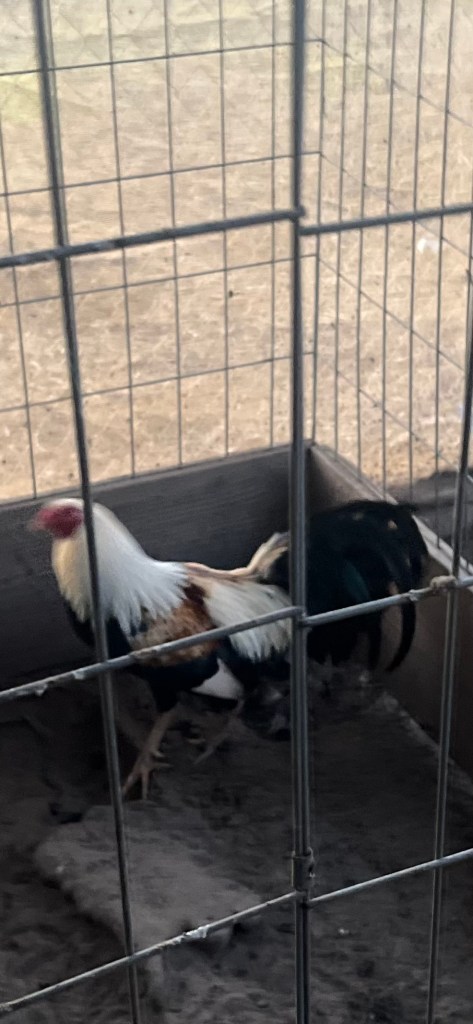
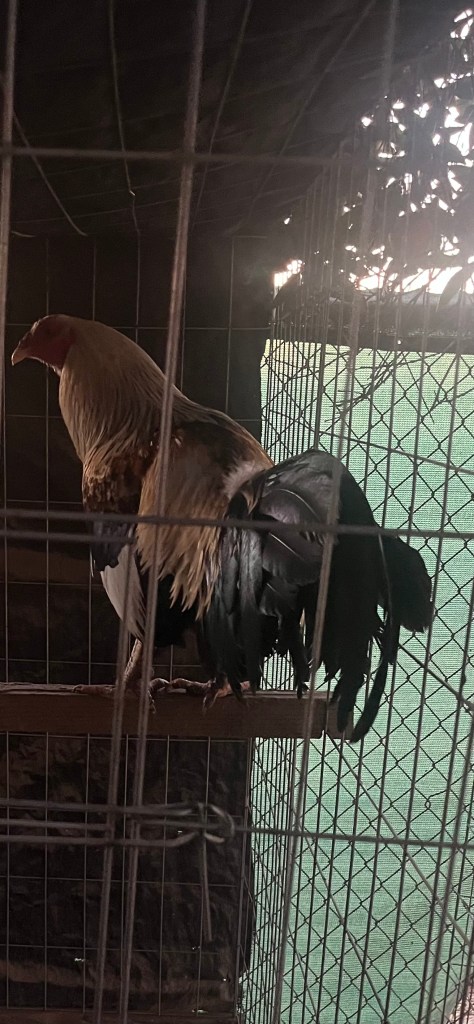
The caretaker also has an interesting hobby—he is an expert breeder of roosters for clients who participate in shows and rodeos in the area. He was kind enough to show us the roosters that inhabit his backyard. Never have I seen such exotic roosters, many with bluish feathers. Indeed, this was a one-of-a-kind experience.
I am grateful to my friends for their hospitality, for organizing this trip, and for making it an unforgettable experience that I will treasure forever.
Another interesting trivia fact: California’s pistachios are also one of its chief exports. However, unlike Afghan pistachio trees, which last over a hundred years, California’s pistachio trees last only 50 to 60 years.









 Bay Area Bloke