

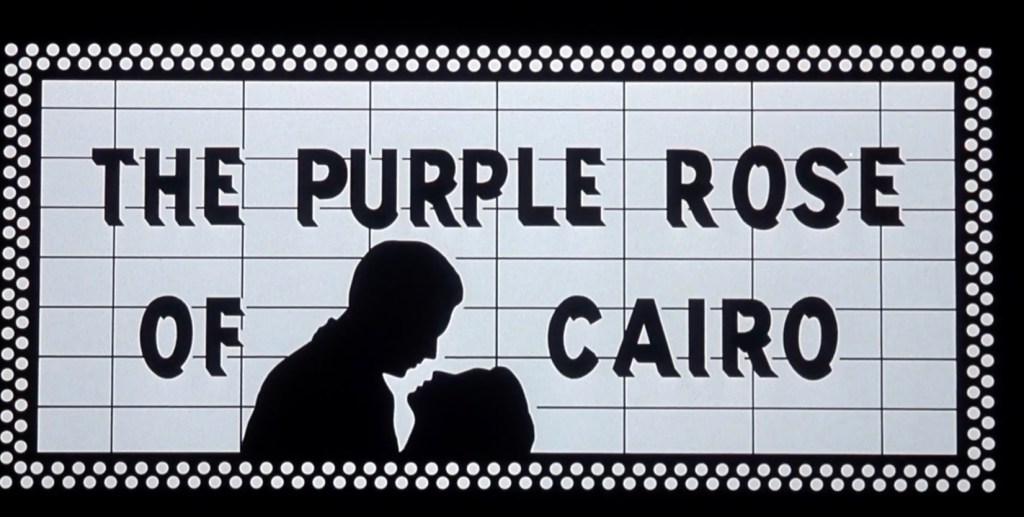
The Purple Rose of Cairo is a fantasy comedy directed by Woody Allen, starring Mia Farrow, Jeff Daniels, and Danny Aiello in lead roles. While watching the film, I experienced a distinct sense of déjà vu, which led me to recall its thematic similarity to Arnold Schwarzenegger’s The Last Action Hero. Both movies feature a character from a fictional film entering the real world.
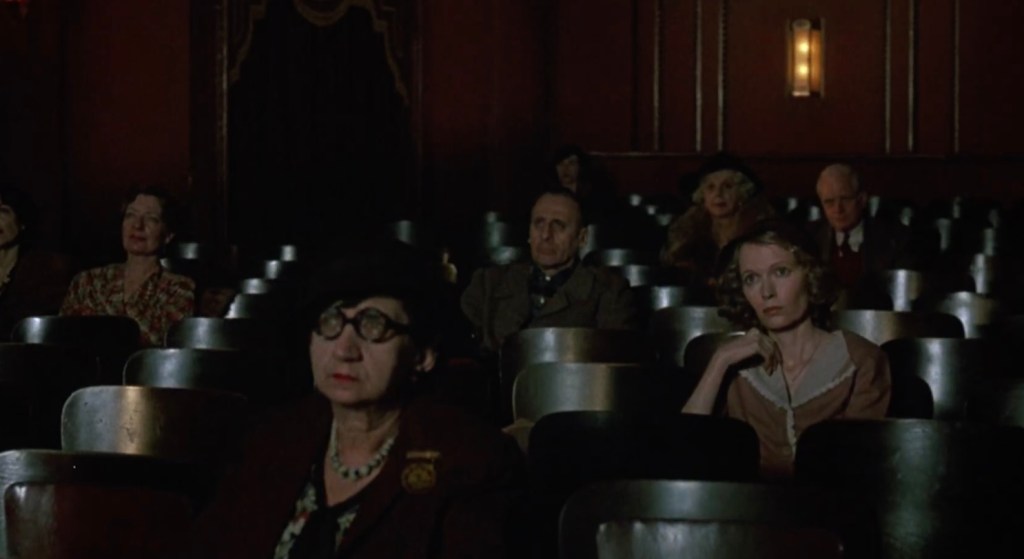
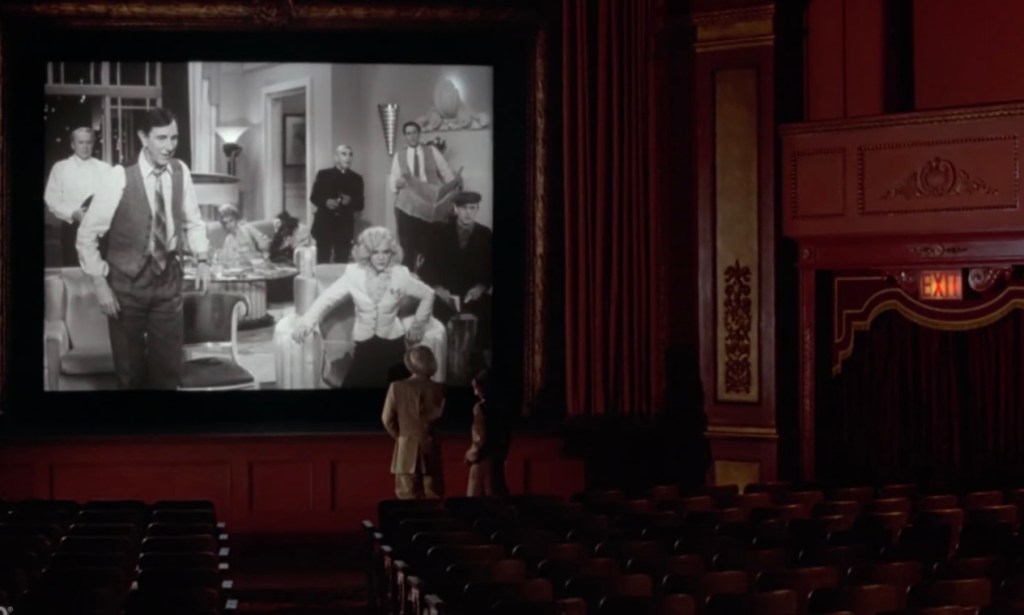
Set in New Jersey during the Great Depression of 1935, the story follows Cecilia (Mia Farrow), a struggling waitress trying to make ends meet. Stuck in an abusive marriage with her out-of-work, philandering husband Monk (Danny Aiello), Cecilia finds solace in watching movies at a nearby theater. Her favorite film, The Purple Rose of Cairo, becomes a repeated escape from her bleak reality. She is particularly captivated by Tom Baxter (Jeff Daniels), a charming fictional character in the movie, portrayed by the actor Gil Shepherd (also played by Daniels).
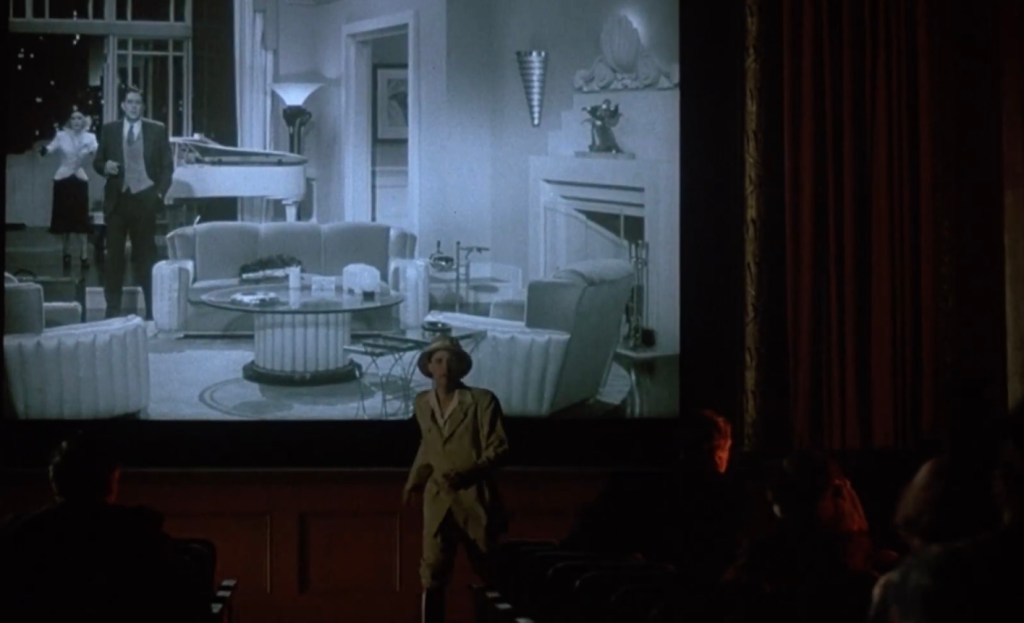
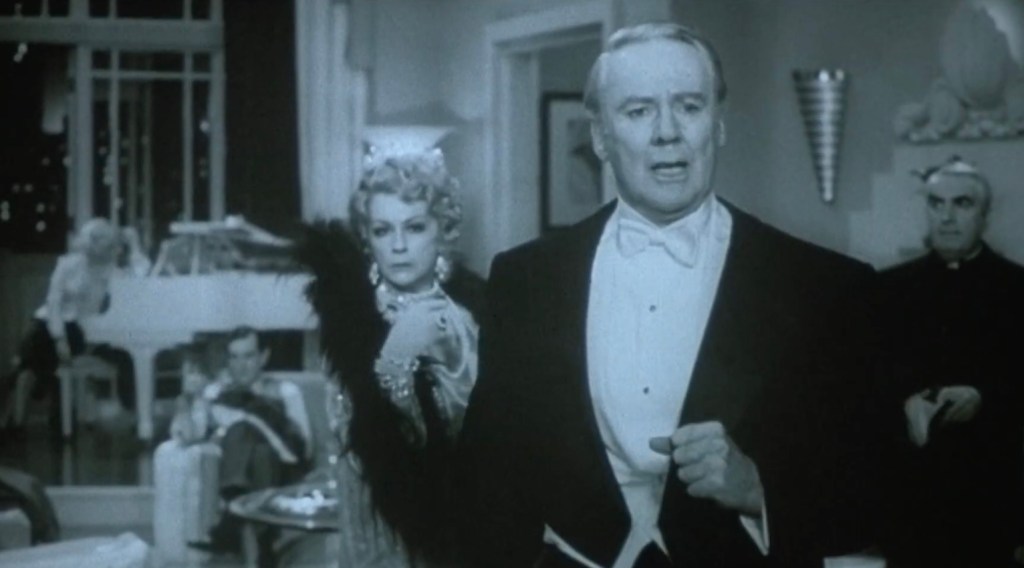
One day, in an extraordinary twist, Tom, moved by Cecilia’s devotion, steps out of the screen and into the real world. To the amazement of the audience and the frustration of the remaining cast, Tom pulls Cecilia away from the theater, embarking on a whirlwind romance with her. The abandoned characters in the movie refuse to continue the plot without Tom, leading to protests from frustrated viewers and a decline in ticket sales.
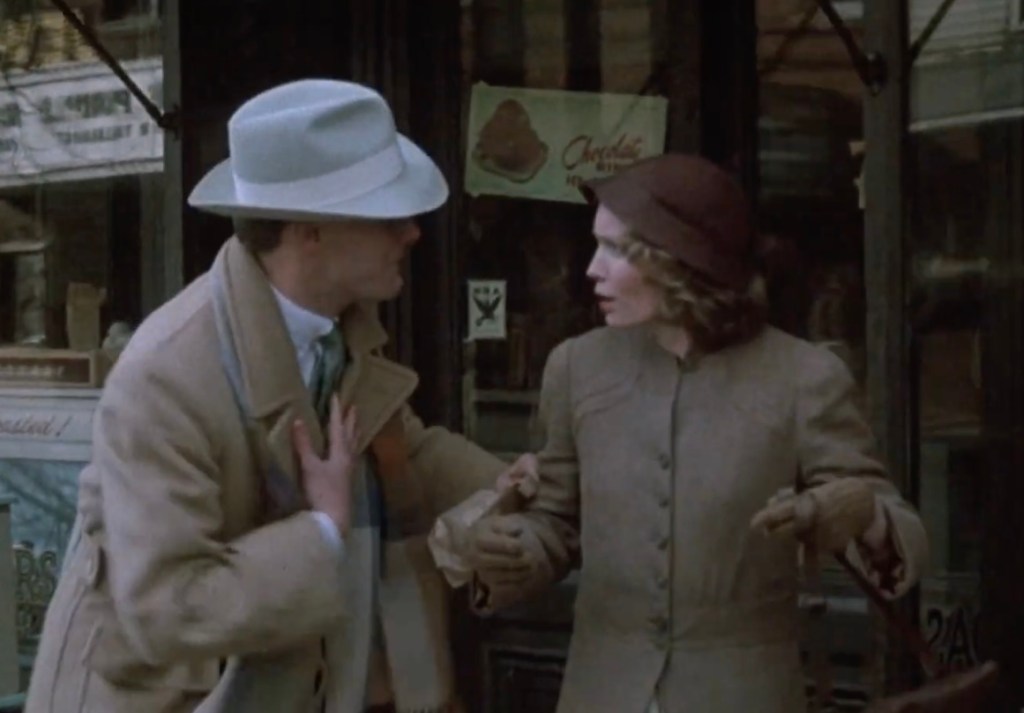
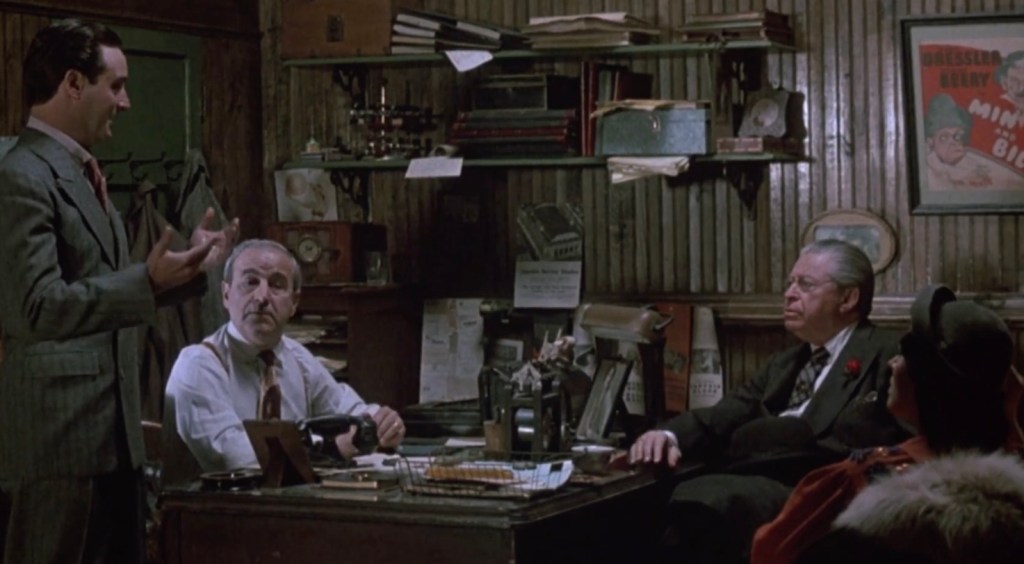
News of this bizarre event spreads quickly. Monk learns about Cecilia and Tom’s relationship, tracks them down, and confronts Tom in a heated fistfight. Meanwhile, the theater’s manager, frustrated by dwindling ticket sales, complains to the film’s producer. The producer then contacts Gil Shepherd, who arrives in the New Jersey town to resolve the crisis.
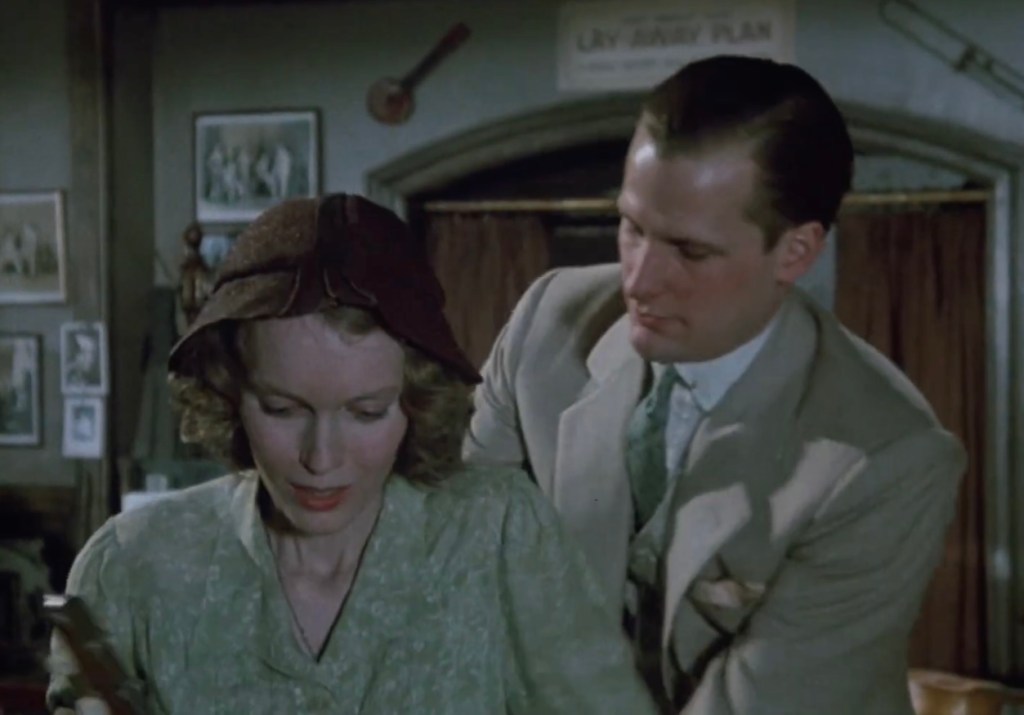
When Gil meets Cecilia, he is charmed by her, and the feelings appear mutual. Cecilia, already determined to leave Monk, is now faced with a difficult choice: to stay with Gil or to pursue her romance with Tom, the fictional man of her dreams.
At its heart, The Purple Rose of Cairo is a tragicomedy that delves into themes of innocence and naivety. Tom, a character born in the fictional world, is utterly unprepared for the complexities and moral ambiguities of real life, where treachery, lies, and selfishness often prevail. Cecilia, though firmly grounded in the real world, is equally innocent and idealistic. A hopeless romantic, she clings to the idyllic worlds depicted in movies, failing to recognize the harsh realities of life.
The Purple Rose of Cairo is a magical and bittersweet romantic thriller, widely regarded as one of Woody Allen’s finest films. Jeff Daniels delivers a stellar performance, seamlessly embodying the dual roles of the innocent and well-meaning Tom and the opportunistic Gil. Mia Farrow shines as Cecilia, perfectly portraying the small-town dreamer longing for an escape from her harsh existence.
With its deceptively simple plot, The Purple Rose of Cairo offers a profound commentary on escapism, the human condition, and the boundaries between fiction and reality. Allen’s screenplay, nominated for an Academy Award, is both poignant and thought-provoking, cementing the film’s status as a masterpiece. It’s a deep, absorbing work that continues to resonate, earning its place among Woody Allen’s best movies.







 Bay Area Bloke