

Much has been said about the exploitation of Native Americans, including genocide, forced land seizures, and other atrocities committed by early European settlers. However, the central premise of Killers of the Flower Moon, a movie based on David Grann’s book of the same name, serves as a poignant reminder that the exploitation of Indigenous people took on new and sinister dimensions even in the early 20th century.
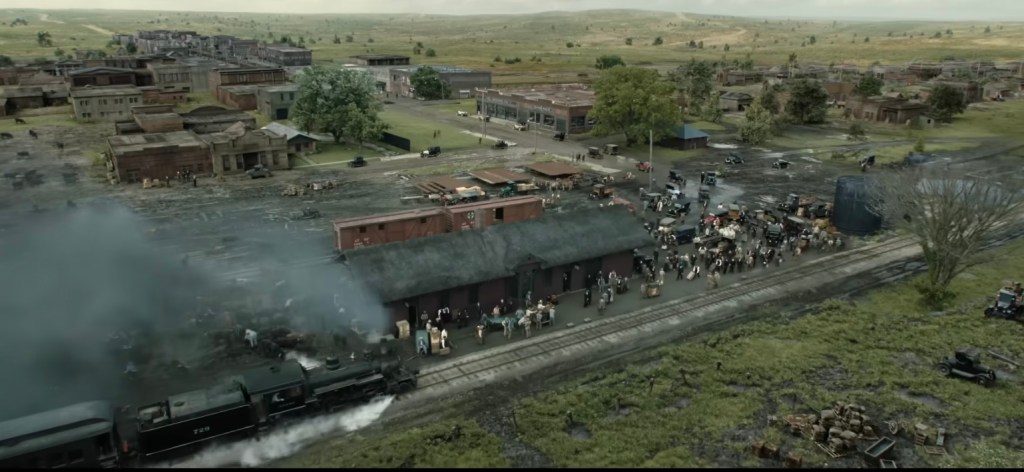
Killers of the Flower Moon is a crime drama epic set on an Osage reservation in Oklahoma during the 1920s, more than two decades before Congress established the Indian Claims Commission in 1946. Directed by Martin Scorsese, the film stars Hollywood icons Robert De Niro and Leonardo DiCaprio, alongside Native American actress Lily Gladstone.
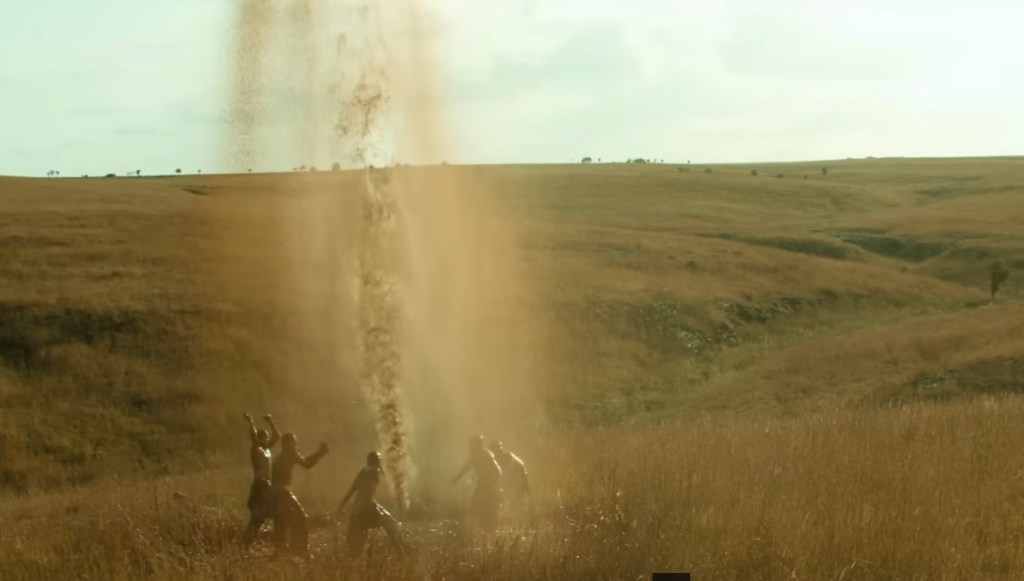
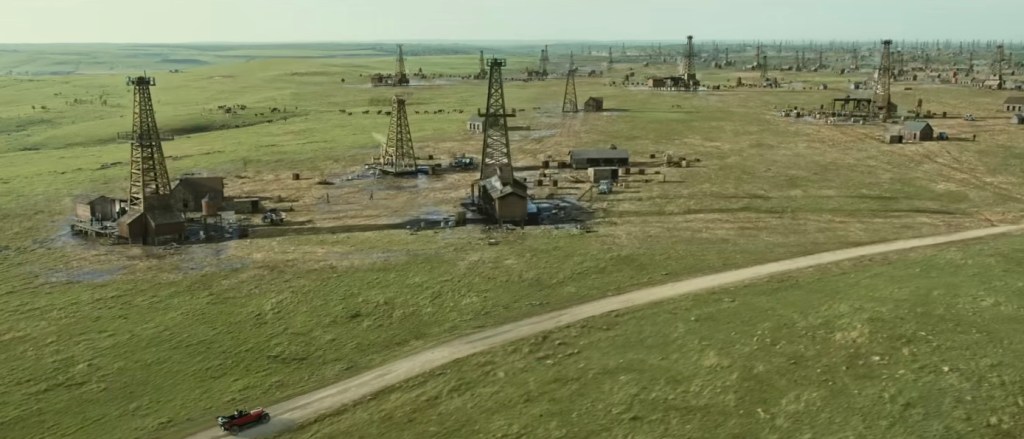
The story opens on the Osage Nation reservation, where many Indigenous people have achieved remarkable prosperity thanks to the oil gushing beneath their land. However, the government appoints white legal guardians to manage the Osage’s finances, deeming them incapable of handling their newfound wealth.
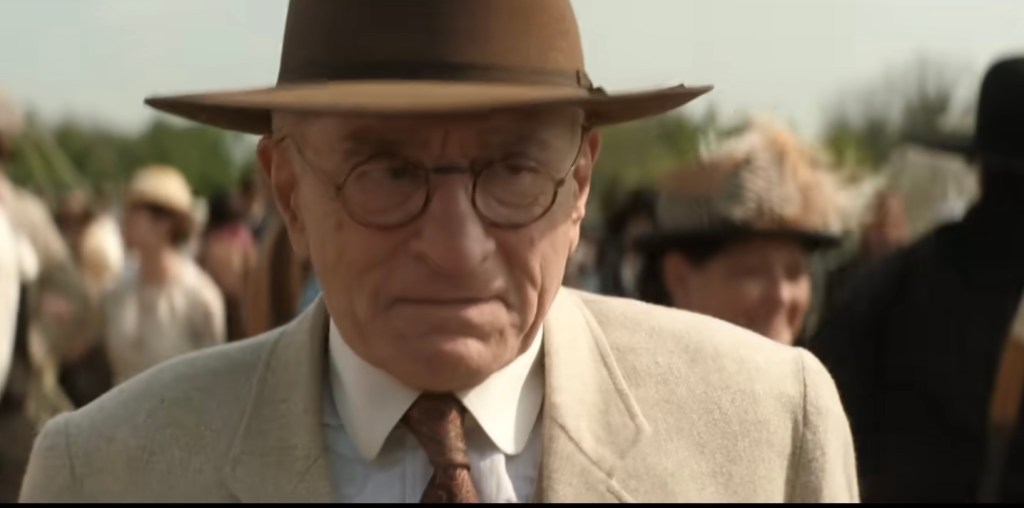
William King Hale (De Niro), a white cattle rancher and deputy sheriff, emerges as the most powerful and influential figure in the region. While masquerading as a sympathetic ally of the Osage, Hale secretly schemes to seize their land and wealth.
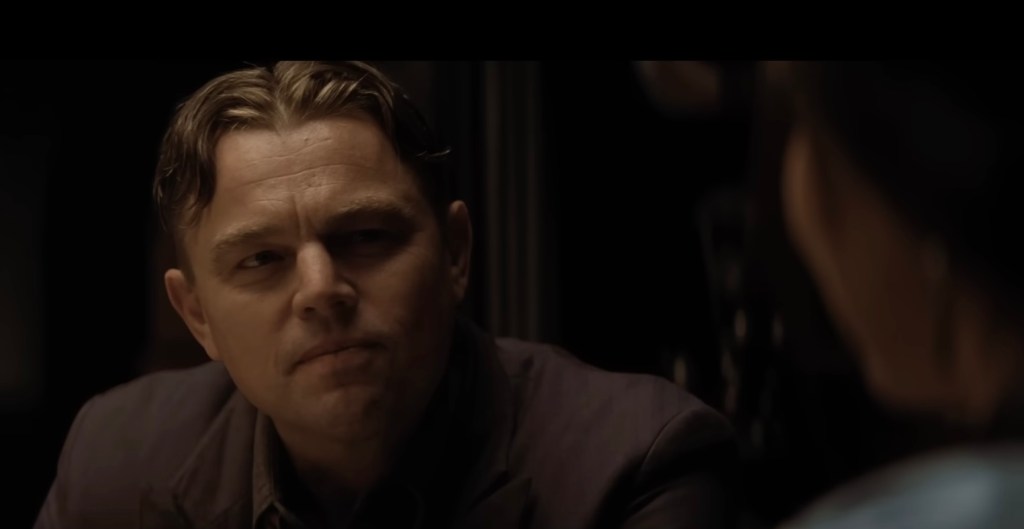
As mysterious deaths begin to plague the Osage, the local law enforcement turns a blind eye. During this time, Hale’s nephew, Ernest Burkhart (DiCaprio), a World War I veteran, comes to live with him. Burkhart becomes Hale’s unofficial deputy and, under his uncle’s orders, participates in the atrocities against the Osage.
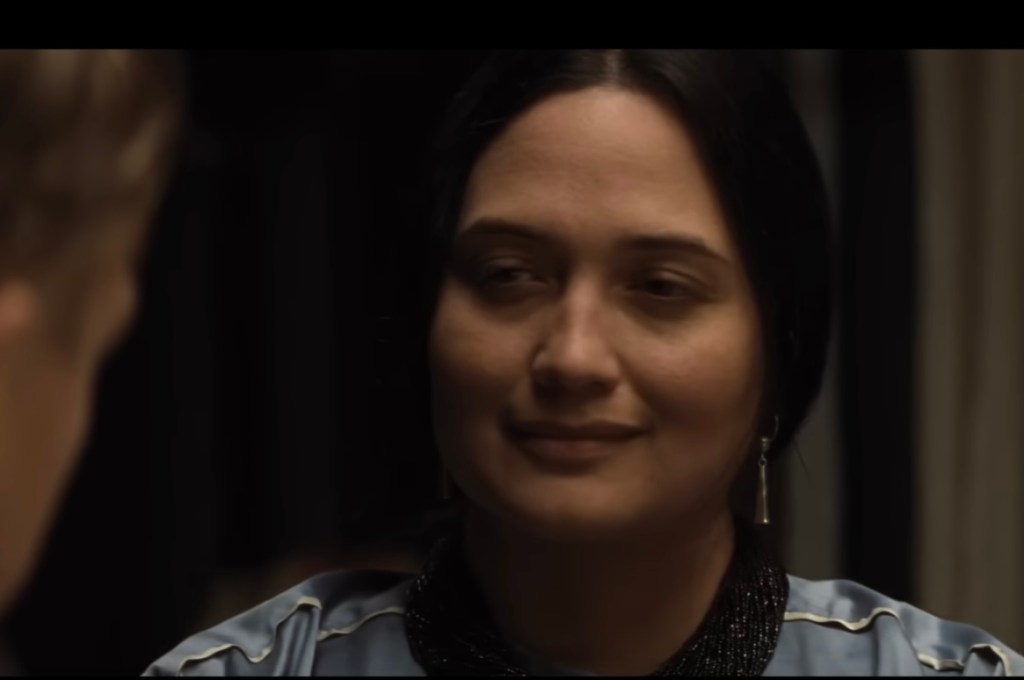
With Hale’s encouragement, Burkhart woos and marries Mollie Kyle (Gladstone), a wealthy Osage woman, as part of a plan to claim her fortune. At Hale’s urging, Burkhart targets Mollie’s immediate family, orchestrating the deaths of her mother and two sisters.
Outraged by the law’s inaction, the Osage tribe demands justice. Mollie hires a private investigator to uncover the truth behind her family’s murders, but he too meets a mysterious end.
As the death toll rises, Mollie becomes the sole survivor of her family. In desperation, she appeals to President Coolidge, pleading for federal intervention.
Shortly thereafter, Mollie falls gravely ill under suspicious circumstances. At this critical juncture, William J. Burns, an officer of the Bureau of Investigation (the precursor to the modern FBI), arrives at the reservation to lead an inquiry into the murders.
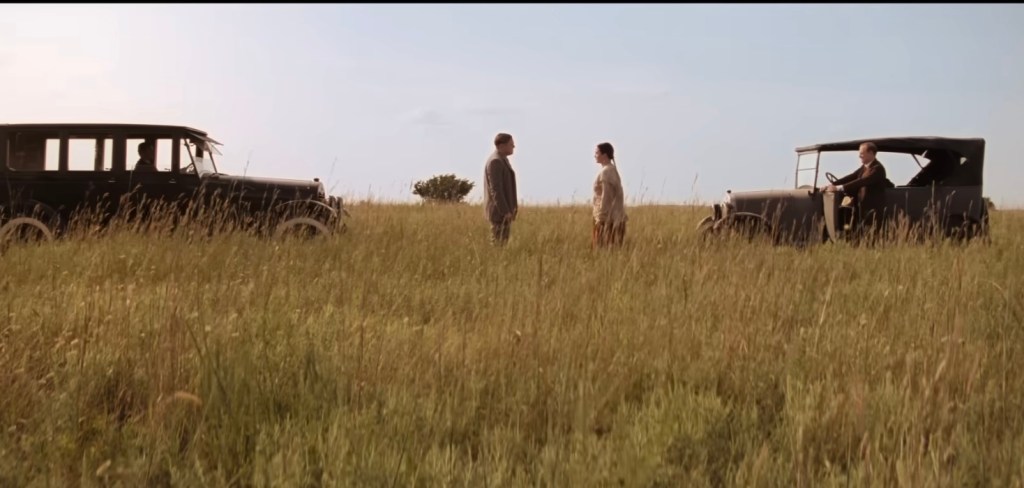
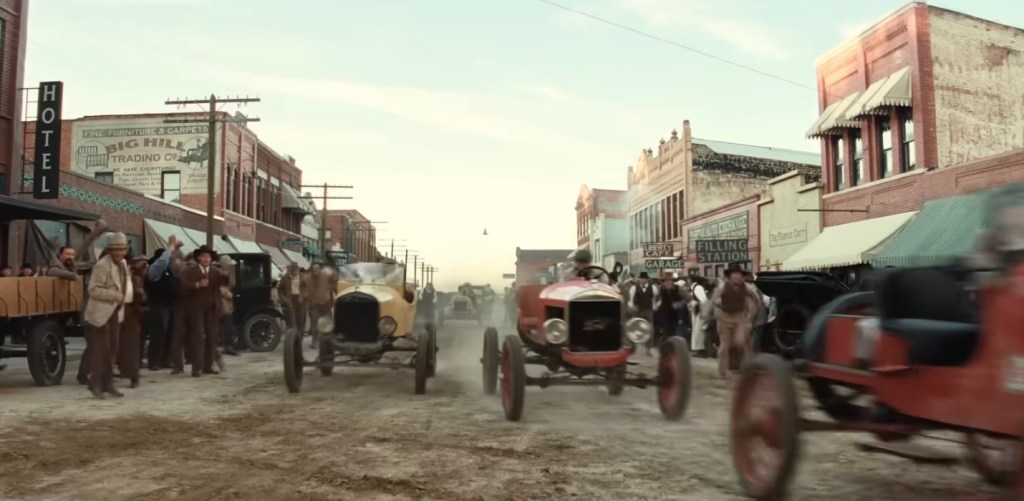
Can Mollie survive? Will Hale and Burkhart face justice? The film unravels these questions in a dark, riveting tale of deception, betrayal, exploitation, and murder. Killers of the Flower Moon is masterfully directed, with a sharp screenplay by Scorsese and Eric Roth. Rodrigo Prieto’s captivating cinematography enhances the experience, making the movie a visually immersive masterpiece.
De Niro delivers a chilling portrayal of the villainous Hale, whose benefactor image conceals a sinister, monstrous soul. DiCaprio embodies Ernest Burkhart, a rugged yet morally bankrupt opportunist, subservient to Hale and willing to exploit the vulnerable for personal gain.
However, the standout performance belongs to Lily Gladstone as Mollie, whose quiet resilience steals the spotlight. Gladstone’s portrayal captures the unbearable pain of a subjugated Osage woman trapped in a male-dominated world. Her innocent smile masks the grief of witnessing her people’s suffering and her family’s destruction. Despite her husband’s betrayal, Mollie strives to remain a devoted wife. This compelling performance earned Gladstone a well-deserved Academy Award nomination.
Praised by critics and audiences worldwide, Killers of the Flower Moon was nominated for ten Academy Awards, though it did not win any. It also received seven Golden Globe nominations and nine BAFTA nods. Hailed as one of the best films of 2023, Killers of the Flower Moon is an important historical drama based on real events and individuals. It serves as a stark reminder that the exploitation of Native Americans persisted well into the 20th century—and continues in various forms today.
This is a must-see film for movie lovers and history buffs alike.



 Bay Area Bloke