

Vinci Da is a classic Bengali noir thriller by Arindam Sil, featuring Rudranil Ghosh, Ritwick Chakraborty, and Sohini Sarkar in the lead roles. It is a gripping tale of a prosthetic expert who becomes entangled in a twisted scheme by a psychopath to enforce vigilante justice on those who have escaped the law.
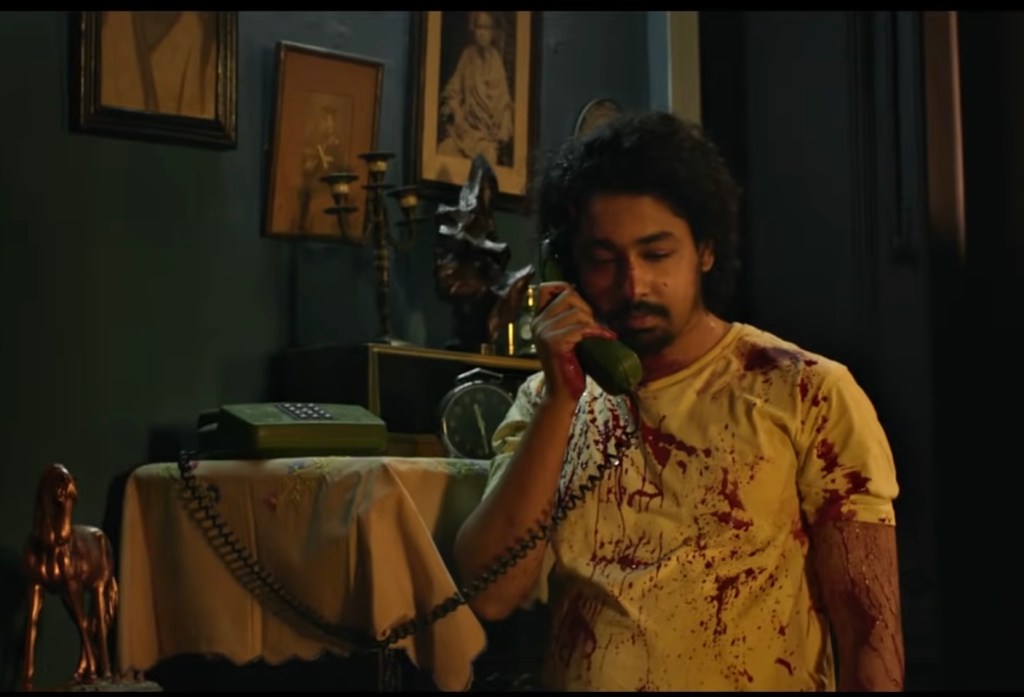
The movie opens with a young man, later revealed to be Adi Bose, mercilessly bludgeoning his father to death with a cricket bat after witnessing him abuse his mother. The young man calmly calls the police and confesses his crime.
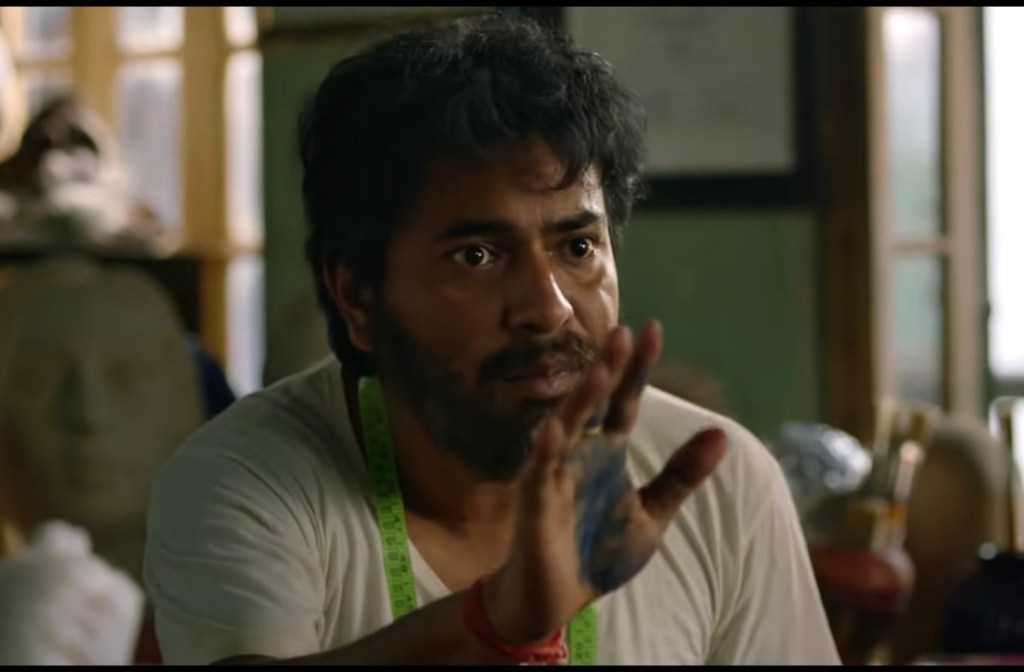
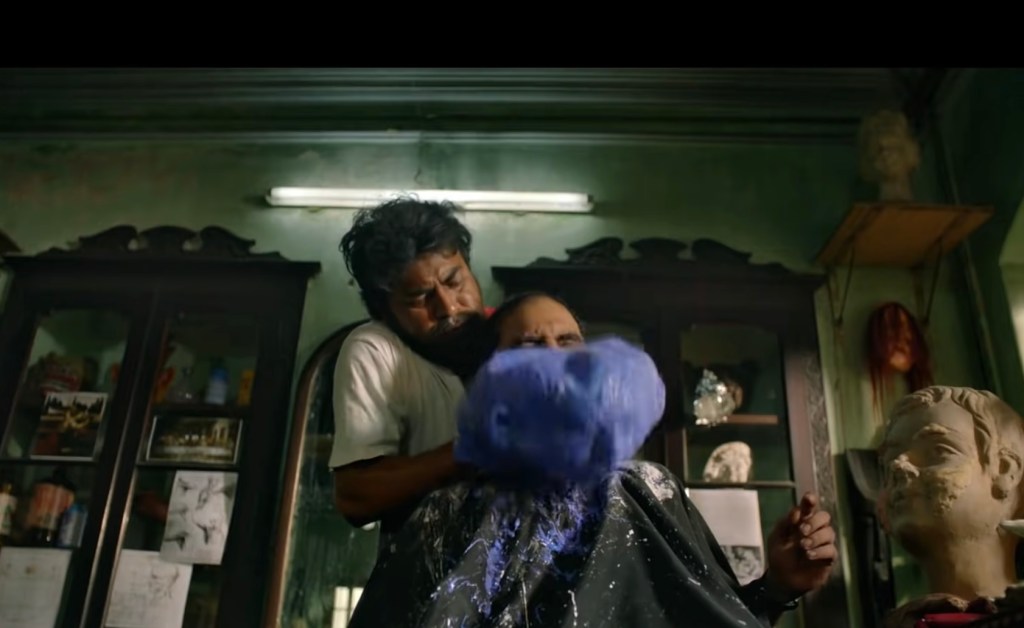
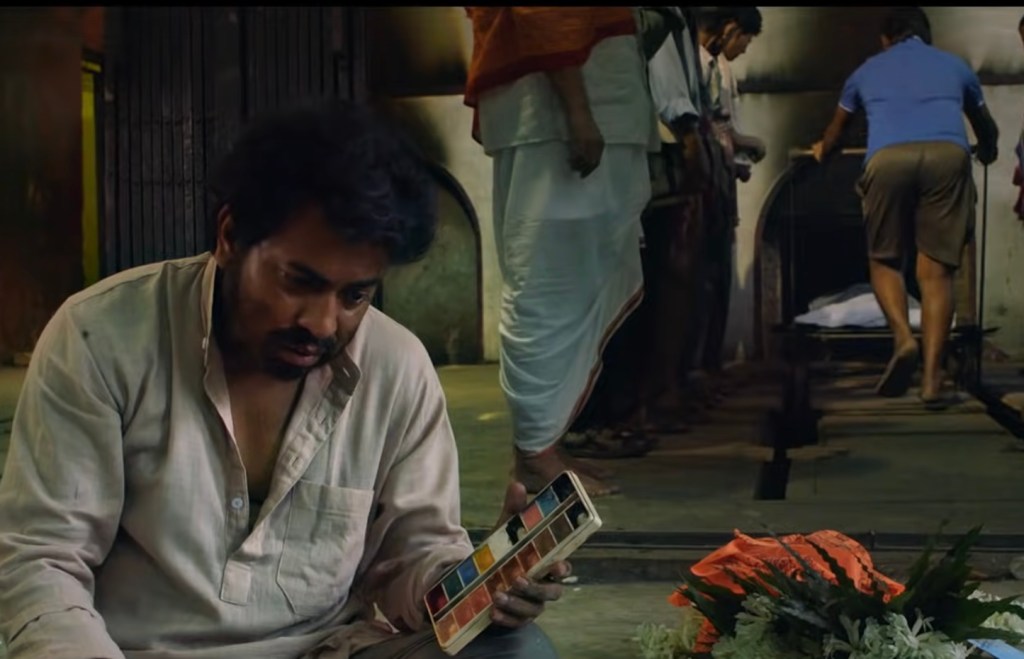
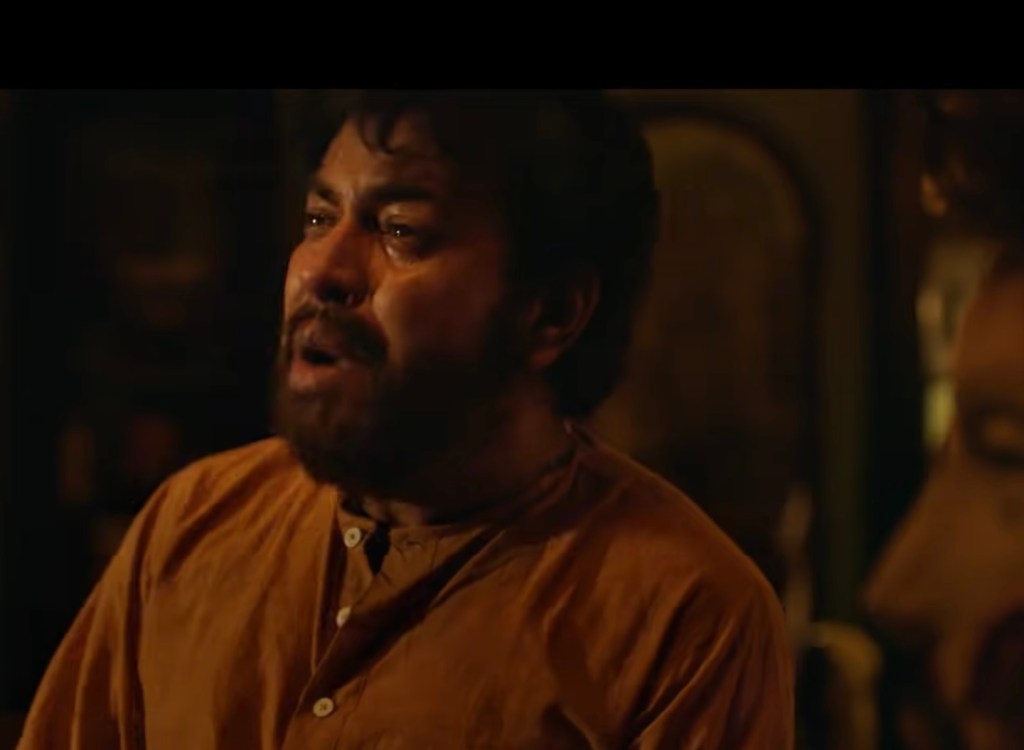
The scene then shifts to another young man, whose father is a reputed prosthetics expert working in the movie industry as a makeup artist. This young man (Rudranil Ghosh), trained by his father, seeks to follow in his late father’s footsteps and begin a career as a makeup artist. However, his passion for his craft becomes a detriment, as he is unwilling to compromise and bow to the demands of movie makers. Unable to gain employment in the movie industry, he spends his time doing makeup for performers in children’s plays.
Bengal is one of the most literate states in India, and Bengalis pride themselves on their intellect. This is evident in the movie when the young man defends Leonardo Da Vinci as the greatest artist who ever lived, against two educated intellectuals. One of the men responds by christening the young man “Vinci Da.” The young man adopts this name as his own.
The love of his life and his only confidant is a girl, Jaya (Sohini Sarkar), who lives with her family in the same neighborhood. Jaya has a stutter, and as a result of her speech impediment, her parents cannot find her a suitor. Jaya and Vinci Da begin a clandestine romantic relationship without her parents’ knowledge.
Meanwhile, Adi Bose (Ritwick Chakraborty) is released from prison. It is revealed that although he saved his mother from her abusive husband, she was afraid of Adi’s psychotic behavior and abandoned him.
Adi, who once had ambitions of becoming an attorney, has now taken to a life of crime. Through self-study, Adi has also become an expert on criminal law. Elsewhere, Shyam Sundar Jaiswal, a businessman indicted on corruption charges and embezzling his clients’ money, is found not guilty, thanks to his well-paid lawyers.
Posing as a moviemaker, Adi Bose approaches Vinci Da, claiming that his next movie will be a biography on Jaiswal. Adi wants Vinci Da to make him a mask that duplicates Jaiswal’s face.
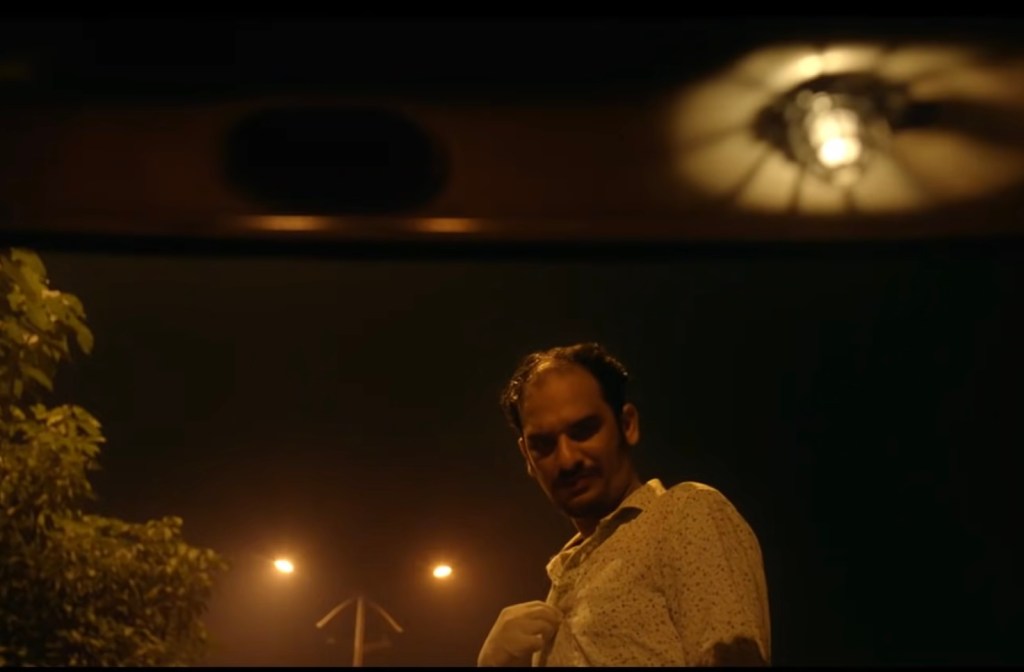
Unwittingly, Vinci Da falls into Adi’s trap and is horrified to learn that Adi robbed a bank wearing the mask and impersonating Jaiswal. During the robbery, Adi shot and killed a policeman.
Vinci Da expresses his shock to Adi, who convinces Vinci that he is helping society by eliminating evildoers who have escaped the law. About the policeman he killed, Adi claims that he was part of the “collateral damage” during his act of service to society. Adi considers himself an Übermensch, a concept of the superhuman conceived by Nietzsche, who is not bound by societal norms. Here again, the Bengali propensity for intellectualism is visible.
My readers will note that the movies “Rope” and “Compulsion” were also centered on this Niche archtype of the superhuman. Adi’s next target is the spoiled, entitled son of a rich man. This individual had driven under the influence and killed some homeless people. Using powerful lawyers, his father helped him evade the law.
Adi Bose incapacitates the young man, takes possession of his car, and then wantonly drives over three people sleeping on the curb. He ensures that his act is captured by a nearby CCTV, thus implicating the young man.
A disgusted and devastated Vinci Da wants to break out of his arrangement with Adi, but Adi blackmails him, threatening to tell the police that Vinci Da was the mastermind behind his own murders. With no option left, Vinci Da has to comply.
Vinci Da next targets a rapist who has been acquitted of his crime. However, this time the “collateral damage” from this venture will strike Vinci Da closer to home. Seething with anger, Vinci Da now wants vengeance.
Can Vinci Da, a mere makeup artist, match his will against a seasoned psychopath who knows the law? Can he gain vengeance on Bose for the “collateral damage”? The rest of the plot answers these questions.
Rudranil Ghosh performs dexterously as Vinci Da, the protagonist, a passionate and committed makeup artist who unwittingly gets ensnared in Adi Bose’s deadly trap. Sohini Sarkar plays the lovely Jaya, who stands by and supports her lover, Vinci Da. The romantic onscreen chemistry between Ghosh and Sarkar is subtle, sweet, and delightful.
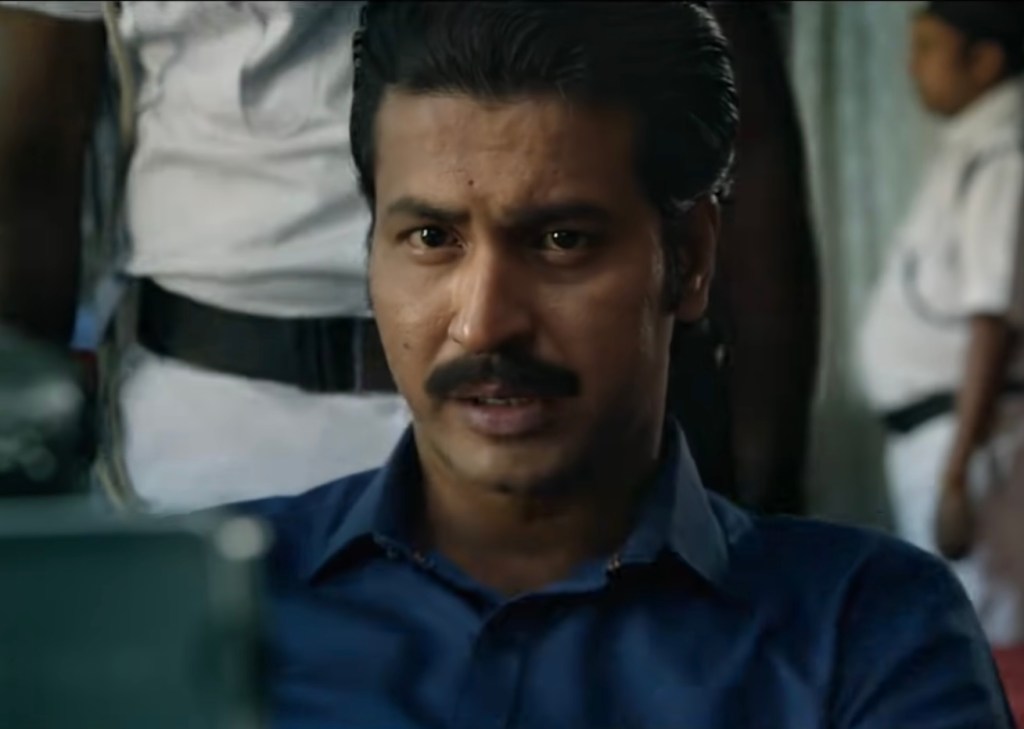
However, it is Ritwick Chakraborty who steals the show with his performance as the evil psychopath Adi Bose. There are memorable scenes with Ritwick, who flashes his diabolical smile each time Vinci Da confronts him about the crimes. One standout scene is when he recites the charges before a cop can list each crime that will be filed against the young spoiled rich scion Adi helped implicate.
The camera work is slick, keeping up with the fast pace of the screenplay. Vinci Da is by no means a perfect movie. While the plot is unique, it is predictable and implausible. However, strong performances and a fast-paced storyline keep the viewer engrossed throughout. This classic thriller is indeed worth watching.
Finally, I have a plea to my readers: please avoid watching “Ravanasura,” the so-called Telugu remake of this movie. “Ravanasura” borrows a few elements from Vinci Da and is a dramatic commercial monstrosity that is not worth watching, especially for lovers of quality movies. It is nowhere close to this well-made thriller.











 Bay Area Bloke