
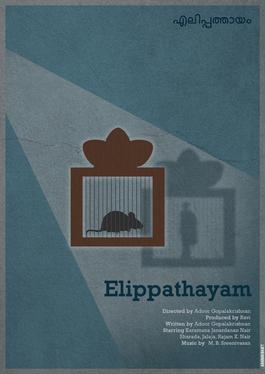
Today, we will look at a masterpiece from Malayalam cinema, an all-time classic art house film by acclaimed director Adoor Gopalakrishnan. It is a slow-moving tale of indifference and avoidance in a world that is rapidly evolving.
The plot is set perhaps in the 60s, a decade or more after India gained her independence from the British. It is a time when the long-established feudal system in India, where landlords ruled over their holdings and all their workers as autocrats, was slowly losing its grip to a modern world.
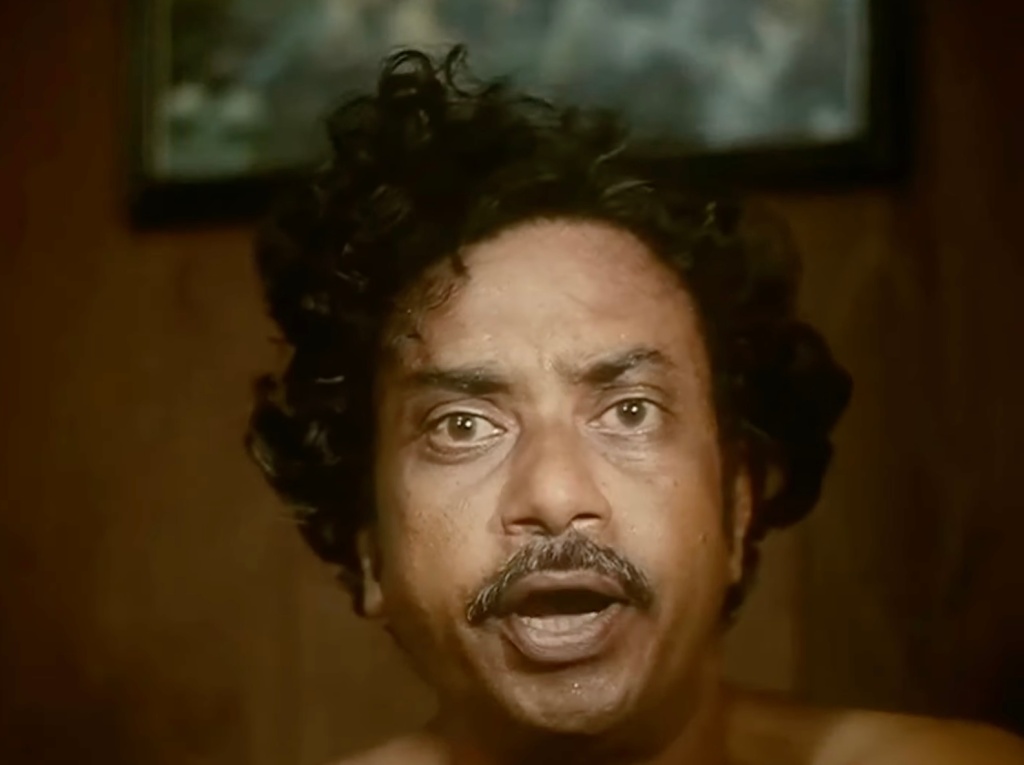
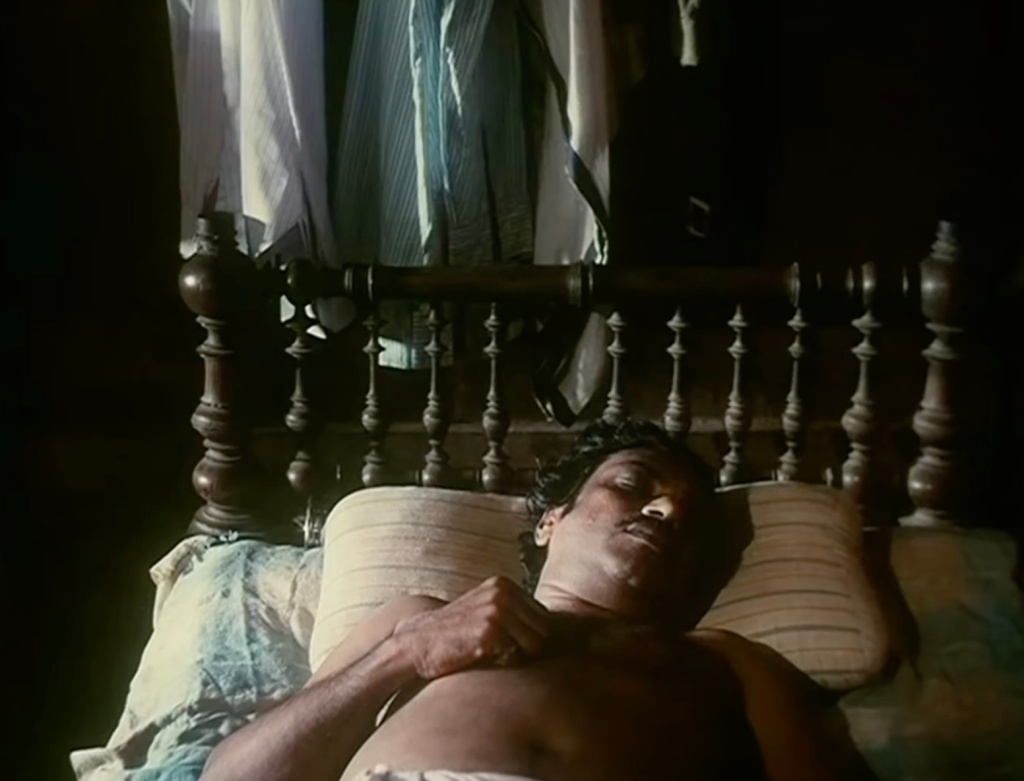
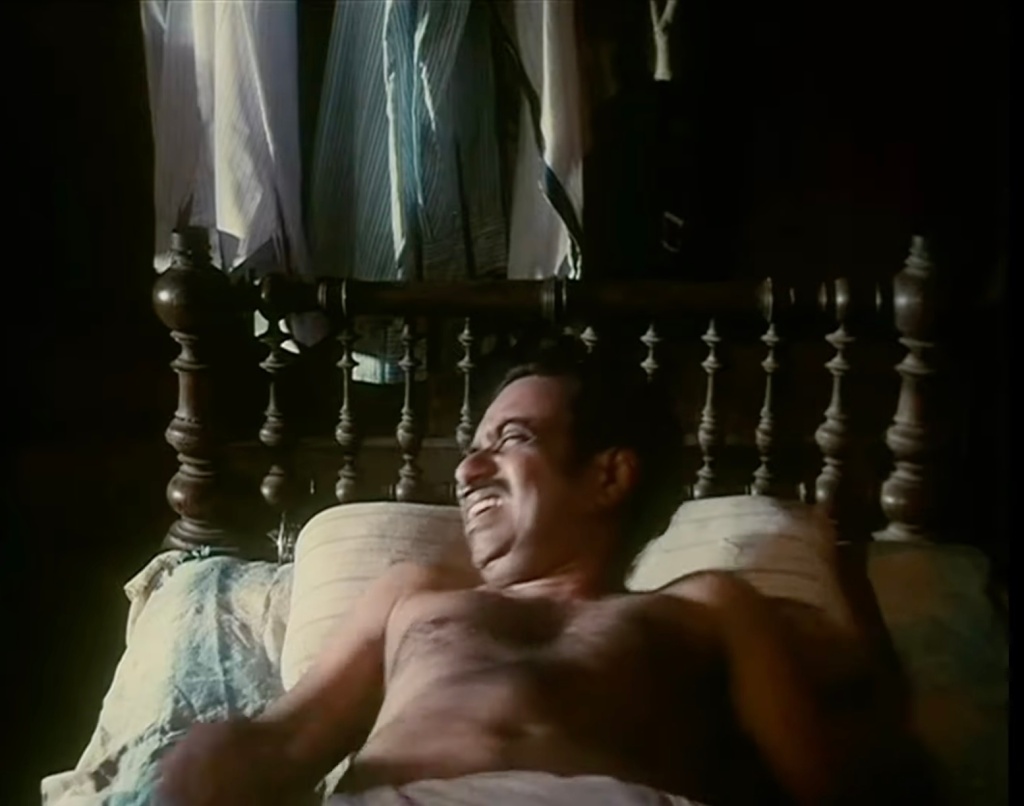
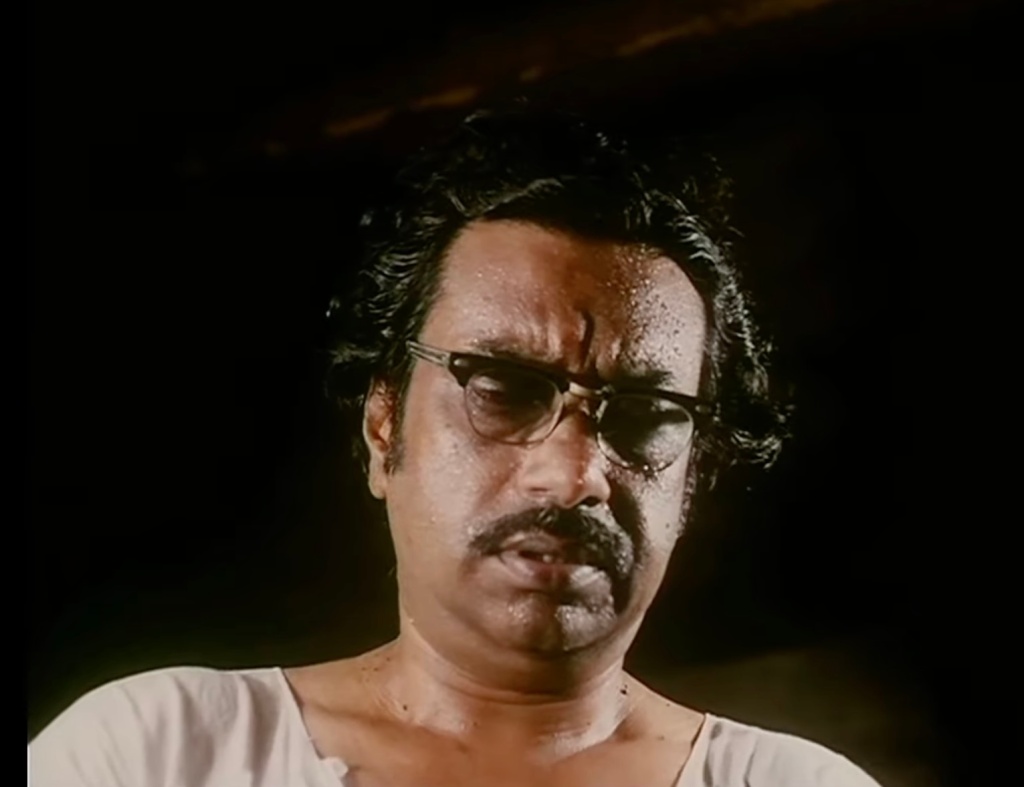
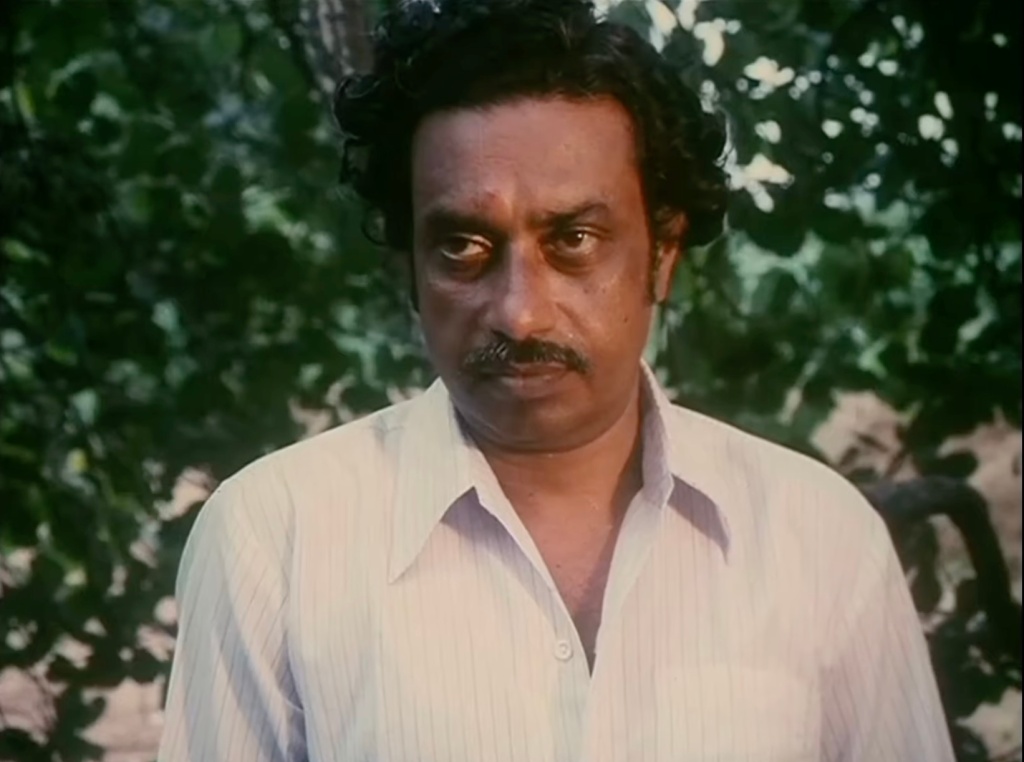
Unni (Karamana Janardanan Nair), the middle-aged male scion of such a feudal family, lives with his two sisters, Rajamma (Sharada) and Sreedevi (Jalaja), in a large ancestral home. Norms of the male-dominated society have established Unni as the uncrowned lord of his home, though he does not have the personality to go with it.
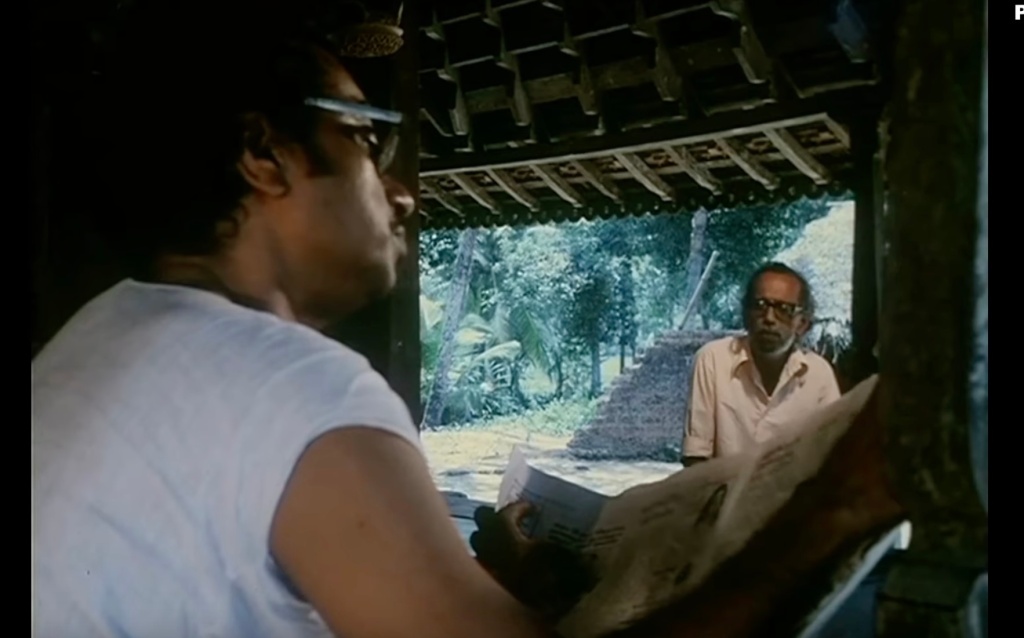
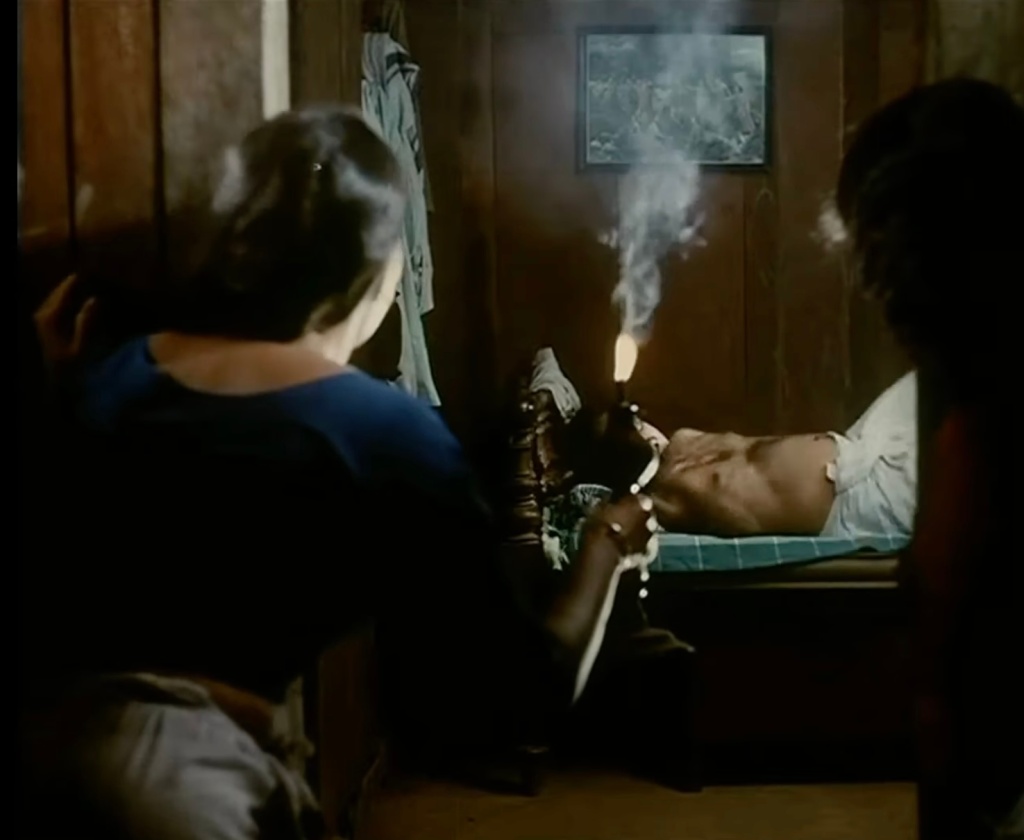
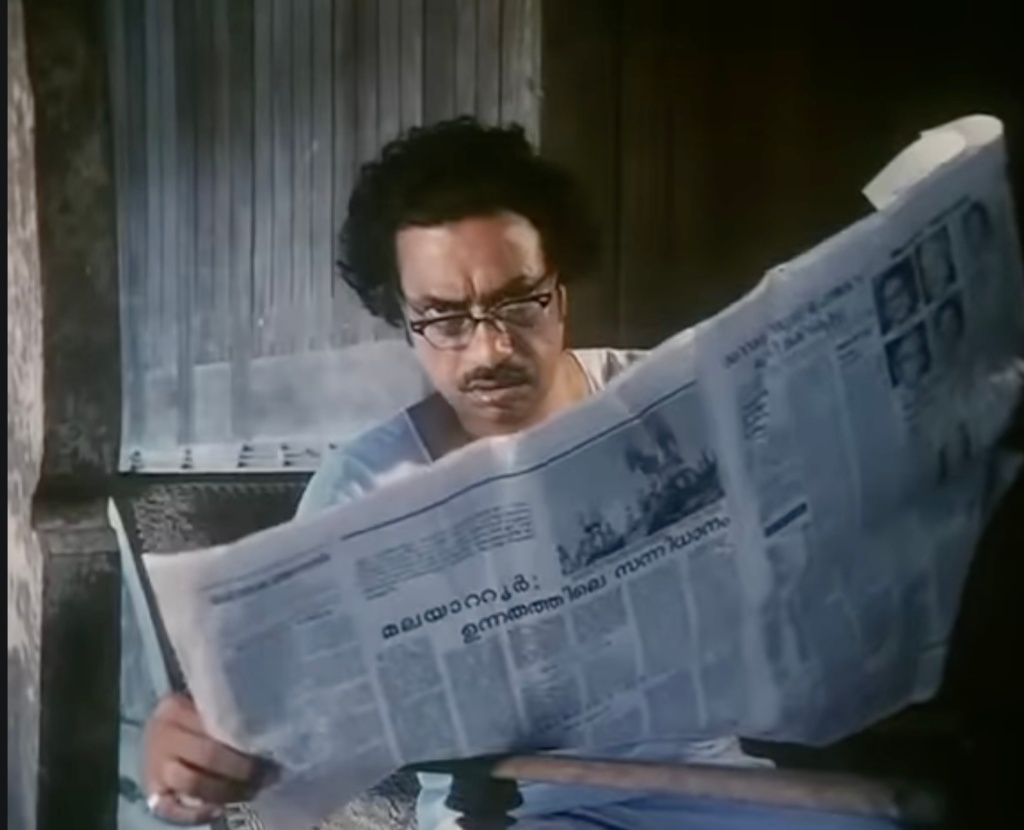
Over the years, Unni has led a sedentary life, spending most of his time on an easy chair in his porch, sometimes reading the newspaper. He has grown accustomed to doing nothing, except for a morning bath with hot water at a specific temperature, prepared by Rajamma, and then proceeding to apply oil on his body with extreme care. When Rajamma once suggests that he should bathe in a nearby pond, which is a customary habit for some even today, he refuses, saying that he may get cold and become ill.
He is self-centered and conditioned with learned helplessness and is terrified of getting off his chair and working on anything that requires the slightest effort. When a shallow puddle of water appears in his path, he simply turns away. Luckily for him, a neighbor manages his estate’s coconut trees and crops.
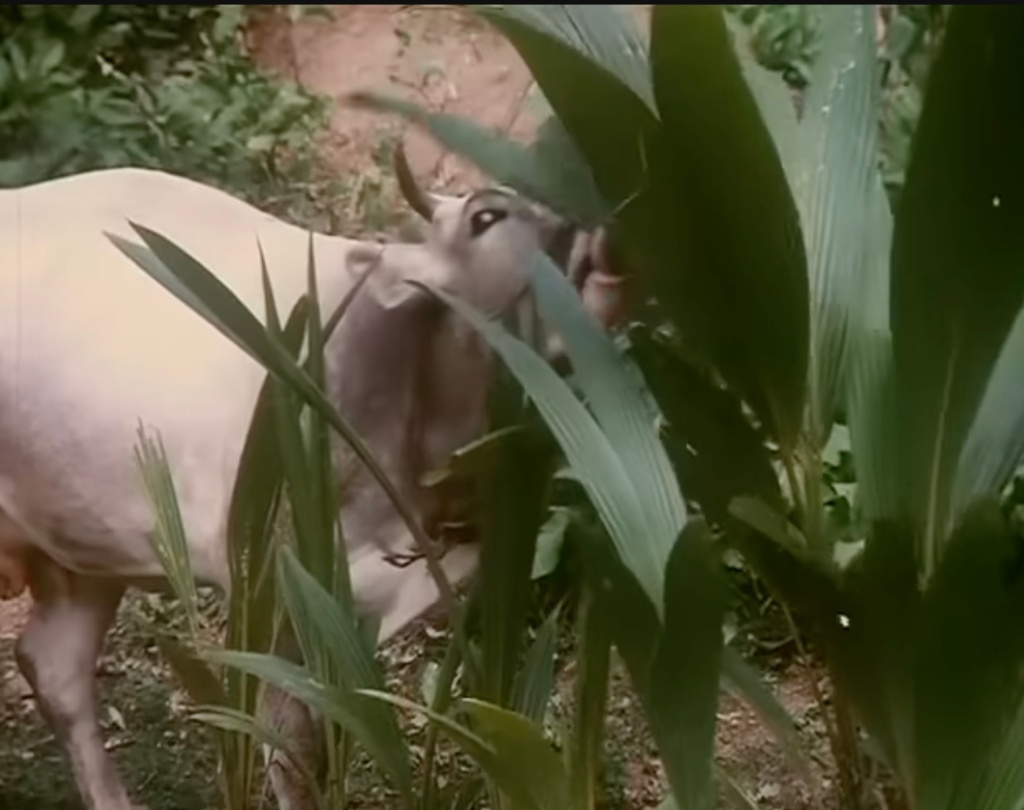
When a cow comes into his yard and eats his plants, he stays seated, trying to shoo it away with mild words. When a relative suggests a prospective groom for Rajamma, he fakes anger, possibly not wanting to get involved with all the effort that comes with planning a wedding.
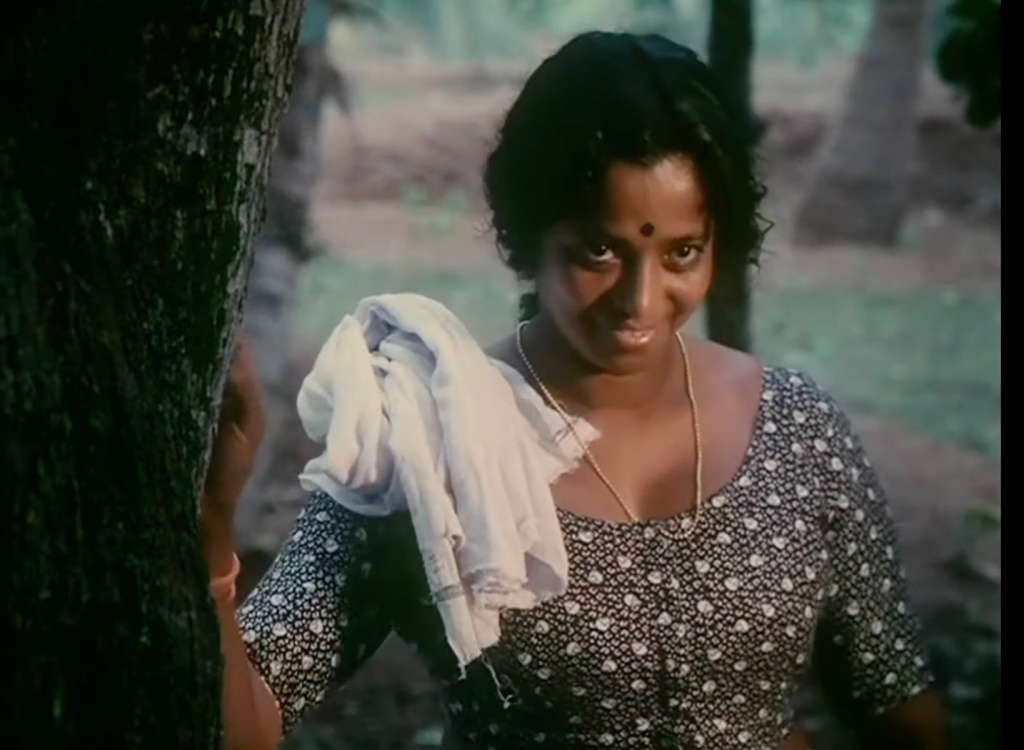
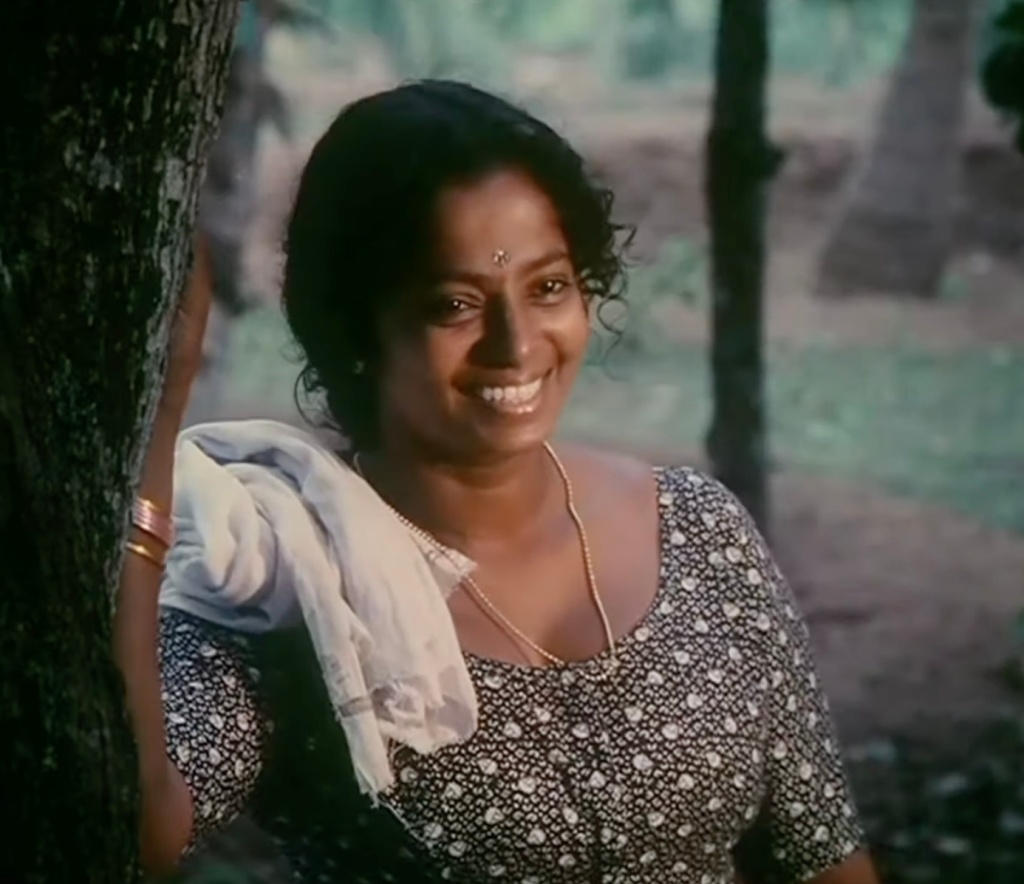
He often has nightmares of being bitten by rats. When one of the female workers attempts to seduce Unni with sexual innuendo, Unni reacts nervously, unable to handle the situation. When thieves steal coconuts from his estate, he is too afraid to step outside and confront them.
The large mansion, with its old intricately carved doors, is remarkably spartan except for some pieces of antique furniture and lamps that have been in the house for decades and possibly centuries. It is dark and dingy and infested with rats. The family lives a frugal, simple life, eating seated on the floor and having no servants to help with daily chores. One can imagine a time in the past when the house was possibly bustling with activity, occupied by people, young and old, and a handful of workers to do the grunt work.
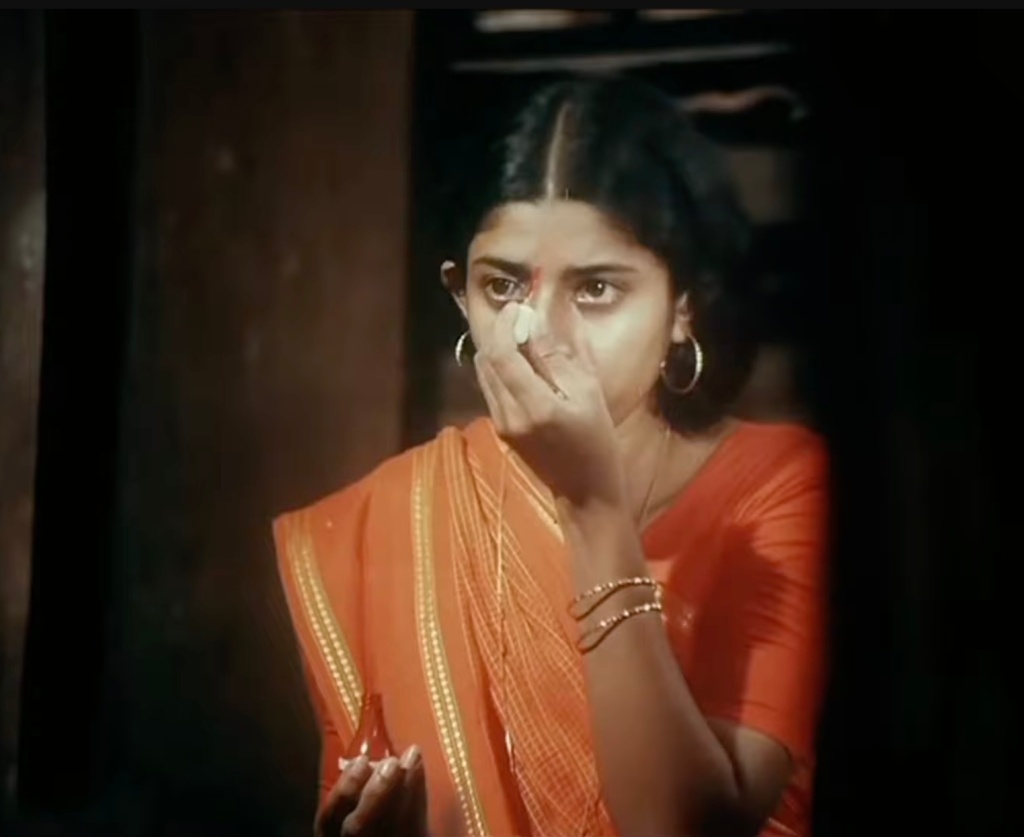
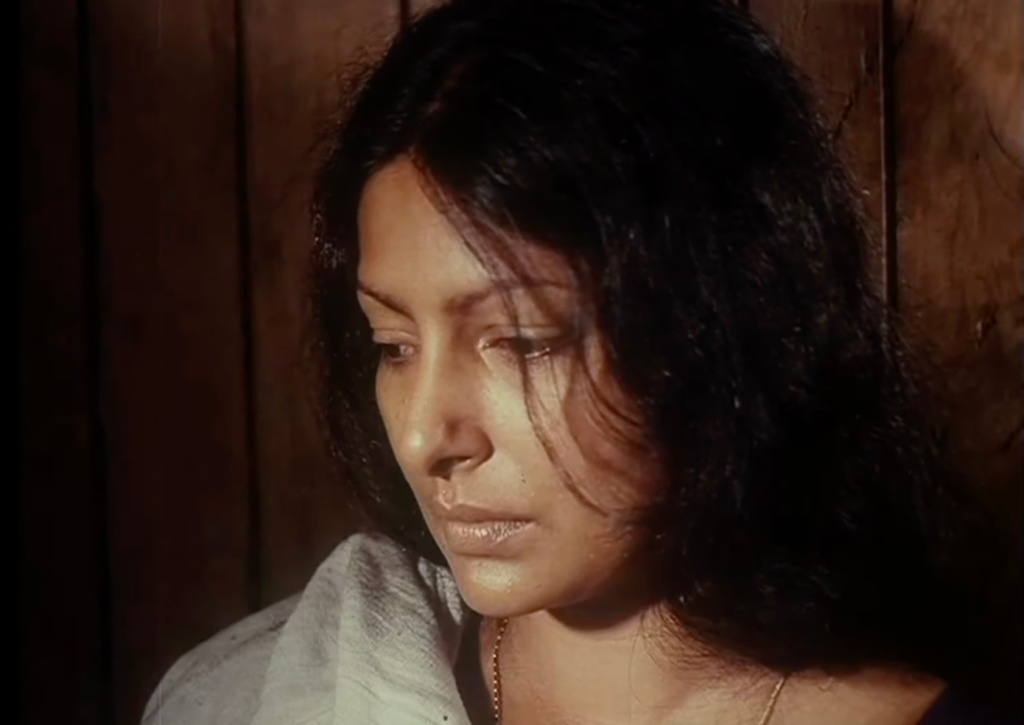
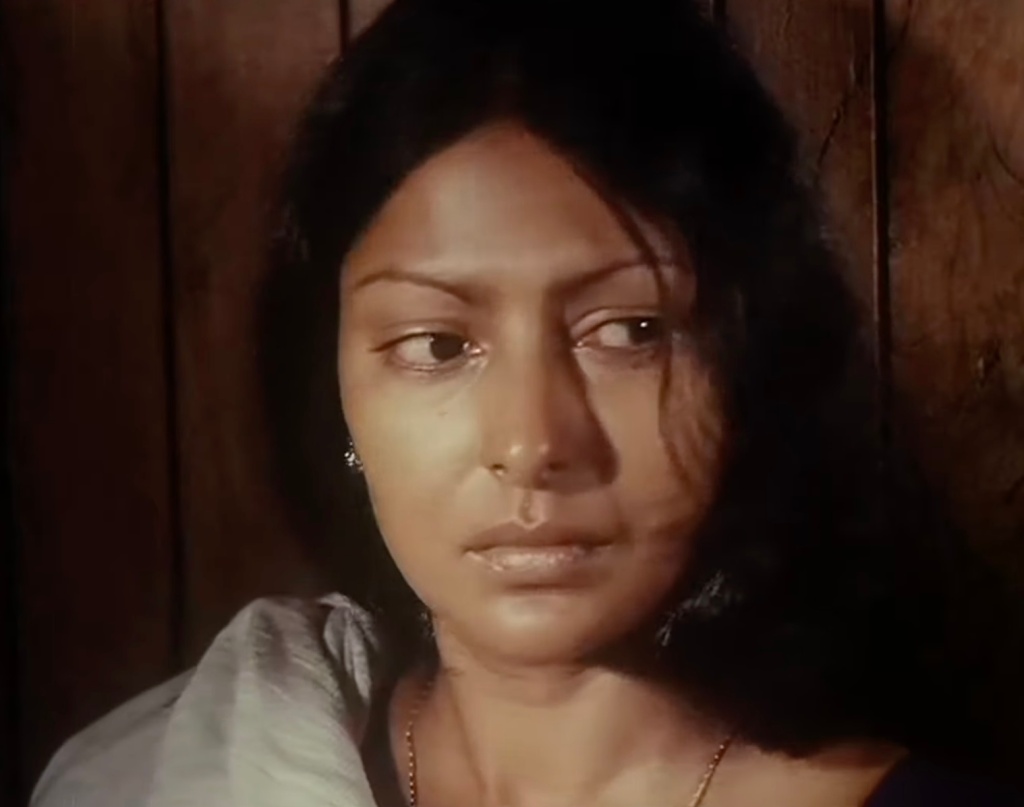
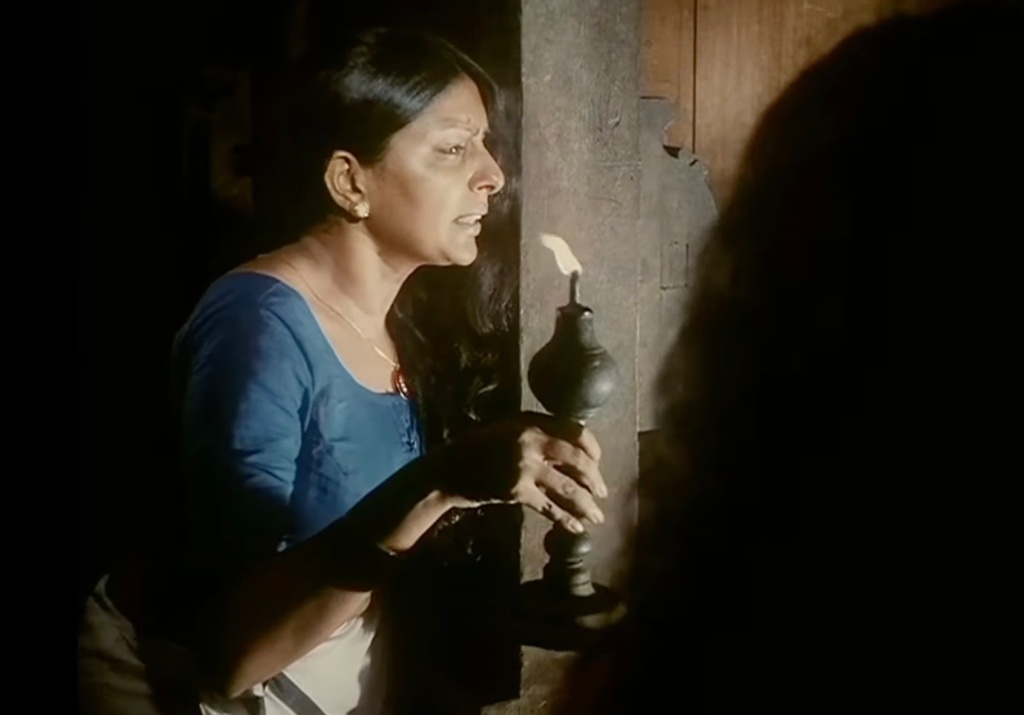
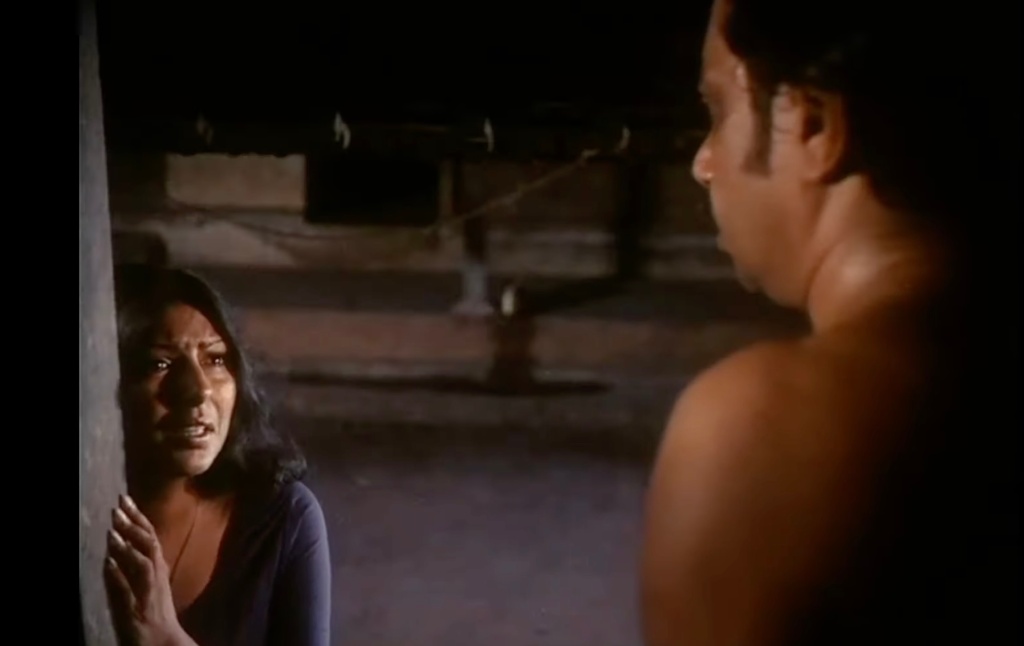
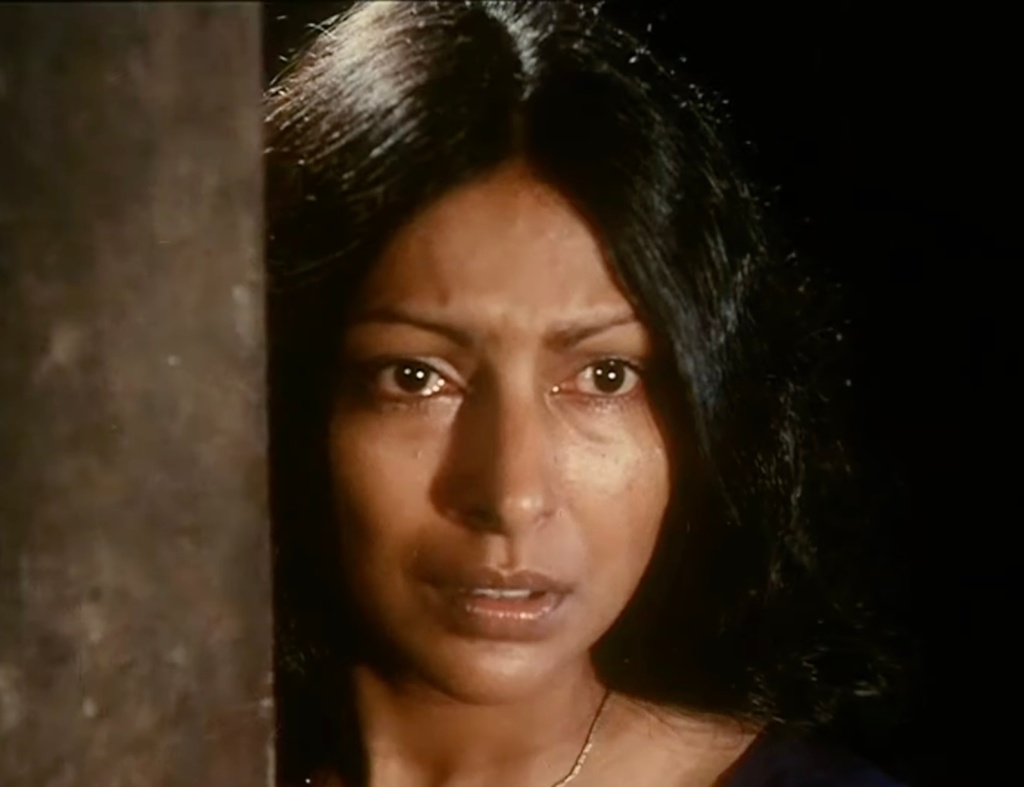
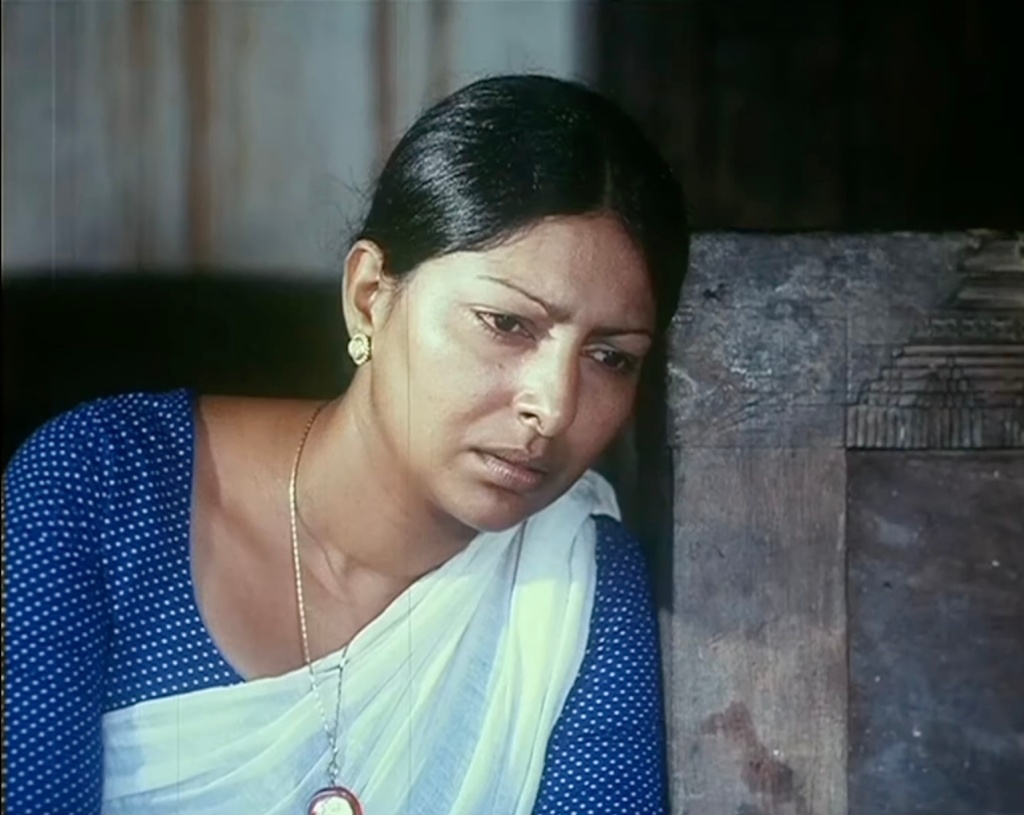
Most of the cleaning and cooking now is performed by Rajamma, the older sister. Rajamma is a disillusioned soul who has lived in the depressing surroundings and has resigned herself to her fate. She rarely smiles, a skill that her face seems to have forgotten. She is also overworked, doing all she can to maintain the house and cook for everyone.
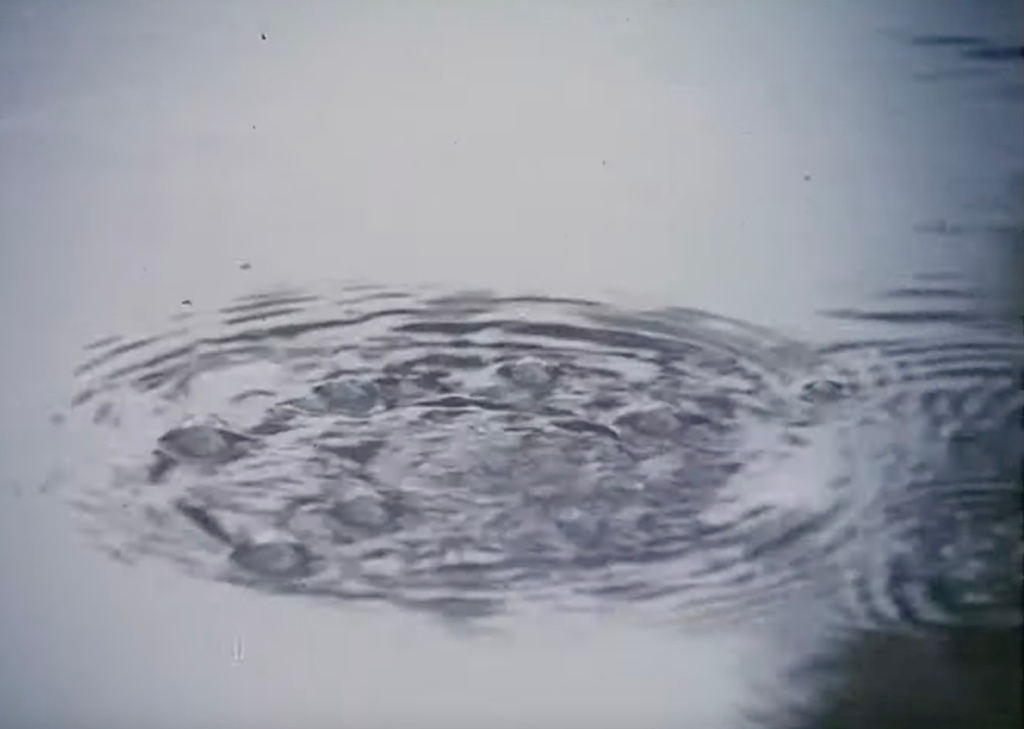
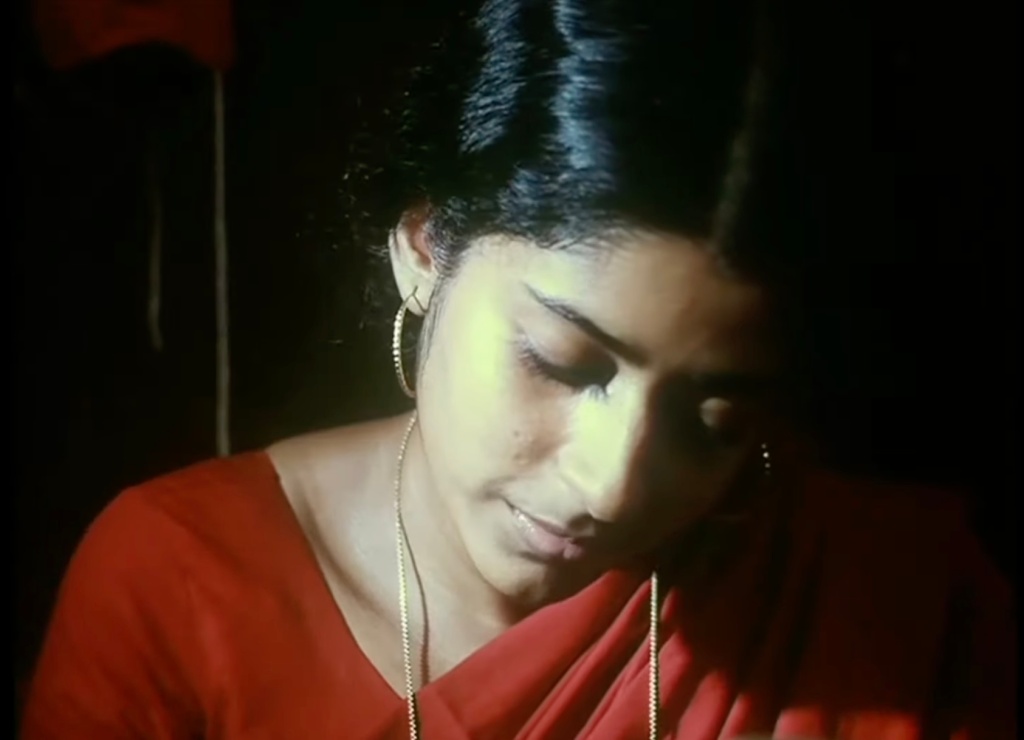
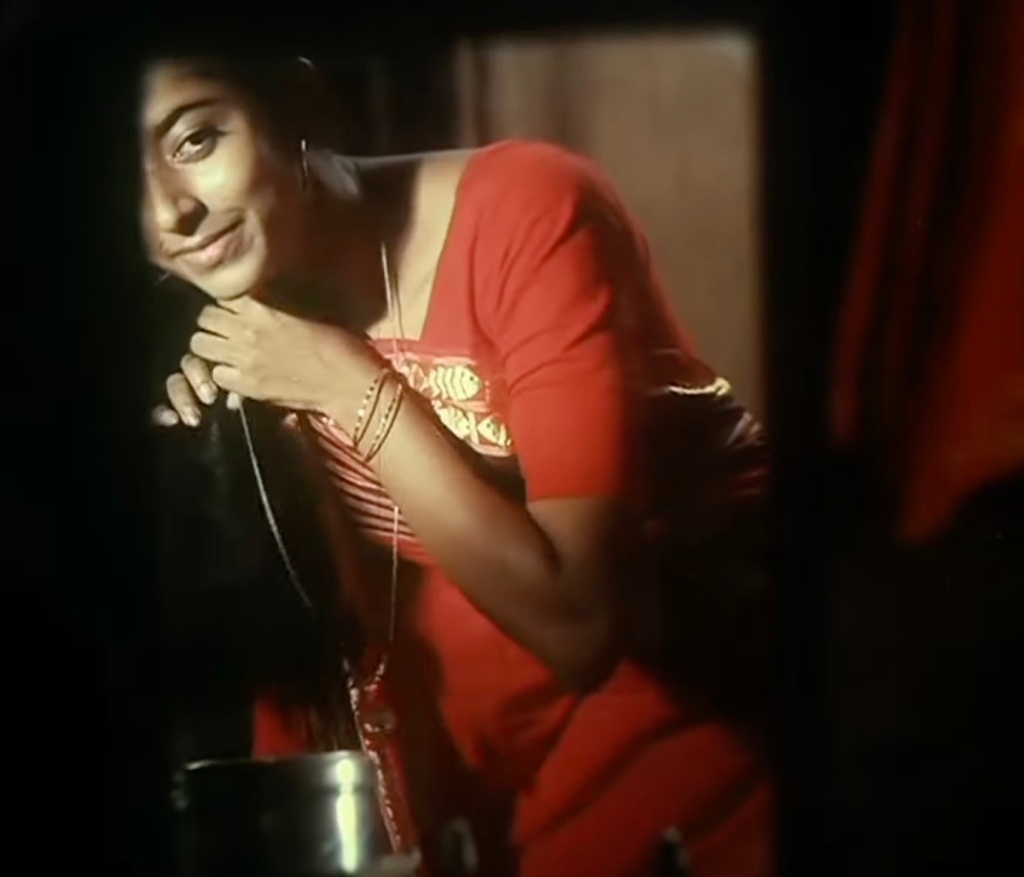
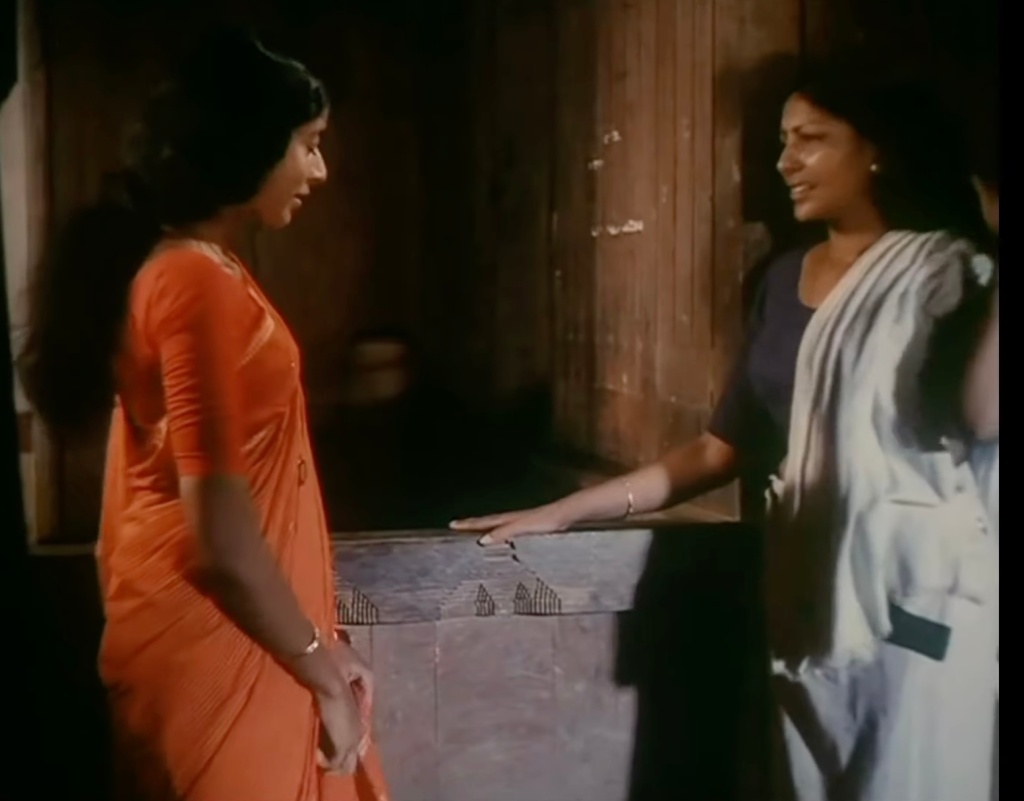
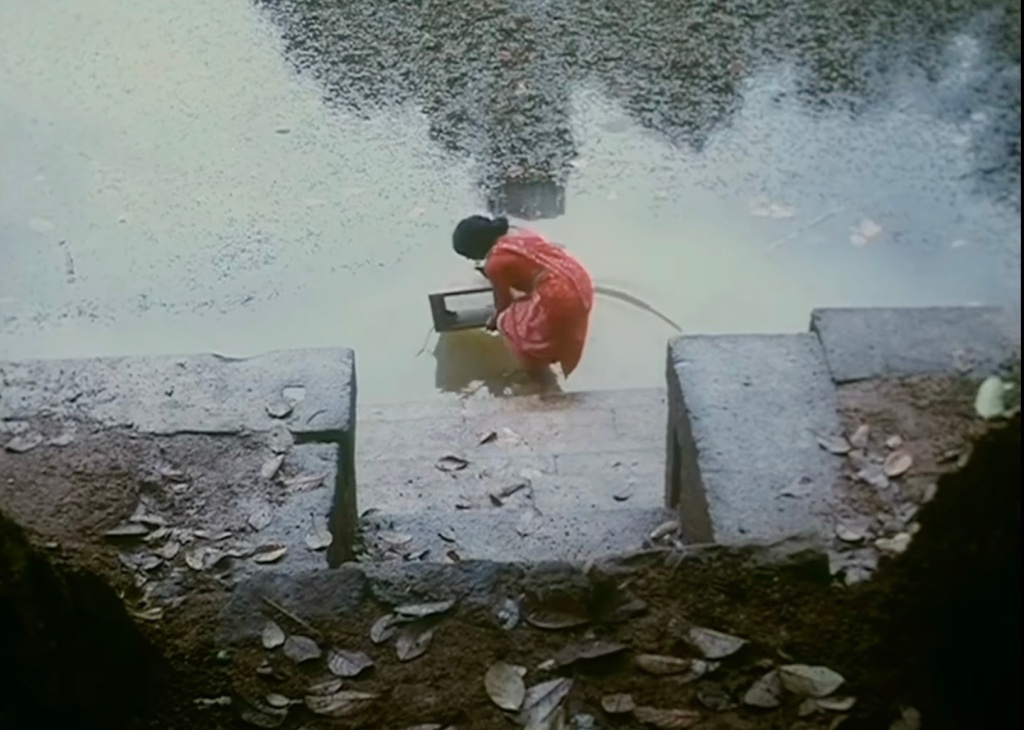
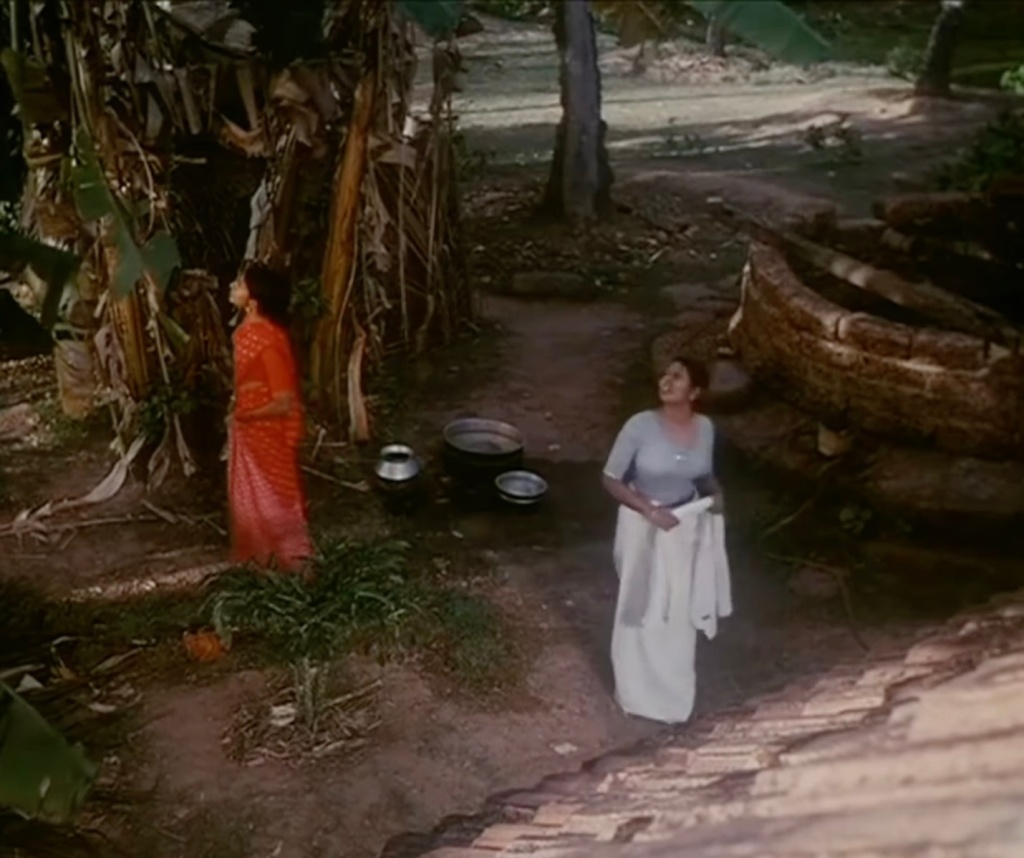
Sridevi, Unni’s younger sister, is bubbly and happy-go-lucky, and experience has not yet destroyed her optimism. She is always looking for a way to smile, for instance, when her brother wakes up from his ‘rat’ nightmare. Every night, she sets a trap to capture one of the rats residing in their home. In the mornings, if a rat is trapped, she takes the trap with the rat to a nearby pond and submerges it, drowning the creature.
On one occasion, she tries to elicit a smile from Rajamma by gossiping about a handsome professor at her college. Unfortunately, Rajamma listens to her banter but cannot bring herself to smile.
Soon, Unni’s third sister, Janamma, who is married and lives separately, comes to stay at his house with her son. At this time, Rajamma falls sick, possibly from exhaustion. Janamma, the only person who can stand up to Unni, firmly tells him that he has to wait to get his meal.
When Janamma prepares dinner, Unni is upset as he does not like her cooking. However, this makes little change in Unni’s ways, as he turns a blind eye when he sees his nephew smoking and later flirting with his seductive worker.
Janamma soon reveals the reason for her visit. She wants her share of the property to support her own family. Unni again is indifferent to her demands.
Soon there will be consequences for Unni’s actions, or lack thereof, not just for Unni but for all his sisters as well. Fate will hand each of these individuals a different destiny.
‘The Rat Trap’ is not a movie for everyone. Its plot, like Unni, ambles along and sometimes even stagnates. For contemporary viewers, sitting through this movie may not be easy. For them, particularly the non-native Malayalam viewers, with due apologies to Mr. Gopalakrishnan, I would recommend watching this movie at a faster playing speed. This does not take away from the movie or its message.
An ingenious aspect of the movie is its message. I have included an interview with Adoor Gopalakrishnan in the references below, which I encourage prospective viewers of the movie to watch, to gather insights on his motivations.
In it, he describes how even international moviegoers told him that they had seen some react with indifference like Unni, in the face of impending change. The cinematography of the movie is also impressive, whether it is the dark interiors of the sun-deprived mansion or the greenery outside.
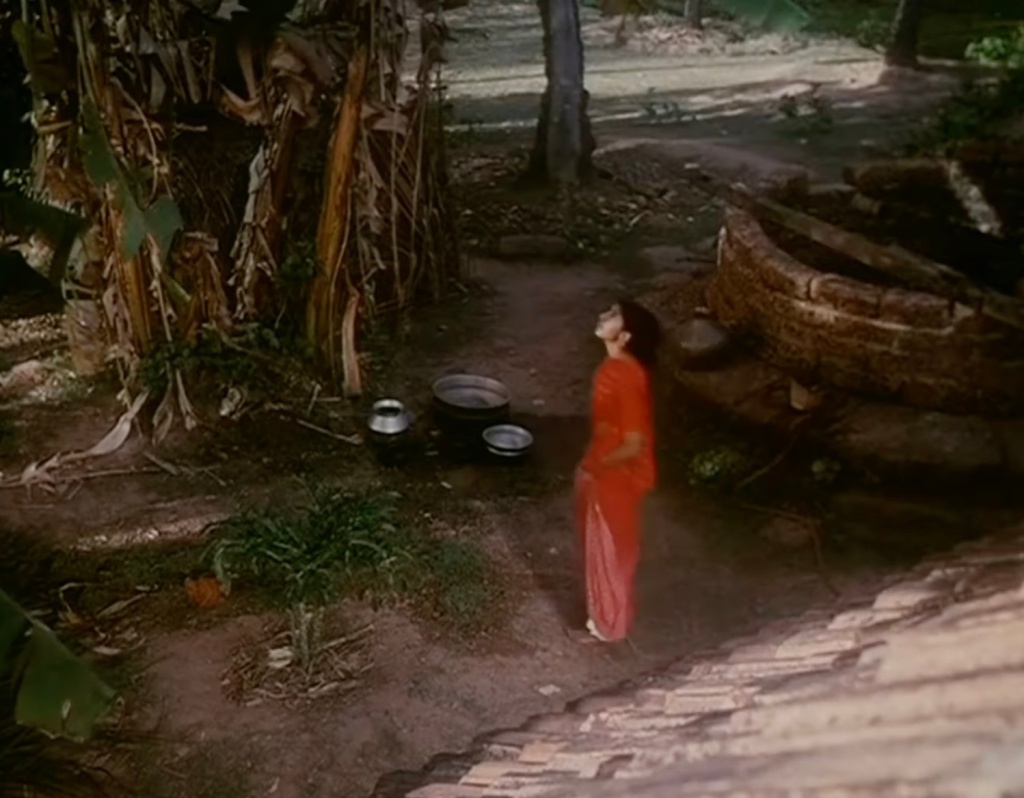
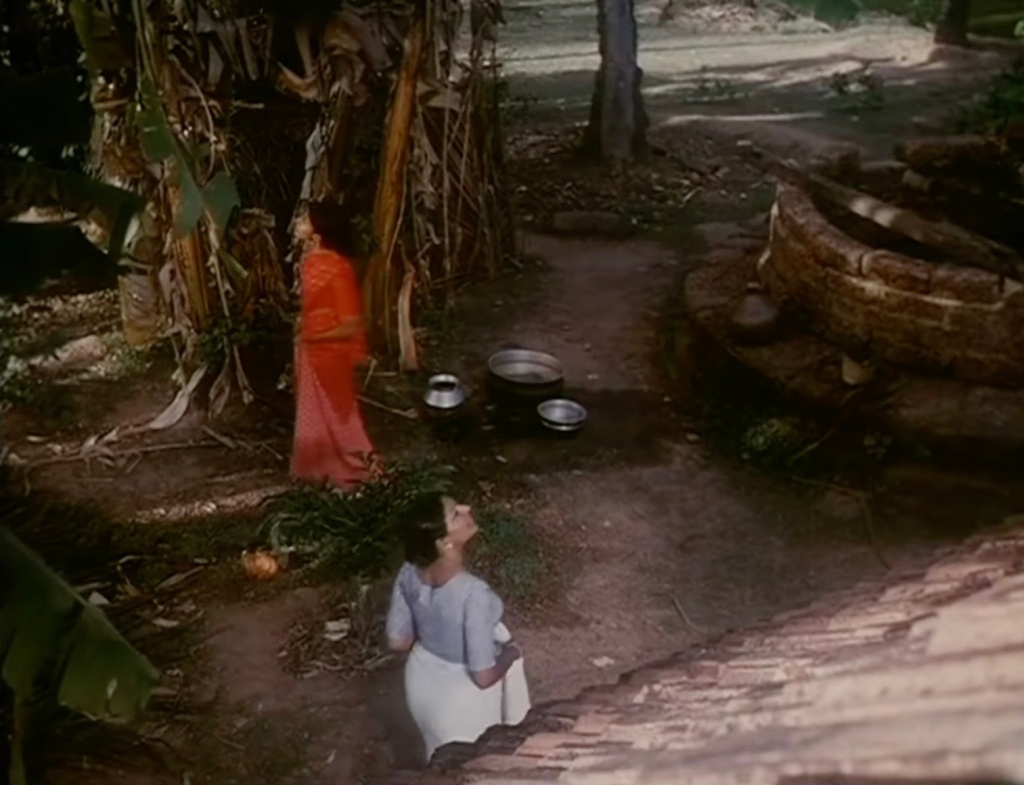
Adoor has used color to express symbolism. Unni is seen wearing only white, showing the lack of any sort of motivation in his inner being. Sridevi is seen only wearing red, exhibiting the fiery enthusiasm and rebellion of her youth, unbridled by the norms that she was born into.
Rajamma, on the other hand, is seen in blue, depicting her seemingly calm acceptance of her predicament. Janamma wears green, showing her capacity to adapt and grow in a changing world.
The title of the film ‘The Rat Trap’ is symbolic in the plot in many ways. Sridevi’s carrying of the rat trap and drowning the creature within is symbolic of the individuals being trapped in the mansion, which is becoming an anachronism in a rapidly changing world. Like the rat trapped in the trap is doomed to drown, Unni, who is both trapped in his mind and in the house, is slowly drowning in inaction and indifference. However, unlike the rat, some individuals have more options to escape the proverbial trap. One will choose to escape, another will choose to fight back, and one will simply succumb to the situation.
Adoor Gopalakrishnan is revered by many critics to be one of the greatest directors of all time, in the vein of the great Satyajit Ray. For pure movie critics who investigate world cinema, this movie is a must-watch. It offers a unique experience and mind candy for discussion or contemplation.

 Bay Area Bloke