
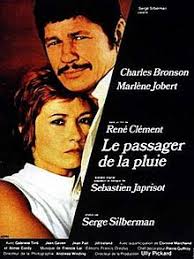
Marlène Jobert and Charles Bronson star in this French mystery thriller, directed by René Clément and written by Sébastien Japrisot. It is a decent thriller about a young woman thrust into a dangerous situation.
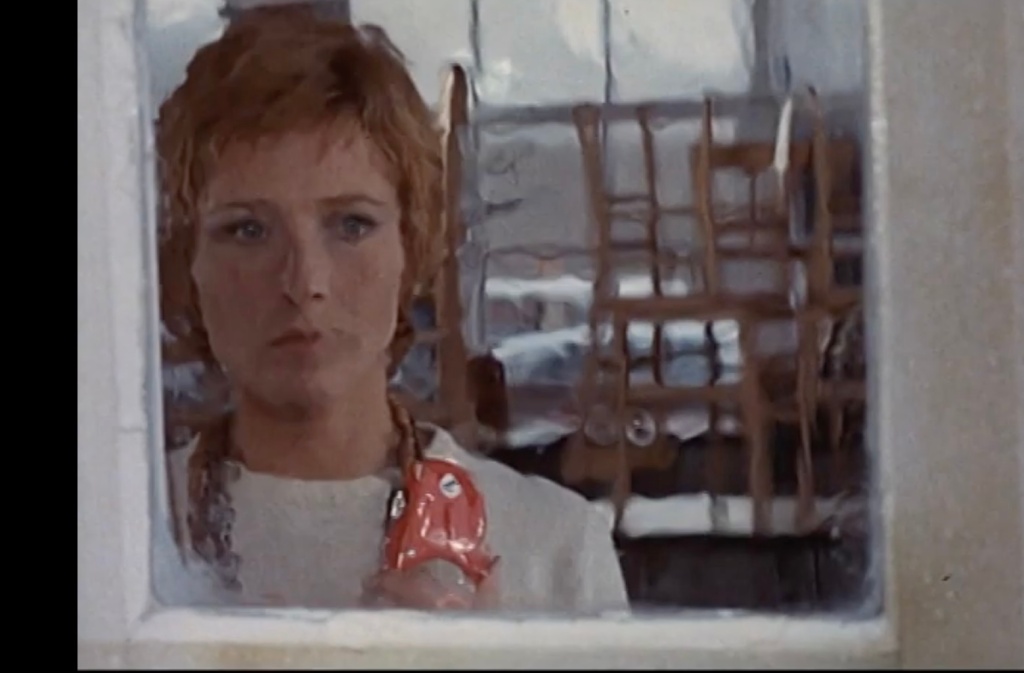
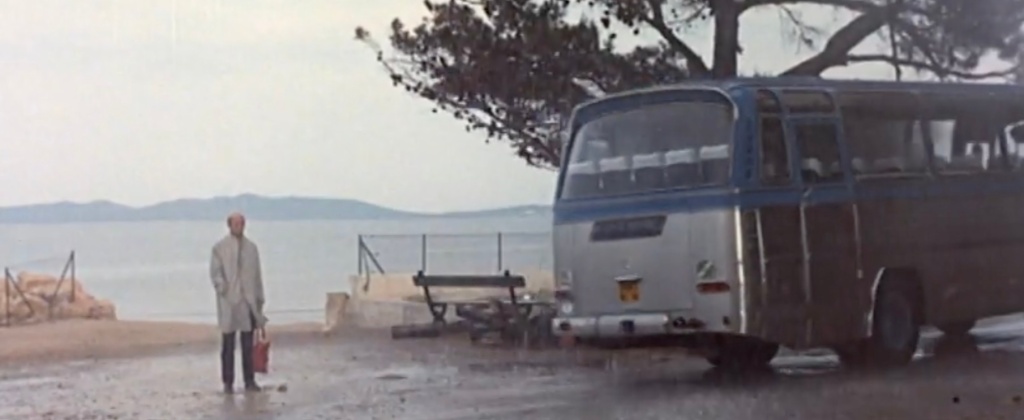
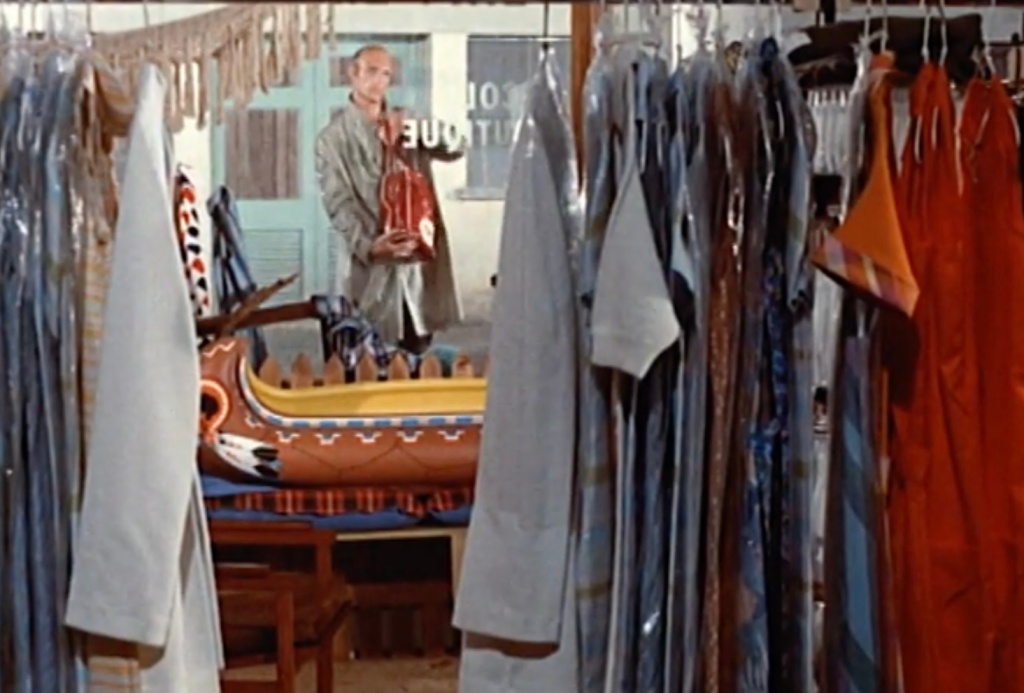
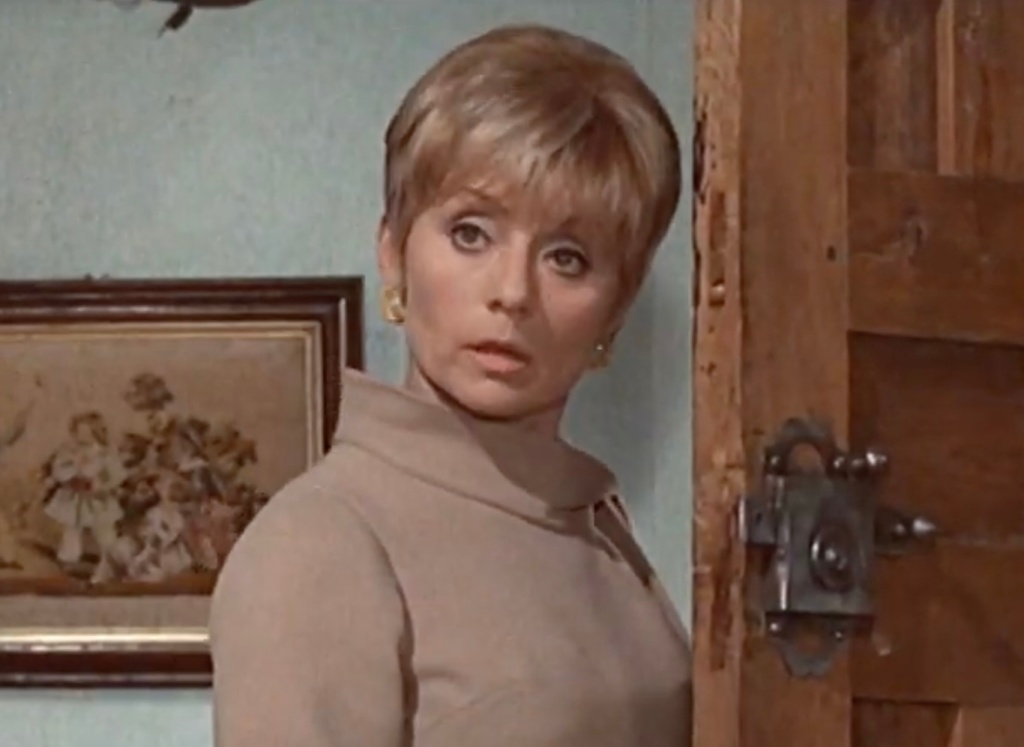
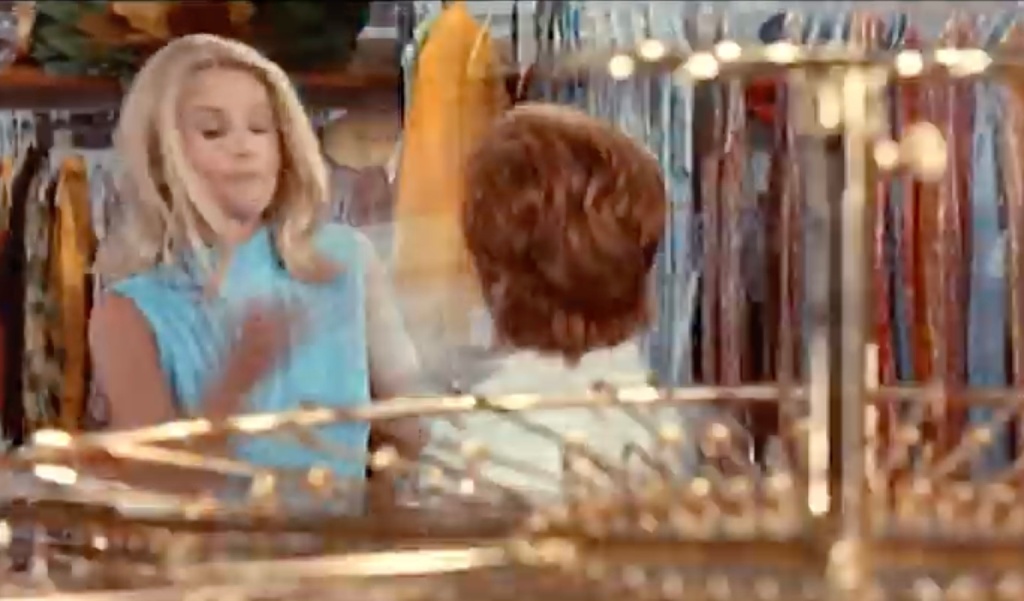
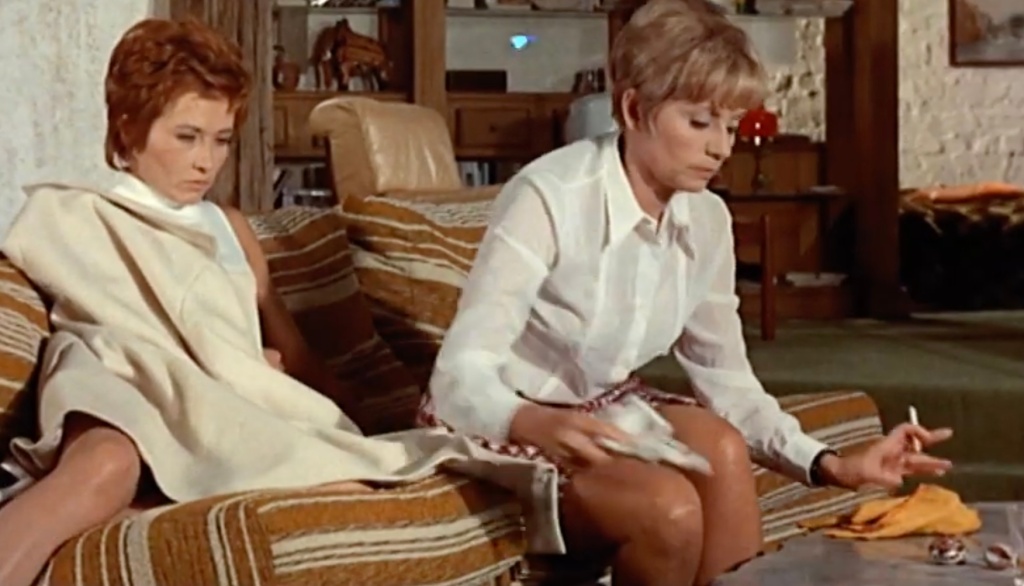
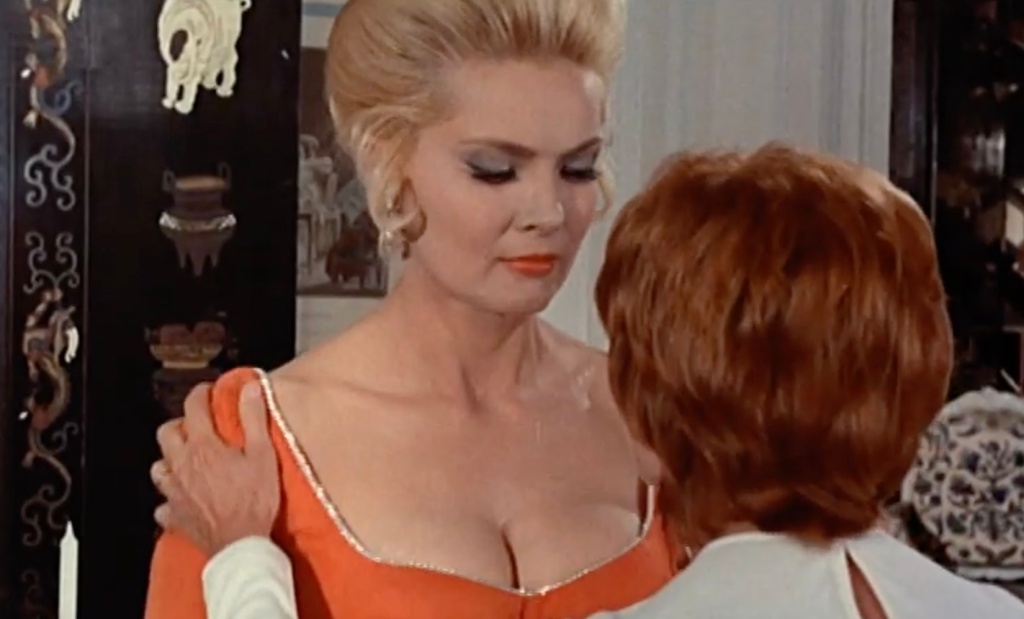
In a coastal town in the south of France, amidst a storm, a young lady named Mellie (Marlène Jobert) is having a difficult conversation with her mother. She notices a passenger (Marc Mazza) who gets off a bus. She is engaged to be married the following day to her fiancé, Tony (Gabriele Tinti), an airline navigator. She leaves her mother’s house and goes to a clothing store, where she meets her friend Nicole (Jill Ireland) and then tries on a wedding dress. Suddenly, she is shocked to see the stranger who disembarked the bus staring at her from the window.
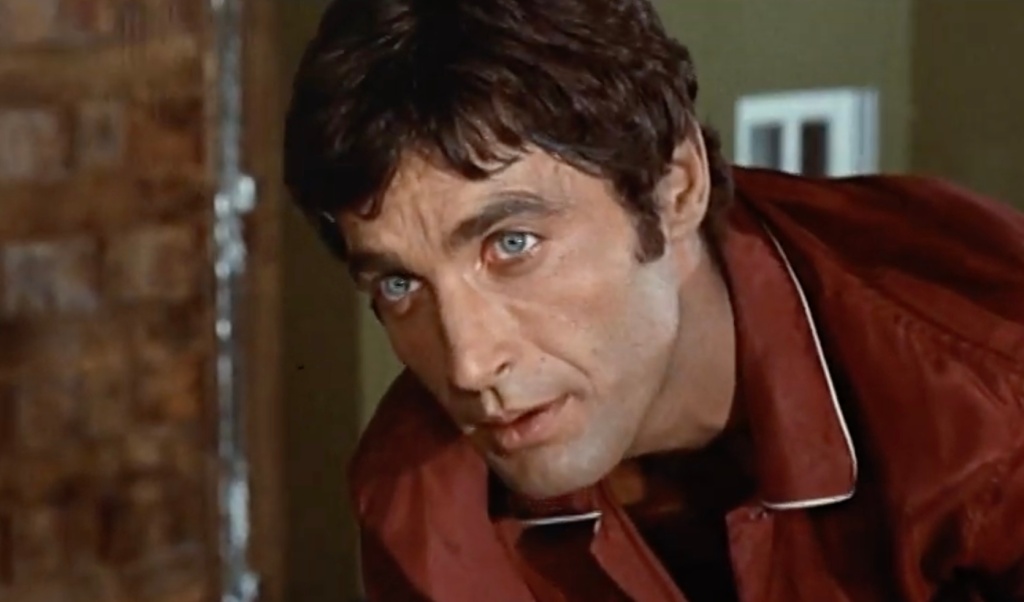
Disturbed, Mellie returns home, where the stranger, having broken in, attacks and sexually assaults her. Distressed, she calls Tony and pleads with him to return, careful not to mention the traumatic event. He is curt with her and says he will be back later that evening.
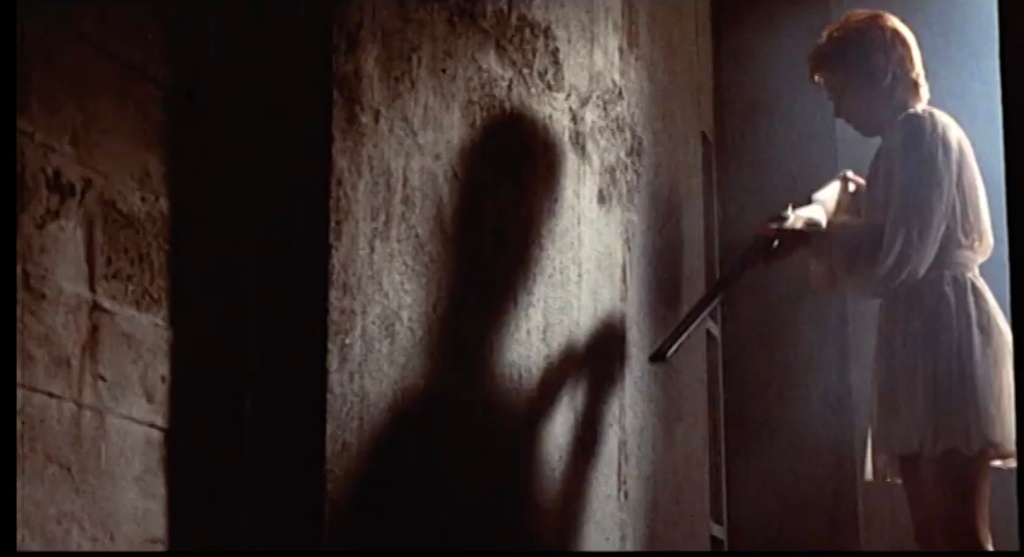
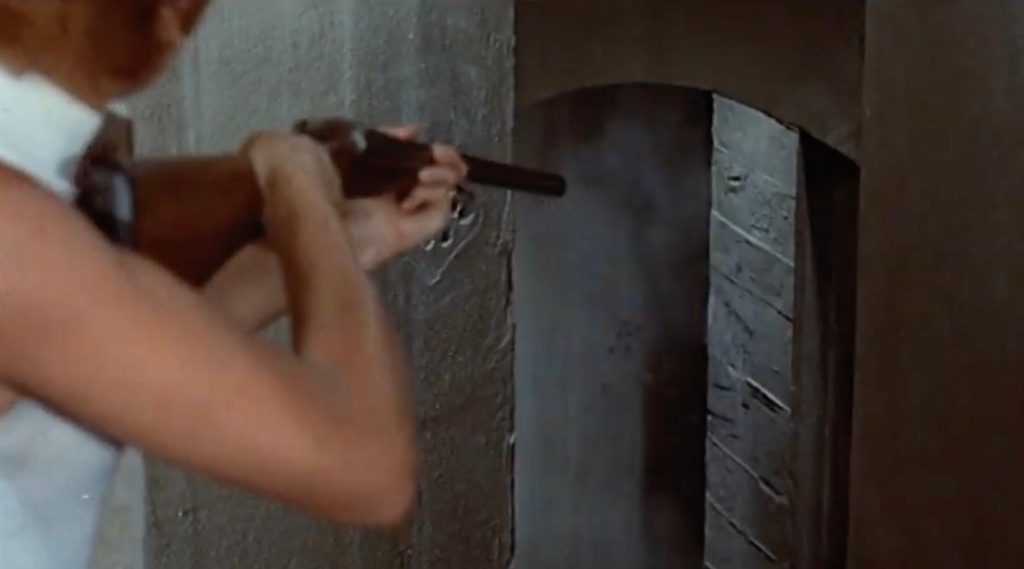
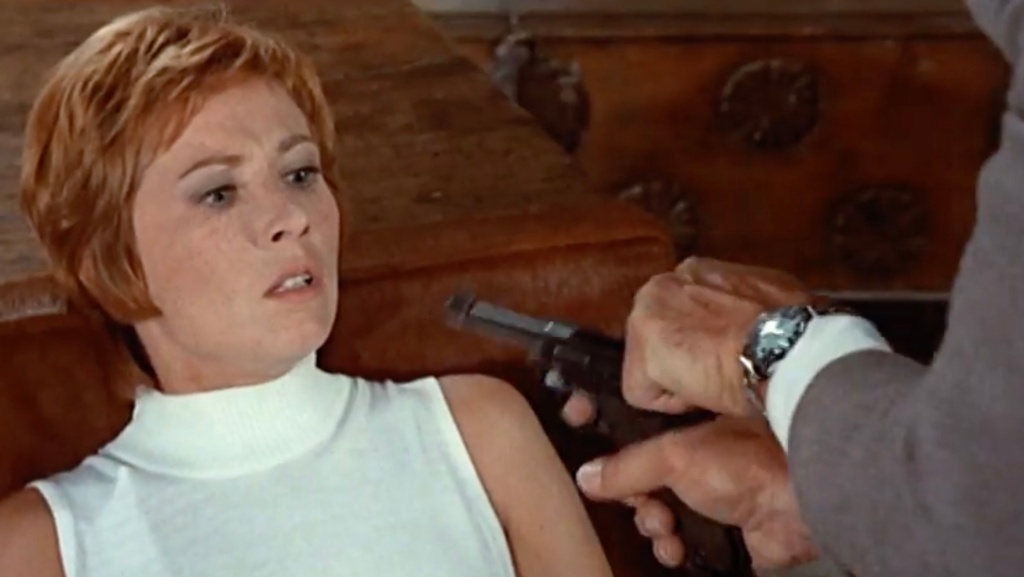
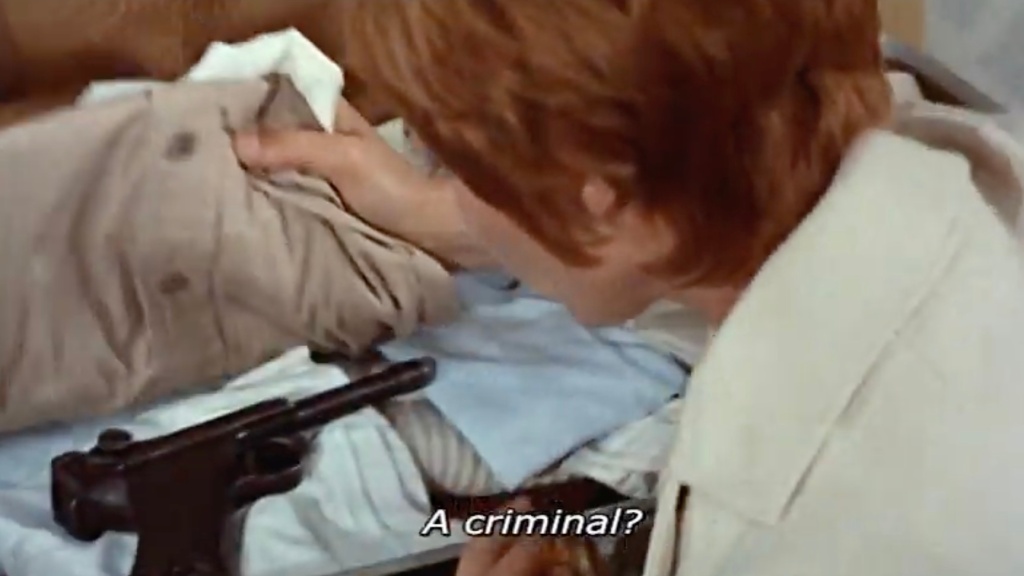
To her horror, she realizes the stranger is still in her apartment. Brandishing a firearm, she begs him to leave, promising not to press charges for the assault. In response, the stranger steps out of the shadows and twists a scarf as if he plans to strangle her. Panicked, Mellie shoots him.
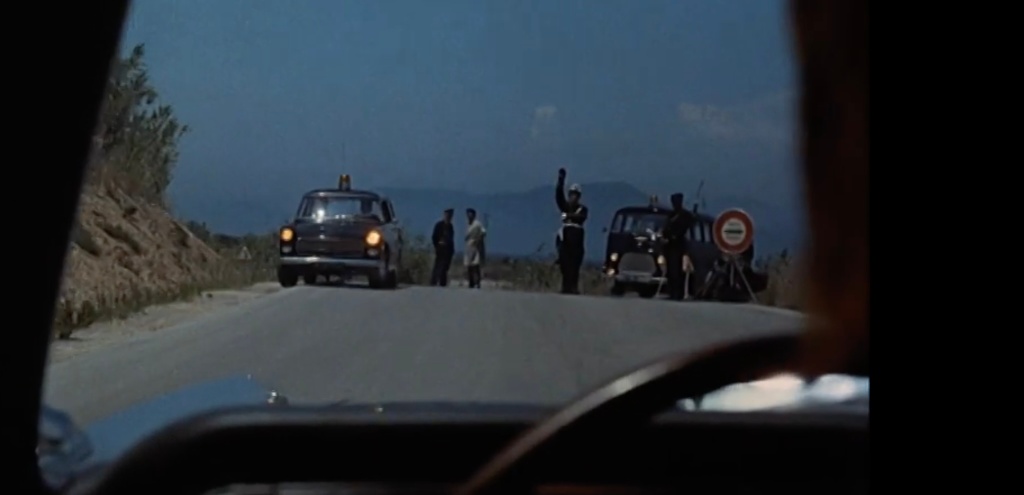
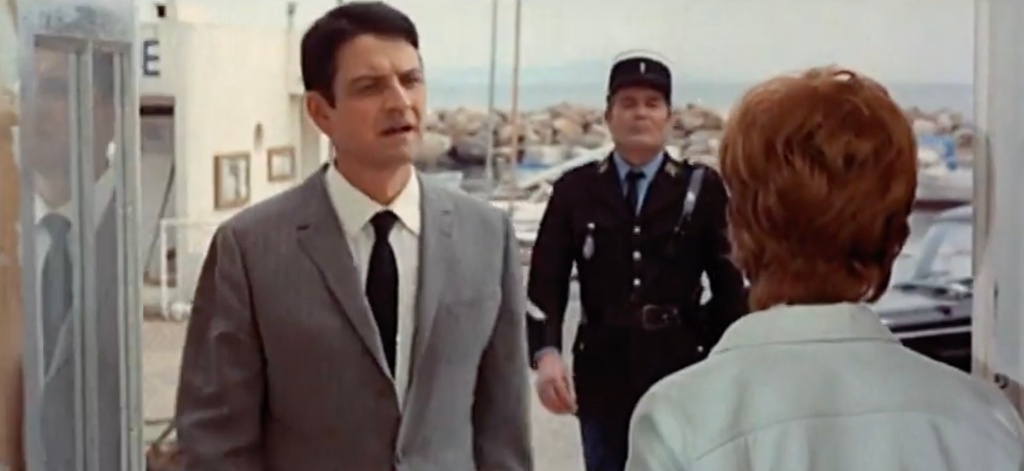
Quickly, she drags the stranger to her car and drives to a cliff, where a policeman and a friend of Tony stop her and ask where she is going. She tells them she is going to pick up Tony and then throws the body off a nearby cliff.
Upon returning home, she meets a furious Tony, and her mother is also there. Tony, a jealous male chauvinist, questions her whereabouts but then lets her off the hook.
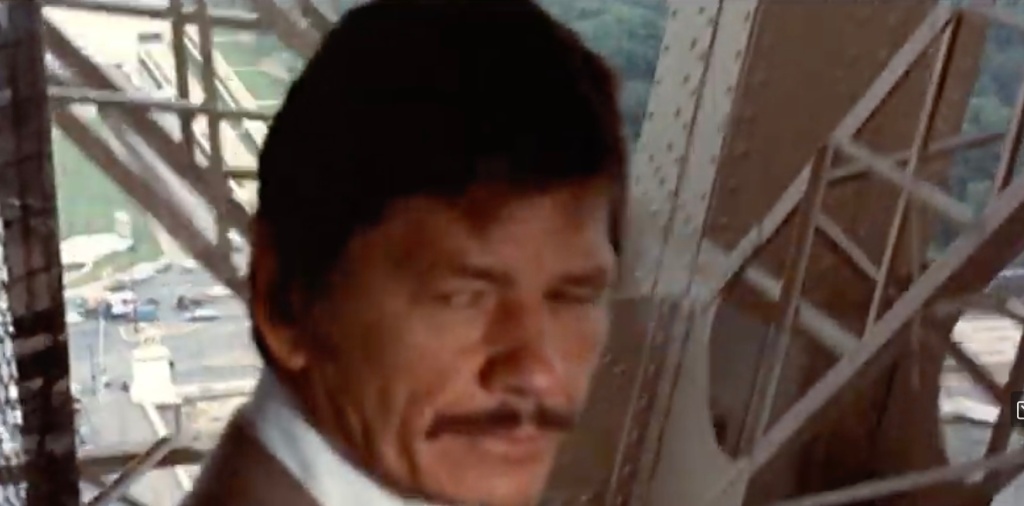
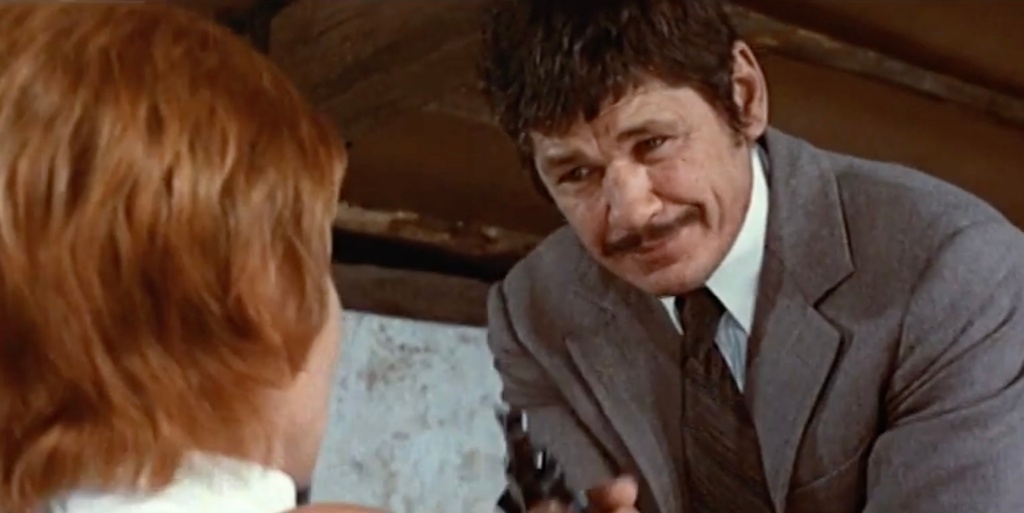
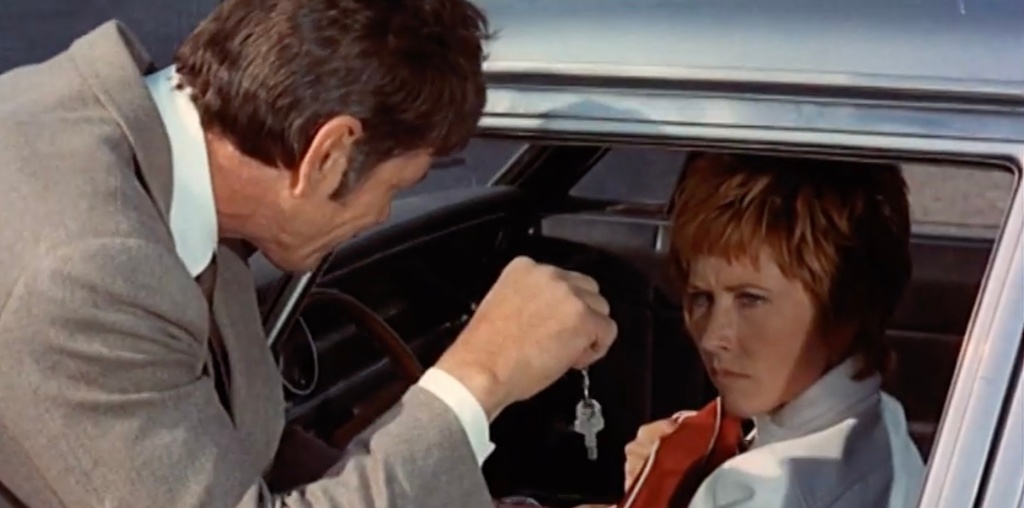
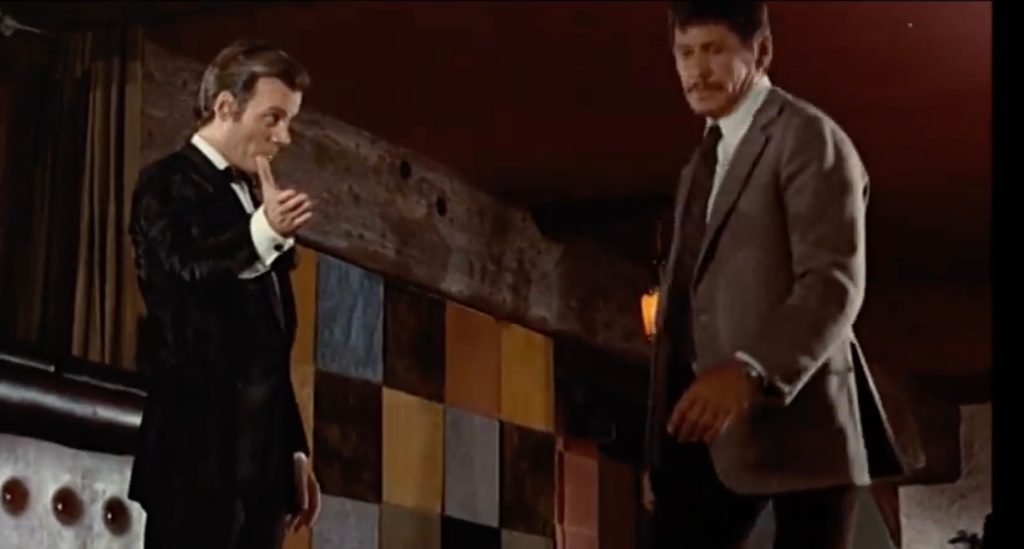
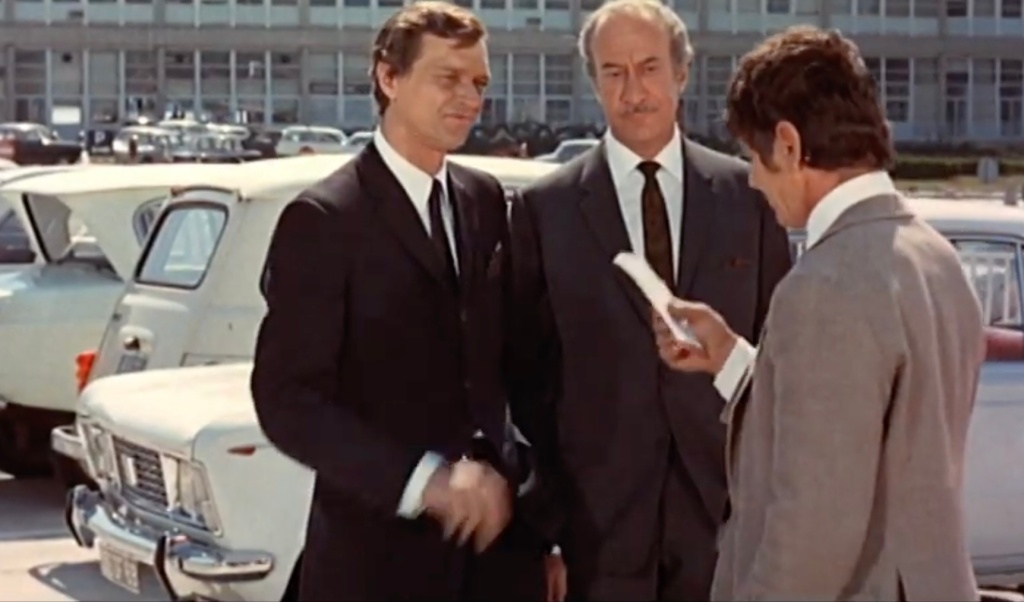
The next day, on her wedding day, she sees newspapers reporting a body discovered near the beach. During the wedding, she notices a mustached stranger (Bronson) with a broad smile watching her. The stranger later approaches her and assertively makes her dance with him, shocking her by accusing her of murder.
Mellie maintains her composure, admitting she saw the man disembark the bus but did not meet him. The man, an American named Dobbs, introduces himself. Later, Tony angrily questions Mellie about her connection with Dobbs. Mellie promises Tony that she will never dance with anyone else.
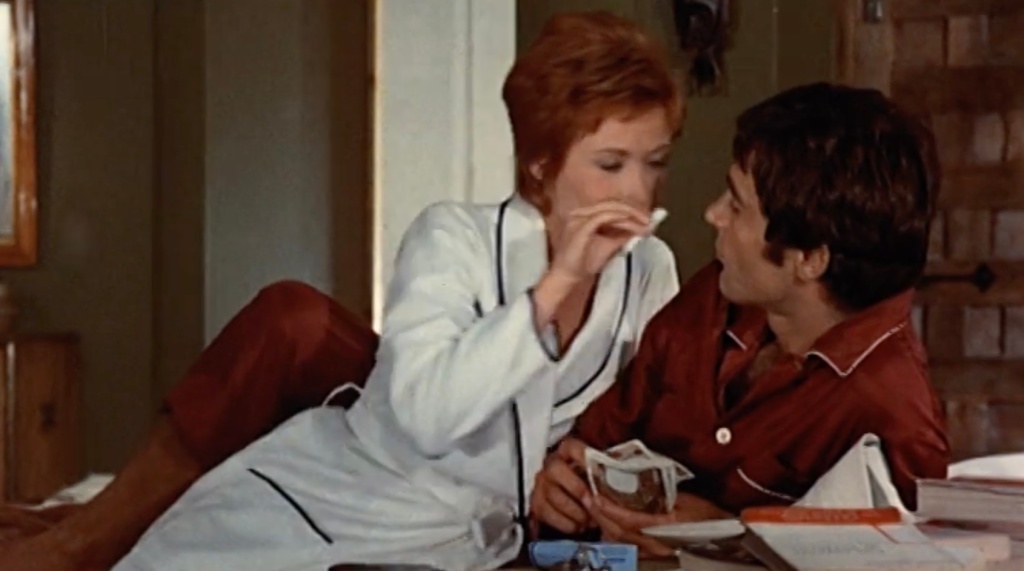
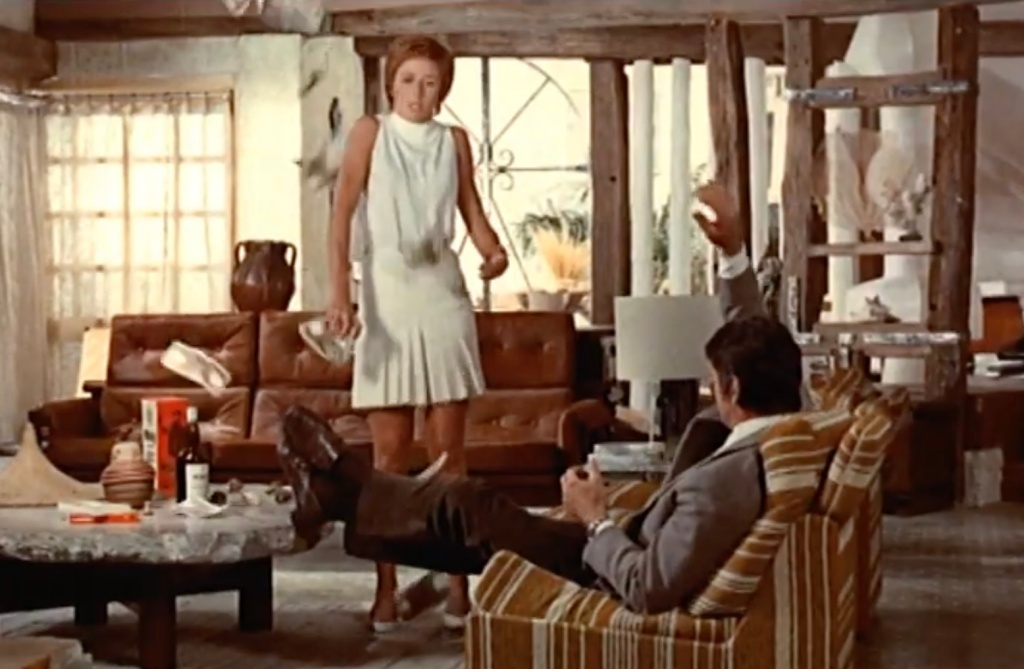
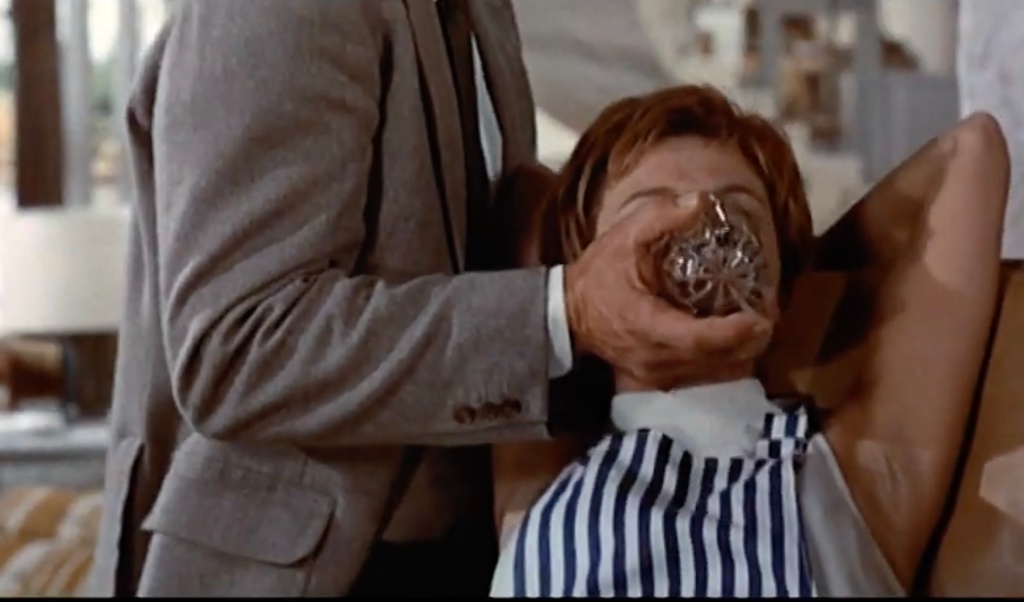
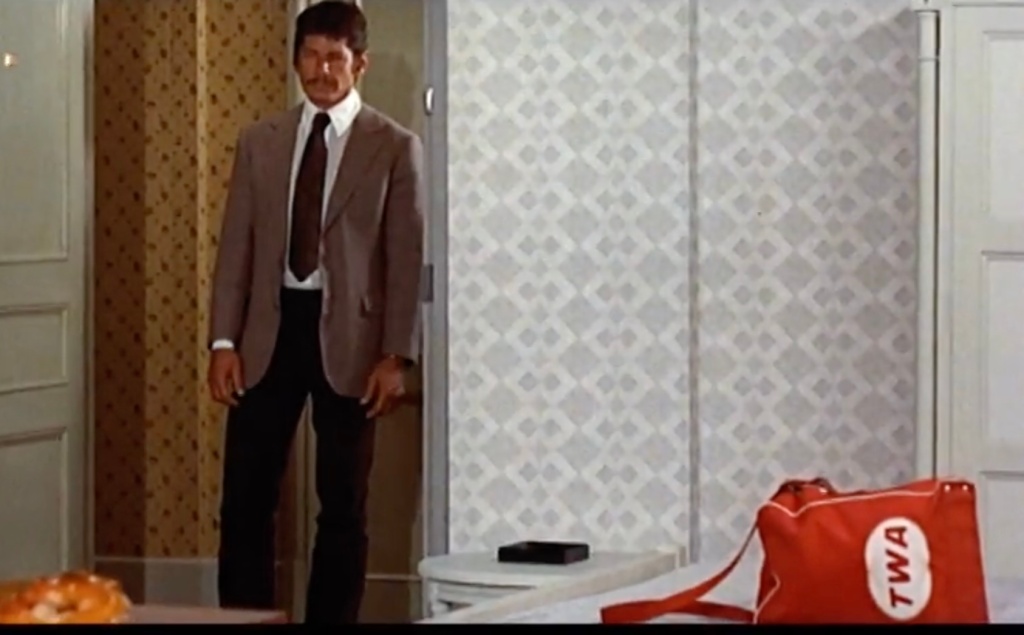
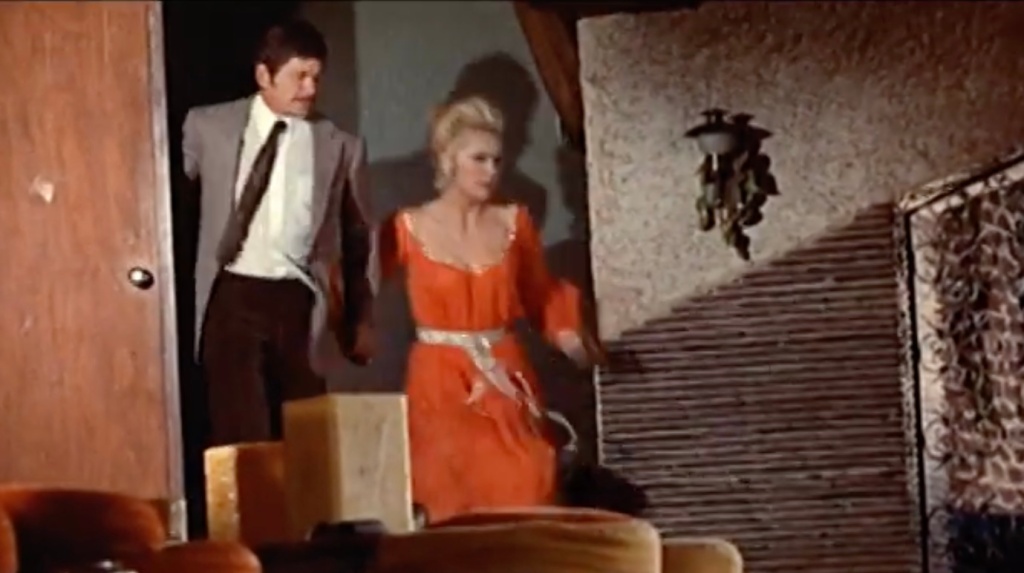
Over the next few days, Dobbs continues to torment her, appearing everywhere she goes, even to her apartment, demanding the truth. He forcefully gives her alcohol and interrogates her about a missing bag carried by the stranger, which contained a large sum of money.
Mellie remembers seeing the bag but does not know its whereabouts. Dobbs produces the bag and a photo of her with her address on the back. Mellie suspects Dobbs is implying Tony’s involvement in shady business dealings with the stranger.
Mellie tries to bribe Dobbs with money, but he rejects it, insisting on the truth. She later finds the missing bag, containing $62,000 in cash. Breaking into Dobbs’s apartment, she discovers his identity. Dobbs arrives and delivers disturbing news to Mellie, leading to further adventures before the movie’s climax.
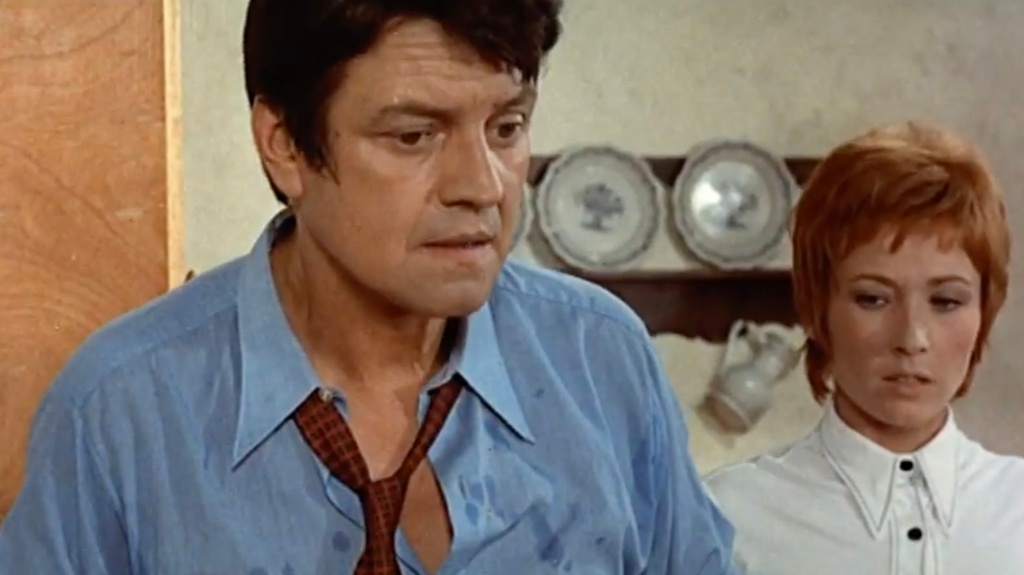
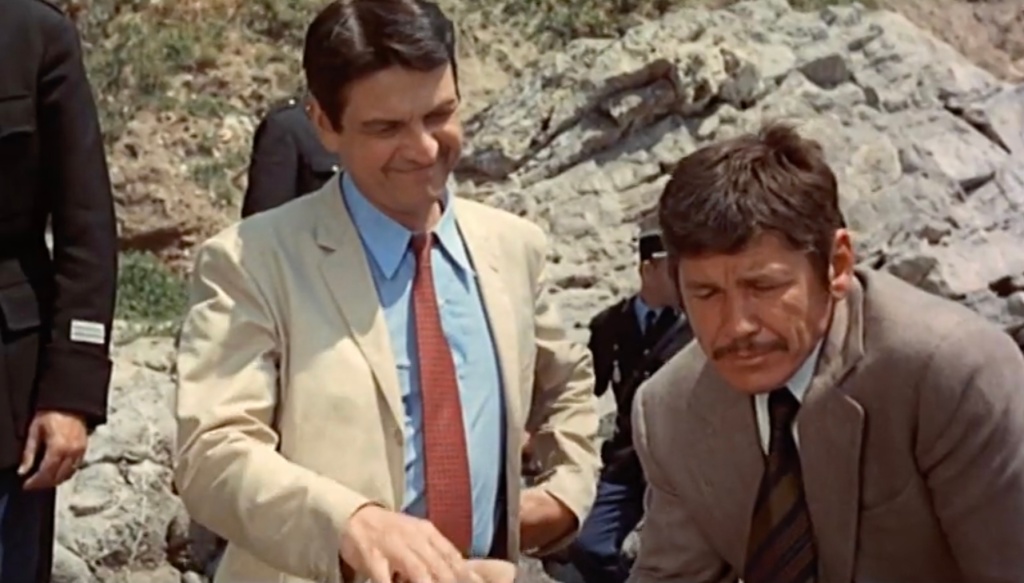
Who is Dobbs? Why is he seeking the stranger? Will he bring Mellie to justice? These questions are all answered in the movie. Charles Bronson delivers a great performance as the gritty, hard-hitting Dobbs, a role typical of his filmography. With his perpetual smile and tough demeanor, he makes it clear that he will not stop until Mellie tells him the truth.
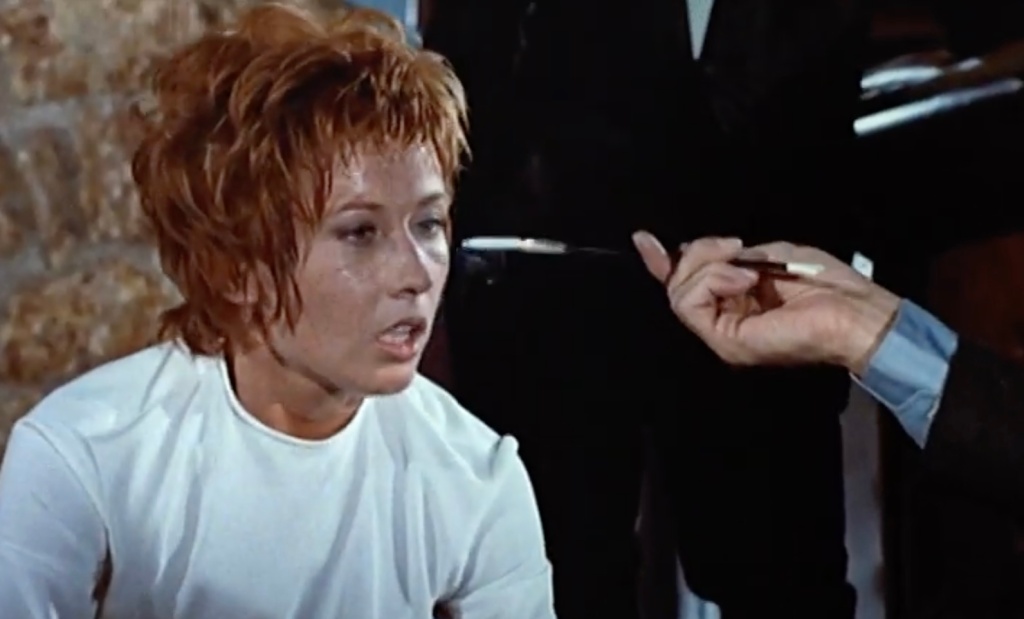
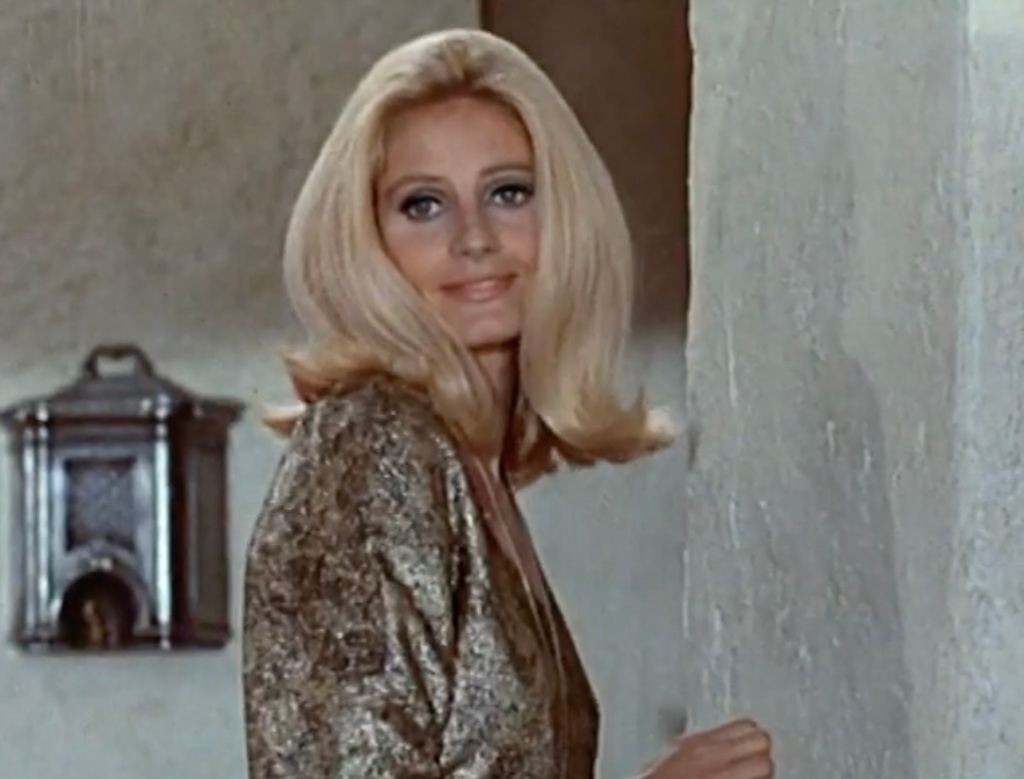
However, it is Marlène Jobert as Mellie who steals the show. There is an immaturity in her character, evident in her ability to endure criticism from her mother and subjugation from Tony. Even after the brutal attack, she remains surprisingly calm, almost in denial. The plot hints at her ability to sweep problems under the carpet, reflecting her upbringing in a broken home where she faced harsh realities early on. Despite fearing Dobbs may bring her to justice, she feels oddly comfortable in his presence, perceiving him more as a lawman than a criminal.
Japrisot’s plot lacks humor but deserves credit for well-defined characters like Dobbs, Mellie, the nagging mother, and the jealous Tony. The screenplay moves quickly, and the camerawork is commendable.
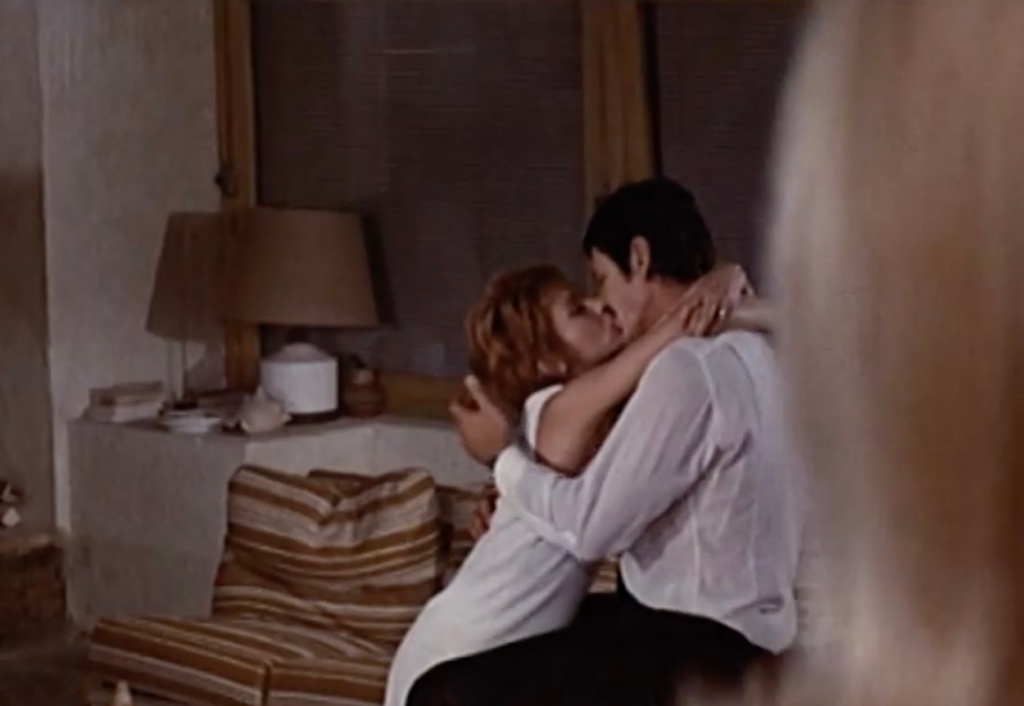
“Rider in the Rain” won a Golden Globe for Best Foreign Language Film and was nominated for an Edgar Allan Poe Award. The movie includes many Hitchcock inspired scenes, that include voyeurism, and stalking. The film is worth a one-time watch.



 Bay Area Bloke