
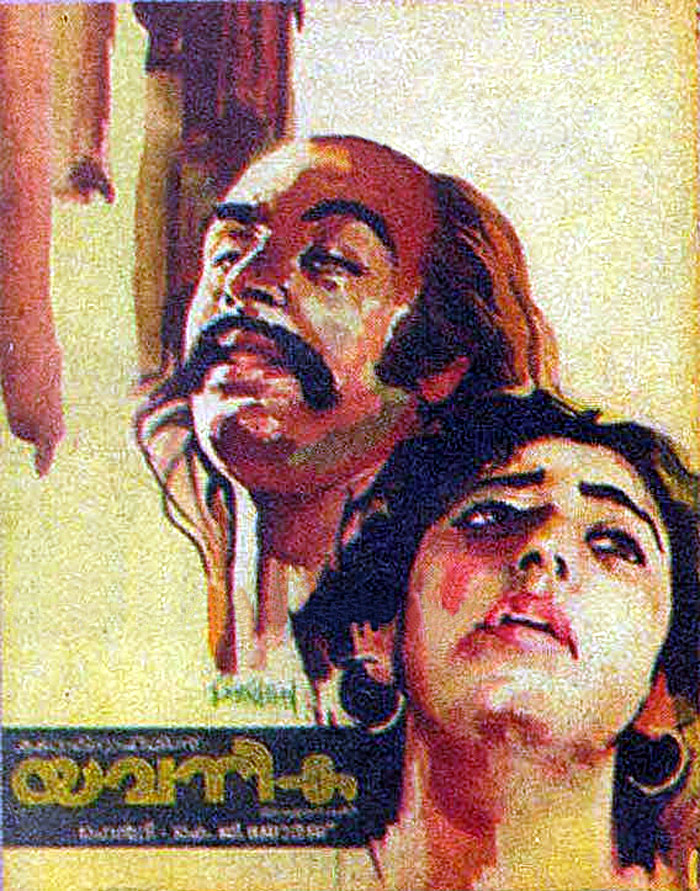
As I have mentioned before, there are two movie industries in India that consistently deliver well-directed movies that appeal to the intellect with great plots, impressive screenplays, and talented thespians. One is the Bengali industry in Western India, and another is the Kerala film industry from southern India. It is no surprise that both states have a notably higher percentage of an educated population than the rest of the country. Indeed, a well-educated audience expects high quality from its movies.
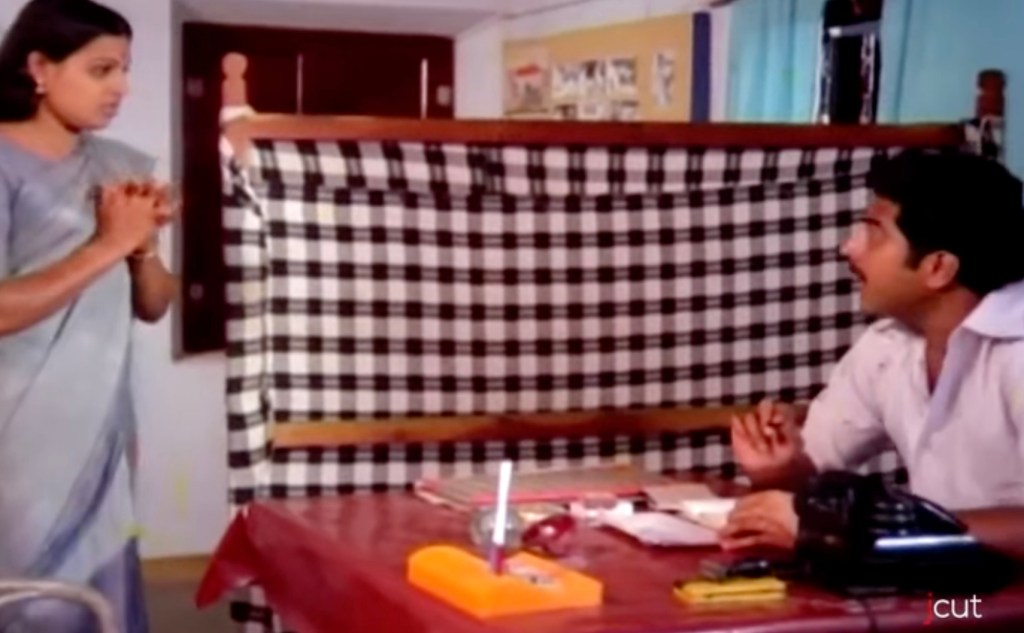
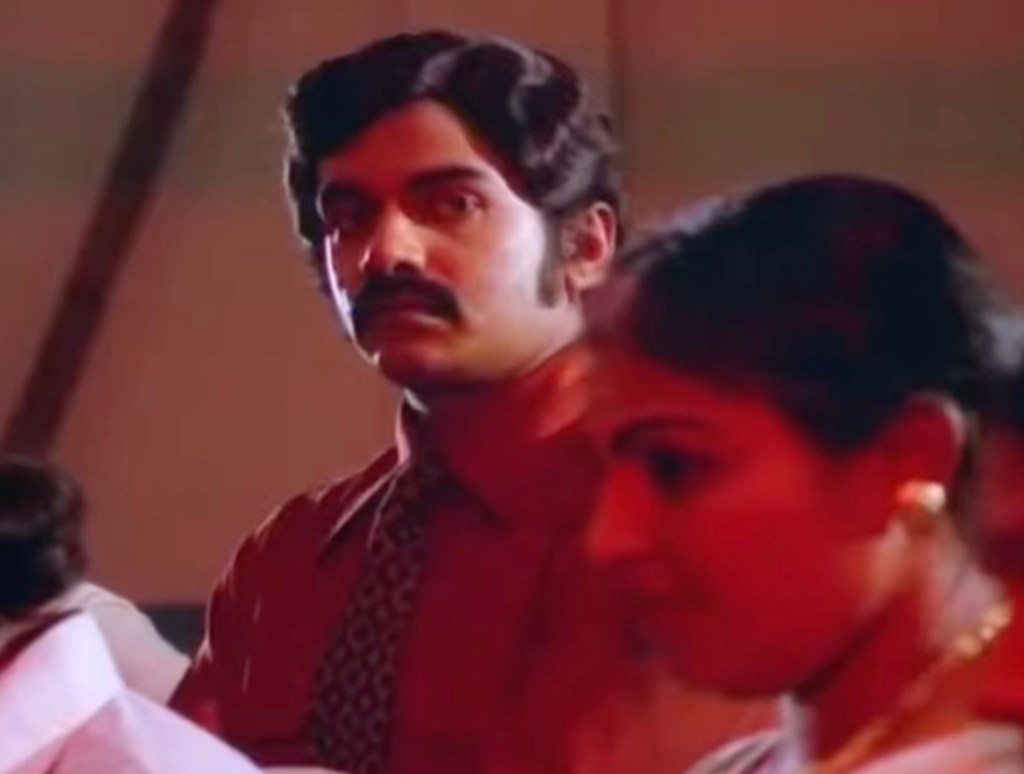
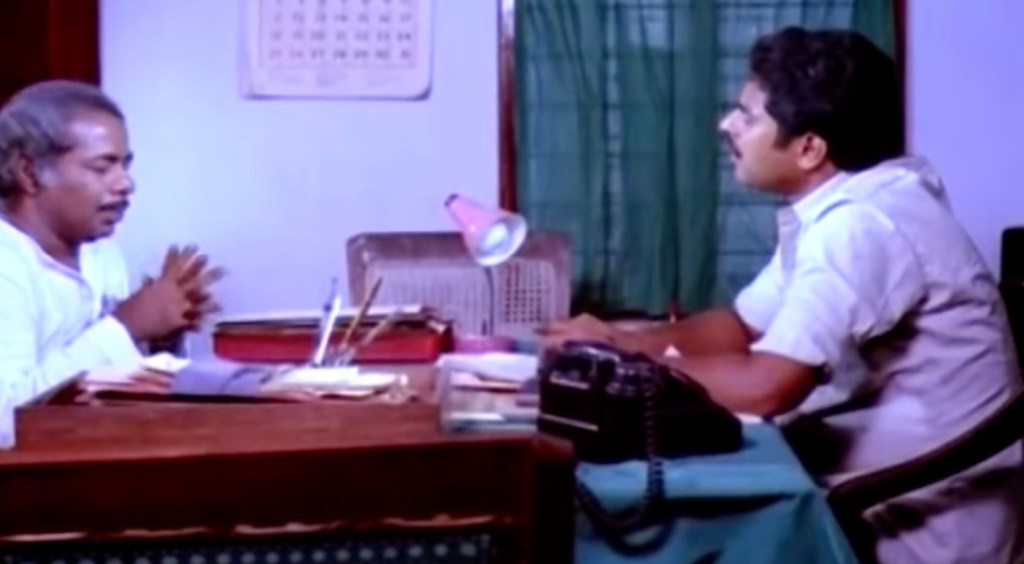
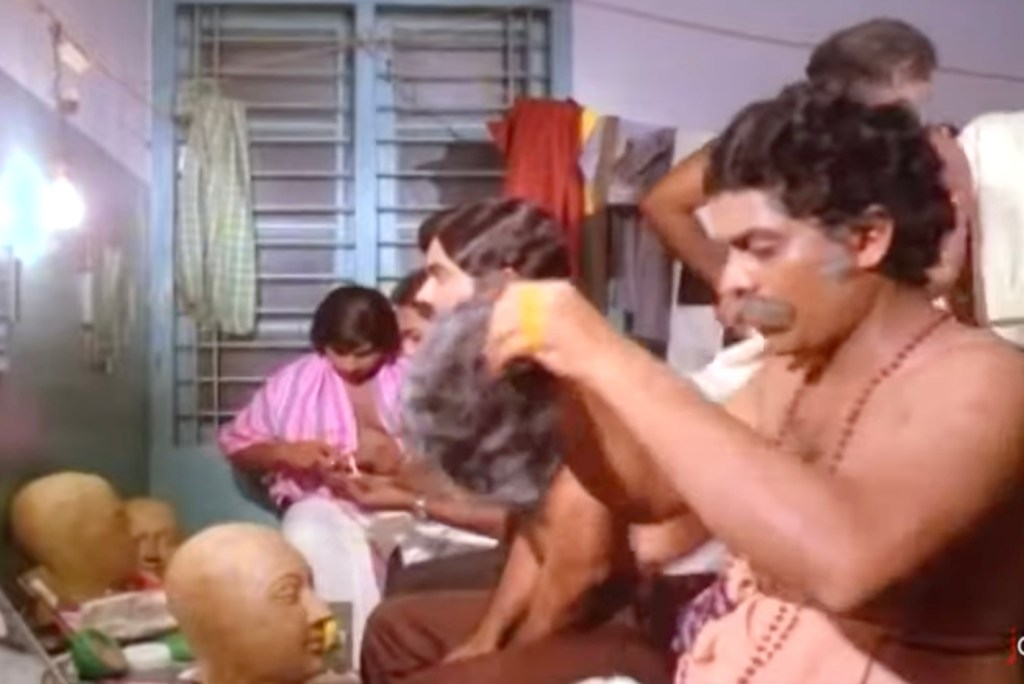
In this post, we will look at Yavanika (“The Curtain”), a classic whodunit from the ’80s. Traditionally, Malayalam movies are not known for big budgets or lavish sets, and Yavanika is no exception to this rule. Most scenes are set indoors in modest homes, a liquor shop, a theater, a police station, and a few outdoor scenes depicting rural surroundings. The indoors are spartan in their decor, as was typical in poorer South Indian homes at that time.
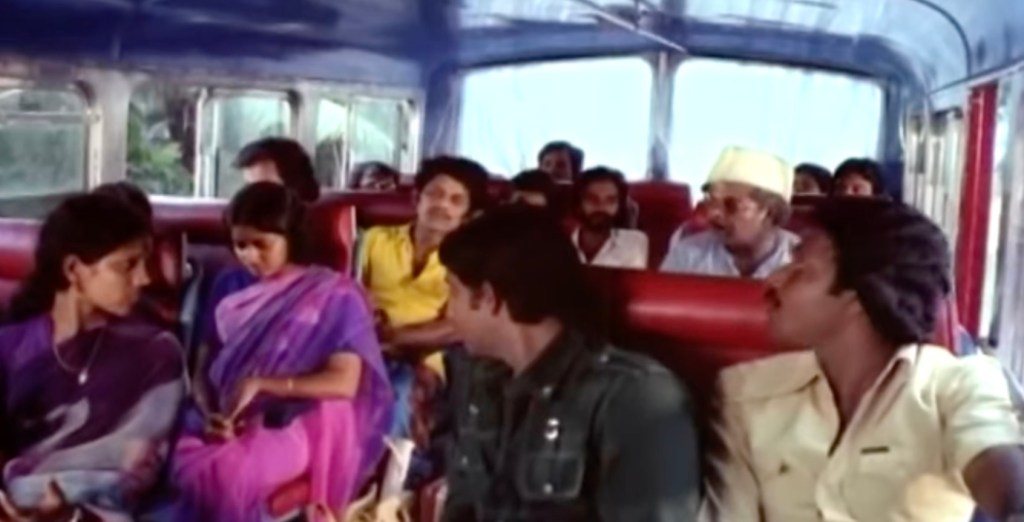
The plot is set in rural Kerala. “Bhavana Theaters” is a popular drama company in the area that travels by bus to surrounding regions to put on plays for rural inhabitants. The drama troupe, headed by Vakkachan (Thilakan), is comprised of actors and musicians.
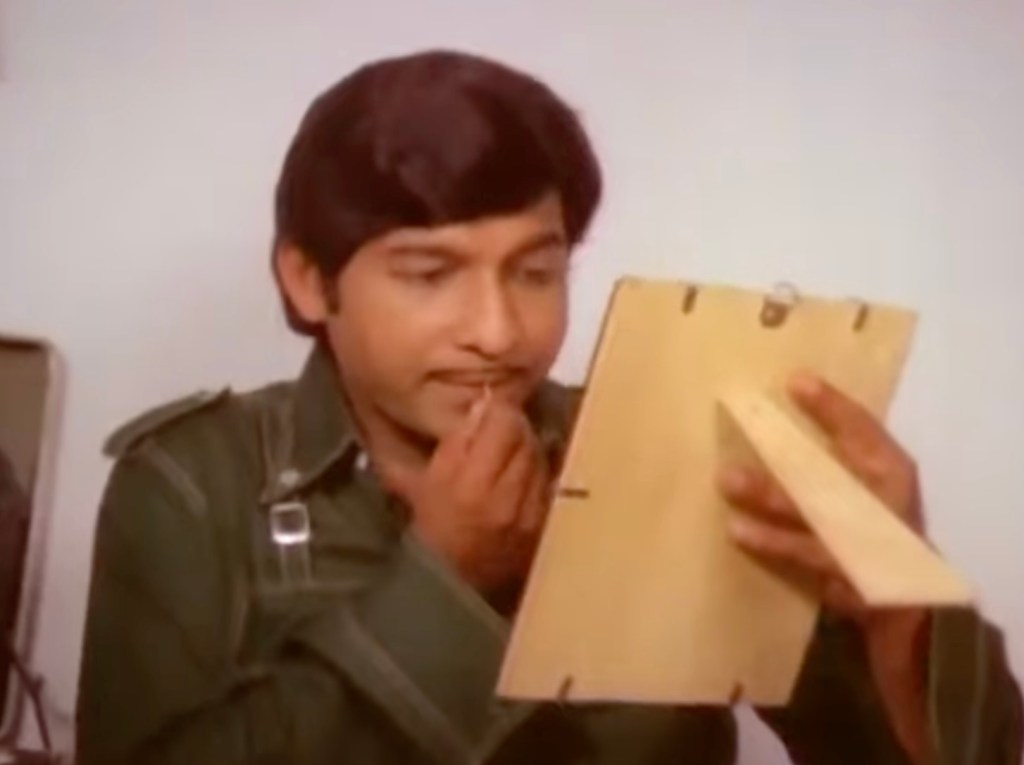
A popular musical instrument used in Indian musical or drama performances for background music is the Tabla, a pair of drums. Aiyappan (Bharat Gopi), the Tabla player in the group, is conspicuously missing that day. Aiyappan’s mistress, Rohini (Jalaja), who is on the bus, tells the rest of the troop that Aiyappan did not return home from the liquor place, his usual haunt, the previous night.
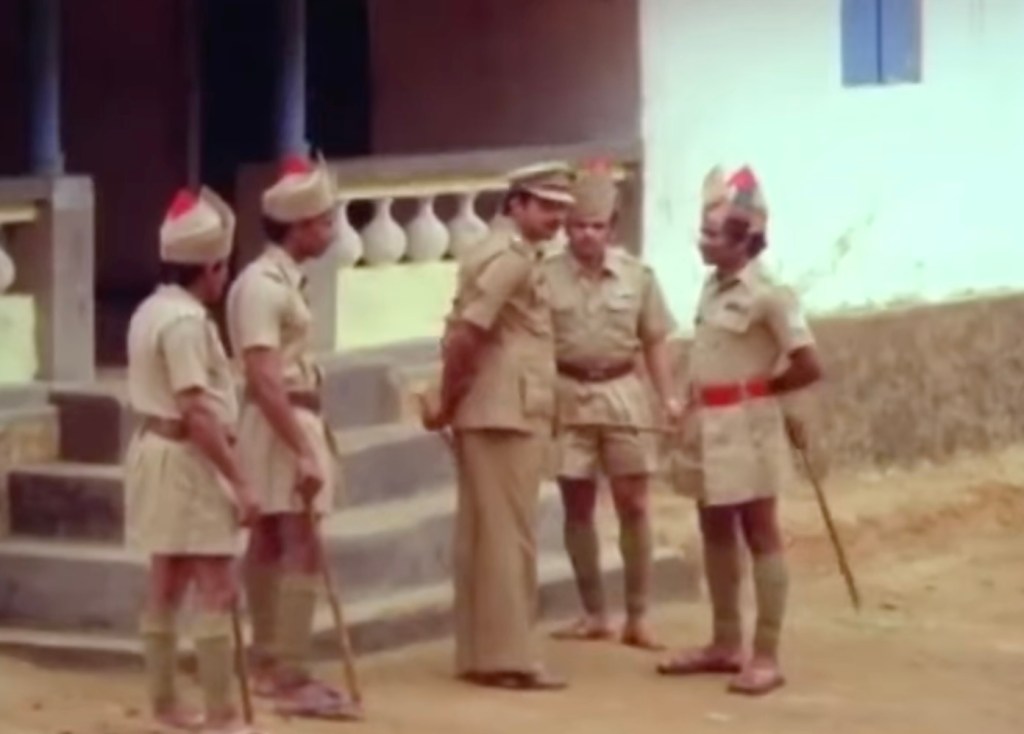
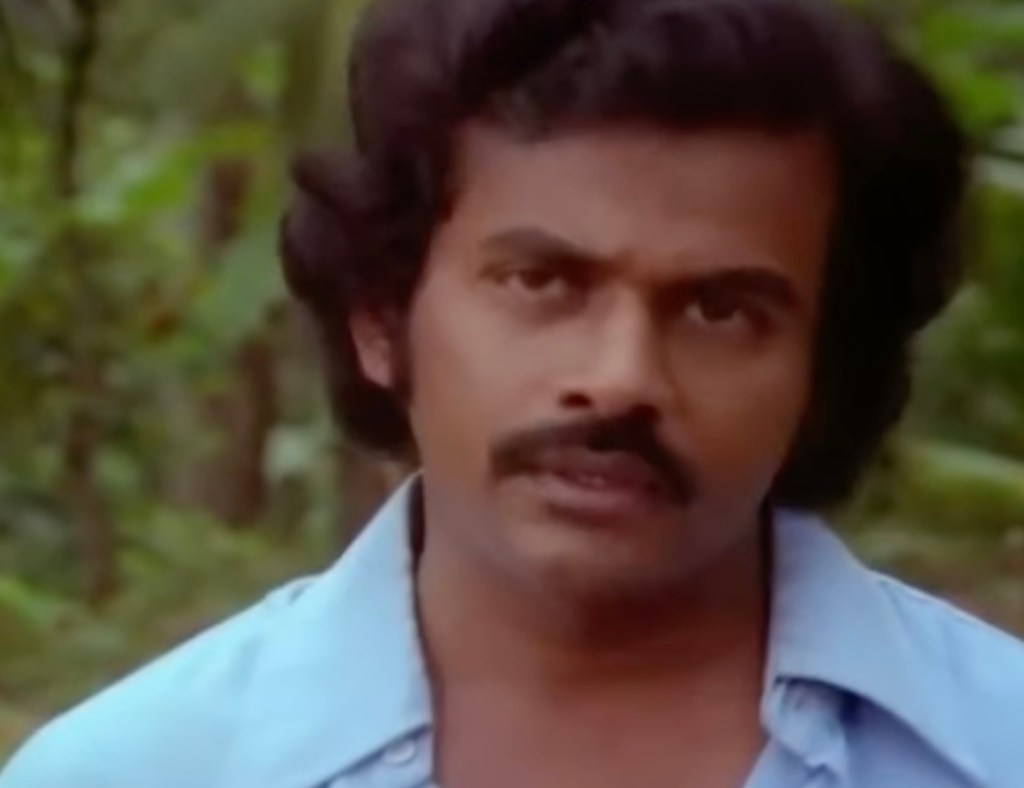
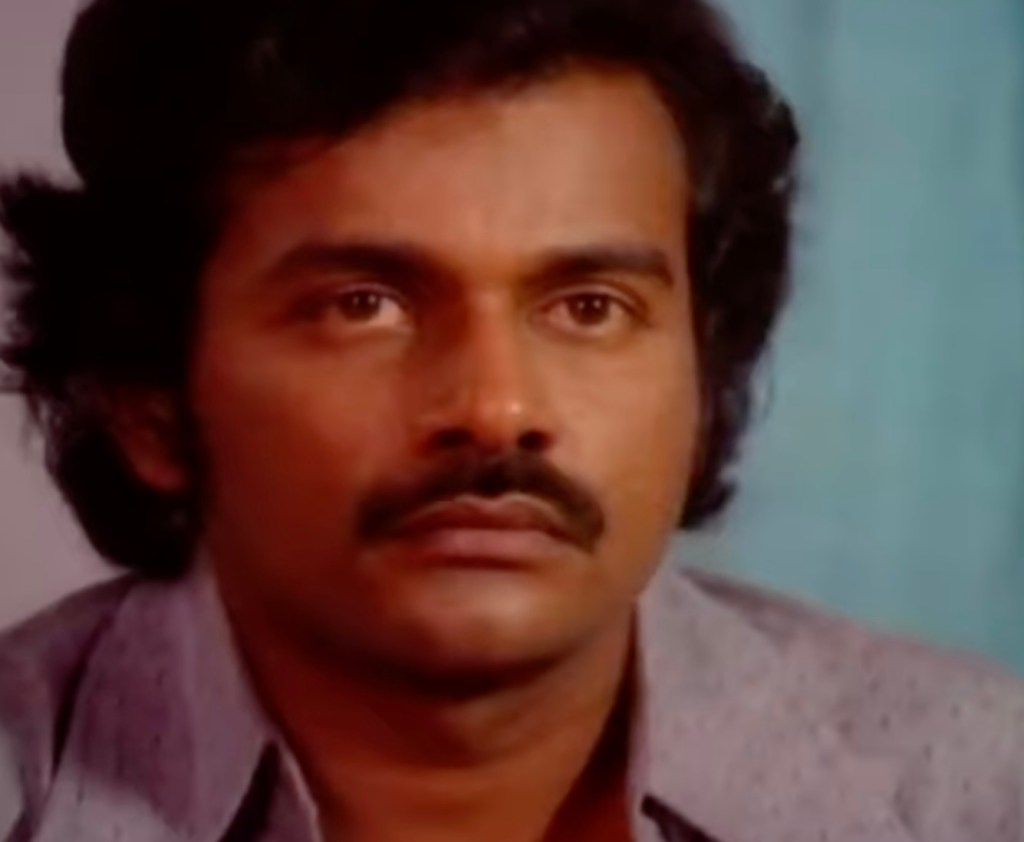
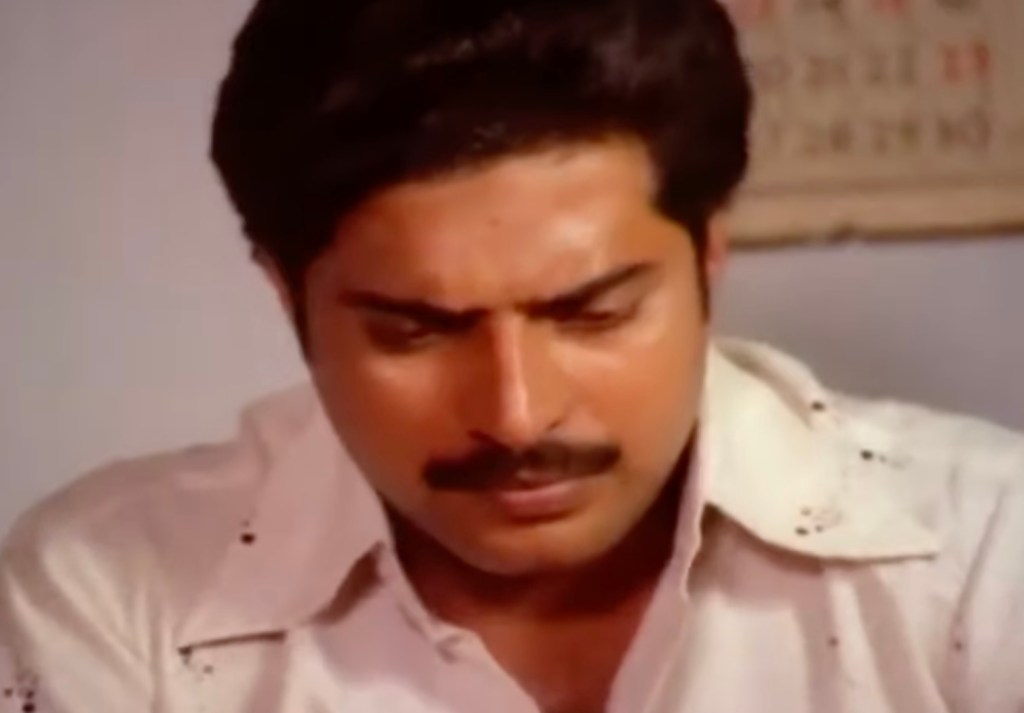
Upon Vakkachan’s instructions, the troop goes to its intended destination, and the play is performed sans the Tabla player. A week goes by, and Aiyappan is still absconding, and a reluctant Vakkachan has no choice but to notify the authorities. Police official CI Iraly, played by a younger Mammootty, heads the investigation and interrogates the subjects to unearth the background of Aiyappan and the rest of the troop.
While reviewing the movie Rashomon, I described the Rashomon effect, a method of screenplay where the past is reconstructed with flashbacks based on the narrations of events by different characters in the movie. Yavanika uses this technique to piece together the happenings of the past.
It is revealed that Aiyappan was a persona non grata in the troop, as he was an incorrigible alcoholic and womanizer who constantly got into fights. He had a wife and a son whom he abandoned. Vakkachan, during his interrogation, reveals that Aiyappan’s wife and son had come to the drama company office days before his disappearance, demanding money, and Aiyappan attacked them, creating a major ruckus.
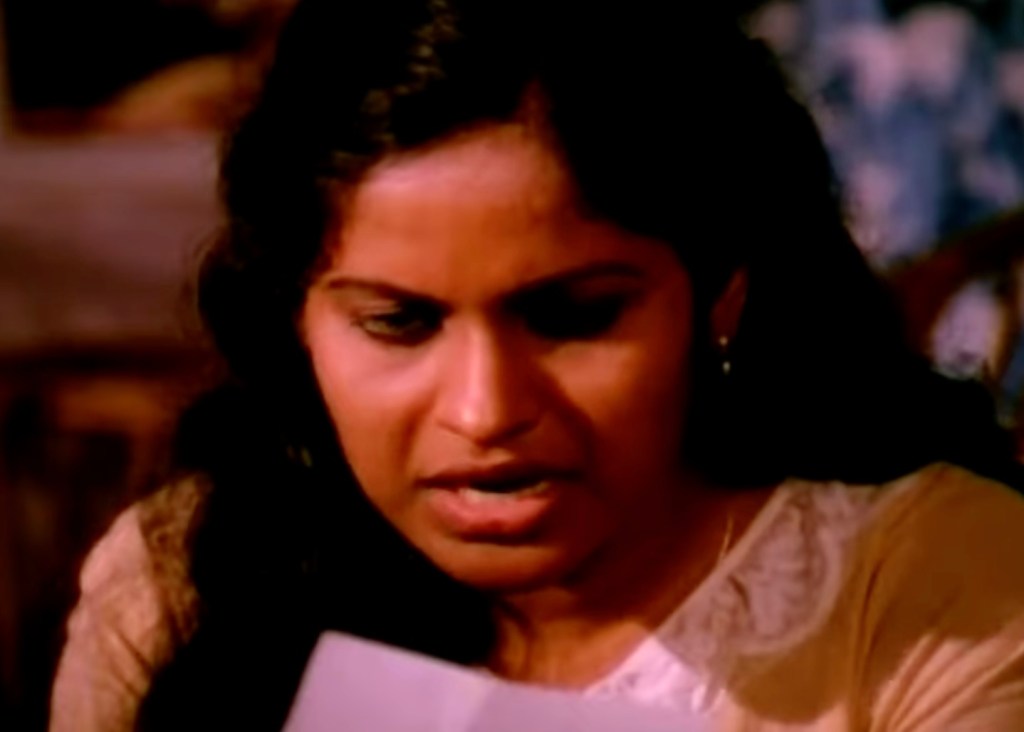
Rohini reveals that she used to live with her mother and two younger sisters. Aiyappan exploited her family’s poverty-stricken condition by promising to get her, Rohini, a job. He then blackmailed Rohini to stay with him and then introduced her to the Drama Troop.
Rohini, a talented actress and performer, made an impression on Vakkachan and became a permanent employee of the company. Aiyappan’s son often showed up at his residence, demanding money for himself and his mother.
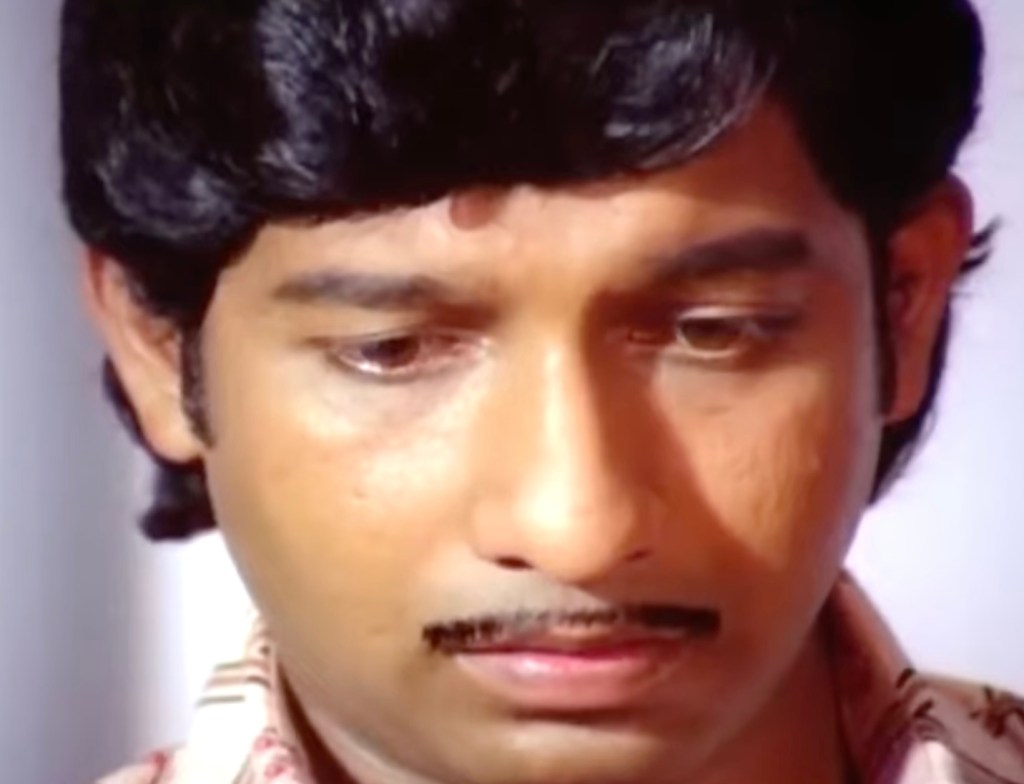
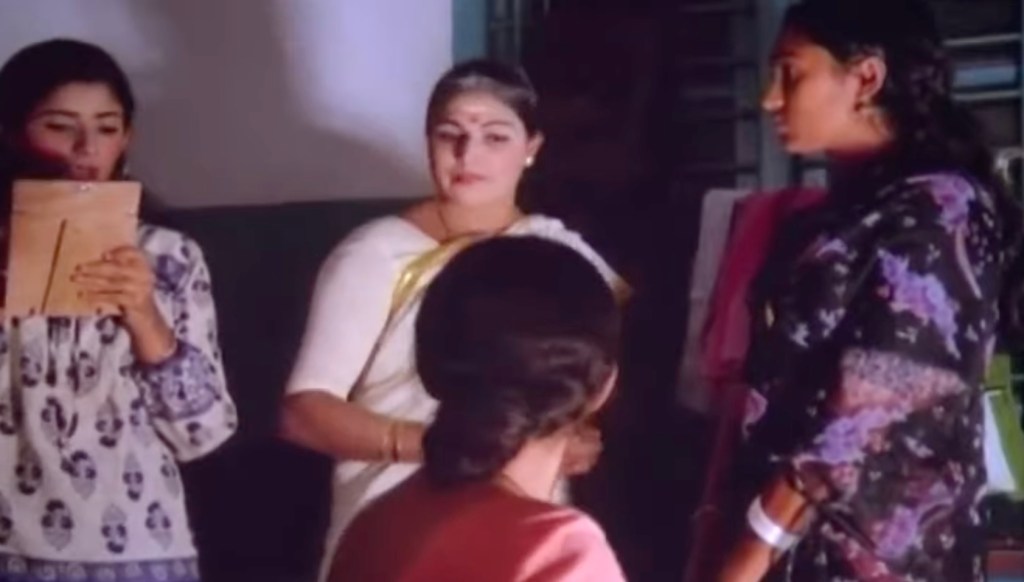
It is also revealed that two male actors in the troop, Balagopalan (Nedumudi Venu) and Kolapally (Venu Nagavalli), were admirers of Rohini and were perhaps waiting in the wings to woo her. Both of them also had confrontations with Aiyappan before his disappearance. Some women in the troop are also empathetic to Rohini’s plight.
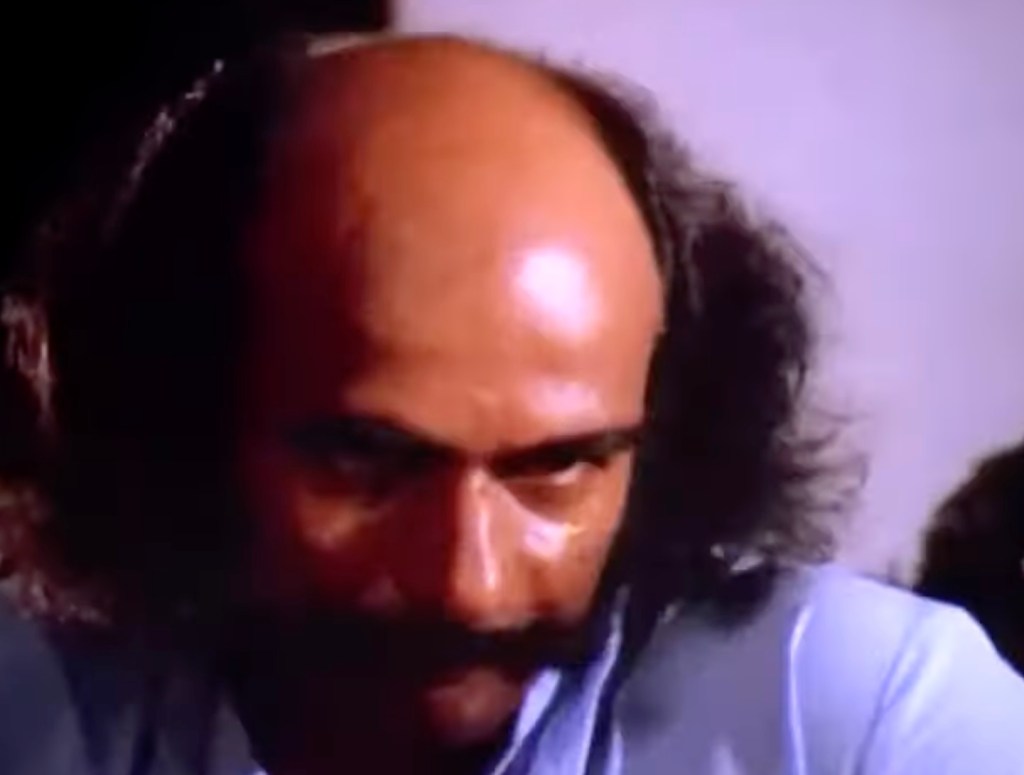
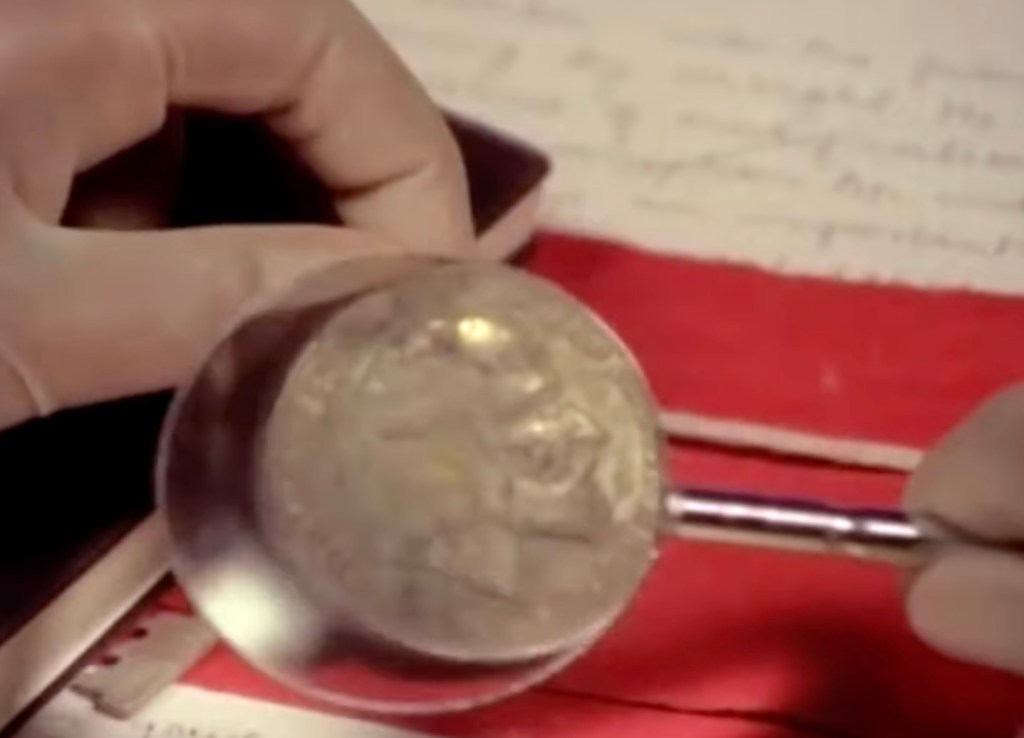
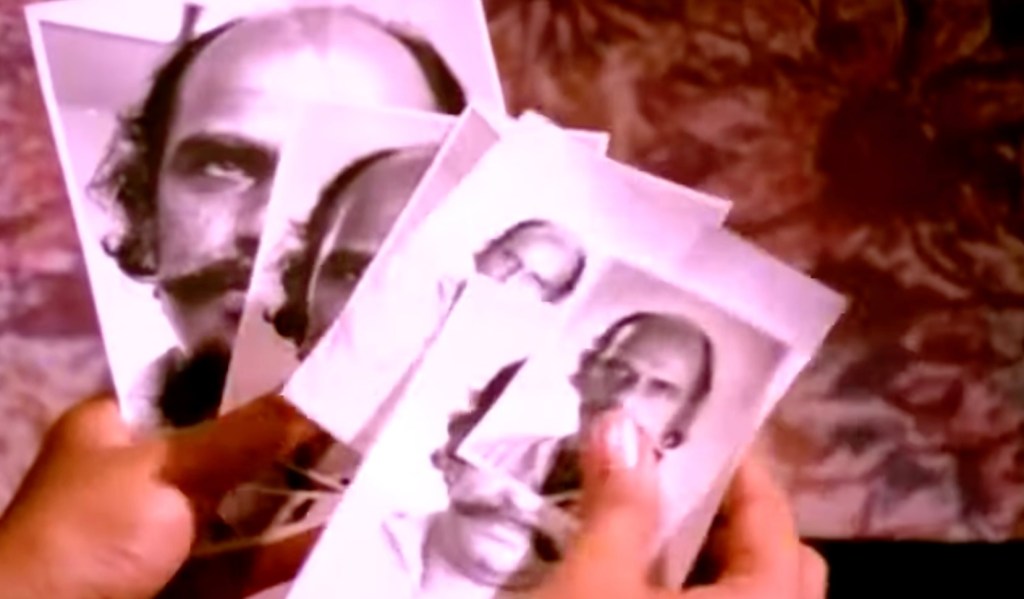
While the rest of the troop is interrogated, it is revealed that while some believe that Aiyappan is no more, there are others who believe that he is still alive. The investigation hits a dead end until Aiyappan’s murdered corpse is discovered in a paddy field. A vital clue at the crime scene will help solve the crime. However, like in most great whodunits, this will not be simple. The plot packs a few twists before reaching its dramatic climax.
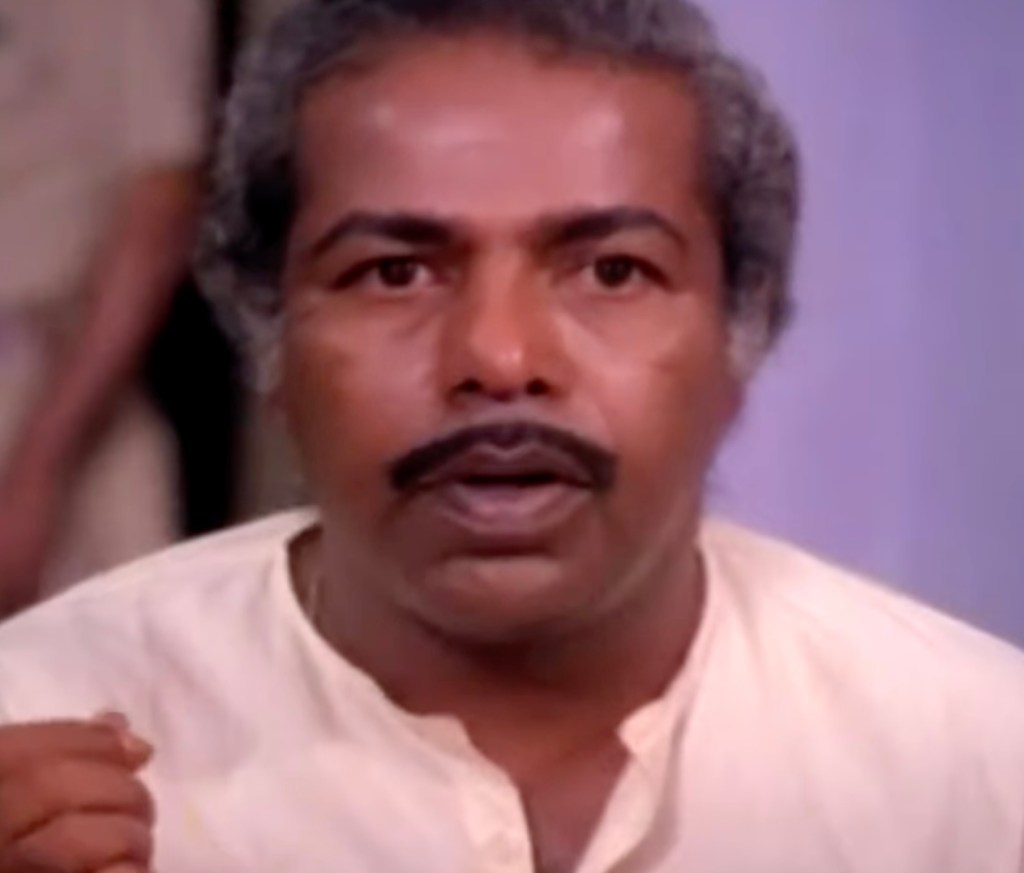
While the entire cast, including Jalaja and Suresh Gopi, have thrown in phenomenal performances, two stand out. Thilakan, as Vakkachan, the owner of the Drama company, is impressive. He does all he can to run his company as a tight ship with no controversies.
Mammootty also impresses as CI Iraly, a cop and family man under pressure from his superior to close the case. This cop is far different from Sethraman Iyer, the calm and collected CBI officer, a recurring role Mammootty would play in later movies.
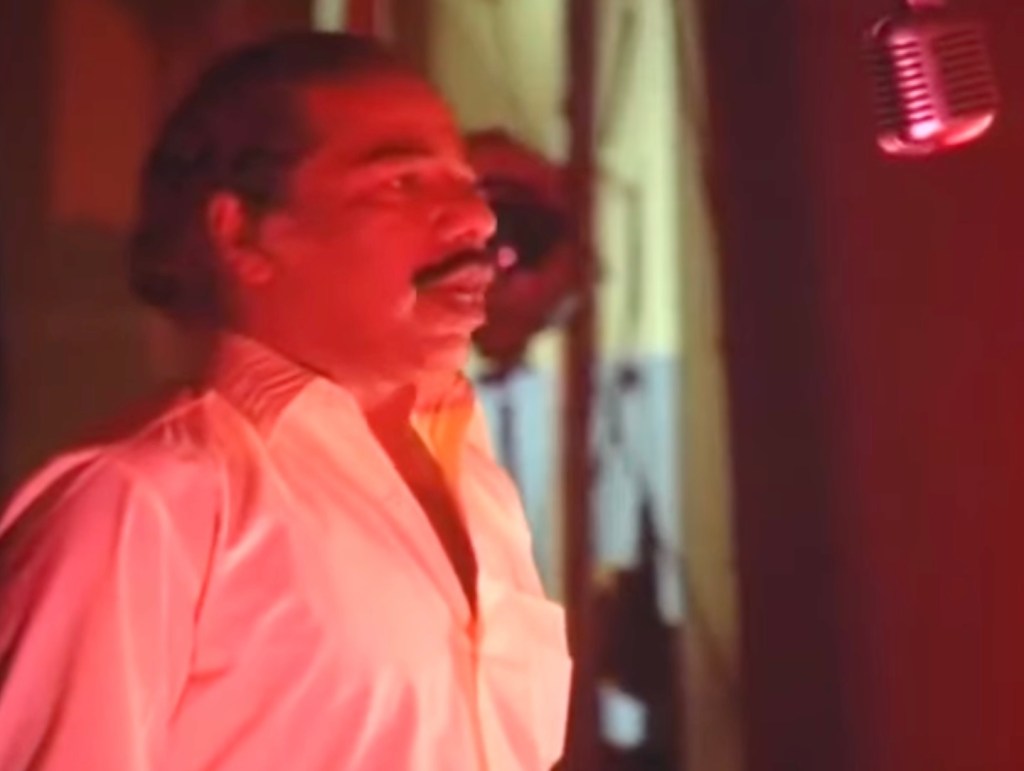
As was customary for its time, the plot is long-drawn-out with songs and extended scenes from the dramas performed by the Theater troop. The songs, however, are melodious and soothing and are sung by veteran background singers Yesudas and Selma George. However, Yavanika still holds the viewer’s interest with its plot. The genius of Yavanika is its simplicity and the realism of its characters. The color tones in the movie too are optimal, neither too bright and ostentatious nor too dark and dreary. It is a movie that grows on you and becomes more absorbing as we get further into the plot. The movie won awards for the best film and best screenplay at the Kerala State Film Awards. Thilakan won the award as Second Best Actor at the Kerala State Awards, while Mammootty was judged Best Second Actor by the Kerala Film Critics Association.
Despite a modest budget and with limited sets, director and screenwriter K. G. George has created a masterpiece and an absorbing movie experience that even outperforms many good contemporary Indian movies.
If you are a fan of whodunits, you will love Yavanika!








 Bay Area Bloke