
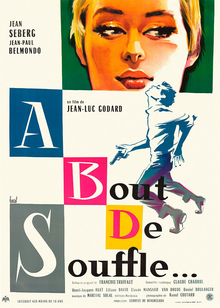
Even a casual perusal of my blog would reveal my passion for movies of numerous genres from all over the world. With no formal education in film or moviemaking, I see myself as a lifelong student of movies, aiming to understand genres, filmmaking styles, their origins, and motivations.
Today, we will look at a film that is a significant landmark in the French New Wave (Nouvelle Vague) cinema, which emerged from the late 1950s and is considered by critics as one of the best films ever made. New Wave moviemakers were known to reject traditional standards of moviemaking and were unafraid to break rules, experiment, and innovate. Some characteristics of New Wave movies were long takes, abrupt changes in scenes, and a focus on realism and existentialism.
It is most impressive that moviemakers in the 1950s could achieve a high level of movement. They did all they could with available technology to achieve portability and more camera motion and reduce the time to set up equipment. New Wave Movies broke the convention of an axis of 180-degree movement of traditional moviemaking.
Realism meant that there was more focus on the emotions of characters, which meant more close-ups, and of course, that meant more facial expressions were expected from the thespians. Sounds were recorded while shots were being taken, so there were fewer voice-over recordings done in studios.
Camera film technology had improved to a point where they needed less light. One of the motivations for innovation of this period was that budgets were tight, as this was the post-World War period.
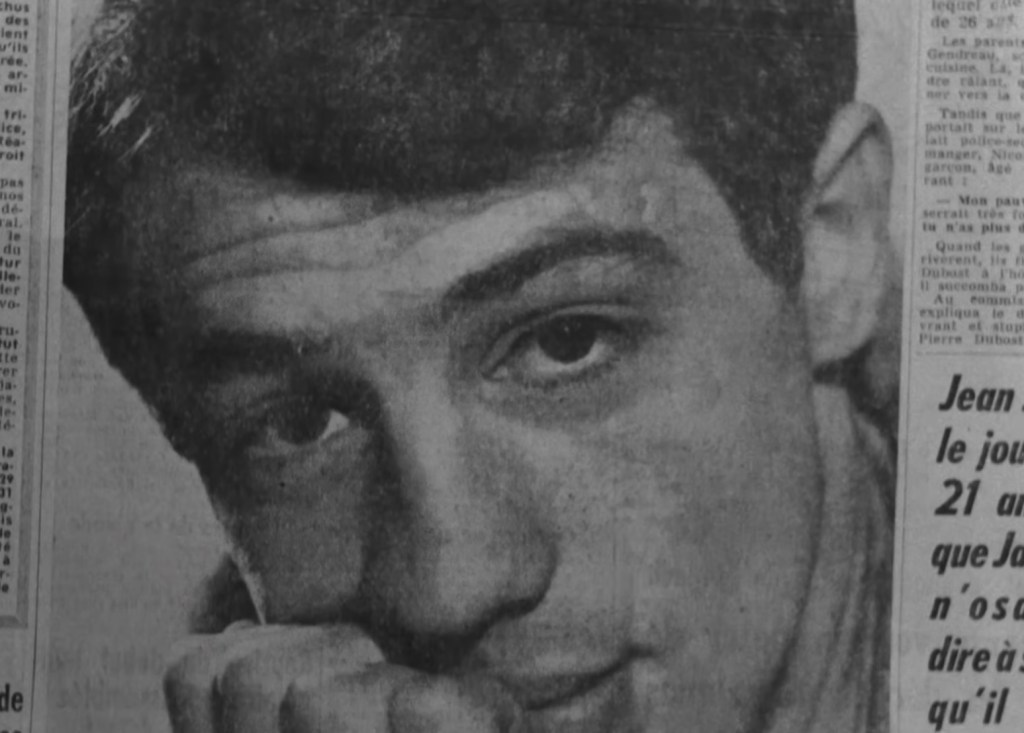
Jean-Luc Godard, who wrote and directed the movie, envisioned the movie to be presented as a documentary (a reportage). Jean-Paul Belmondo, who plays the male lead in the movie, would emerge first as a New Wave actor with the success of ‘Breathless’ and later become a superstar in French cinema, both as a talented actor and an action superstar. The entire movie is a commentary on the impact of American movies and trends on the French.
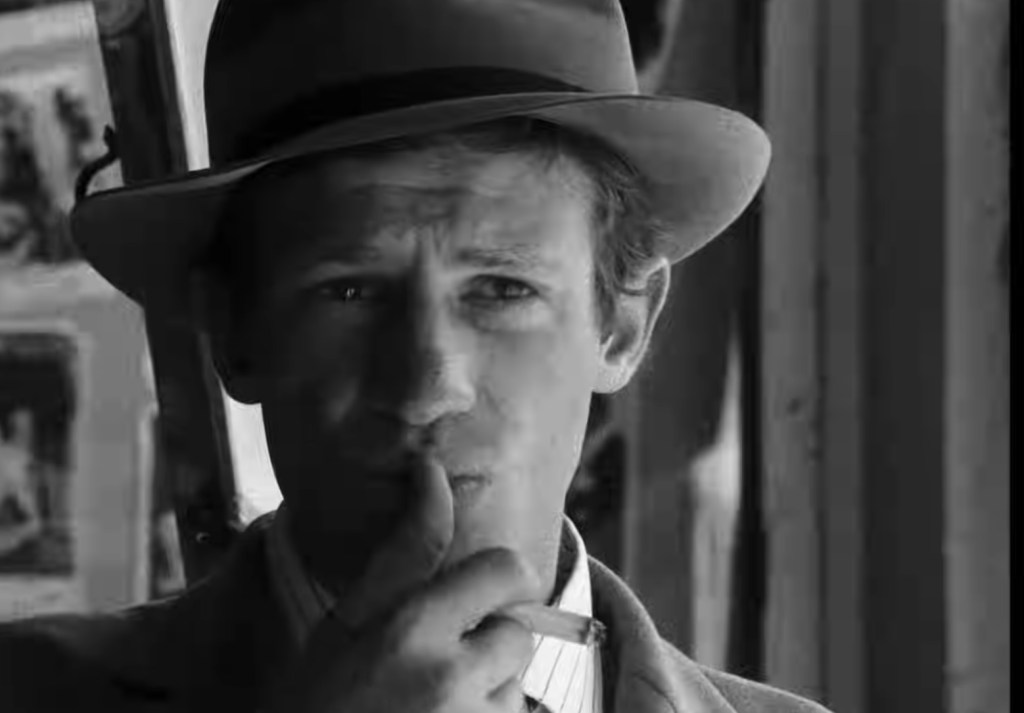
The genius of Breathless is the simplicity of its plot. Michel (Belmondo) is a petty thief. Unlike the brooding hero of film-noir, Belmondo’s Michel is best described as callously indifferent and only capable of superficial emotions. He is not a big thinker, a happy-go-lucky person living moment to moment and with an impulse to do things at the spur of the moment. He is a fan of Humphrey Bogart and tries to emulate his hero’s mannerisms and swagger. Like Bogart, Michel is a heavy smoker.
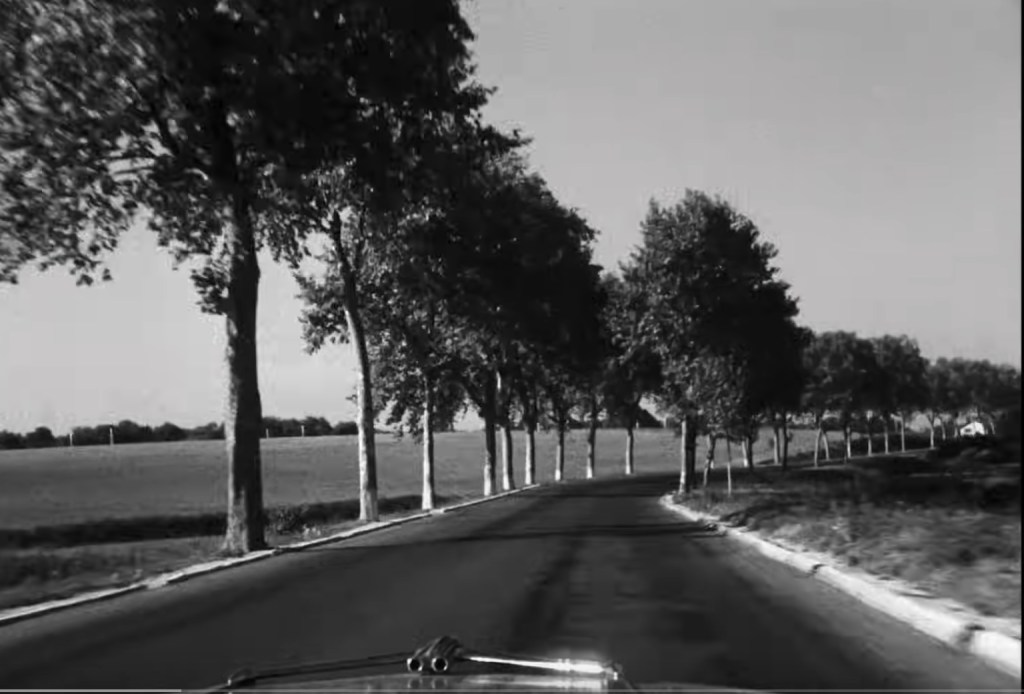
In the opening scene, we see Michel steal a car and drive recklessly through the countryside as he presents his worldview with a running commentary. Realizing he is being chased by the police, he attempts to drive into a wooded area to conceal his car. Unfortunately, an officer notices him and approaches him.
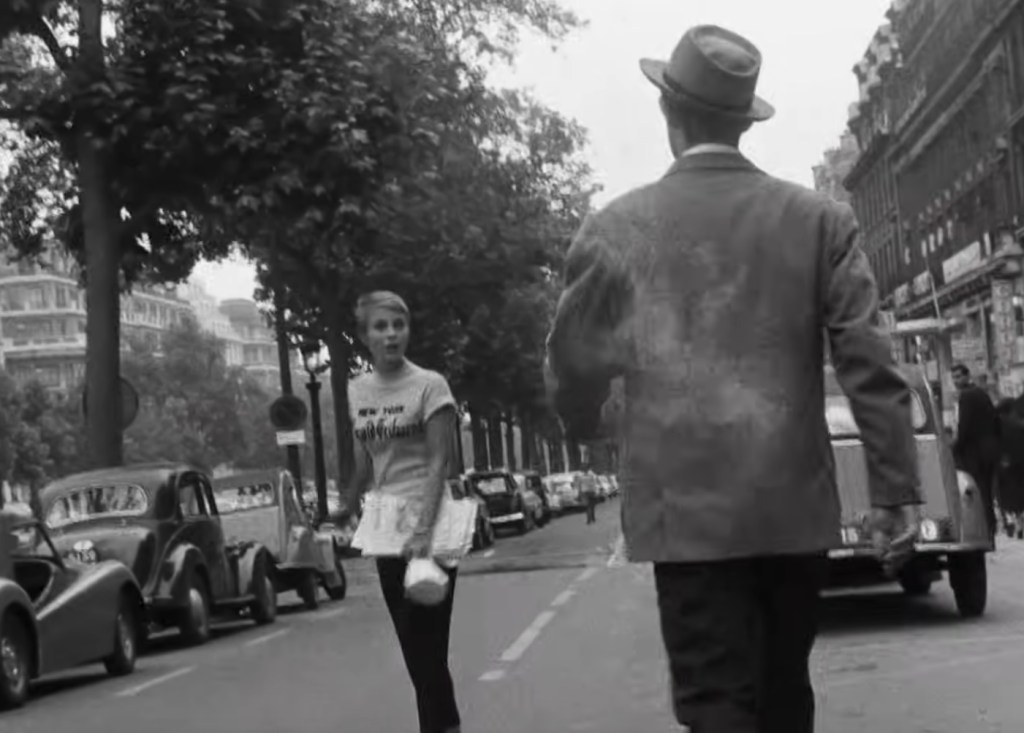
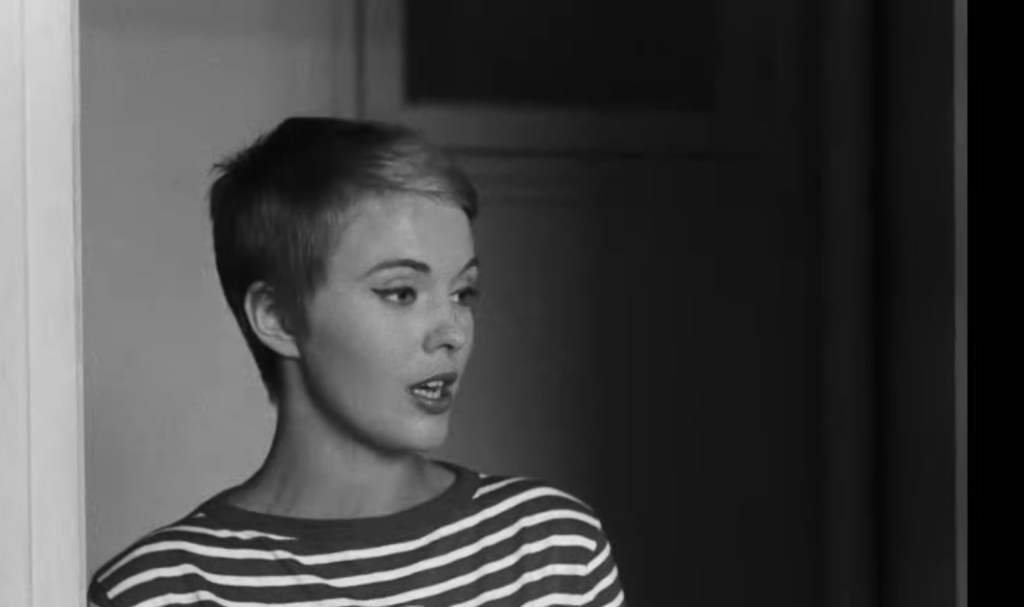
Impulsively, Michel guns down the officer and flees the scene on foot. Now broke and on the lam, he makes it to the streets of Paris and meets Patricia Franchini, his on-again-off-again girlfriend. Patricia, who has come to Paris from the United States, is an aspiring student and journalist, trying to make ends meet by selling newspapers on the streets. She is a survivor, willing to go to any lengths to make it in Paris. She also has plans to enroll at the Sorbonne.
The dynamics between Patricia and Michel are interesting. Patricia is happy to see Michel but tells him that she must meet another gentleman who is helping her and finding her leads in her quest to establish herself as a journalist. Michel watches her leave and stalks her as she meets her friend. He sees her get into a car with the man and passionately kiss the man and then departs the scene.
Later, when Patricia returns to her apartment, she finds Michael sleeping in her bed. (Talk about an abrupt change of scene.) Then comes a long scene that involves a conversation between Michael and Patricia that takes up about a third of the movie.
This sequence is ingenious in many aspects. It showcases the character and aspirations of both Michael and Patricia. Michel thinks he is in love with Patricia. However, he is unaware that his feelings are just superficial and he cannot comprehend that his desire to have her is not eternal love.
Patricia sees this and though she has feelings for Michel, she is unsure if she wants to spend her life with him. The conversation also gives us a glimpse of Patricia’s view on the French and Michel’s take on Americans. Patricia is well-read and quotes literature, a subject that Michel cares less for. Michel does his best to convince her to go to Italy with him. Of course, Patricia is unsure.
Later, as Michel prepares to abscond to Italy, Patricia goes to a press meet where an eminent writer-philosopher, Parvulesco (Jean-Pierre Melville), is being interviewed by several journalists. Here again, director Jean-Luc Godard presents a glimpse of a Frenchman’s view of the Americanization of Paris. One aspect that Parvulesco touches upon is the growing feminist movement, by saying that American women are more dominant. He even attempts to flirt with Patricia by complimenting her sunglasses and attire.
Meanwhile, the police are closing in on Michel and approach Patricia. Michel continues to steal cars and is trying to make preparations to escape to Italy with Patricia. Will Patricia go along? Will she protect Michel? Will her feelings for Michel end? What happens next forms the rest of the movie. The final dialogues in the movie are considered iconic.
Character development is one of the key aspects of any great movie. Here Michel’s character exemplifies the Americanization of a French male. Michel tries to emulate Bogart in style. He is a petty thief but sees himself as a larger-than-life gangster. A large part of his attraction to Patricia is that she is American.
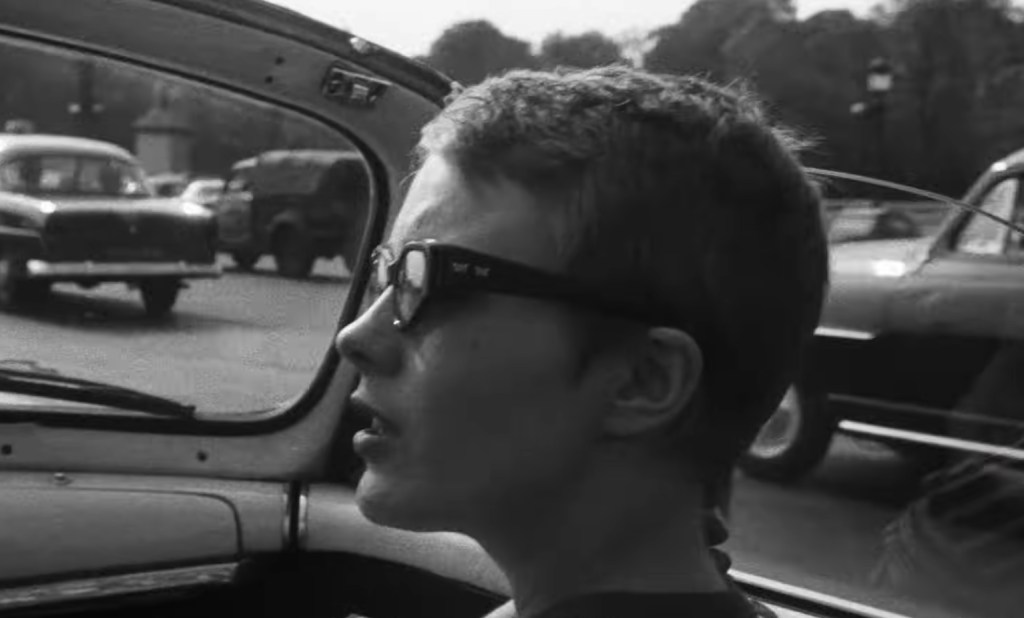
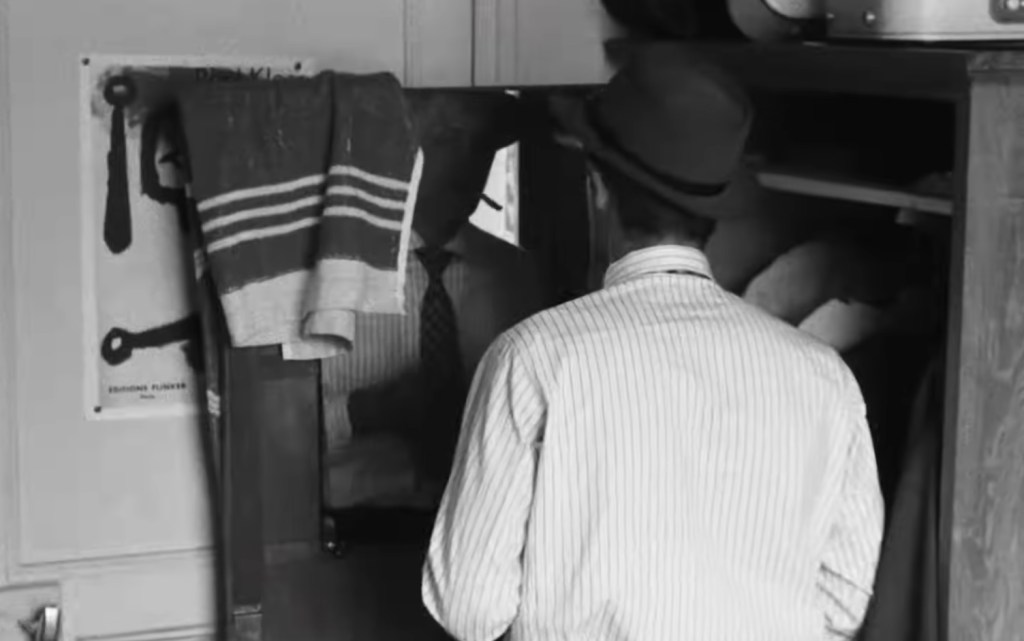
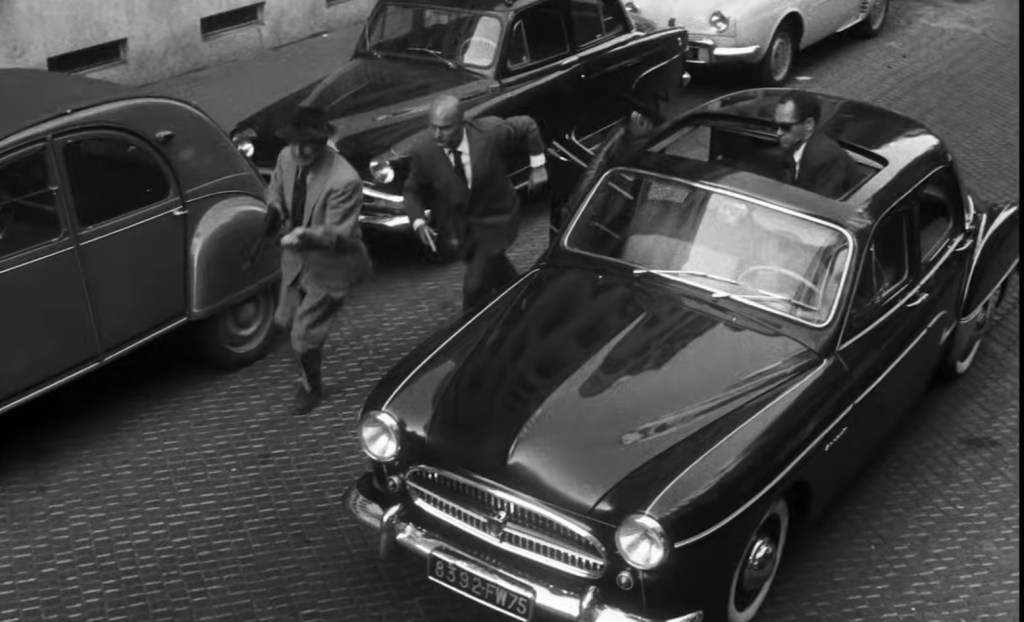
I cannot recommend this movie enough. For lovers and students of filmmaking, it is a must. Despite being black and white, the cinematography is breathtaking. Some views of Paris and its monuments are astounding, considering the period of the film. The cinematography borrows some aspects of film noir, particularly light and shadow, but it goes beyond noir by the fluidity of camera movement, one of the hallmarks of the New Wave Era. “Breathless” ranked 11th in BBC’s list of Foreign Movies and 38th in Sight and Sound’s best movies of all time.










References:
https://en.wikipedia.org/wiki/French_New_Wave
https://en.wikipedia.org/wiki/Breathless_(1960_film)

 Bay Area Bloke