

“Sleuth” is a 1972 crime thriller, also based on a play that has some similarities to Deathtrap, the movie I reviewed in my last post, though its lead character is driven by different motives than the ones in Deathtrap. Critics, like Roger Ebert, have compared “Deathtrap” favorably to the movie that we will look at today.
“Sleuth” combines the talents of Michael Caine and the great Sir Laurence Olivier, both of whom received Oscar nominations for their performances in the movie. Directed by Joseph L. Mankiewicz and based on a play by Anthony Shaffer, who also wrote the movie’s screenplay, the plot is a deadly battle of egos between the two protagonists.
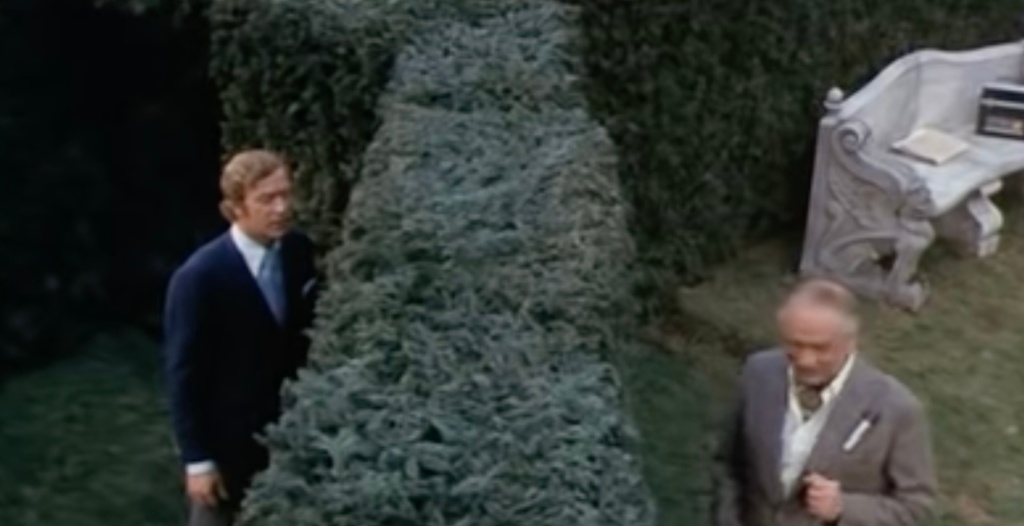
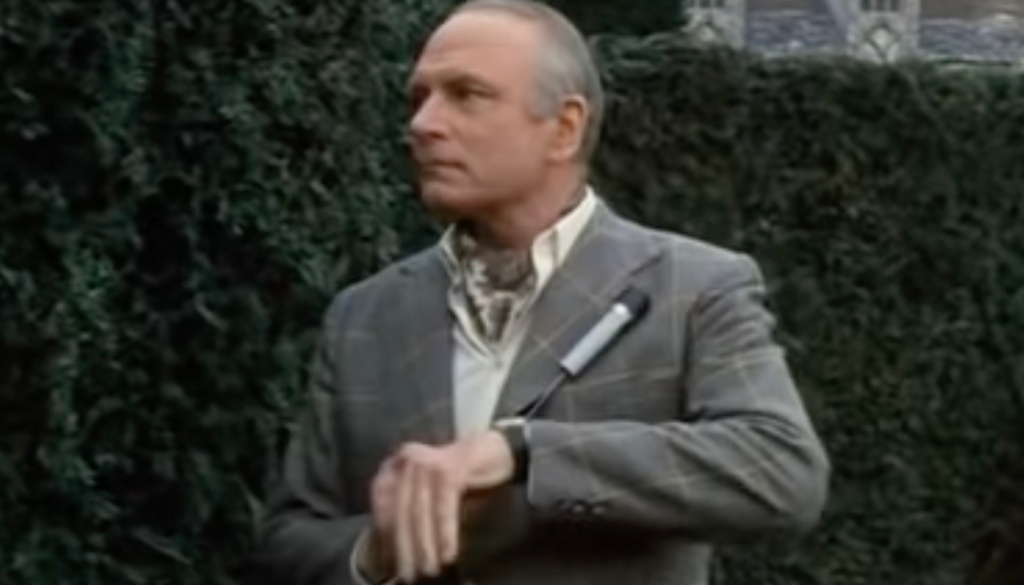
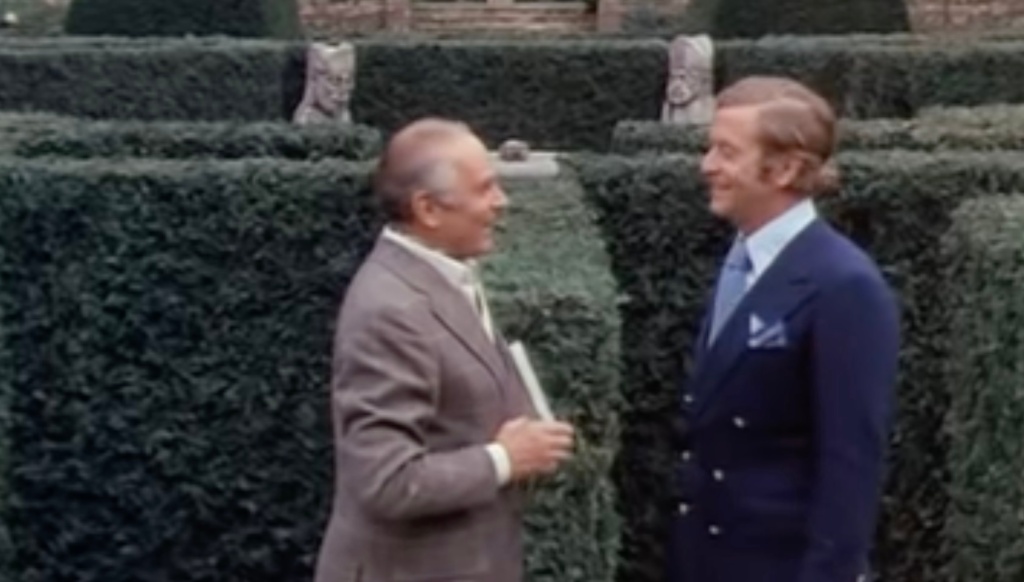
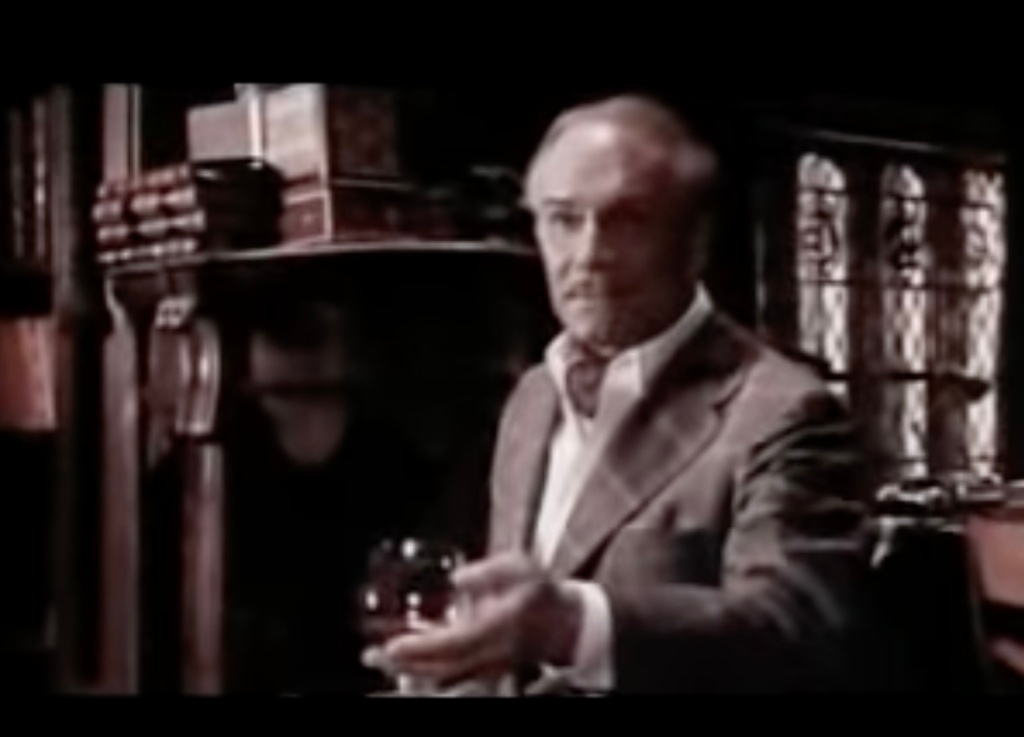
Andrew Wyke is a successful and prosperous author who lives in a large manor with a hedge maze constructed on its grounds. Within the maze, Wyke has constructed an area where he narrates his audiobooks into a tape recorder.
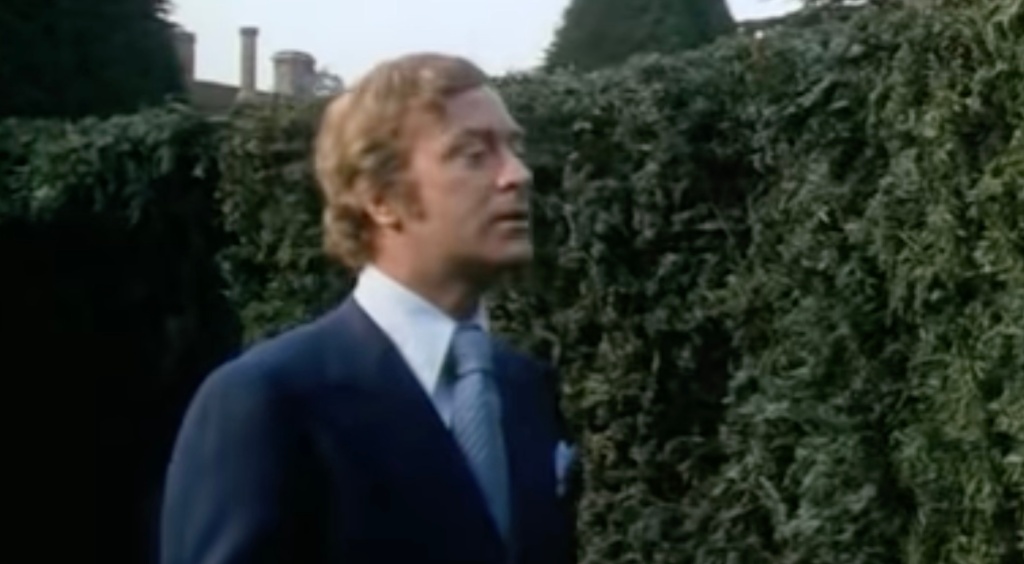
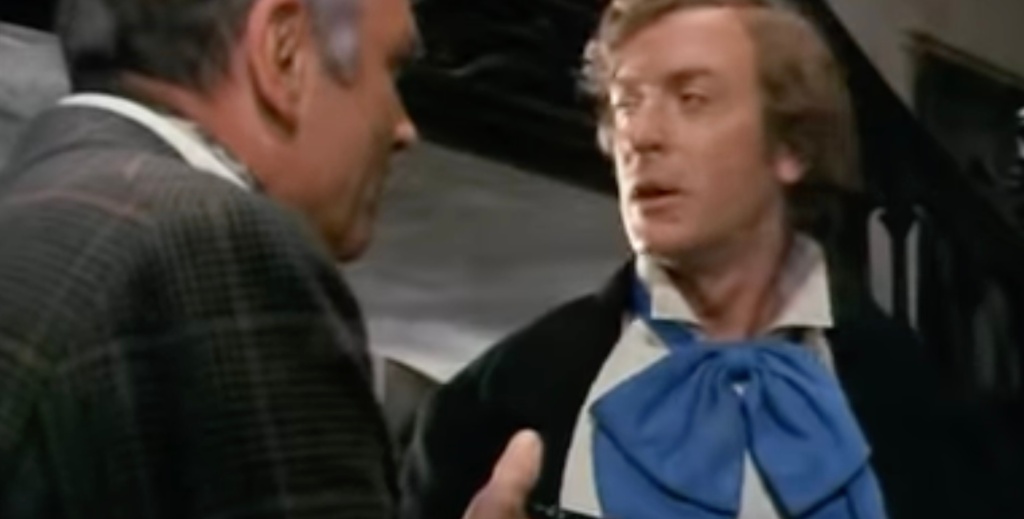
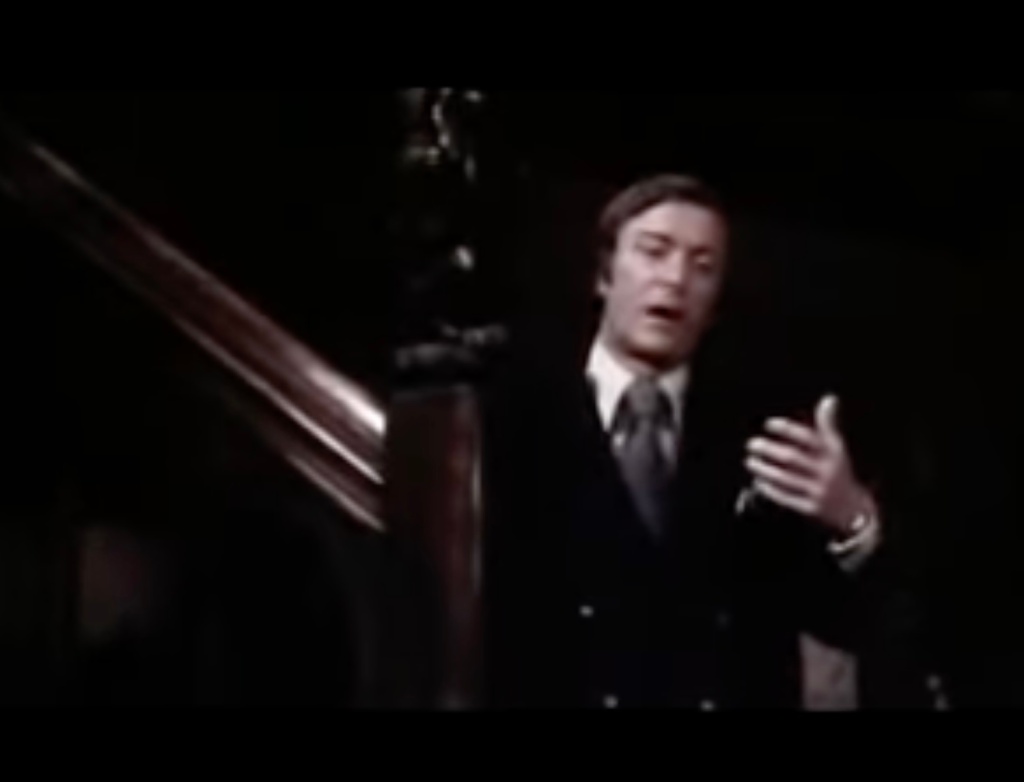
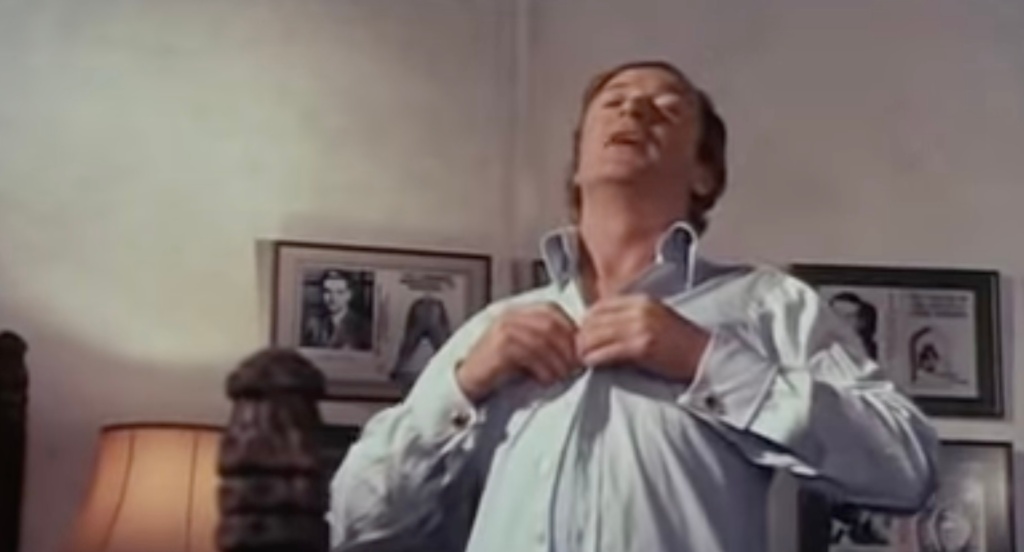
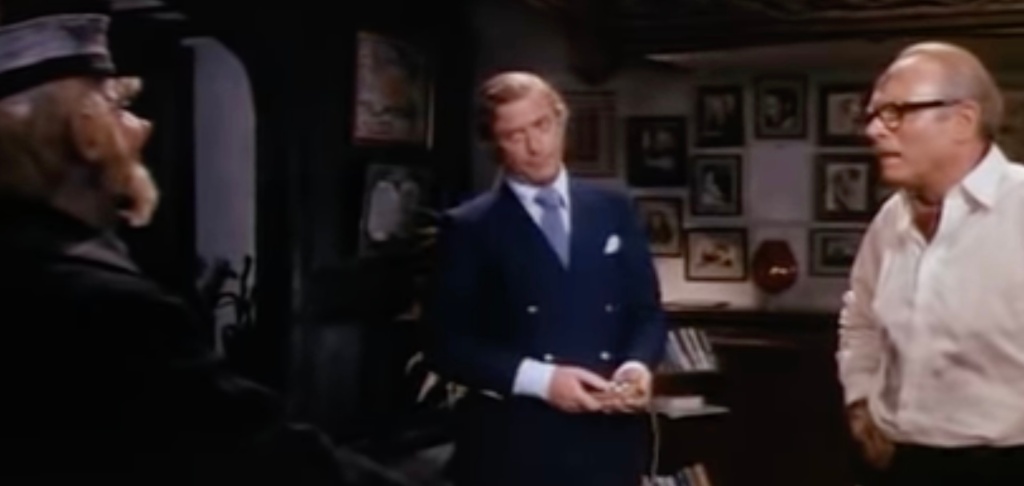
One day, a well-dressed and younger man (Michael Caine) makes his way through the maze and meets Wyke. The man is revealed to be Milo Tindle, who is involved in an affair with Wyke’s wife. Wyke himself has invited Milo for reasons yet to be revealed. It is revealed that Milo is a hairdresser who comes from modest beginnings.
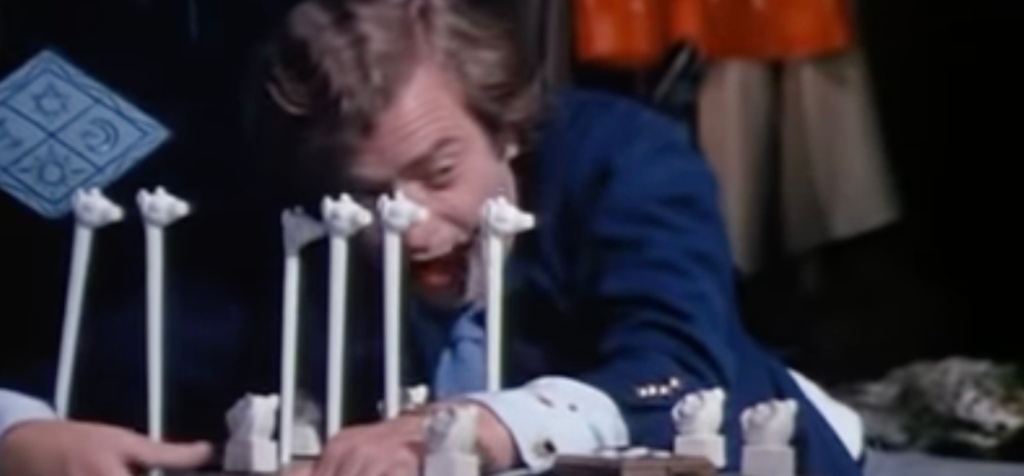
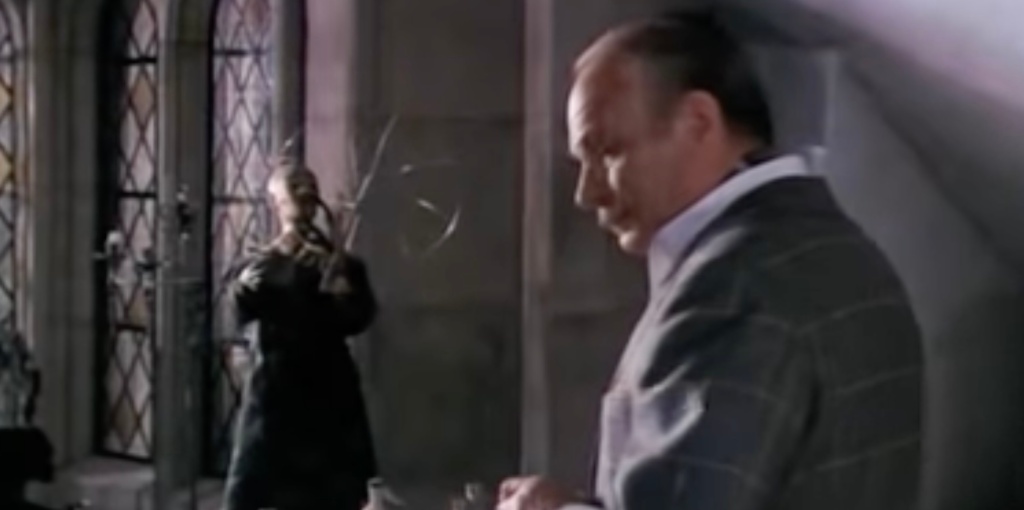
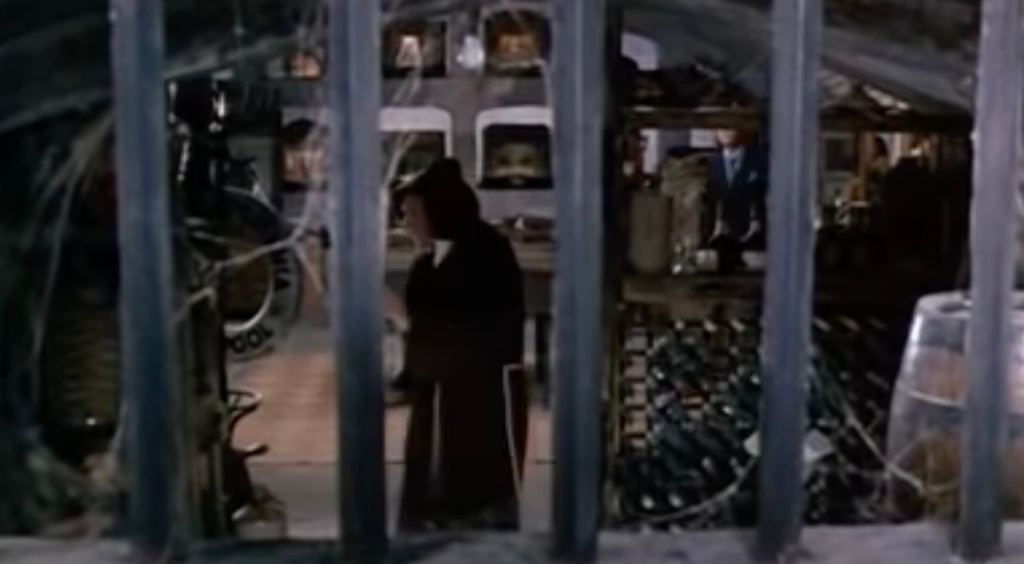
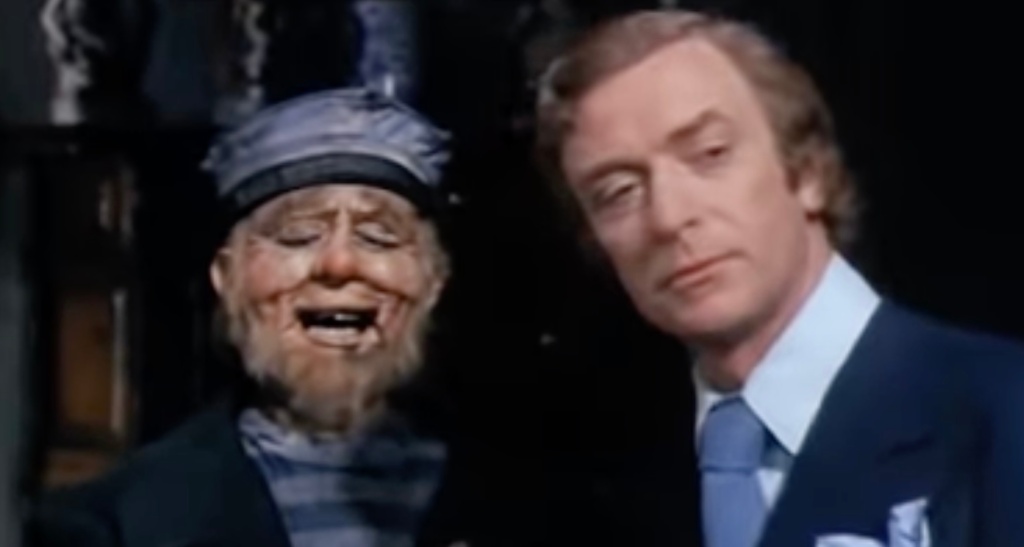
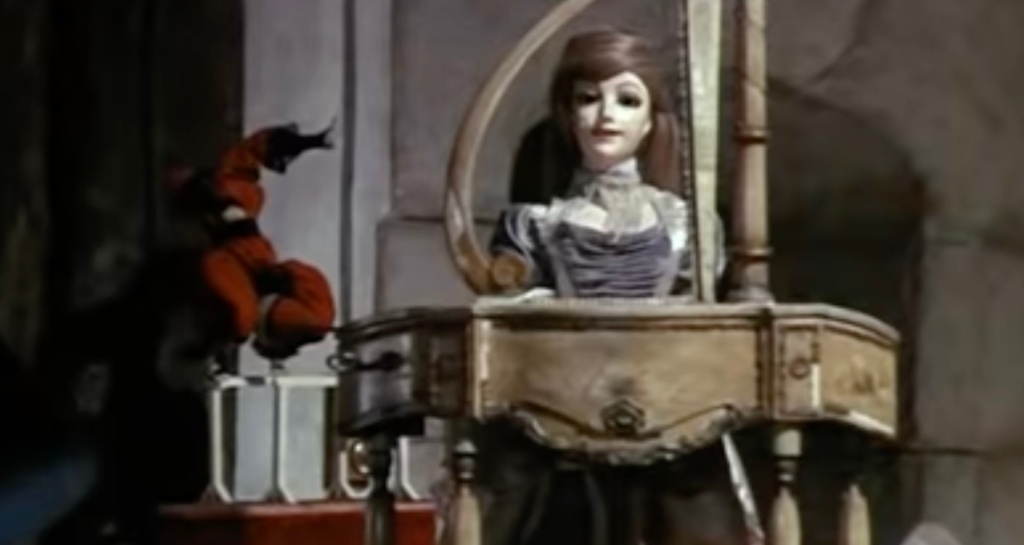
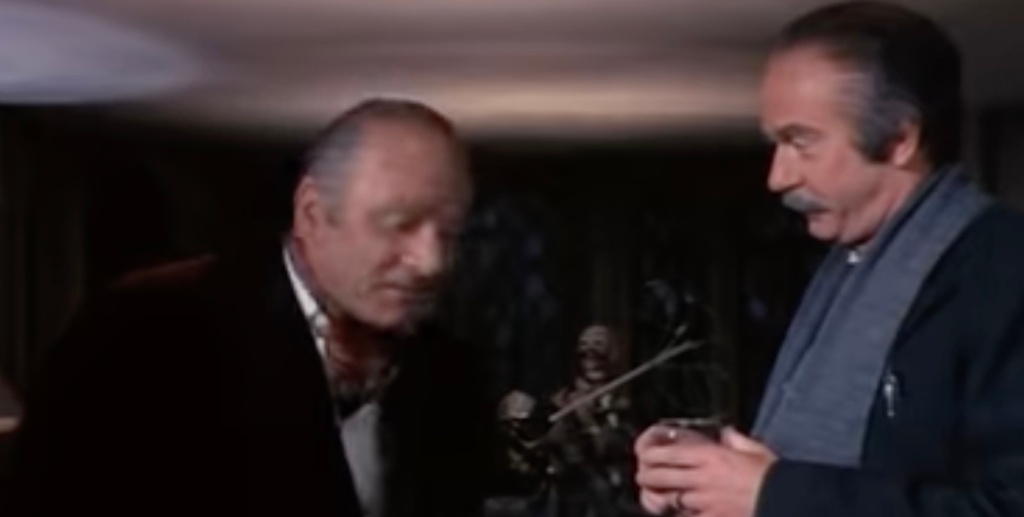
As the men go indoors, we get a glimpse of his eccentricities. Besides the mundane dartboard and a few pool tables, Wyke has filled his mansion with antique games and ‘automata.’ These are special figurines, sometimes life-sized, equipped to do odd things. One of Wyke’s favorite automatons is a statue of a sailor that can mimic a laugh when triggered by an electric switch. They may be considered the 70s version of robotic toys. Milo seems to have a penchant for games and has quite a collection of antique games.
The conversation between the men is cordial and polite at first, but soon Wyke becomes confrontational and angrily lashes out about his wife. Wyke warns Milo that his wife is a woman of expensive tastes and that Milo will not be able to support her expensive lifestyle.
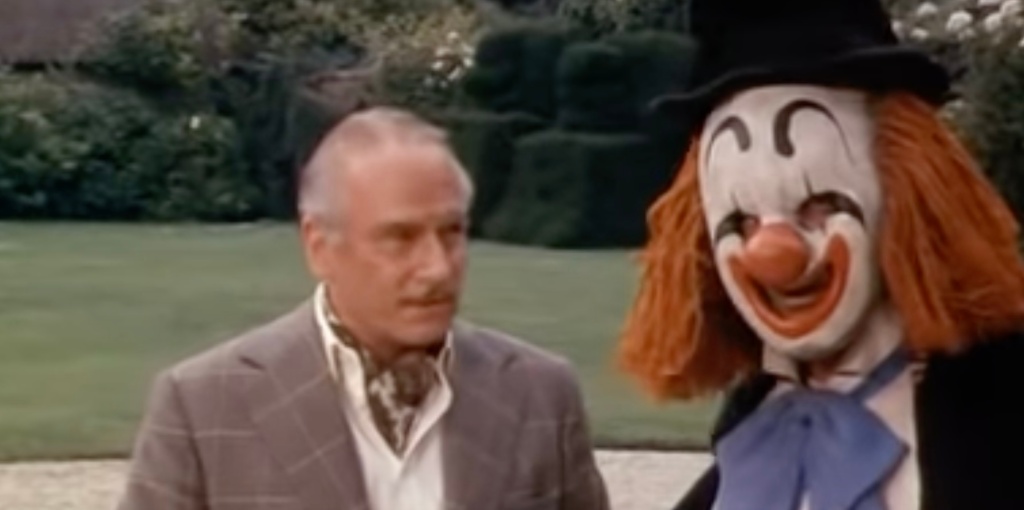
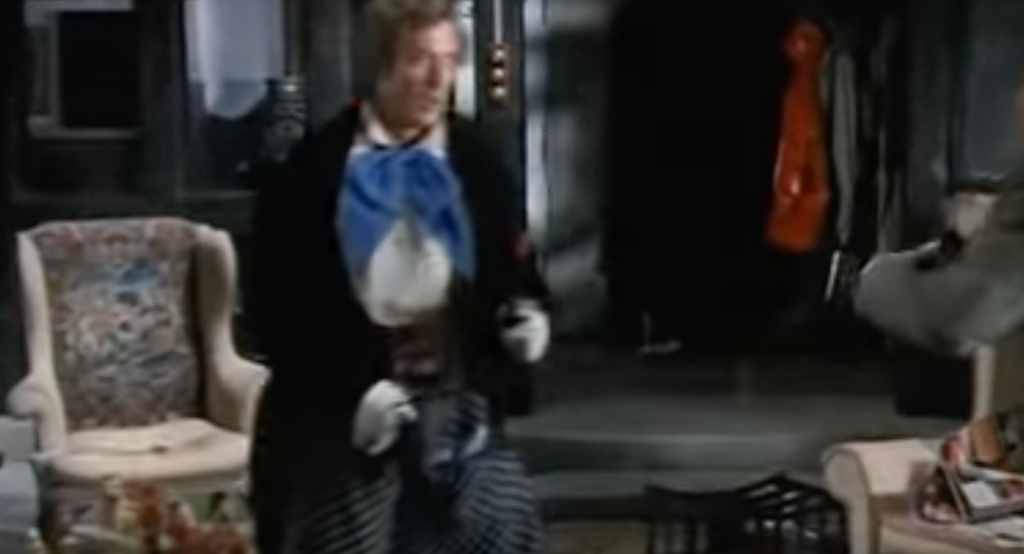
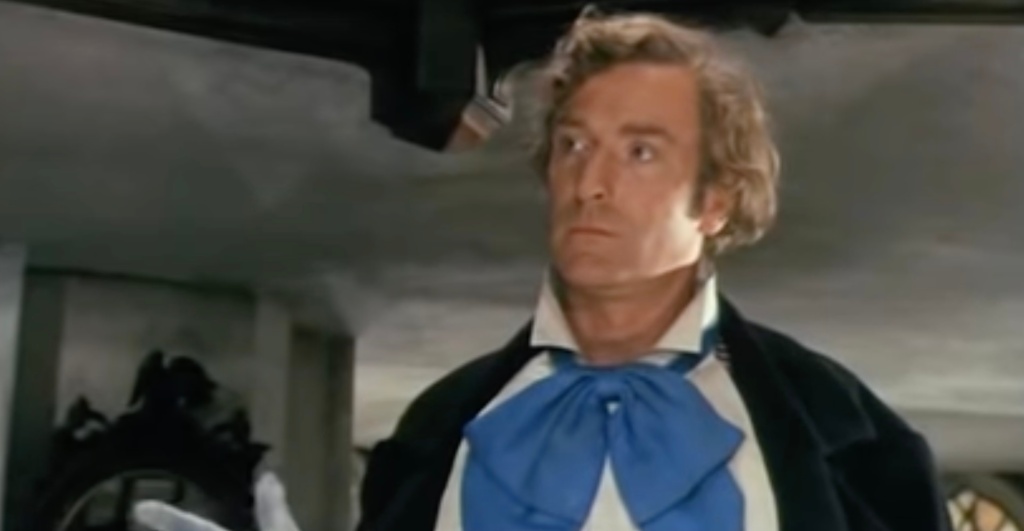
Wyke then proposes a possible ‘solution’ to fix Milo’s problem and asks Milo to ‘take his wife’ from his hands. The plan was that Milo and Wyke would stage a robbery in Wyke’s mansion. Milo would wear a clown’s costume and steal some jewels from the mansion, and then Wyke would collect money from his insurance company for the loss of jewels. Milo goes along, but Wyke has other plans that involve murder.
That is only the first part of the plot. When I wrote my review of Deathtrap, I used the metaphor of an onion with many layers to describe the plot. The same is true of Sleuth. There are twists and more mayhem in the rest of the plot before the film comes to its conclusion.
The outstanding performances from both veteran thespians make “Sleuth” an engaging watch. The part with Michael Caine strutting around in jest in the clown costume while staging the burglary of Wyke’s home is quite hilarious. Not to give too much away, the next chapter of the play that features a shrewd cop is also one of the highlights, but the twist in the third and final part of the play is most unexpected.
Personally, I liked this film better than Deathtrap, though most critics may disagree with me. To see Caine and Olivier at their best, go ahead and watch this film. Kenneth Branagh remade the movie in 2007, once again with Michael Caine in a lead role. This time he played Andrew Wyke, while Jude Law played Milo. It was not well-received, which makes this “Sleuth” the one to watch.



 Bay Area Bloke