
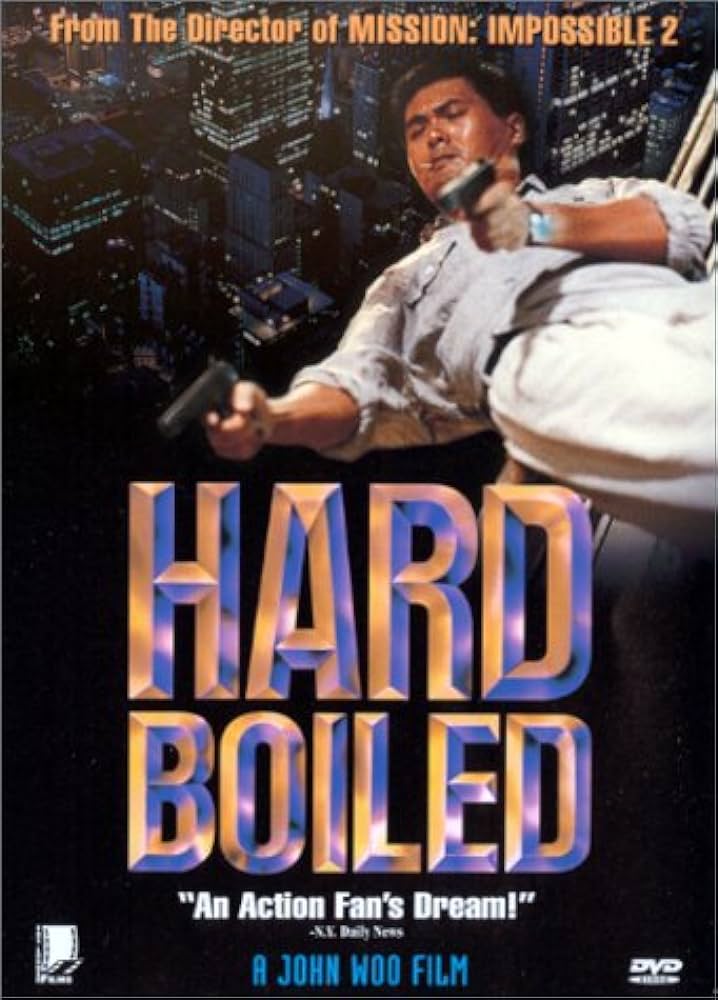
Who could have imagined, two decades ago, that a director and star from Hong Kong would be a worldwide inspiration for stylish gangster movies with gun fights? John Woo and Chow Yun Fat would forever change the world’s image of Hong Kong movies, which were mostly known for martial arts.
In today’s post, we will look at ‘Hard Boiled’, one of the best action films from the 90s, which is unfortunately often overlooked. The movie was Woo’s last Hong Kong movie before his stint in Hollywood.
Style and action are the operative words in ‘Hard Boiled’. Chow Yun Fat can appear stylish in almost anything he does. In the opening scene of Hard Boiled, he chugs down a glass of water, then plays a melodious jazz tune at a bar.
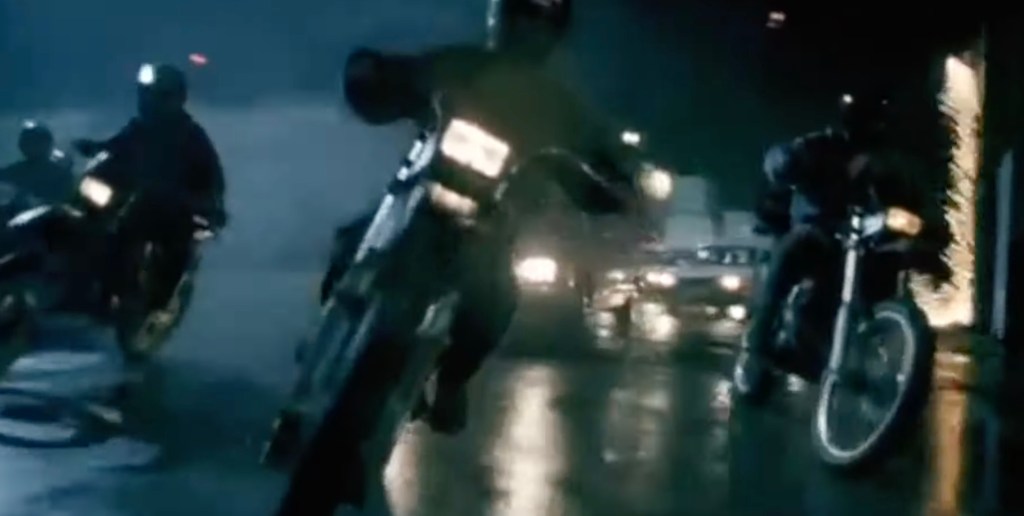
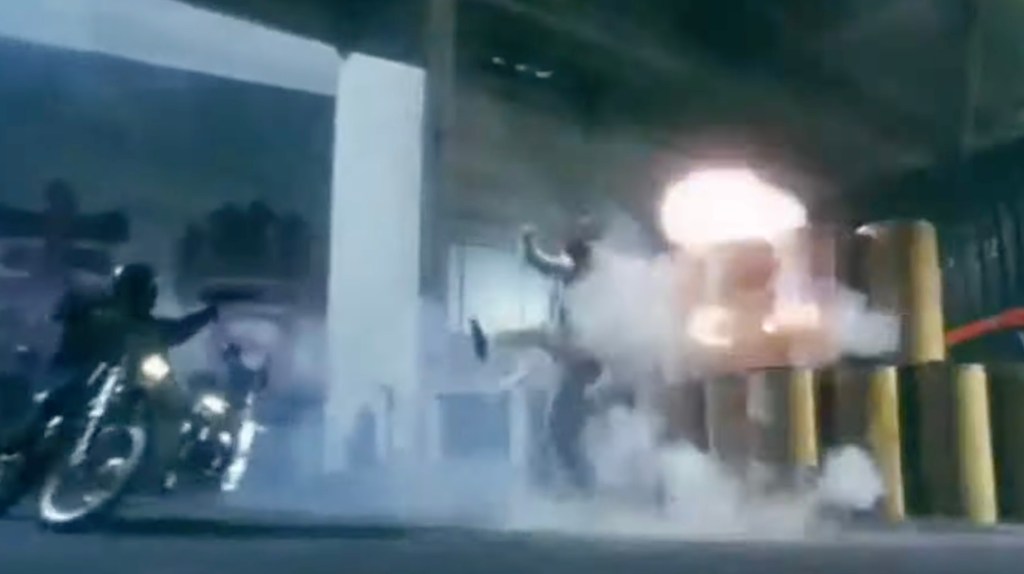
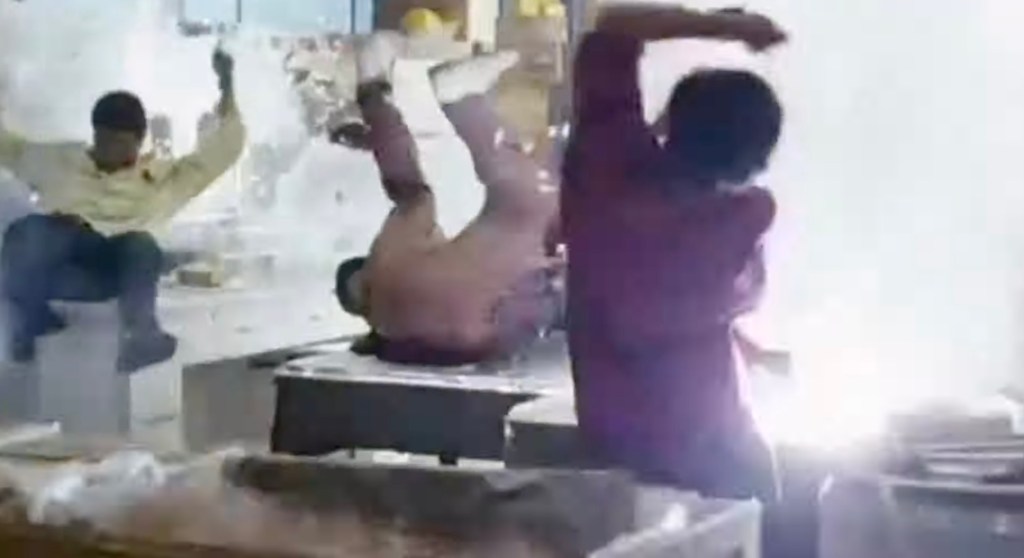
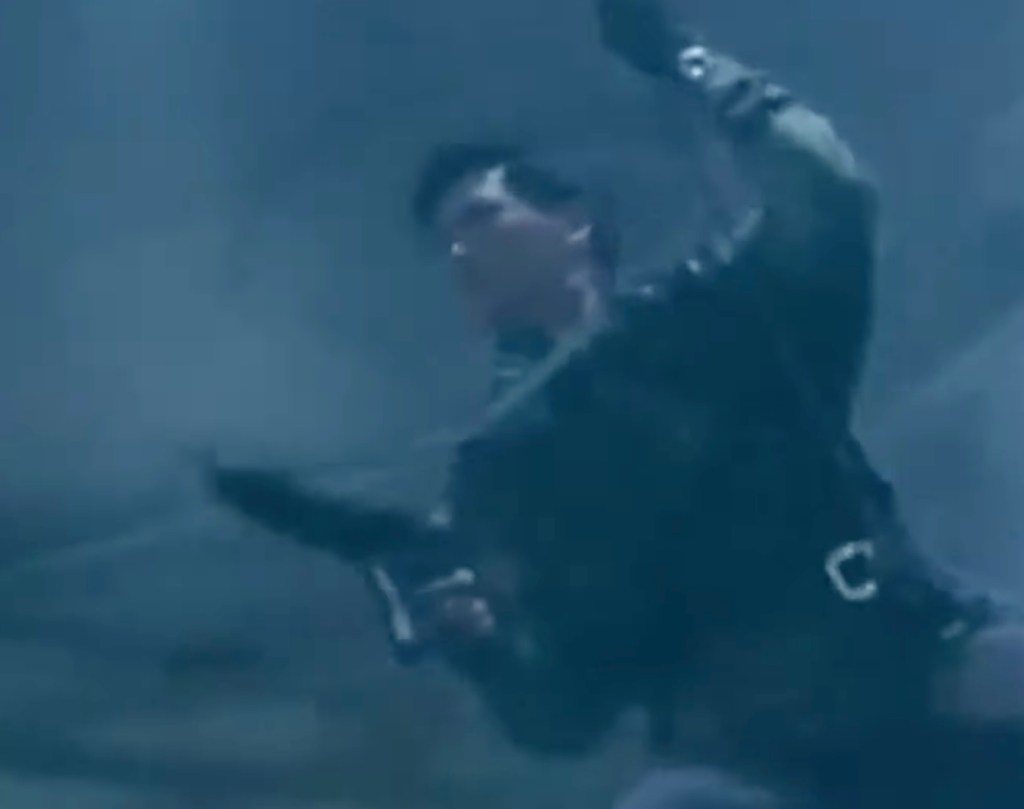
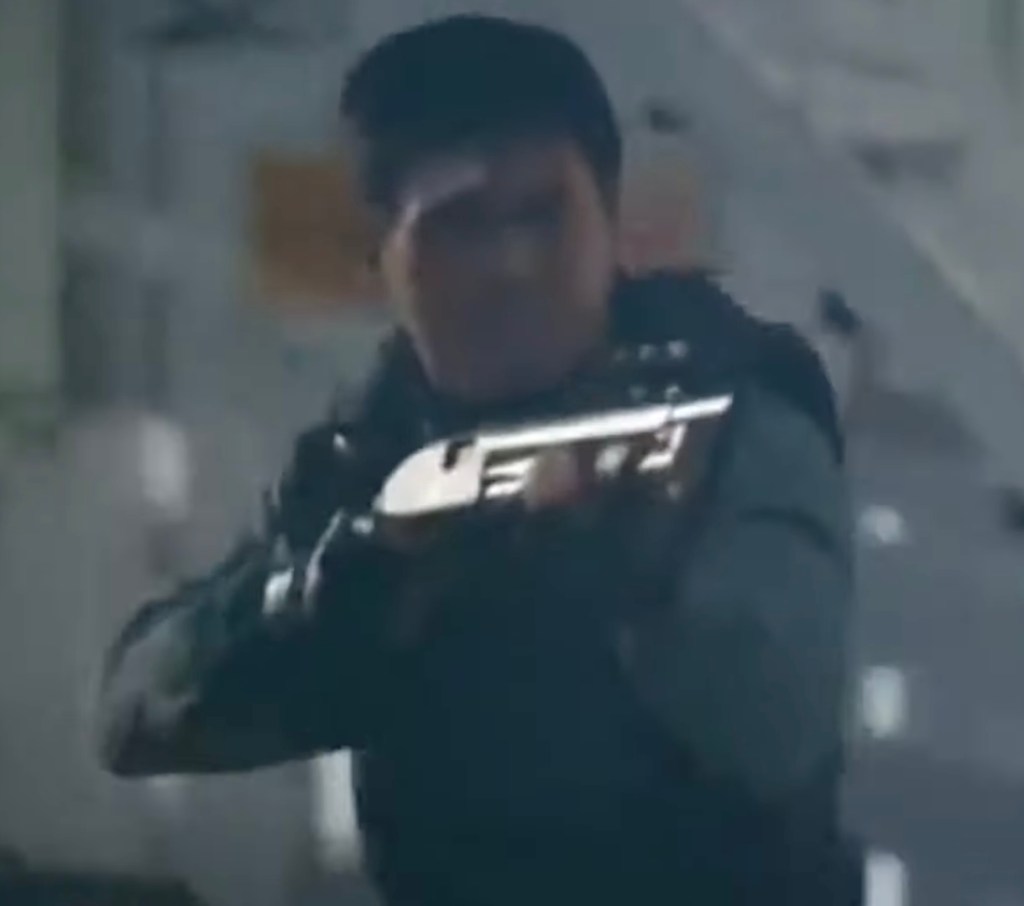
The movie’s action scenes are spectacular, considering that it was made in the 90s without the use of technology and only with outstanding stuntmen and camerawork. The shootout scenes, at a coffeehouse early in the movie, another at a warehouse, and the final one inside a hospital are amazingly choreographed and memorable.
It is obvious that John Woo takes the attire of his cast and the aesthetics of style very seriously. One simply has to look at the suits worn by the protagonists and how each of them carries themselves in the movie.
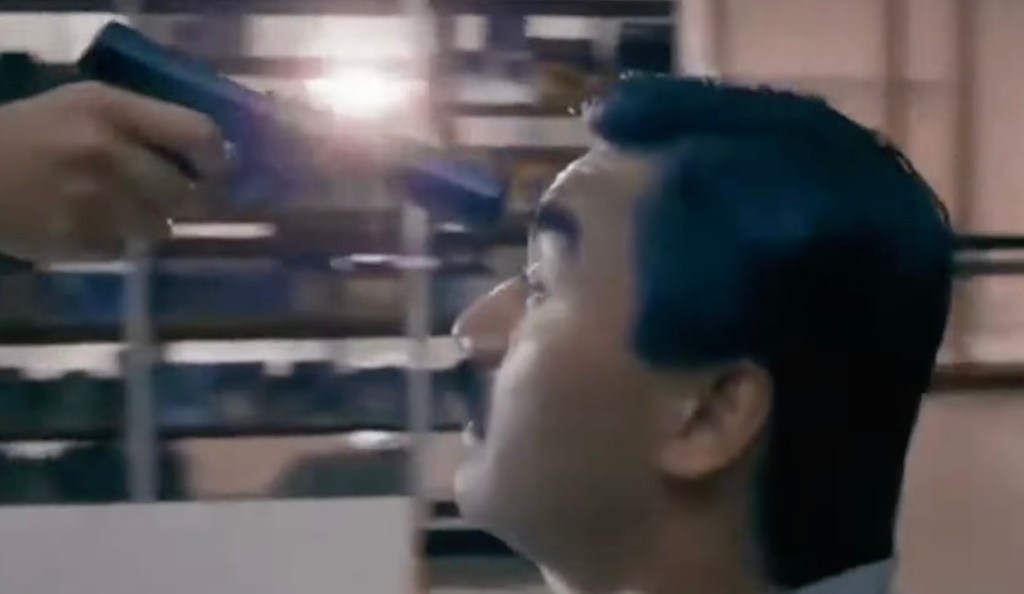
The movie includes most of the “Easter eggs” that John Woo is known for. It has the often-imitated Mexican standoff, the two-gun-wielding protagonist, and his use of birds. (In this movie, these are Origami birds, made from paper.)
The plot begins with Tequila, a Hong Kong cop (Chow Yun Fat), and his partner Benny’s plan to spy on a gang at a coffeehouse. An unexpected shootout happens, and Benny is violently gunned down. Tequila retaliates by killing the gangster responsible for Benny’s death. Unfortunately, Tequila’s boss, Superintendent Pang, wanted this gangster to get information on the Triad.
Meanwhile, Johnny Wong, a notorious gangster boss, is trying to usurp complete control of the Triad by killing his rival “Uncle” Hoi. He enlists the support of Hoi’s close associate Alan to assist him in the takeover. However, unbeknownst to anyone, Alan is a cop secretly recruited by Hoi to infiltrate and bring down the Triad. Alan grudgingly helps Wong by double-crossing his boss, gunning him down at a warehouse. To prove his loyalty to Johnny, Alan proceeds to kill many of Hoi’s henchmen.
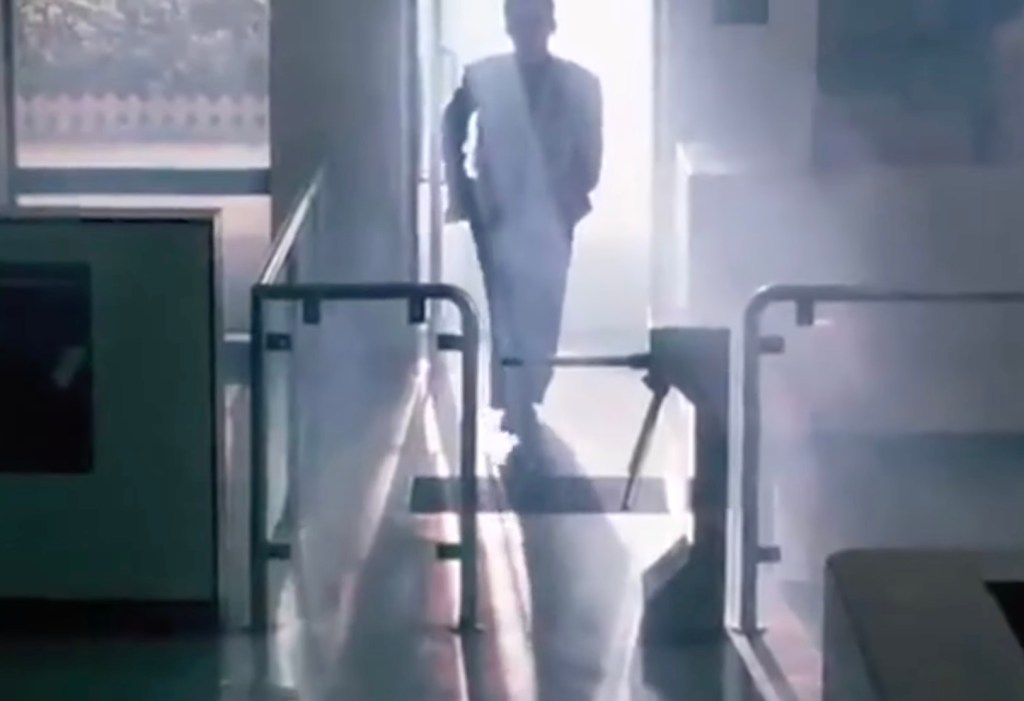
In a surprise move, Tequila makes a dashing entry and opens fire on Johnny’s men. The two protagonists come face to face when a standoff occurs at the scene. Soon the two men join forces and decide to bring down Johnny’s entire operation. The rest of the movie has high-octane scenes and ends with spectacular rescue scenes and a final shootout at a hospital.
One great hallmark of great directors is that they put a lot of effort into character development. Woo did this more with his Hong Kong movies than in his Hollywood movies, a topic I will delve into in detail at a later time.
Chow Yun Fat plays ‘Tequila’, the vigilante cop with seemingly effortless style. Tequila is fearless, frustrated partly by the fact that he is held back by his department’s bureaucracy. More importantly, he thirsts for vengeance on the Triad for the death of his partner at a coffeehouse.
On the other side is Tony Leung’s ‘Alan’ character, an undercover cop who has successfully infiltrated the Triads, won their trust, and built close relationships with its top brass. Alan is conflicted in his sense of loyalty and is tormented by the fact that he must betray those he has grown close to. The movie has the right quantity of pathos that is not overdone but helps the audience relate to Alan.
The dynamics of the friendship that develops between Alan and Tequila are relatable and well-presented with some injections of humor. This friendship shared between the protagonists, the ‘Confucian’ version of a bromance, is explained in detail in a course on Hong Kong movies I took through EdX by Dr. Aron Magnan-Park, Assistant Professor, Dept. of Comparative Studies, School of Humanities, University of Hong Kong.
Woo also incorporates numerous film noir elements into the movie. Besides the cops and gangster theme, there are also the brooding heroes, a facet of most noir films. There are numerous scenes shot in the dark, where the cinematography makes good use of light and shadow. There is also the tragic end, which is synonymous with many noir movies. However, Dr. Park argues that one reason the movie cannot be considered noir is that the femme fatale, a fixture in noir movies, is missing. The only lead woman in the movie, Teresa Mo, who plays Tequila’s love interest, has only a handful of scenes in the movie.
Fans of thrillers and action movies, particularly from the newer generation of movie buffs, should seek out and watch this masterpiece from John Woo.











 Bay Area Bloke