

Seventeen years before directing the Oscar winner, Parasite, Director Bong Joon-ho made “Memories of Murder,” a riveting neo-noir crime thriller that won awards in Korea, Toronto, and France.
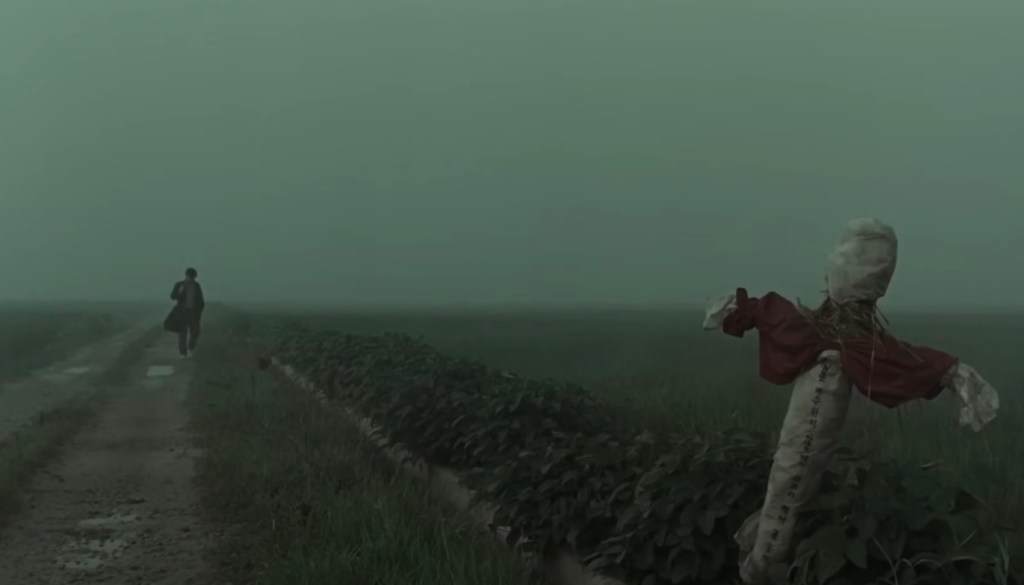
The plot is based on a series of murders that rocked Korea in the late ’80s. While the movie can be considered a neo-noir crime investigative thriller, the plot also delves into the impact of the grueling work has on the ones doing the investigation.
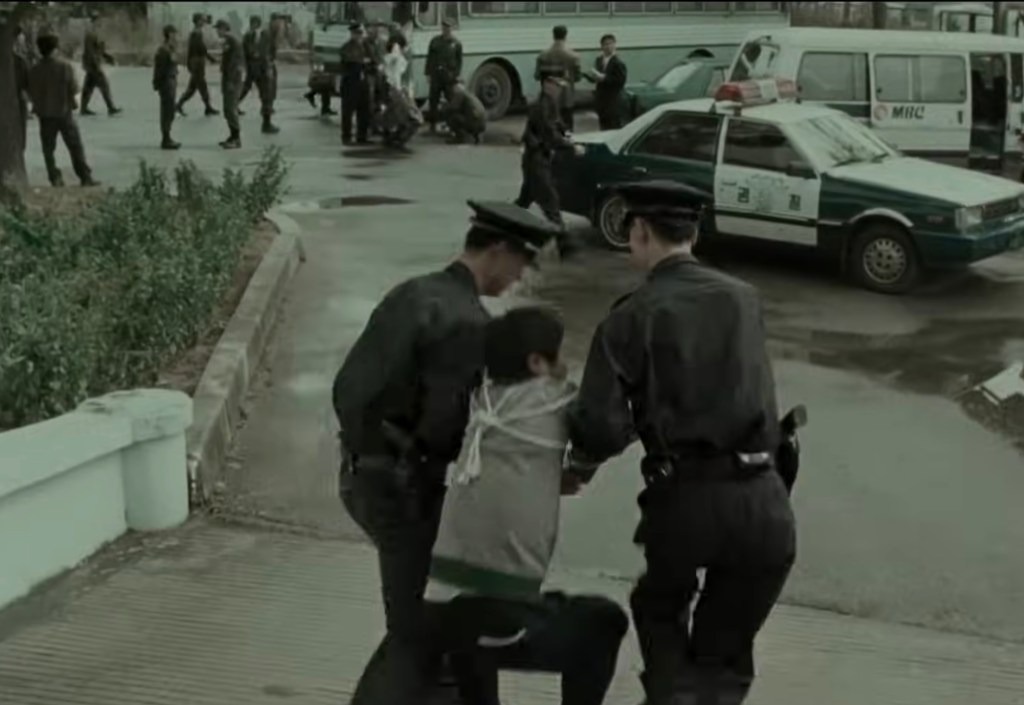
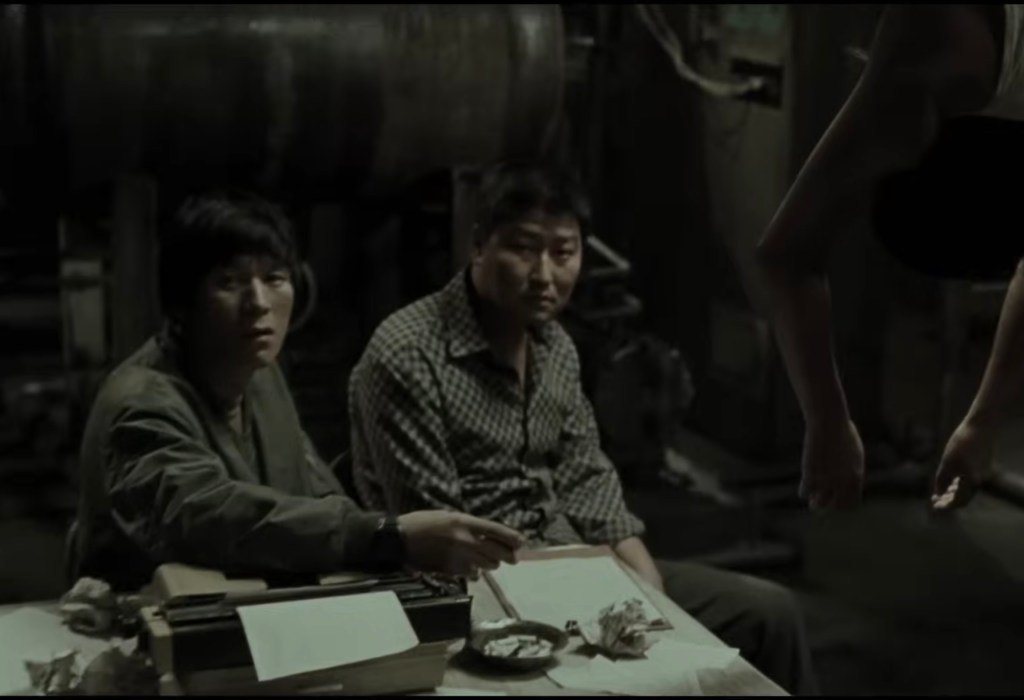
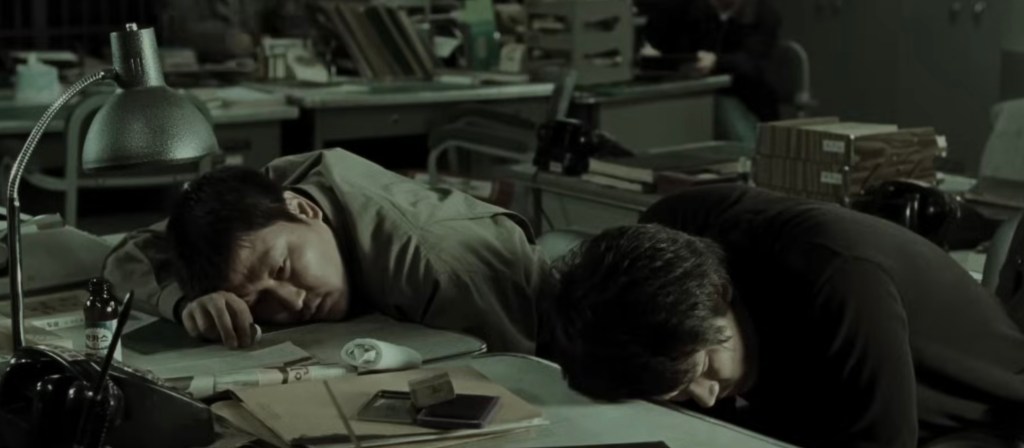
Detective Park Doo-man and his partner Cho are thrown a challenge of solving the murder of two women on the outskirts of a small town. The case turns out to be too big for the two rural inexperienced detectives to handle. With none of the tools of modern forensics at their disposal, the two sleuths must deal with compromised crime scenes and a raging public outcry. The public outcry is warranted, as the two cops do not have a problem in pushing the limits by abusing suspects to get a confession.
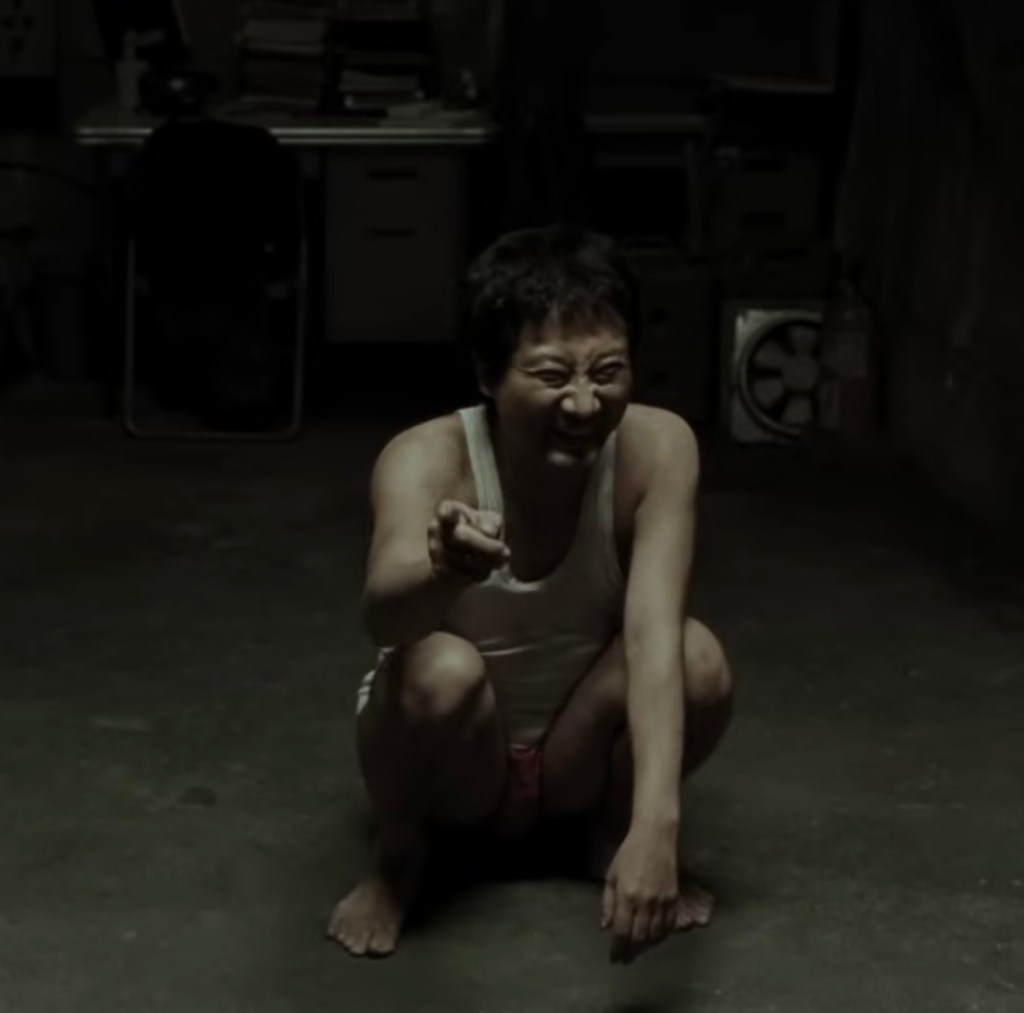
With limited means to solve the crime, the two men a possible suspect following a lead provided by Park’s mistress. The two men play a crude game of good cop-bad cop to interrogate the suspect, a mentally challenged young man who admits to the crime.
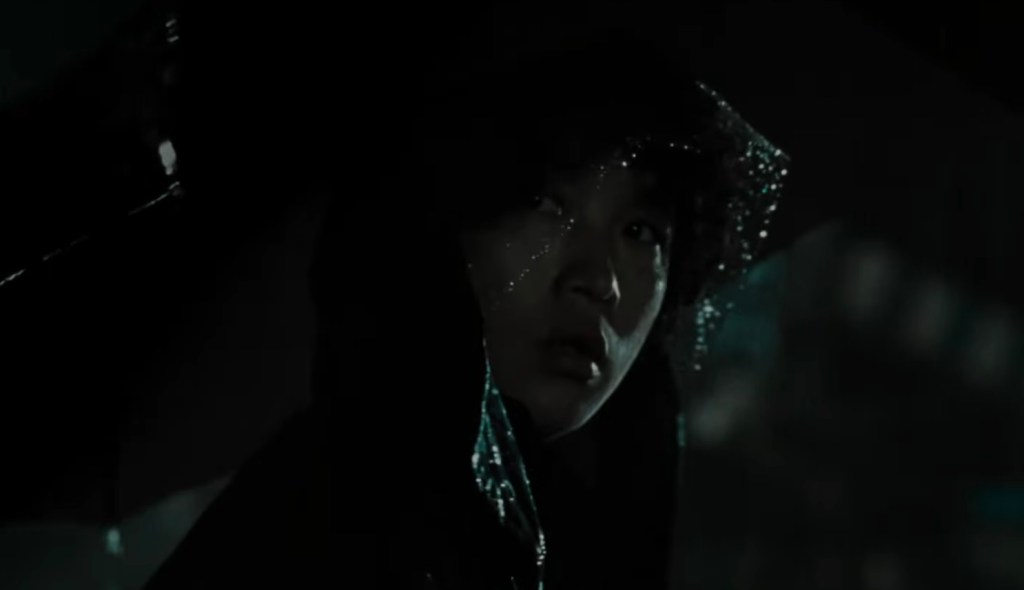
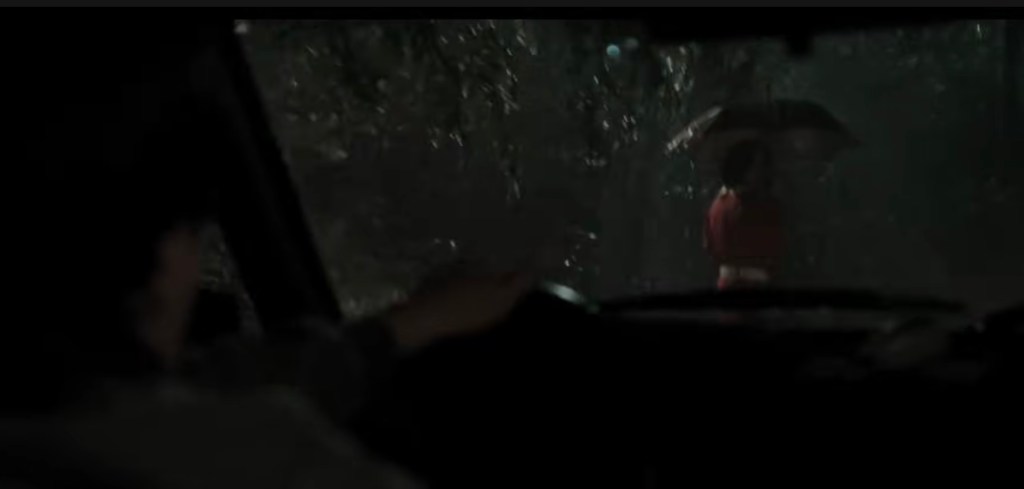
The superior officer to Park and Cho enlists Seo Tae-yoon, a detective from Seoul more accustomed to modern crime investigative methods to work with the two men, upsetting the dynamic and causing more friction and unease to their investigation. To the chagrin of the two rural inexperienced investigators, Seo quickly deduces that the young man in custody could not have committed the murders. He also theorizes that the killer struck at night and targeted women wearing red.
Inspector Kwon, a woman subordinate police officer to Park and Cho theorizes that the murders were committed each time a local radio station played a certain song on their channel.
Next, a planned stakeout to trap the murderer goes awry when the investigators realize that they cannot get more officers in their efforts. The killer claims another victim during the stakeout. Tensions rise between Park and Seo as they make little progress in the case, but desperation forces them to work together.
The investigators seem to get a break, but the mounting pressure to catch the killer and the growing public distrust takes its toll on all involved in the investigation. Will the detectives be able to bring the responsible person to justice? Can American forensics and advances in DNA reveal the killer? Can the men resolve their differences and work collaboratively? The rest of the plot answers this question.
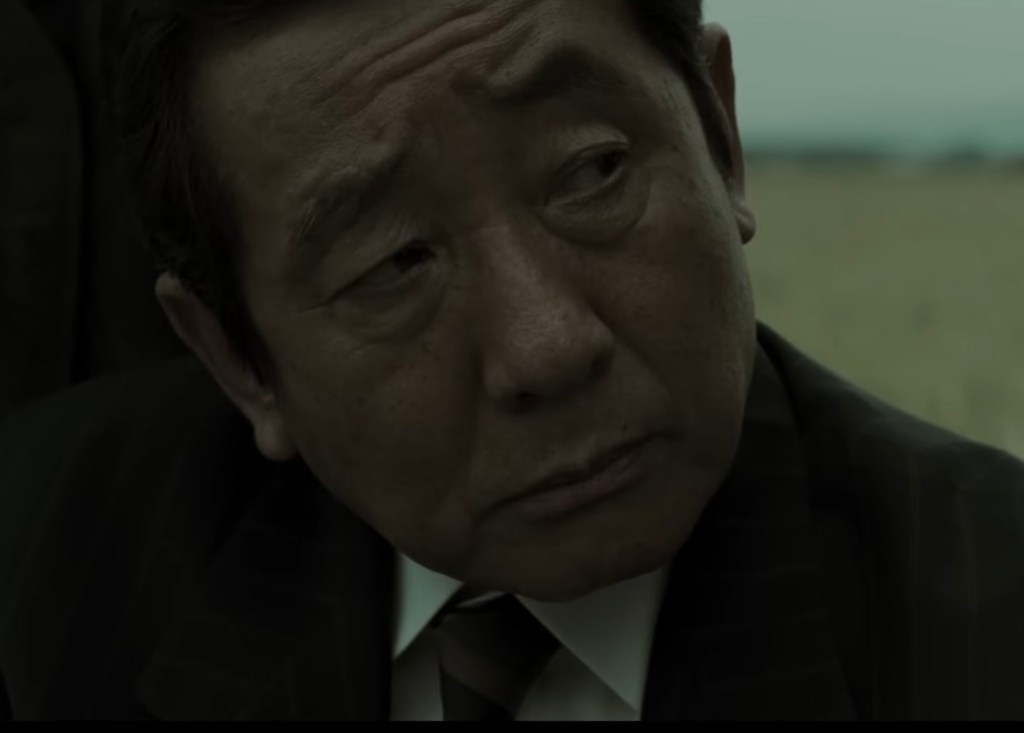
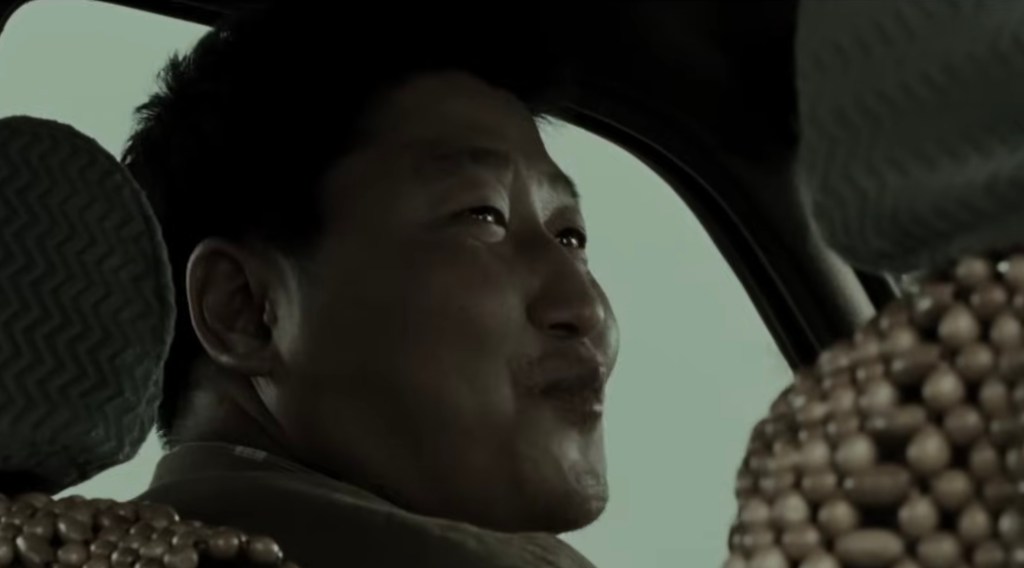
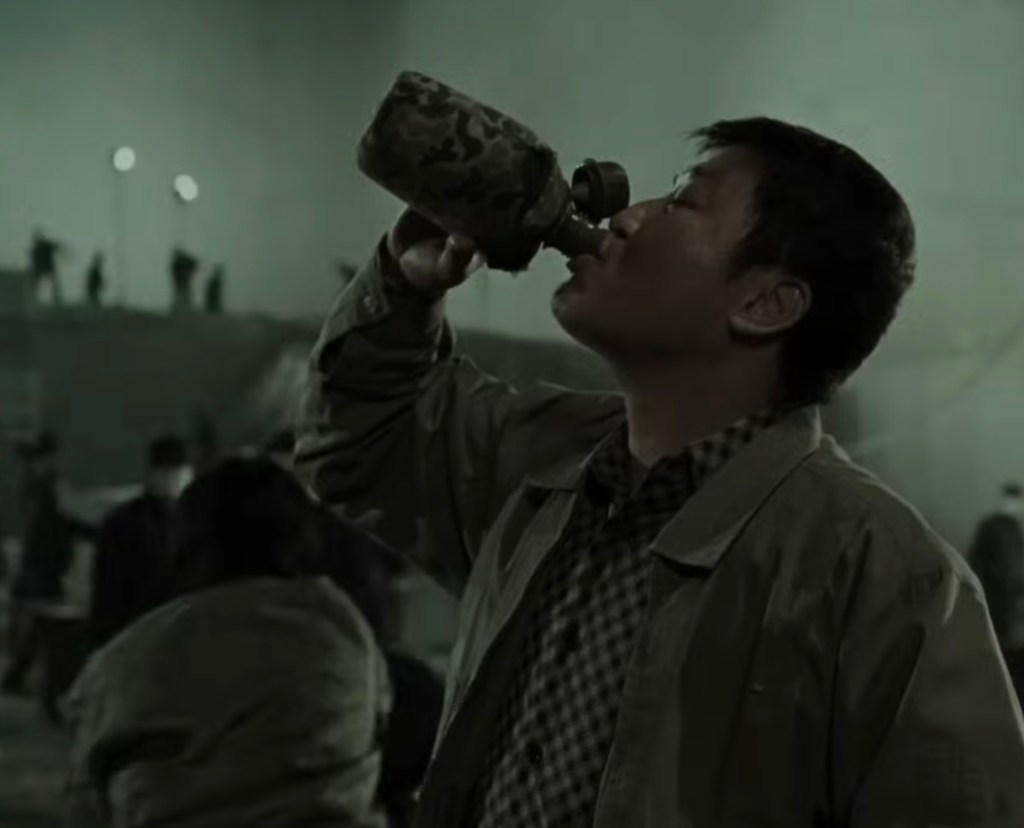
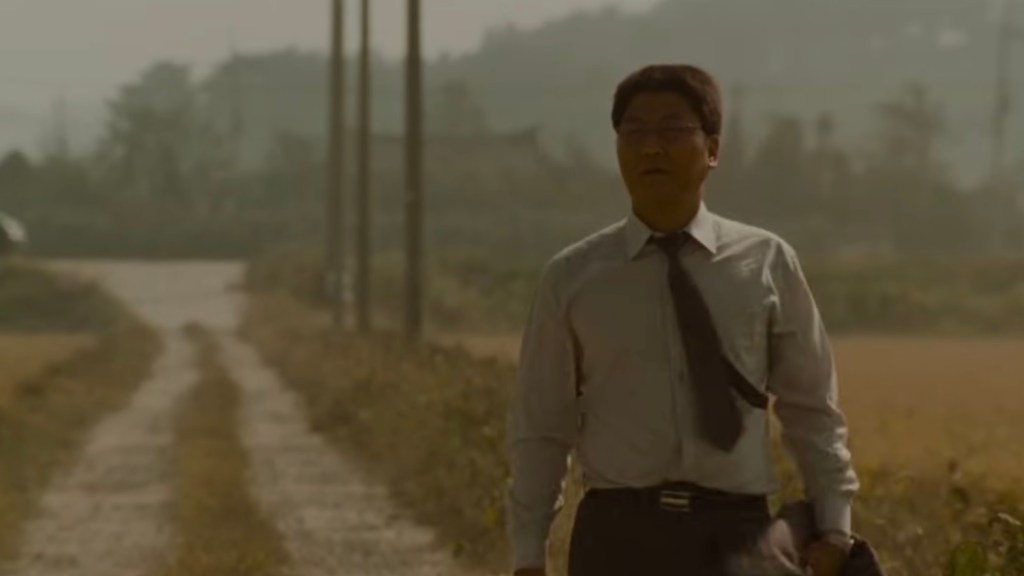
This is by far one of the best investigative thrillers ever made. The screenplay is superb and brings so much realism to the plot. Humor is interspersed in many scenes and works well, despite the subtitles. The performances from the entire cast enhance the plot. Song Kang-ho, who would later play the senior Mr. Kim in Parasite, puts in a notable performance as Park Doo-man, the local police officer. The interaction and contrast in personalities between him and Kim Sang-kyung, the ‘urban’ investigator, is another highlight of the movie. The realism of the plot makes it relatable even to a non-native international audience.
While the movie was hailed all over the world, it would take more than a decade and a half after this movie, for Bong Joon-ho to be honored at the Academy Awards as a legendary director. Do not miss this early masterpiece from him.









 Bay Area Bloke