
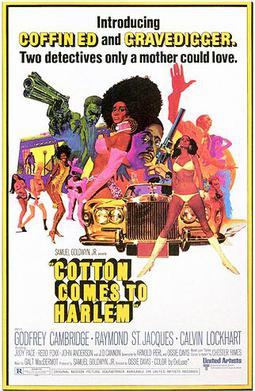
Considered by many critics as the first Blaxploitation movie ever made, “Cotton Comes to Harlem” is a delightful neo-noir comedy with memorable characters. It is based on a book of the same name by Chester Himes. Directed by Ossie Davis and supported by a talented cast, it is an enjoyable laughter riot.
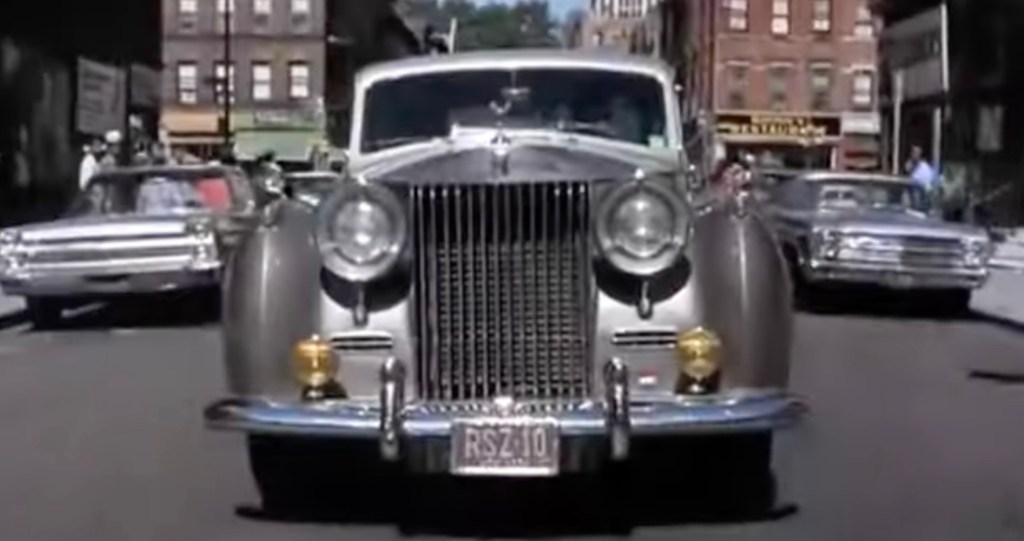
A Rolls Royce is seen cruising the streets of New York City in the movie’s opening scene. The song “Ain’t Now But It’s Gonna Be,” a catchy number by Melba Moore, provides the background score for this scene. It stops at a rally in Harlem, where a deluge of the neighborhood’s mostly poor citizenry surrounds the car in eager anticipation. A handsome, charismatic African-American man, attired in a cloak, steps out of the car to the cheers of the excited crowd. The man is Reverend Derek O’Malley (Calvin Lockhart), a charlatan with a prison record.
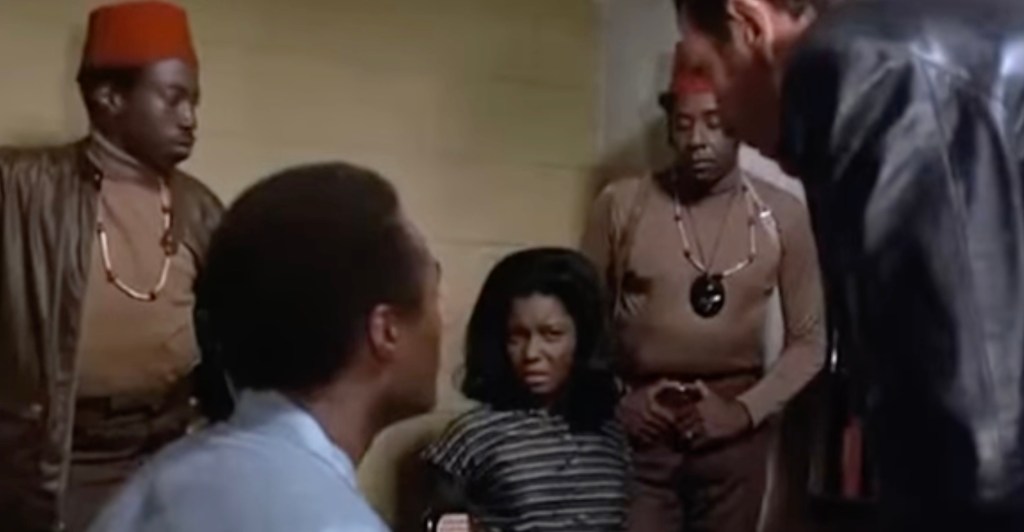
The purpose of the rally is to raise money for the ‘Back to America’ ship, a dubious scheme to extract money from gullible people. The Back to America movement, which began in the 1800s, advocated for African Americans to return to their ‘original homeland,’ the African continent. O’Malley has promised all his followers to take them home with this alleged ‘ship.’
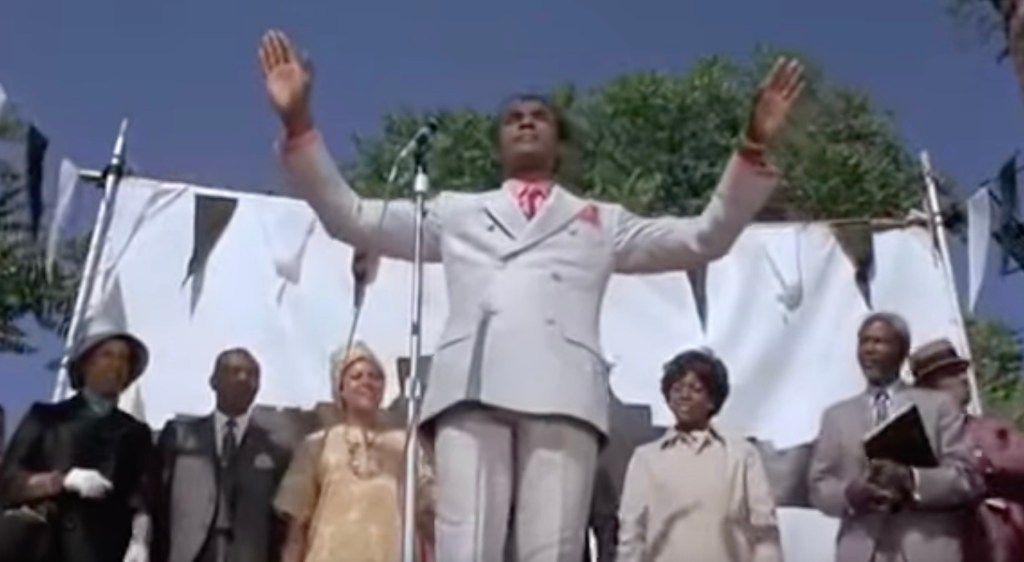
O’Malley steps onto a podium and takes off the robe, revealing a trendy, tailored, and luxurious suit underneath. A master at working the crowd, he launches into a speech describing how he prevailed over the white man’s attempts to suppress him.
Touting himself to be a modern-day Noah, O’Malley claims to be ordained by God to take all ‘his people’ to ‘home’ and far away from the white man. “Am I black enough for you?” he asks the roaring crowd, which is enjoying every minute of his presence in their midst.
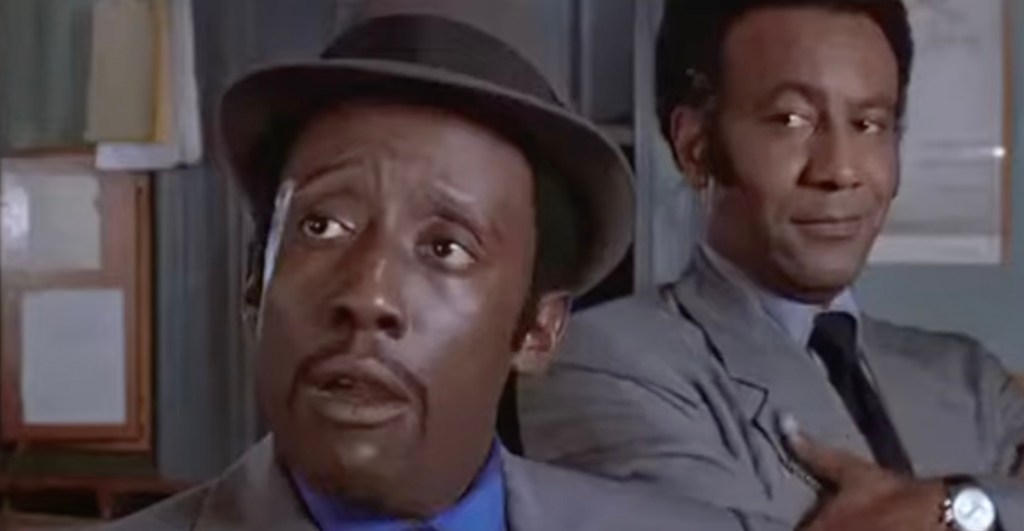
Two African American cops, Jones (Godfrey Cambridge) and Johnson (Raymond St. Jacques), well aware of O’Malley’s true colors, observe the event with utter disdain. Two other men from the DA’s office arrive at the podium and ask O’Malley to accompany them to talk to the DA.
As the crowd erupts in anger, masked gunmen shoot warning shots in the air, and in the midst of the ensuing commotion, steal the entire proceeds of the event and attempt to make a getaway in a van. Jones and Jackson pursue the speeding van. During the hilarious chase sequence, a large bale of cotton falls out of the van of the masked gunmen. The heist claims a single casualty, a petty thief. The van then makes its getaway from the duo. O’Malley also absconds during the mayhem.
Captain Bryce (John Anderson), a white superior officer to Jones and Johnson, asks the duo not to pursue the conman, fearing public outcry in Harlem. Casting aside his orders, the two officers visit the apartment of Iris Brown (Judy Pace), O’Malley’s mistress. After noticing O’Malley’s impressive suit collection at her apartment, the duo is about to bring Iris in for questioning but receive a phone call ordering them to go elsewhere.
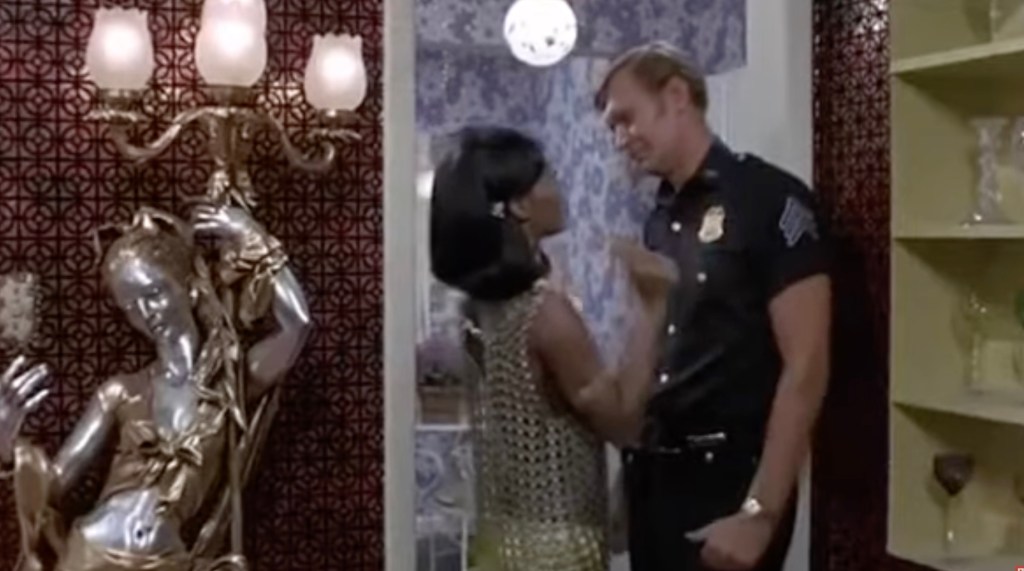
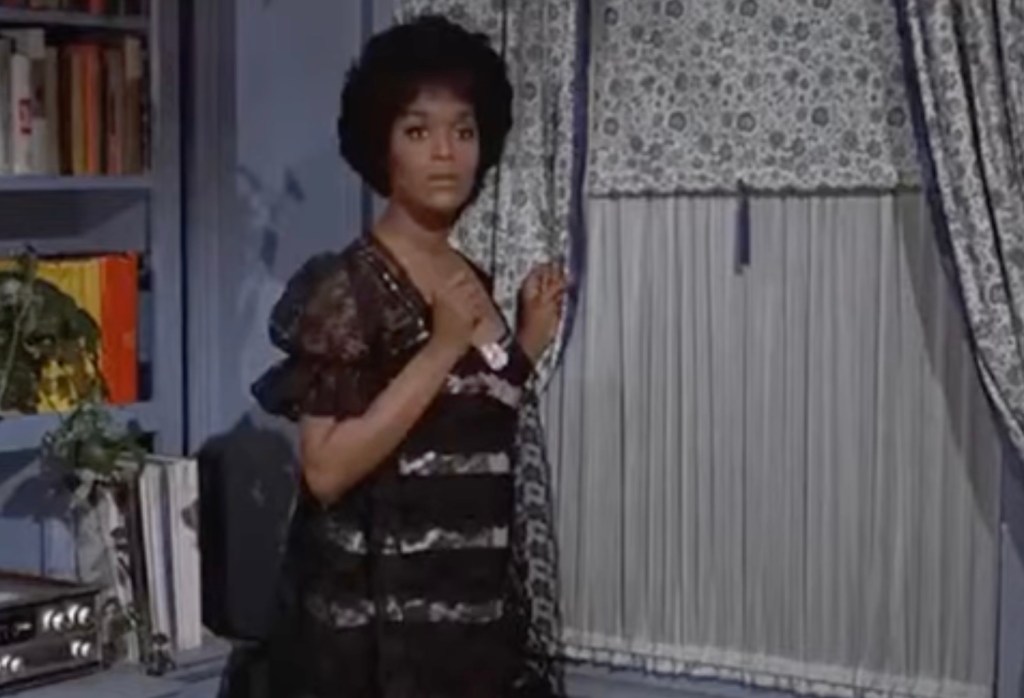
Jones and Johnson entrust the custody of the belligerent Brown to a white policeman. After initially resisting the provocative charms of Iris, the policeman yields to the temptation when she exposes more of herself. Meanwhile, O’Malley has taken refuge at the home of the thief who was killed during the heist. Mabel Hill, the thief’s widow, tells O’Malley about the bale of cotton that fell out of the truck. O’Malley takes more than a passing interest in this new information.
While attempting to seduce Mabel, the thief’s widow, Brown enters the apartment and catches O’Malley and Mabel in a compromising position. She furiously knocks out Mabel using a wooden plank and then attacks O’Malley, who knocks her out and then escapes from a window.
Meanwhile, Jones and Jackson question Tom, a white Mafia don, about his role in the robbery. Tom responds that $87,000 is well under his income level to bother to plan and execute such a heist.
Uncle Budd (Redd Foxx), an old man who survives by picking up junk and selling it in the neighborhood, finds the bale of cotton and sells it for $25 to Abe, a junk dealer. However, while in the company of his friend Barry (Theodore Wilson), a white criminal, Calhoun (J.D. Cannon), comes looking for him and seems interested in the bale of cotton. Budd buys back the cotton and then goes missing.
O’Malley learns through Barry that the bale of cotton is hidden in a junkyard and decides to get his hands on it. When he goes to the junkyard with his men, he is shocked to know that Jones and Johnson have been waiting for him at the very spot. A gunfight ensues, and O’Malley is taken into custody by the two officers.
There is mounting public outcry from Harlem’s community when they learn of O’Malley’s arrest. Can Jones and Jackson bring O’Malley to justice? Will they be able to return the stolen money to the people who were suckered into giving it to O’Malley? They find an ally in Iris, who is more than willing to expose her former philandering lover. She reveals to the police officers that Calhoun, the white thug, and O’Malley have had a prior history with each other.
Jones and Johnson formulate a plan to implicate O’Malley and expose his true colors to his devoted followers. They also find a way to reimburse his gullible followers, who lost their money to O’Malley, believing that he, O’Malley, was taking them to Africa.
“Cotton Comes to Harlem” is a humorous wild ride. An upbeat soundtrack and great performances enhance it even more. This is a movie with several memorable characters. Godfrey Cambridge and Raymond St. Jacques are hilarious and adorable as Jones and Jackson. The chemistry and funny exchanges between these two characters are delightful. Redd Foxx also impresses in his small role as Uncle Budd. Judy Pace puts in a great performance as Iris, the jilted mistress of the conman O’Malley. If one looks at this film from a neo-noir perspective, Iris may be considered the movie’s femme fatale. Finally, the best performance in the movie comes from Calvin Lockhart. Exuding charm and charisma, he is tailor-made to play O’Malley and does so with natural flair.
The movie is set in Harlem, New York. With its rich heritage, Harlem is one of the most important centers of Black History and the Civil rights movement. The excellent cinematography of this movie gives viewers a glimpse into this neighborhood in the 70s. It is among the best and most significant movies of the Blaxploitation genre and deserves a watch.









 Bay Area Bloke