

‘Cutter’s Way’ is an overlooked neo-noir gem, directed by Ivan Passer, based on the book ‘Cutter and Bone’ by Newton Thornburg. When first released as ‘Cutter and Bone’, the movie did not fare well and hence was renamed ‘Cutter’s Way’. (It probably would have done well as ‘Bone Cutter’, but then again, this may have infuriated patrons who came expecting a horror flick.)
‘Cutter’s Way’ could also be described as a slow-burn crime thriller, a buddy movie, and a dysfunctional love triangle. While there is no femme fatale and only a few nocturnal scenes, it includes film noir themes like the returned war vet archetype, crime, and vengeance.
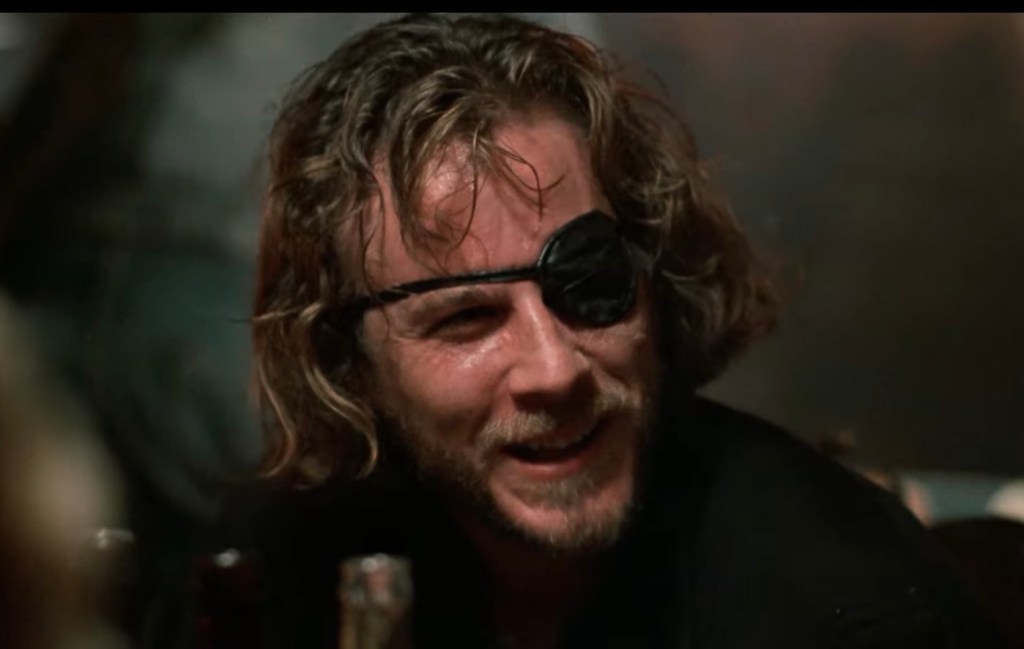
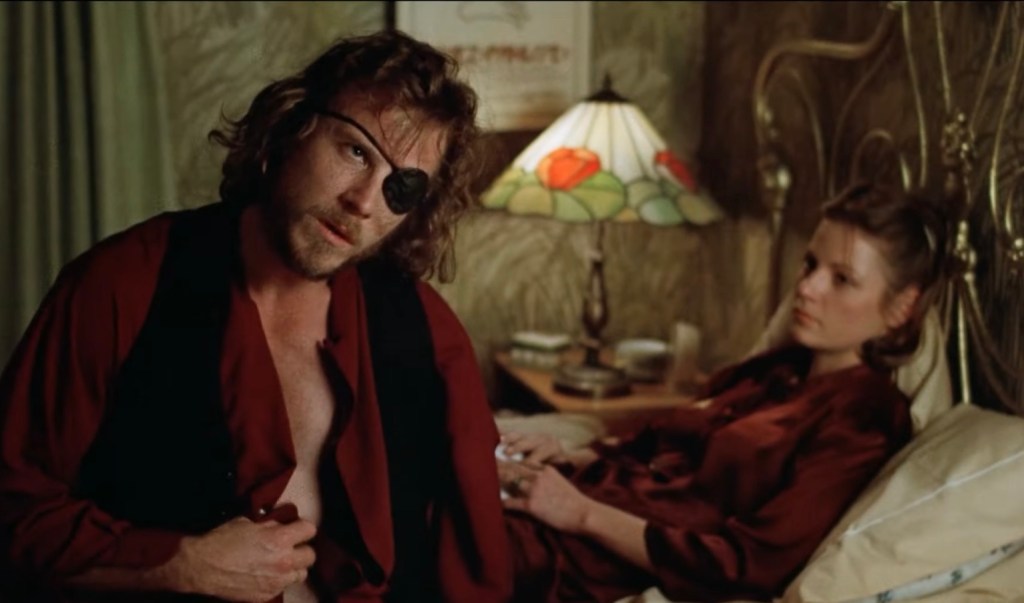
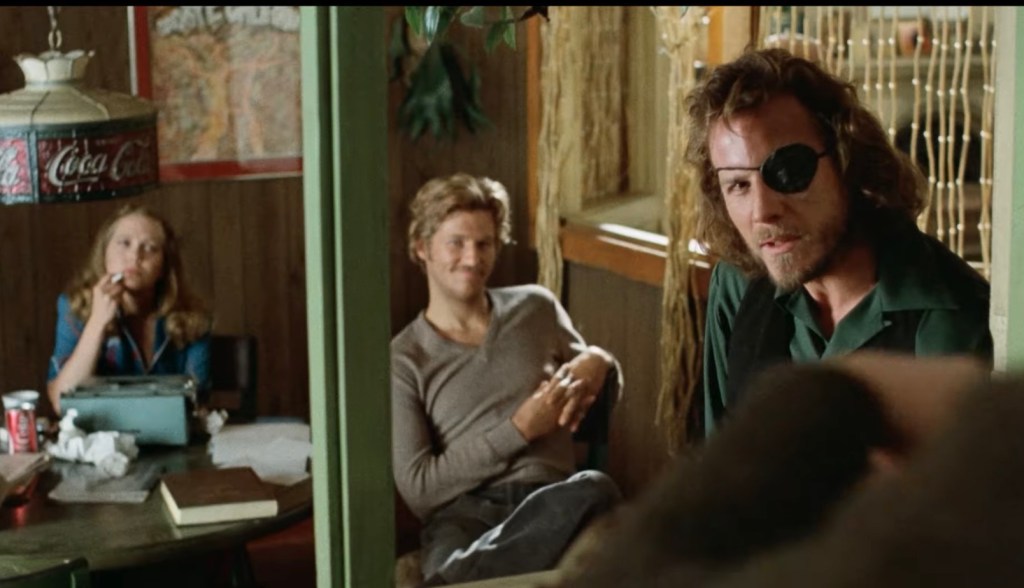
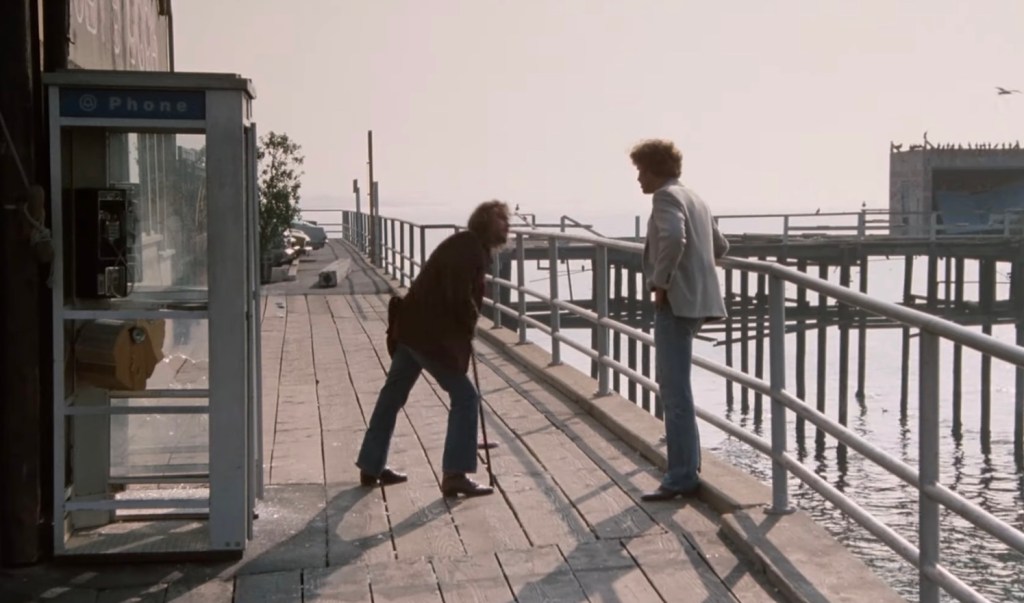
The main focus of the movie is the complex relationship of its three lead characters, who are well-defined, which is the hallmark of most good movies. Alex Cutter (John Heard) is a one-armed, one-legged, and one-eyed disillusioned Vietnam vet suffering from PTSD. He is bitter, angry, and resentful at the world, having no hope for justice from the real world but constantly fights to find meaning in his life. He is prone to alcohol and constantly looks for stimulation in some form, be it bar fights or any other opportunity to distract his tormented mind.
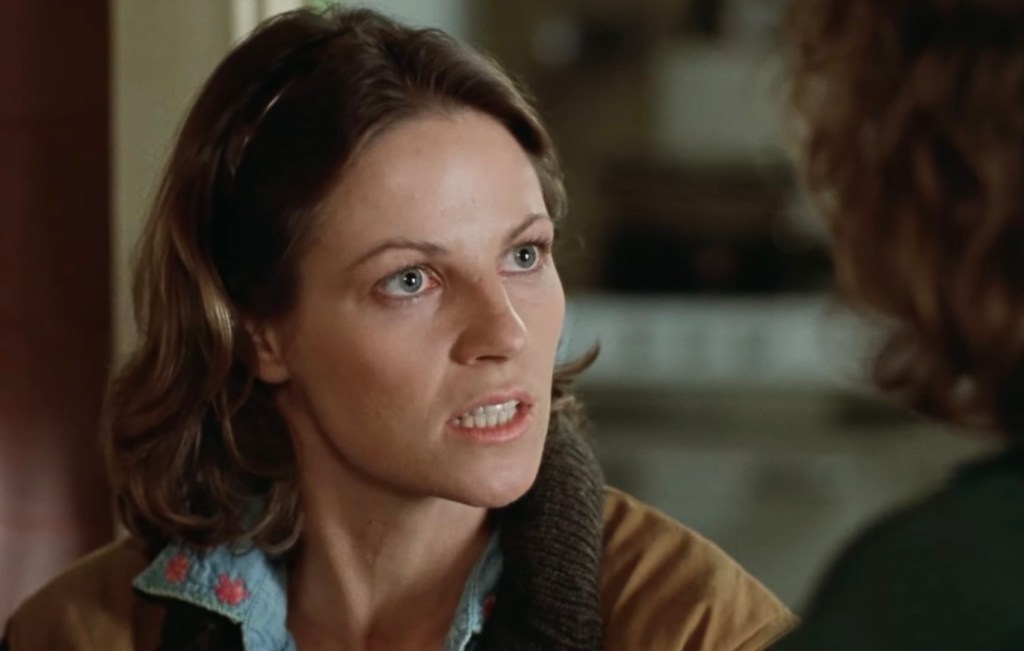
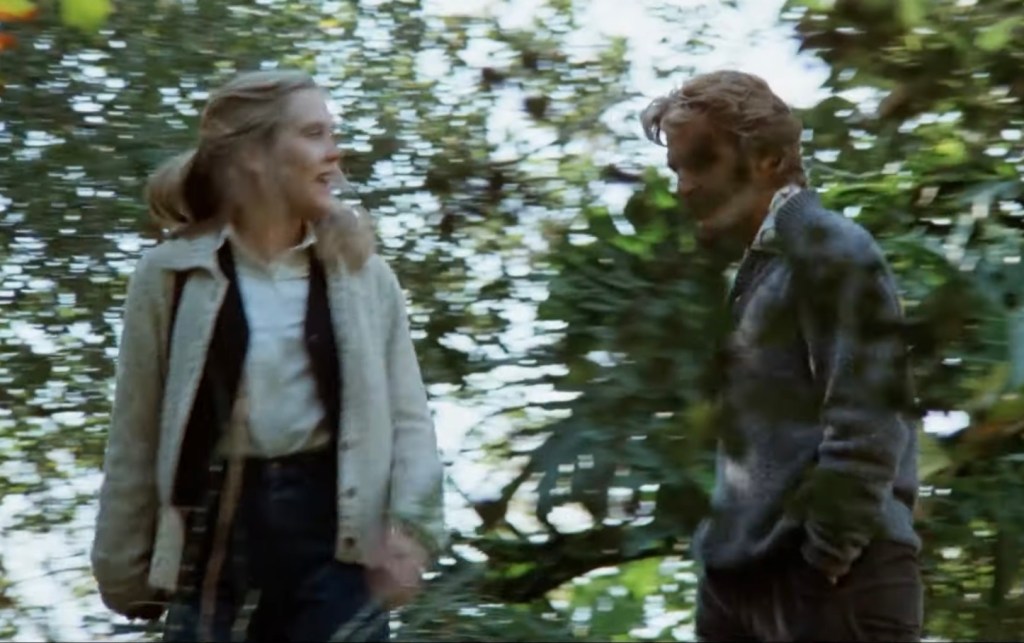
Maureen “Mo” Cutter (Lisa Eichhorn), Alex’s wife, continues to live with him despite his shortcomings. While she loves Alex, she seems to nurse the illusion that he may somehow recover to ‘normalcy’. However, she resorts to alcohol as respite from Alex’s unstable behavior and hair-trigger temper.
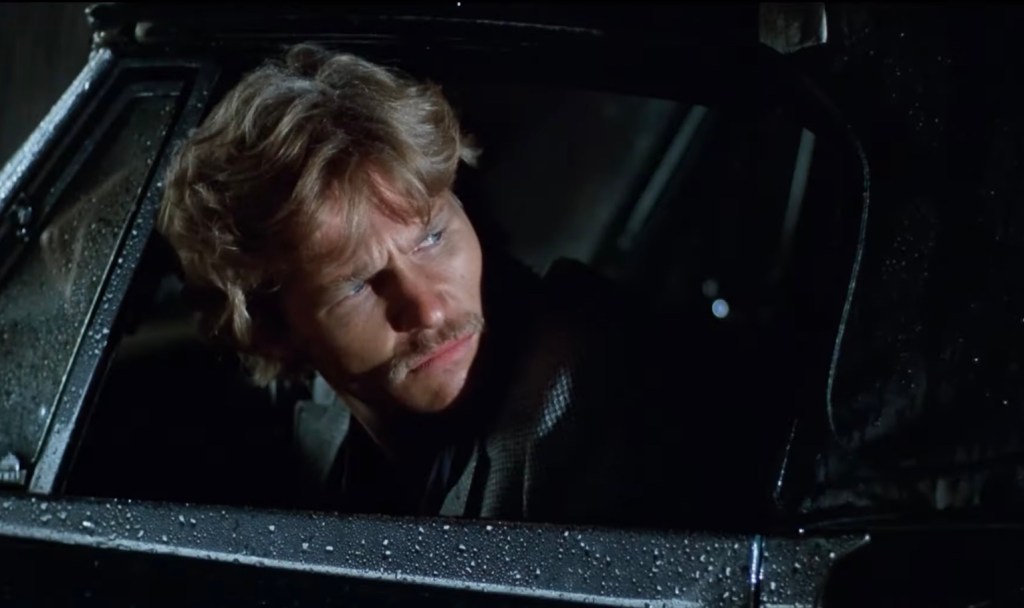
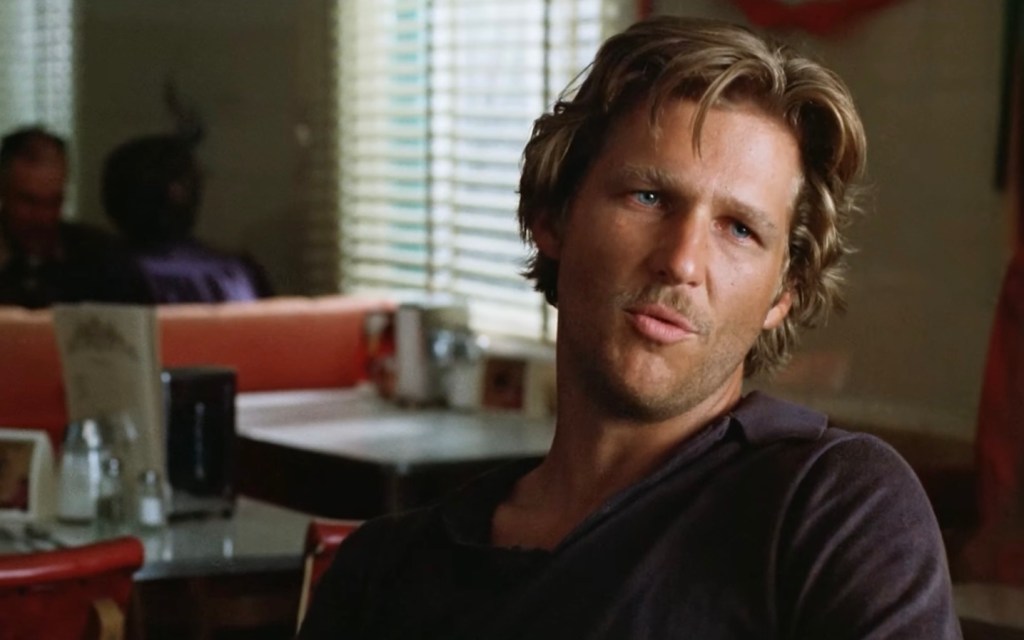
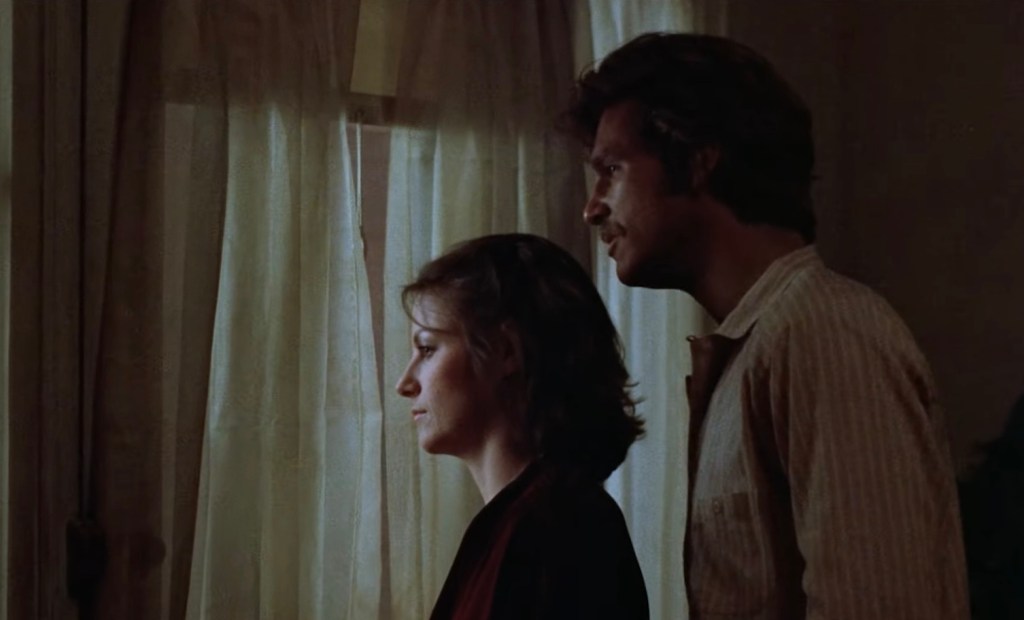
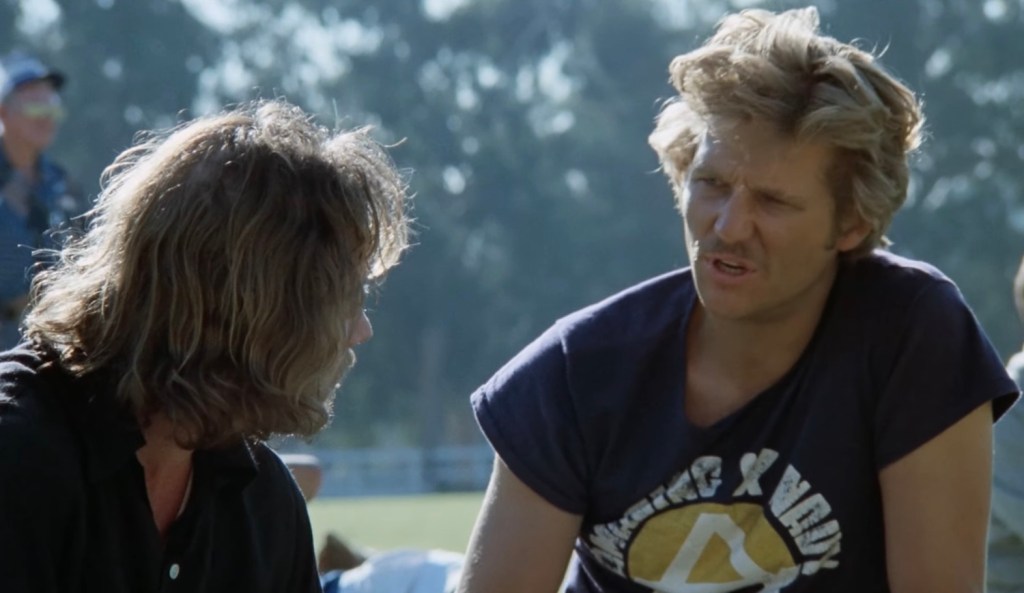
Then there is Richard Bone (Jeff Bridges), Alex’s inseparable friend. He is a womanizer who has no interest in relationships and often plays peacekeeper when Alex intimidates others or creates a ruckus. He has feelings for Mo, and Alex is aware of them. He lives on a boat but spends a lot of time at the Cutter residence.
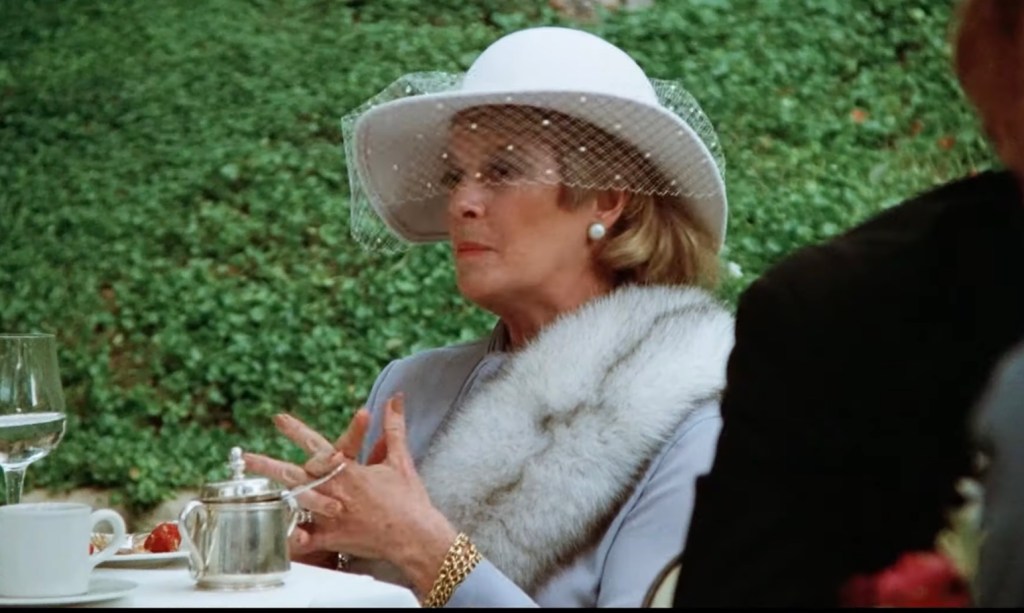
The setting of the plot is the coastal city of Santa Barbara, California. Santa Barbara has its rich residents who live in luxurious mansions and enjoy the amenities of its country clubs. There are also the not-so-rich who live in localities of squalor, the Cutters being one of them. These residents like Cutter and Bone frequent local waterholes.
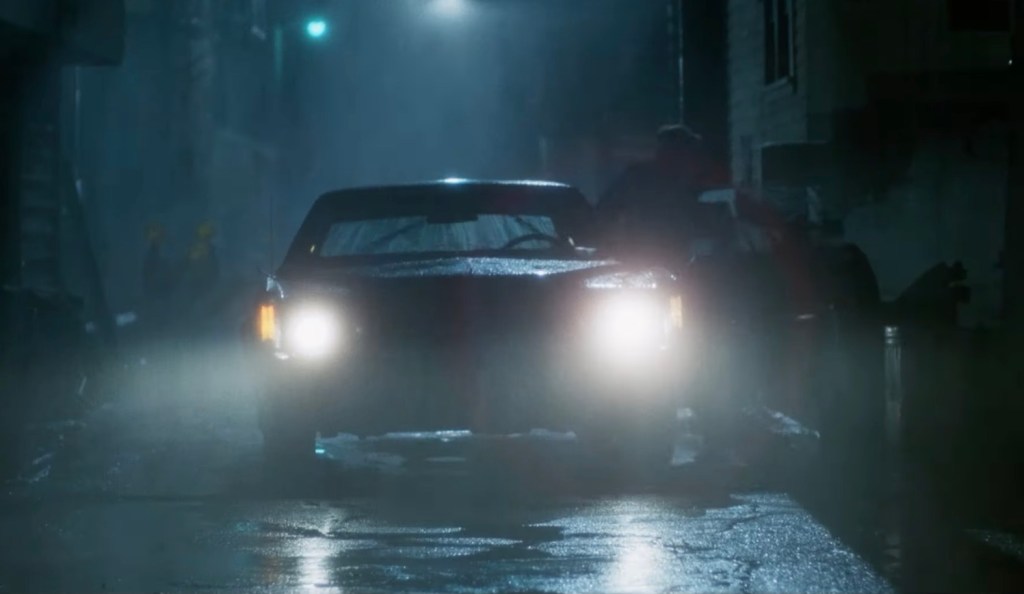
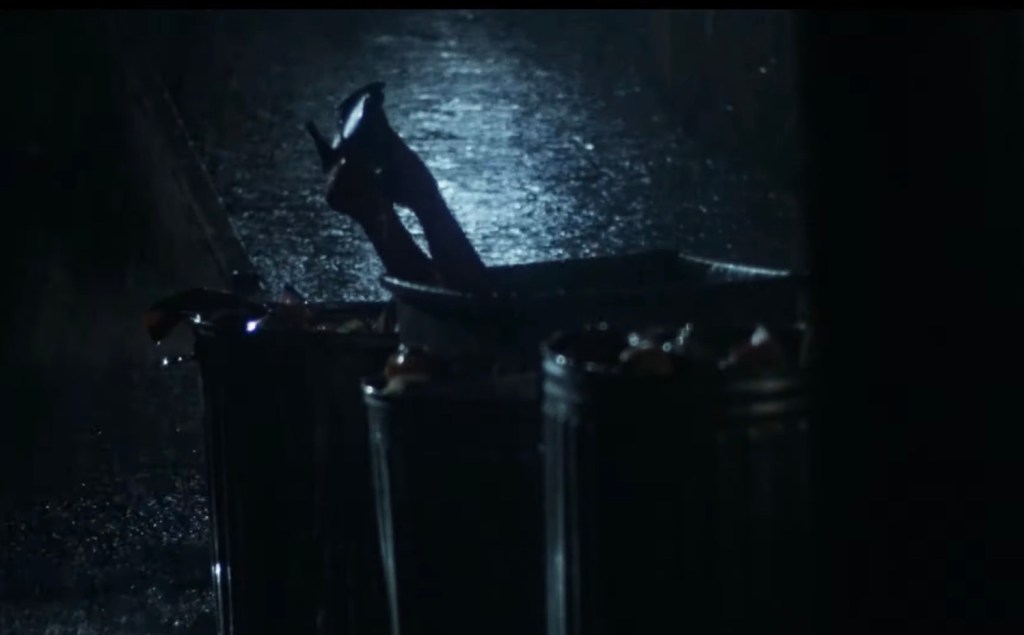
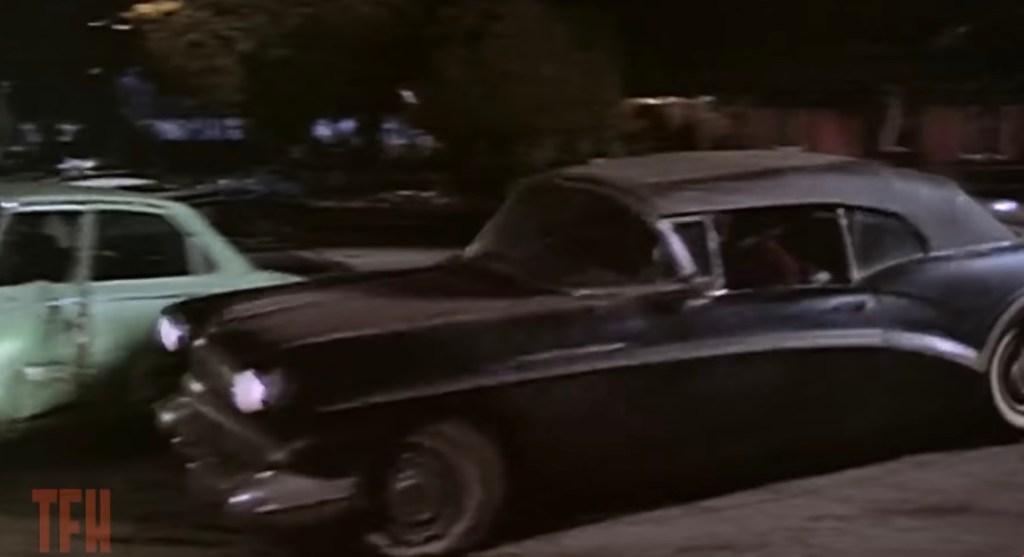
The plot of ‘Cutter’s Way’ focuses more on the relationships of Cutter, Mo, and Bone with a murder mystery thrown into their lives. It begins with Bone driving back after a tryst with a woman on a stormy night. Bone’s car breaks down in a shady part of town when a car drives past his car and stops at a garbage bin. Bone watches a figure step out of a car and dump something and then proceed to leave in the car.
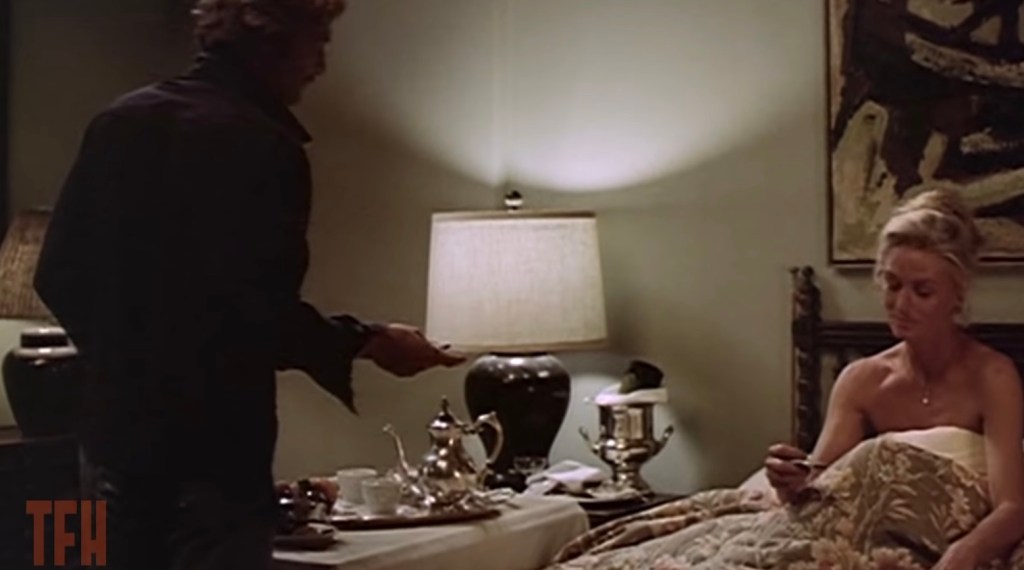
He then arrives at a bar, where a drunk Cutter is intimidating some of the black patrons with racist slurs. Bone tells the men that Cutter is a vet, and the men back off, empathetic to Cutter’s predicament. After this, Bone goes to Cutter’s residence, where he has a tête-à-tête with a drunk Mo.
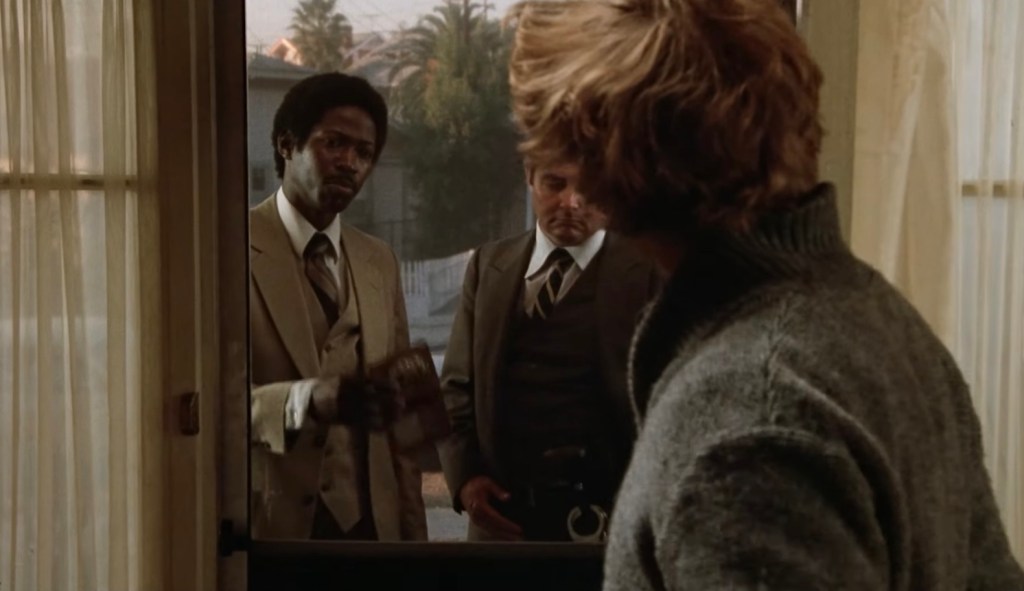
Cutter arrives at his house at daylight and asks Bone to stay for breakfast. The morning newspaper reveals that the corpse of a young woman was found dumped in a garbage can. Soon police arrive at Cutter’s home and take Bone to the station as he has been seen near the scene of the crime the previous night. While questioning Bone, the investigating officer brings in Valerie (Ann Dusenberry), the sister of the murder victim, to inflict guilt on Bone and convince him to share more of what he witnessed. The ploy fails, as Bone is skeptical as to what he actually saw. Bone is released.
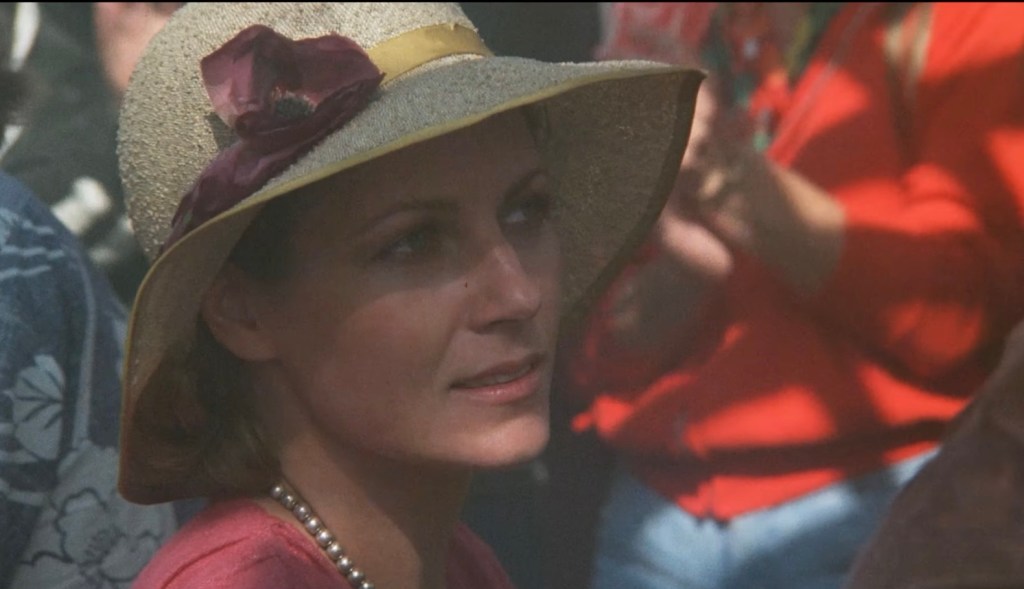
After Cutter’s prolonged questioning, Bone tells Cutter about what he saw but is not totally convinced that his memory of the happenings is actually real. Later Cutter and Bone go to a parade in town. Among the participants, Bone identifies a man as the person who dumped the body. Again, he is unsure and does not want to pursue the idea.
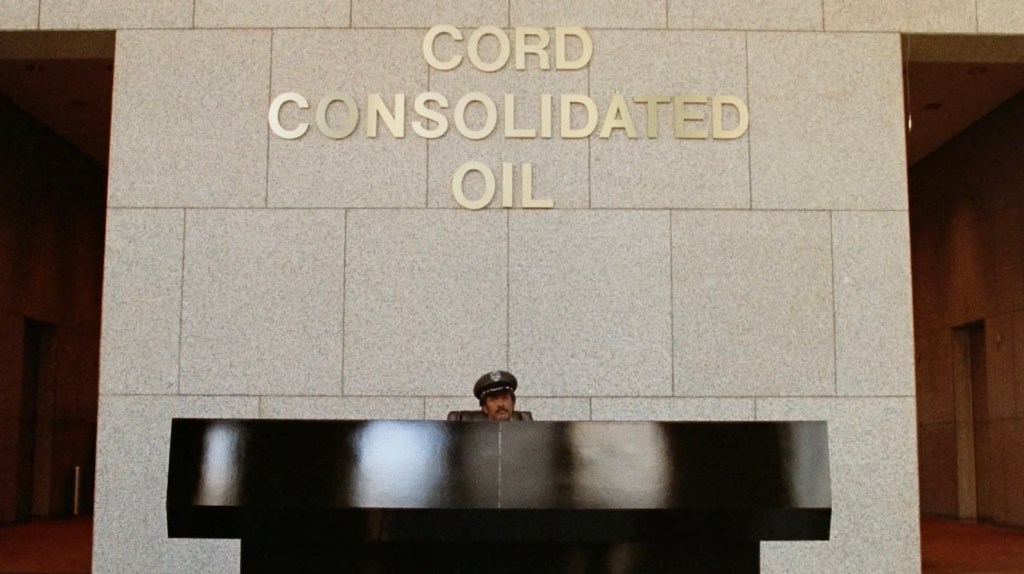
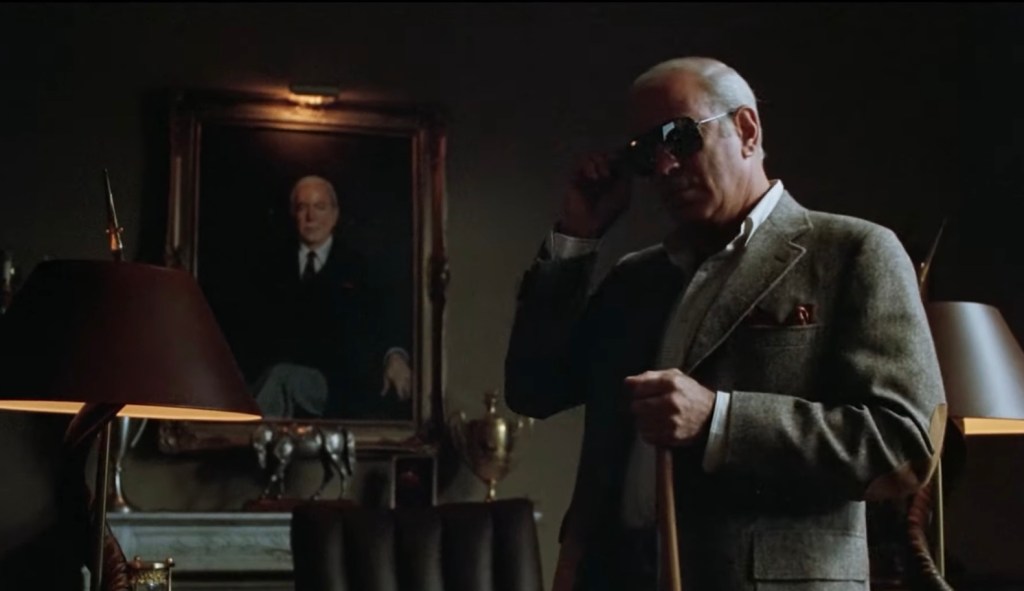
Cutter realizes that the man Bone identified is J.J. Cord, a powerful and rich resident of the city. Cutter jumps on the idea that Cord may be the murderer of the young woman and like a dog on a bone, and almost instantly convinces himself that this is the case.
Cord had admitted publicly on one occasion that he likes to pick up young people. Given where Cord was the previous night, Cutter builds his case like a prosecutor that Cord had the opportunity to commit the crime. He lays out a possible scenario as to how Cord could have picked up the young lady and carried out the evil deed. Bone, still skeptical, dismisses the idea as Cutter’s overactive imagination.
He even brings in Valerie to convince Bone that they should investigate the matter further and go after the powerful Cord. Cutter lays out a plan where the three of them, he, Bone, and Valerie would attempt to blackmail Cord and force him to take remedial action, which in turn would implicate him. Mo, however, is livid that Cutter, Valerie, and Bone are pursuing a fool’s errand by going after the powerful and dangerous Cutter.
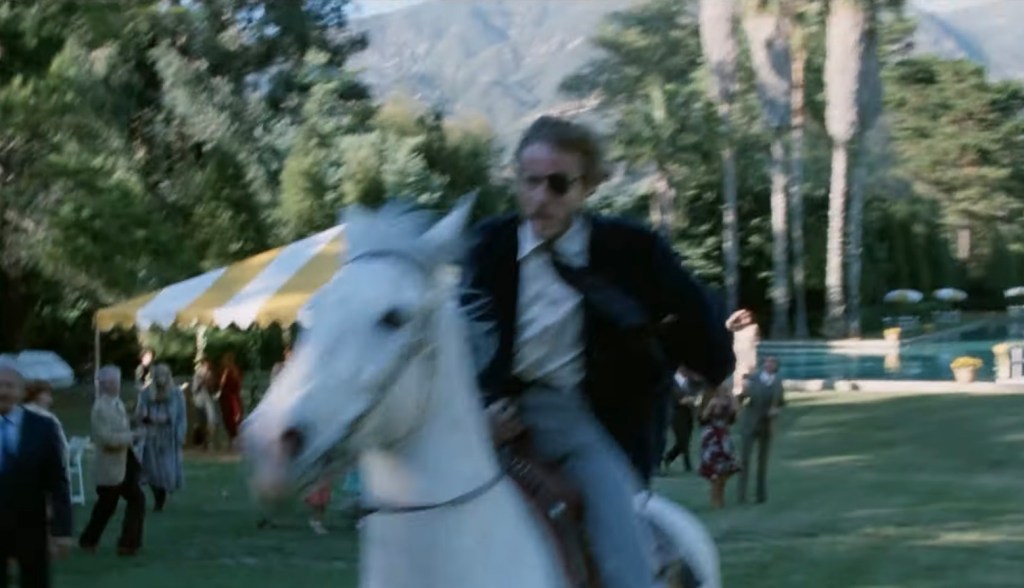
Cutter’s next move would trigger a colossal tragedy in his life and cause upheaval in his friendship with Bone. ‘Cutter’s Way’ ends with a climactic deadly confrontation with Cord.
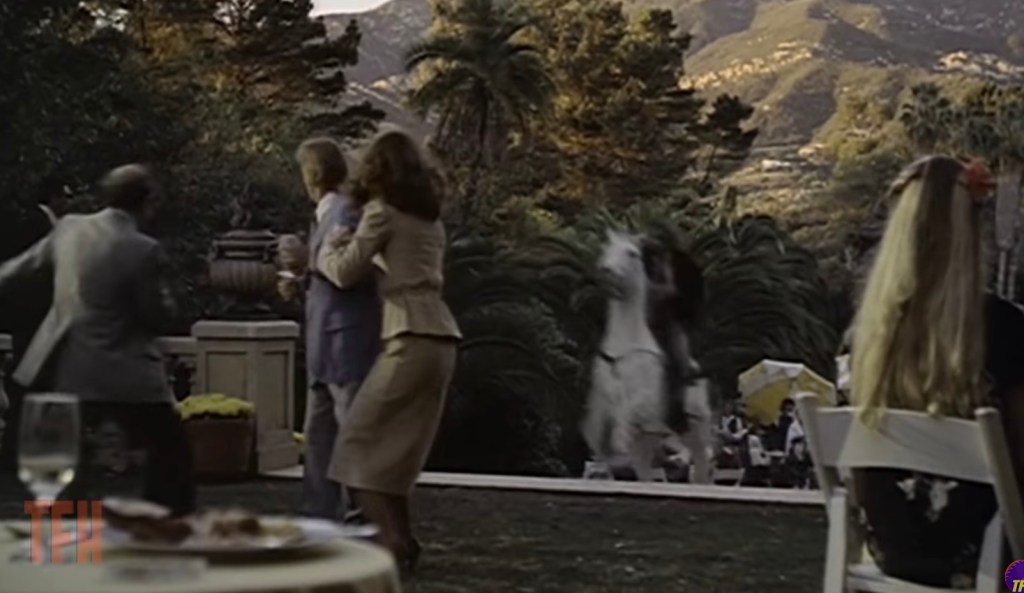
Jordan Cronenweth’s cinematography in the film is noteworthy and offers great visuals of seaside Santa Barbara, Cord’s mansion, and the city’s parade. All three central characters are portrayed by gifted thespians who deliver outstanding performances. John Heard, among them, stands out as Cutter. While Bone, played by Jeff Bridges, may be the handsome and seductive ladies’ man, Cutter, with his strong personality, sharp thinking, and persuasiveness, is clearly the undisputed leader of the group, and Bone has no choice but to follow his lead.
The movie has been hailed by critics, especially for John Heard’s realistic and uncompromising portrayal of a damaged Vietnam vet. ‘Cutter’s Way’ is another movie that should be included in the list of the greatest neo-noir movies of all time.













 Bay Area Bloke