

In the earlier parts of this series of posts, we looked at the factors that contributed to the creation of this genre, the men and women who inhabit the film noir Universe, their attire, and their lighting. In this post, we will examine common themes in Noir. While we may not be able to have a complete comprehensive list of themes, we can look at some recurring ones. It should also be noted that most noir movies have a blend of multiple themes.
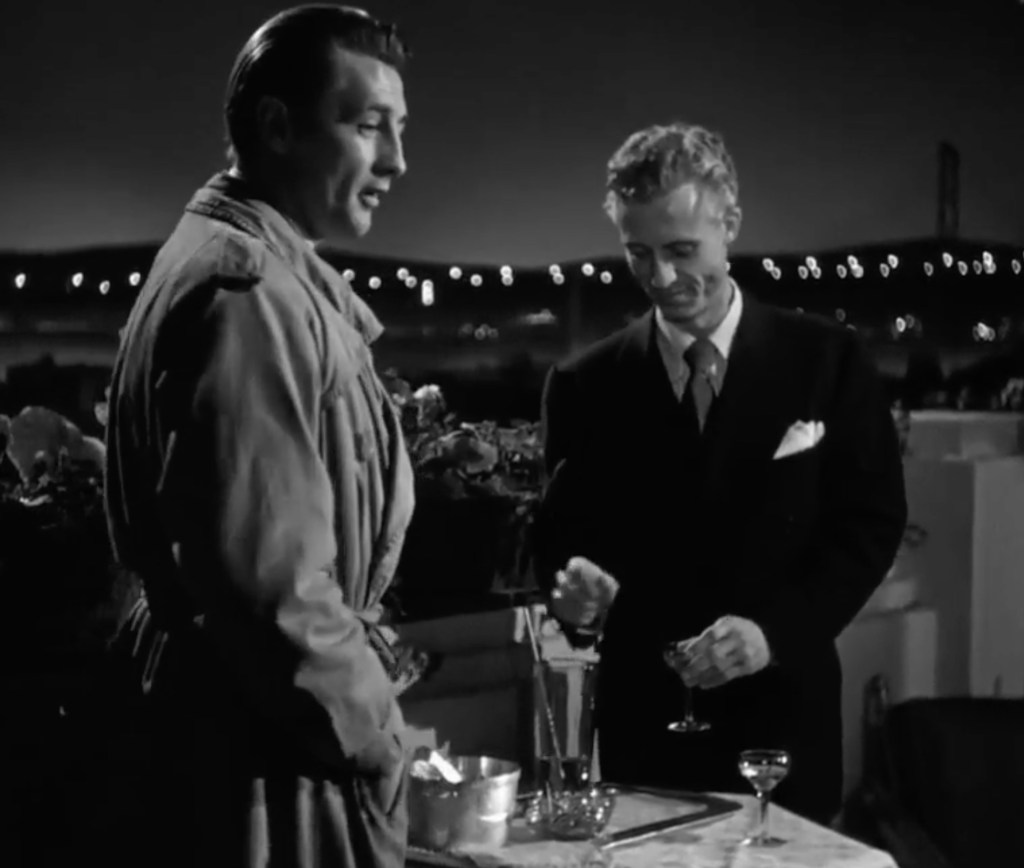
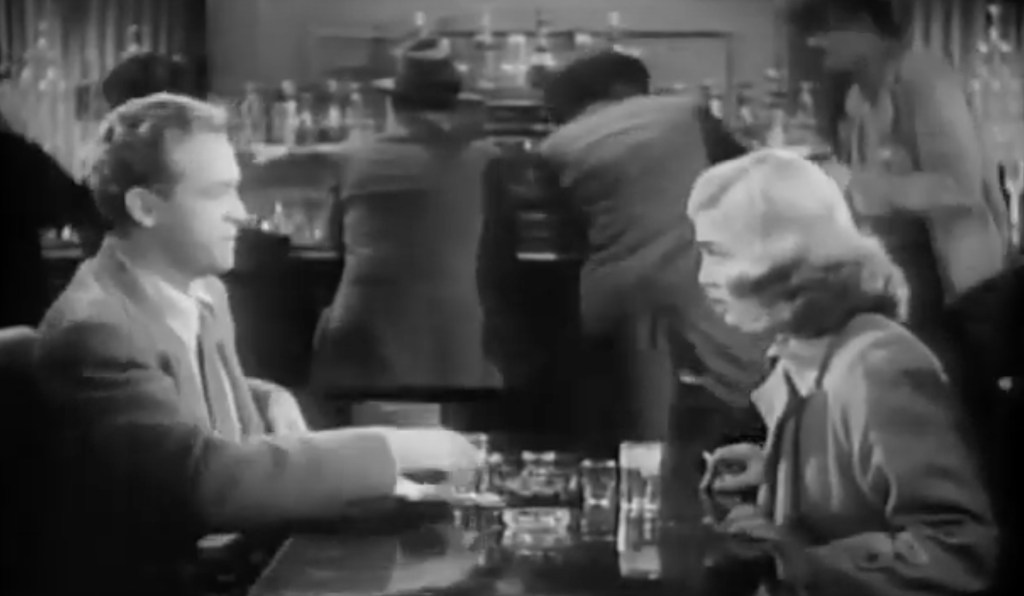
Heavy Smoking and Drinking
Smoking and drinking are ubiquitous in Film Noir Universes, mimicking the propensity of the men and women who inhabited the real world in their era. Many of the actors brought these habits from real life into the characters they played. This unfortunate fact becomes apparent when we realize that many of them died fairly young. Even among those who lived longer, many died of complications from these pleasures. ‘Out of the Past’ is a prime example that shows its lead men, Robert Mitchum and Kirk Douglas, smoking in almost every scene in the movie.


Almost every character played by the legendary Humphrey Bogart is seen smoking. Many noir characters carry silver cigarette cases to project an image of genteel sophistication.
Drinking is another facet of film noir. Bars and nightclubs are regular haunts of the characters in these universes. Homes and apartments they occupy are equipped with impressive bars or, at the very least, glass canisters with spirits and a handful of glasses on side tables. It is not uncommon to see liquor bottles in the cabinets of some of their offices. Many characters in noir movies, often including the protagonists, are alcoholics. Most characters, even the antagonists, are generous with their liquor. They often offer drinks to their adversaries, subordinates, employees, or even to a police officer who has come to investigate them. At times, a guest may help himself to a drink without bothering to ask the host for permission.

Crime Investigation
As we saw earlier, popular pulp novels had an enormous impact on Film Noir plots. Many of them featured the hard-boiled detective or private eye. Sam Spade, Phillip Marlowe, and Mike Hammer are among some of the most popular Noir movie characters.
There are variations on the sleuth theme as well. Sometimes, we have police officers conducting the investigation. At other times, someone close to an implicated person turns detective to prove the person’s innocence.

In ‘The Naked city‘, we have two detectives, Lt. Dan Muldoon (Barry Fitzgerald) and novice Det. Jimmy Halloran (Howard Duff) investigate the case of a murdered model.

In the movie, Laura, Dana Andrews as NY detective Mark McPherson investigates the death of advertising executive, Laura Hunt.
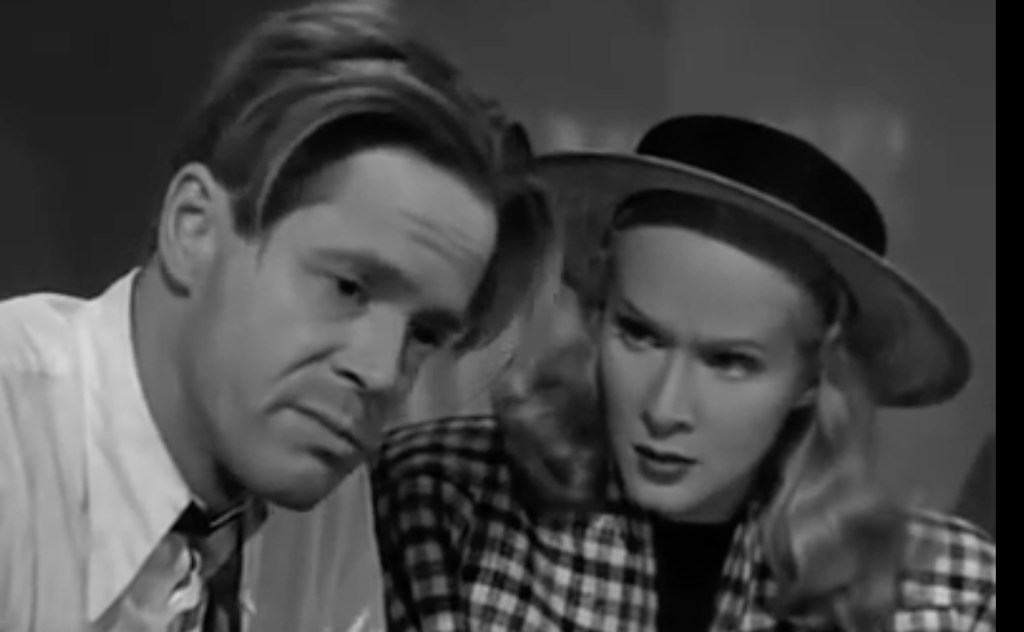
In Black Angel, the wife of an adulterous man( June Vincent) and a musician (Dan Duryea) join forces to prove his innocence.
Seduction, Betrayal, Murder
Seduction and betrayal, which often lead to murder, are another common theme in Noir movies. We have already covered several movies with this theme, including ‘The Man Who Cheated Himself’, ‘Double Indemnity’, and “Scarlet Street’.
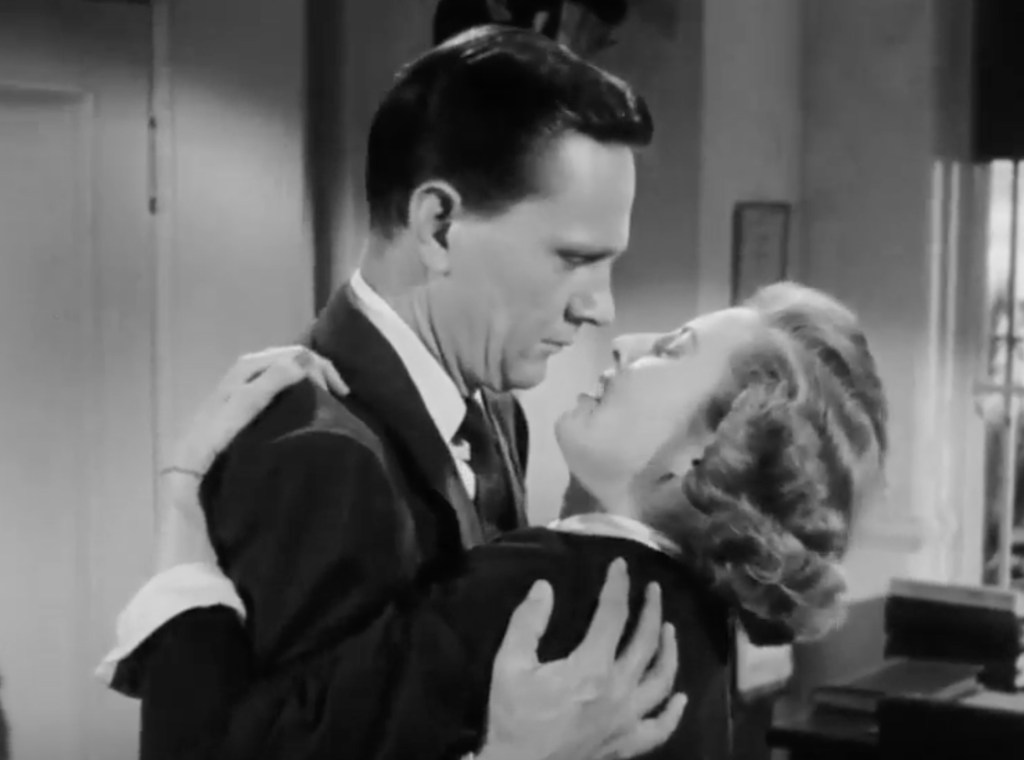
‘The File on Thelma Louise‘ is another movie based on a similar plot.

‘The Postman Always Rings Twice(1946) ‘is yet another movie based on seduction and murder.
Seeking Retribution
The male protagonist seeking retribution is another common theme in noir movies. This can take many forms. It may involve the determined hero seeking to bring down a powerful person due to a strong sense of duty.
In other cases, the male protagonist has been wronged by someone. This someone may be a close friend, an employer who is sometimes a mob boss. Oftentimes, it is the Femme Fatale.
The protagonist is often wrongly accused and seeks revenge from whoever put him there. Sometimes, he is double-crossed by a lover.

John Payne plays Joe Rolfe in “Kansas Confidential“. He has been wrongfully arrested of participating in a heist, thanks to a gang of double-crossing thieves, and is hellbent on getting his share of the loot.
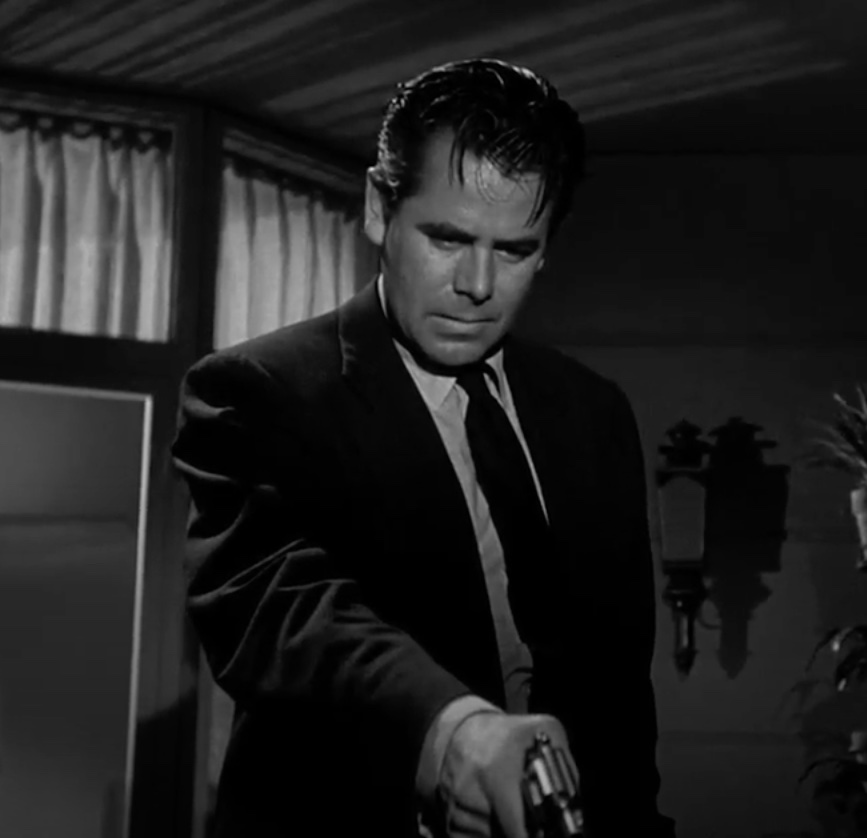
In “The Big Heat” Glen Ford plays the gritty Cop Bannian, seeking revenge on mob boss, Lagana for murdering his partner.
Anti-Hero
While the stereotypical film noir’s male protagonist is most often of ambivalent character, many of them also featured plots centered around the anti-hero. Unlike the typical male protagonist, the anti-hero is the central character of the movie and is outright evil with no redeeming qualities. While the audience can sympathize with a morally ambivalent hero, they would have no love for an anti-hero and would wish to see him killed, arrested, or facing hard justice.

In an iconic role in “Night of the Hunter,” Robert Mitchum portrays the psychotic and evil Reverend Harry Powell, a nomadic serial killer who marries and kills a widow and is not beyond killing her children to get to a stolen pile of cash.

In an earlier post in this series, I covered James Cagney’s movie where he plays the evil Cody Jarret in “White Heat.”
James Cagney plays an escaped con who kills people and jilts women in his iconic role in “Kiss Tomorrow Goodbye.”
Another memorable role of the anti-hero we discussed earlier is Joseph Cotten’s “Uncle Charlie” from “Shadow of a Doubt.”
Corrupt or Compromised Cops
The corrupt cop is another recurring theme in noir. Shady cops come in many varieties in noir movies. I have reviewed “A Touch of Evil,” where Orson Welles plays an evil cop. We have also covered “The Prowler” earlier in this series, where a suburban cop seduces a suburban woman and murders her husband.

In “I wake Up Screaming/Hot Spot“, a cop tries to pin the murder of a Starlet on her manager.

In ‘Pushover‘, an undercover cop, Paul Sheridan (Fred MacMurray) falls for a bank robber’s woman and tries to play both the police and the bank robber’s gang.
Nazis and Nuclear disaster
In the first part of this series, we saw that the Film Noir era in coincided with World WarII. It should not be a surprise that many film noir themes centered on nuclear disasters or involving Nazis.
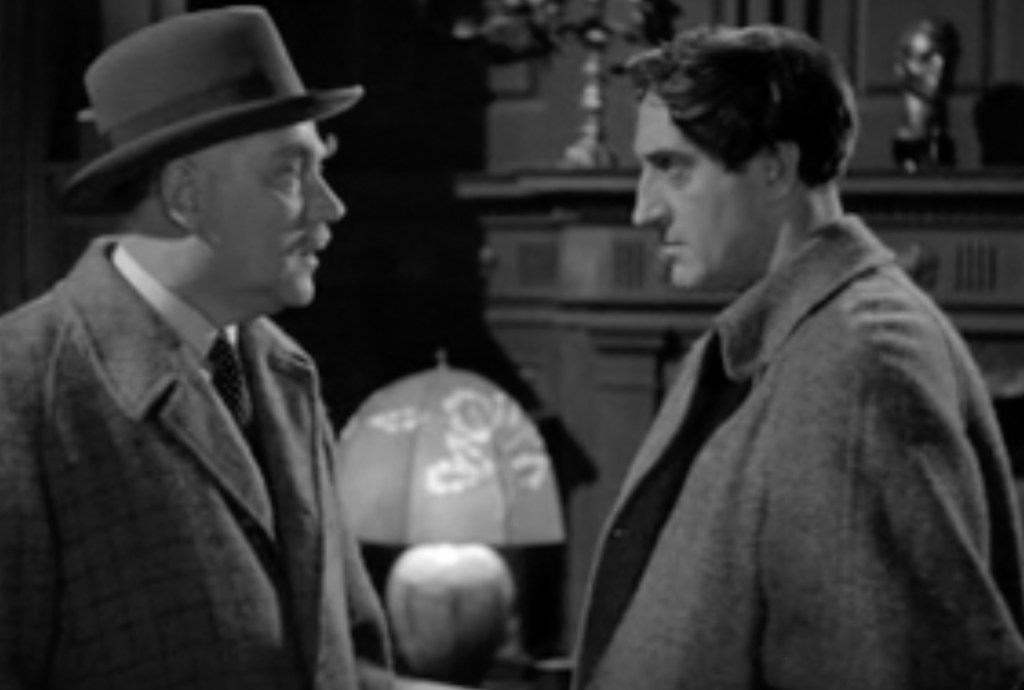
“Sherlock Homes and the Secret Weapon(1942) ” is features on the famous sleuth protecting a Scientist so that a nuclear weapon does not fall into Nazi hands.
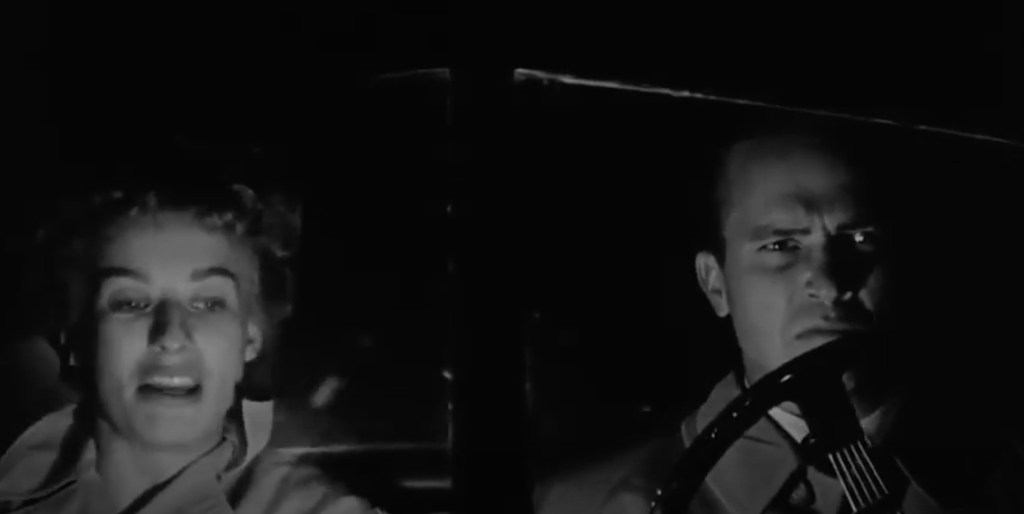
“Kiss Me Deadly “has gumshoe sleuth Mike Hammer, investigate a ‘mysterious weapon’ that can cause damage.

In Hitchcock’s “Notorious“, government agent Devlin (Cary Grant recruits Alicia Huberman (Ingrid Bergman) as a spy to seduce a Nazi criminal.

In ‘The Stranger‘ Edward G. Robinson is a government agent seeking to capture a German war criminal(Orson Welles) living in a Connecticut town, posing as a teacher.
Heist or Treasure Hunt
A heist, a treasure hunt of the search for a prized item is another recurring theme in film noir. We have already covered Maltese Falcon where several parties are after a precious bird figurine.

“Criss Cross“, starring Burt Lancaster features an armored car robbery.
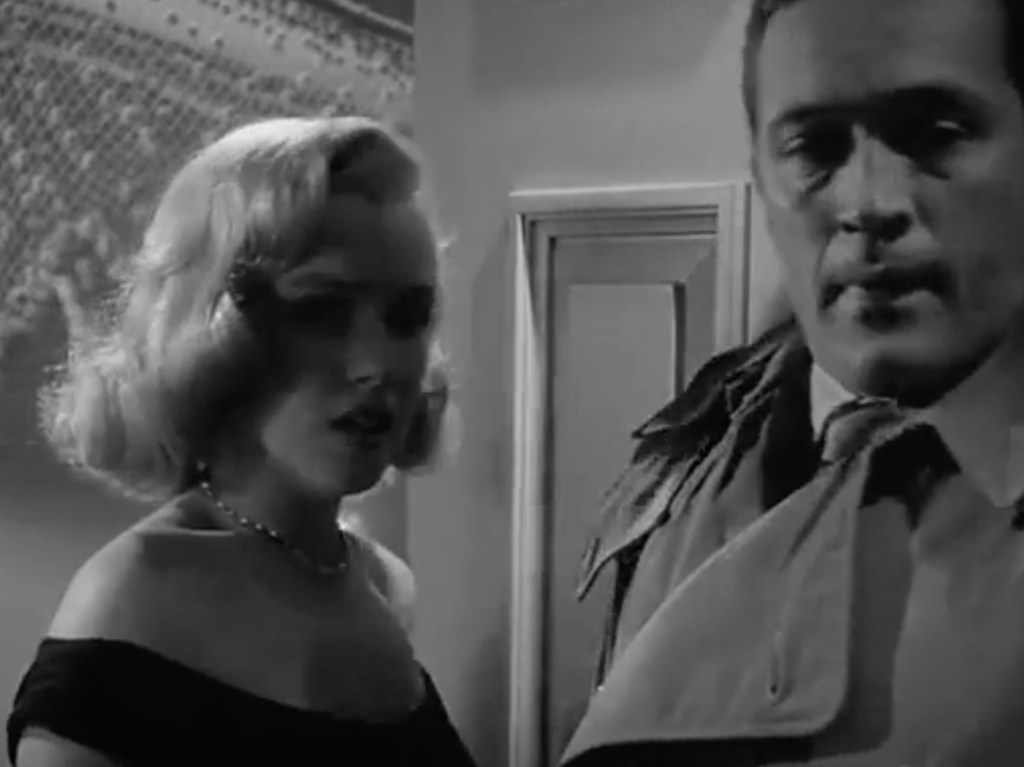
“The Asphalt Jungle” with Sterling Hayden and Marlyn Monroe is the story of the robbery of a Jewellery store.
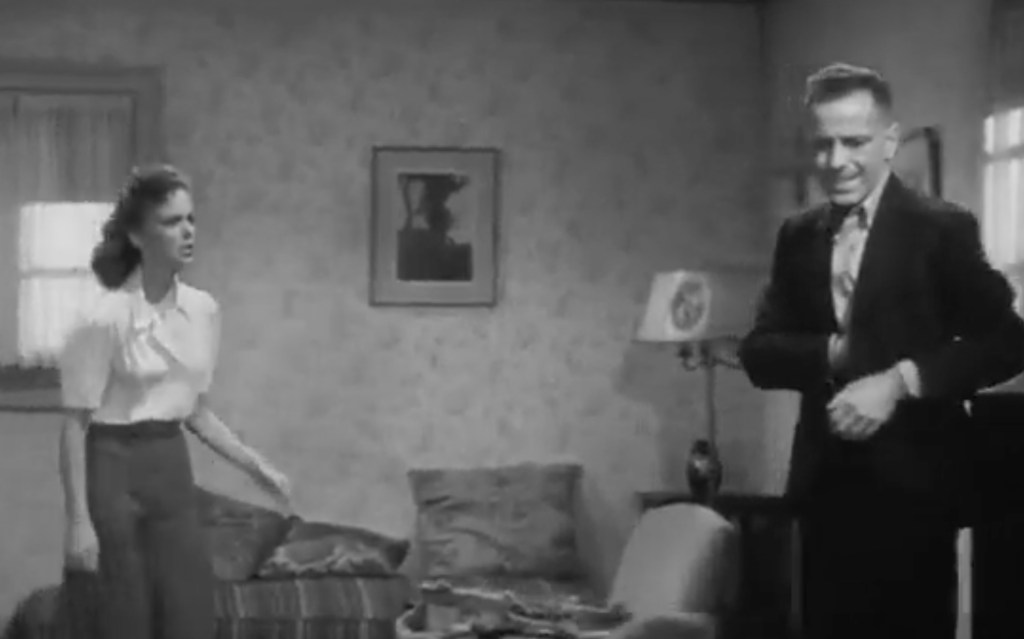
‘High Sierra‘ with Bogart is a story of a robbery at a resort hotel
Organized Crime
Organized Crime is another common theme in noir. Gangsters, crime bosses, and corrupt powerful men are ubiquitous in Film Noir Universes. The femme fatale is often the crime boss’s wife or moll. The lead male in the movie is often a henchman to the crime boss, a cop who takes on the crime boss, or, in some cases, the crime boss himself. Often, the femme fatale will manipulate the hero to betray the boss, or the hero himself would try to lure the woman to get to the crime boss.
“The Big Combo” features Cornel Wilde as a police lieutenant trying to bring down the gangster Mr. Brown (Richard Conte) but falling in love with Susan (Jean Wallace), Brown’s moll. In “The Glass Key,” Alan Ladd plays a corrupt politician’s right-hand man who falls in love with his boss’s fiancee.
These are some of the most common themes of the film noir universes.
Conclusion
It has been fun to do my research on film noir and bring this series of articles to you. I hope it gives you more insights into appreciating this genre of film noir. I think I have said all I wanted to say on this topic (for now). Completing this series was very important to me, as I am in a much better position to understand not just film noir, but also other kinds of genres that evolved from film noir. I hope you enjoyed reading this series as much as I have in bringing it to you.
Here are other posts in this series.

 Bay Area Bloke