

It is no secret that director Brian De Palma was obsessed with Hitchcock’s style of moviemaking and tried to bring back the maestro’s magic through his own movies in the ’80s.
“Dressed to Kill” is De Palma’s homage to Hitchcock’s “Psycho” with Angie Dickinson, Michael Caine, and Nancy Allen in the lead. Though some may disagree, I think he comes awfully close to emulating his idol in this movie. There are parts of the movie where De Palma also exhibits his own talents as an iconic director.
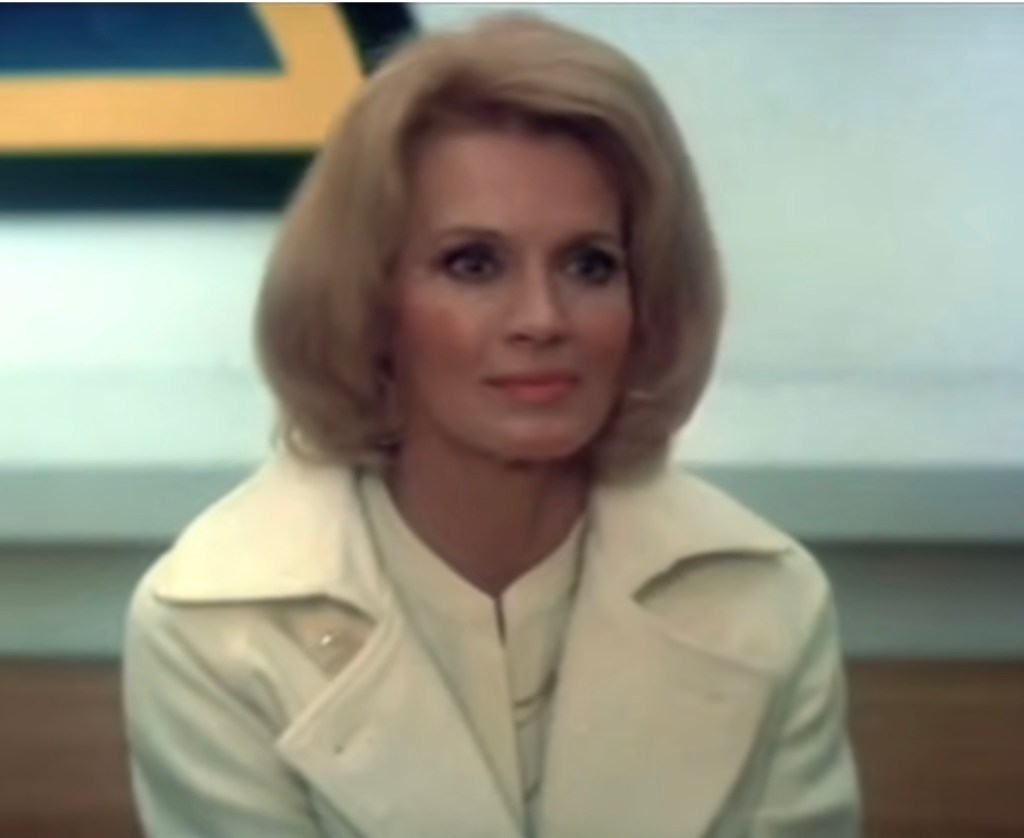
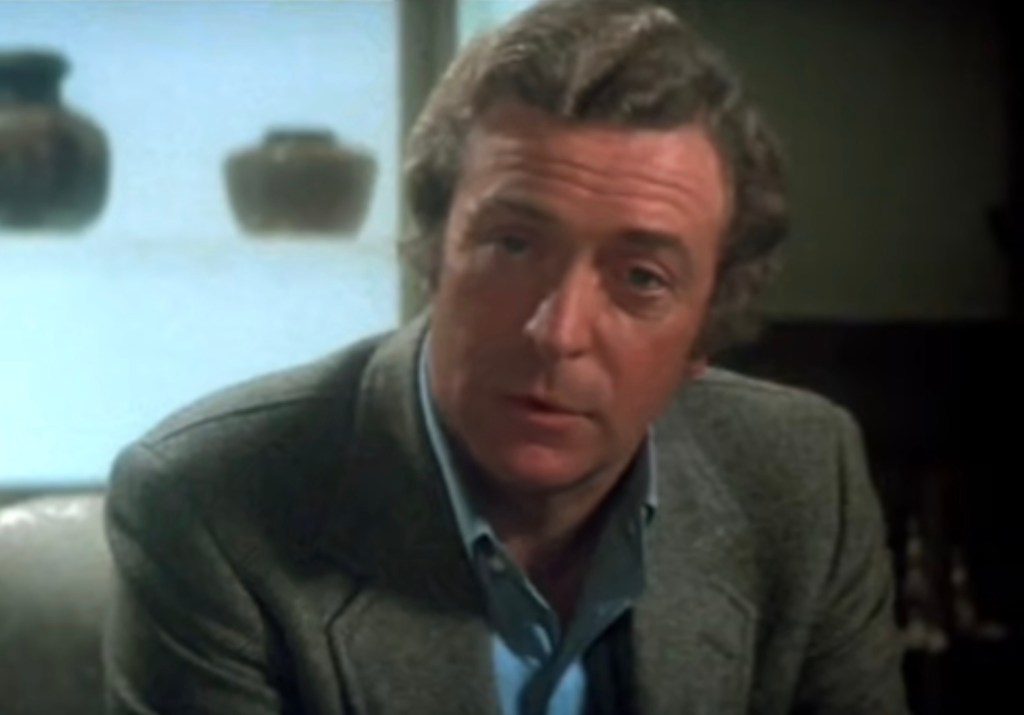
One can think of “Dressed to Kill” as “Psycho on steroids,” with gratuitous quantities of sex and gore thrown in. One of the highlights of the movie that needs to be mentioned is Angie Dickinson’s performance as Kate Miller, an unsatisfied housewife who probably suffers from ADHD. She is impulsive, confused, and absentminded. Michael Caine seems at ease playing the polished and charming Dr. Elliot.
After an explicit opening shower scene and then a scene of sex, it is revealed that Kate has a geeky son, Peter (Keith Gordon), who has what most parents would consider a “good problem.” He works tirelessly on his science project, and Kate admonishes him and asks him to take a break.
In the next scene, Kate is in session with Dr. Miller, expressing her frustration with her husband and then makes a brazen attempt to seduce Dr. Miller. Miller rejects her advance by claiming integrity to his wife and his work ethic. The performances of both actors and the dialogue in this scene are noteworthy.
Then comes one of the most outstanding scenes ever filmed. It lasts about 15 minutes. Not a single word is spoken as only the visuals and a haunting background music score make up the scene. Though the plot is set in New York City, this scene was filmed in the Philadelphia Museum of Art. Kate Miller is seen seated at a museum working on her to-do list. Like a typical person with ADHD, she is doing too many things at once. Momentarily, she admires the artworks in the museum, then turns her attention to the other visitors as a gentle smile appears on her face.
At that moment, a stranger sits right next to her. She smiles at him, and at first, he ignores her. Her expressions morph from surprise to anger to intrigue. She follows the stranger, and so begins a game of cat-and-mouse seduction where she and the stranger stalk one another. The visuals and the background music make this scene almost hypnotic.
All of a sudden, she steps out of the museum, and when a taxi stops in front of her, the door opens, and the outstretched arms of the stranger pull her in. She complies, and the two go to an apartment in a building to make passionate love.
She wakes up from sleep, opens a drawer, and pulls out a pen to write a note to the stranger, as a sheet of paper in the drawer catches her eye. Upon reading it, she is shocked by its disturbing contents and quickly attempts to leave the building by taking the elevator. Realizing that she has left her engagement ring in the apartment, she returns to the apartment and then takes the elevator again. The elevator stops on a certain floor as it descends.
As the elevator doors open, a mysterious blonde female assailant wearing dark glasses and brandishing a razor steps into the elevator and hacks a terrified Kate to death. The sheer gamut of expressions from Angie Dickinson in the first half of the movie is testimony to her outstanding talent as an actor.
A prostitute, Liz (Nancy Allen), who is on the same floor, finds the dying Kate as she nears the elevator and even catches a glimpse of the blonde murderer’s reflection on the mirrors of the back wall of the elevator.
The plot moves to a police station, where Detective Marino (Dennis Franz) interrogates an uncooperative Dr. Miller. Peter, Kate’s geeky son, hears the entire conversation through a bugging device that he has put together. Peter comes to know that Liz, who is also at the station, has seen the killer.
Dennis Franz comfortably plays the role of the NYPD officer Marino, who is eerily similar to the character he plays on NYPD Blue. Marino next interrogates Liz and even threatens her with arrest if she does not find the John who she visited in the building where she witnessed the crime.
Liz soon discovers that it is not just the cops who are on her case. She is soon involved in a life-or-death escape on New York’s subway, with the murderous blonde relentlessly pursuing her. Peter miraculously appears and saves her from imminent death (more on that later). This scene, despite its faults, is riveting and packs a surprise. It is now up to Peter and Liz to unlock the mystery of Kate’s death.
At first glance, the plots of “Psycho” and “Dressed to Kill” seem like two different plots that share a few commonalities like the subject of mental illness and, of course, the murders and the shower scene.
However, let us strip the plot to its skeletal essence: The story involves the murder of a woman. A man and a woman investigate her case and believe that the answers are hidden in a certain lair. The woman decides that she will take the risk, explores the lair, and uncovers the truth. After the truth is revealed, a trained physician explains the murderer’s mindset and motivations for committing the murder.
The above description would apply to both “Psycho” and “Dressed to Kill”. I think that using the same framework as “Psycho” was Brian De Palma’s intentional cryptic salute to his icon, Alfred Hitchcock. How can one recreate “Psycho” without the iconic shower scene? The shower scene is, as one may expect, much more explicit and bloody and comes at a different point in the plot.
The first part of this movie simply belongs to Angie Dickinson for a stellar performance as Kate Miller. Michael Caine has also done his part with his classic English demeanor. Dennis Franz, Nancy Allen, and Keith Gordon have also put in acceptable performances.
The cinematography, especially in the museum scene, was another outstanding aspect of the movie. Further, the editing and screenplay kept the movie riveting and fast-paced.
By no means is “Dressed to Kill” a perfect movie. The dialogue, especially for Liz and Detective Marino, is quite callow and amateur. There are holes in the plot too. Not to give too much away, the scene where Liz is saved from the murderous blonde on an NY subway train, where her savior, Peter, magically arrives at the right place at the right time, is not plausible. When it was released, “Dressed to Kill” attracted controversy for its explicit sex scenes and portrayal of violence against women. Some also felt that it had transphobic themes. Nevertheless, “Dressed to Kill” was one of the best psychological thrillers from the ’80s.





 Bay Area Bloke