

If there is one thing that can be said about Bengali movies, it is that they celebrate intellectualism. This gem of a movie is a testimony to that statement. There are two movie industries within India that stand out for their consistency in producing quality content: the southern Malayalam movie industry of Kerala and the Bengali film industry.
So let’s go back to my opening statement of this post and analyze it in detail. Directed by Srijith Mukerjee, the movie can be classified as a thriller or a drama, but those would be two narrow viewpoints. It is so much more. Told in the Rashomon fashion (which I discussed earlier in my review of Rashomon, the movie), the movie is a complex tapestry of plots and subplots.
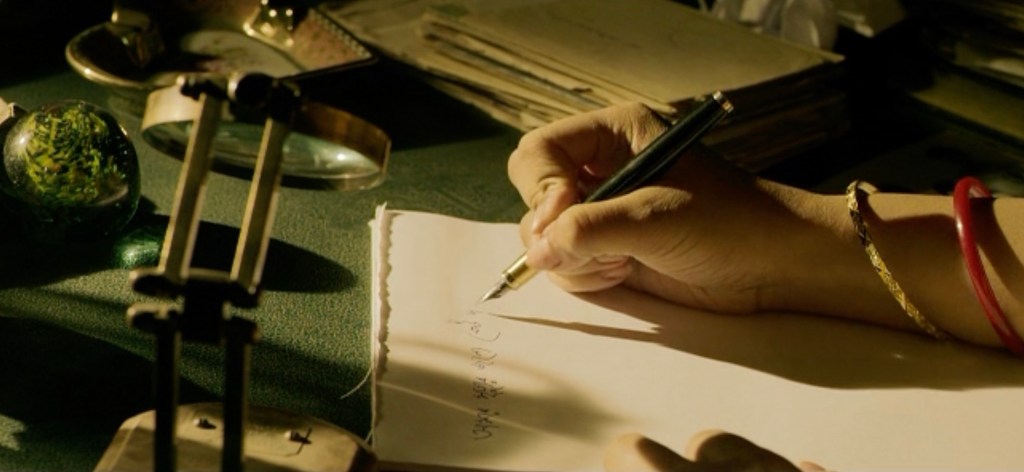
In the opening scene, a woman’s hand pens what appears to be a suicide note. She then proceeds to hang herself, to be discovered by a man. The man is holding a young child who casts a curious look at the hanging corpse.
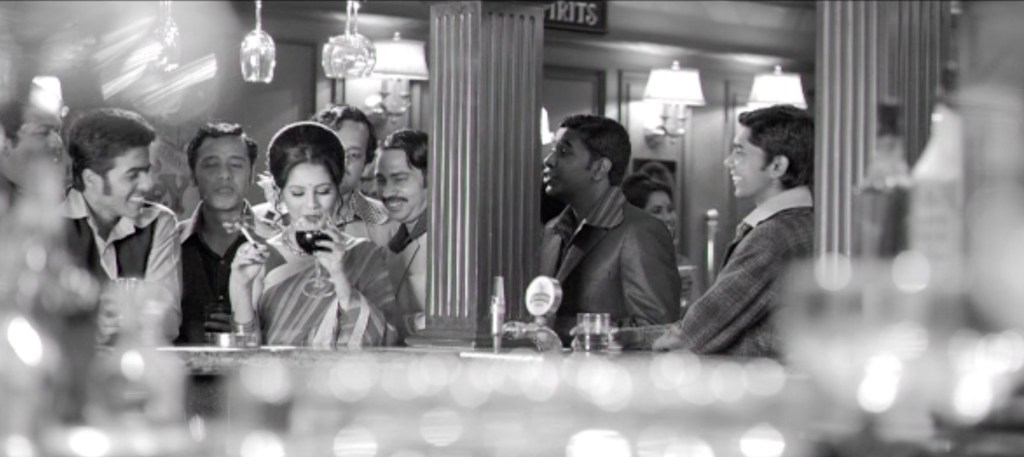
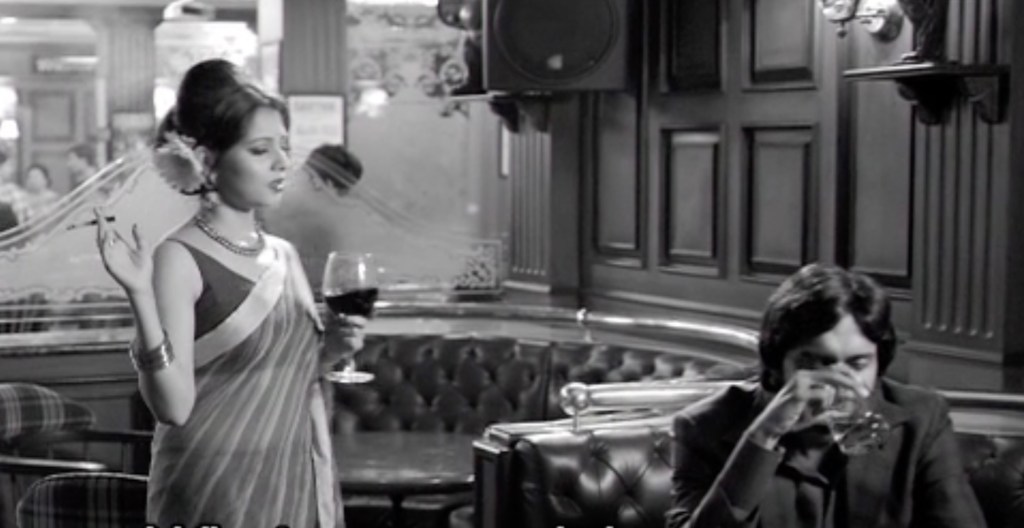
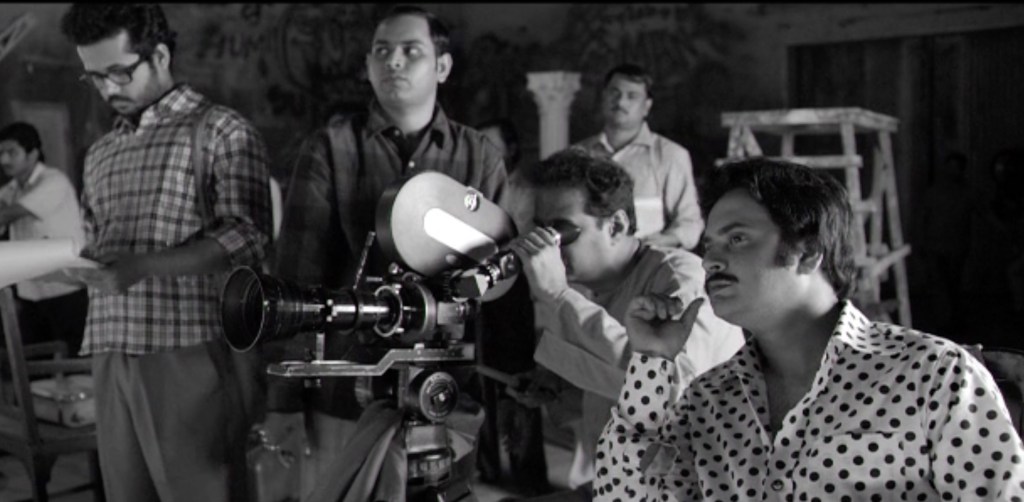
Another subplot is abruptly thrown in, where a young, beautiful actress is doing all she can to belong to the upper crust of society, and hobnobbing with the elite in a bar. Her disgruntled husband is not impressed and confronts her about whether she is being true to herself.
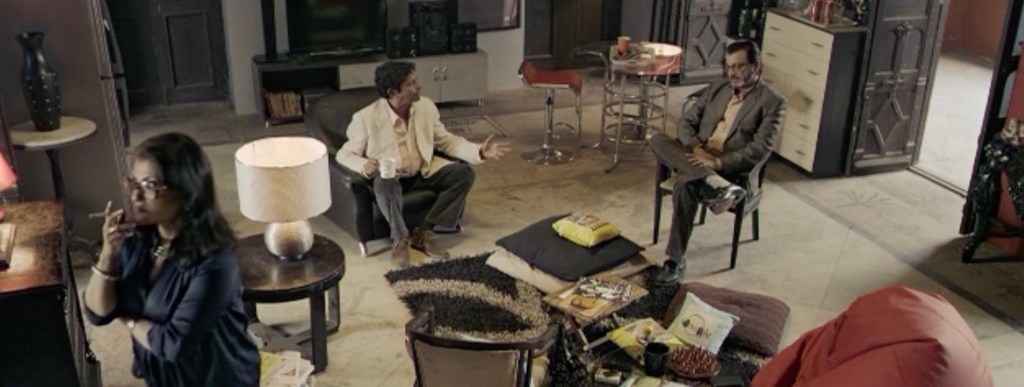
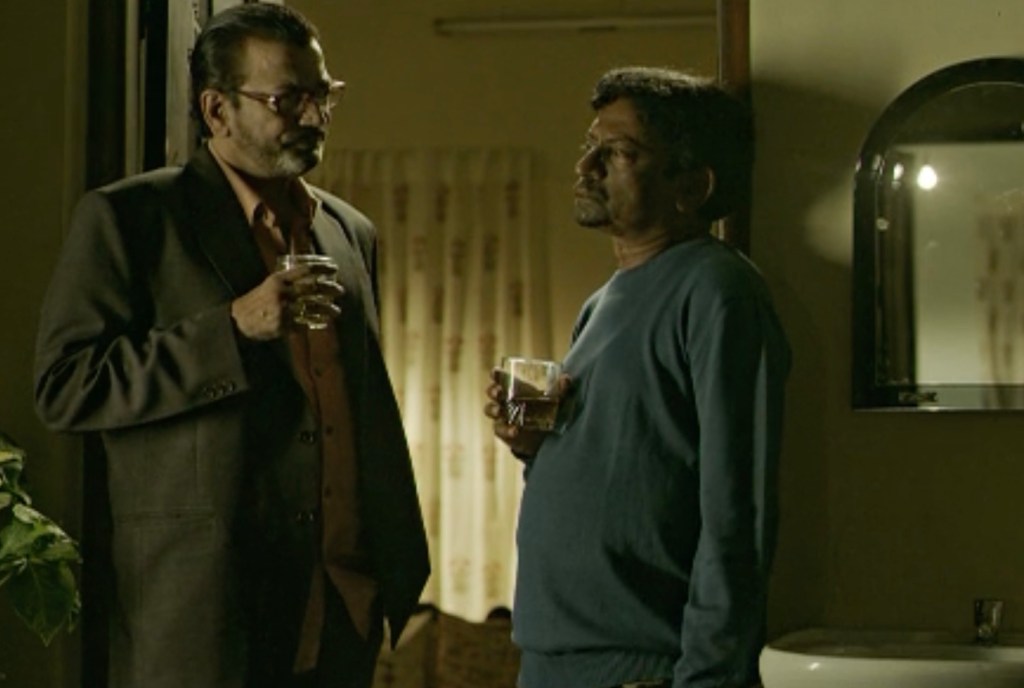
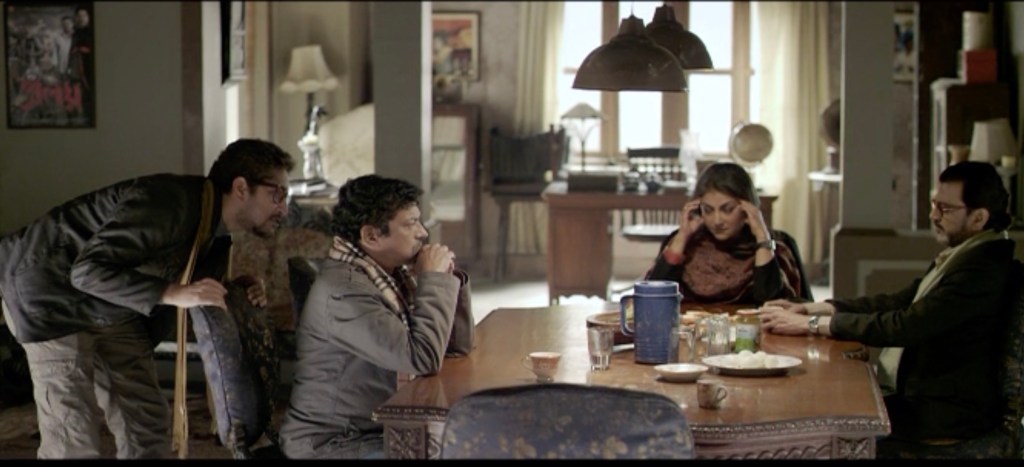
We are now thrown into the present “Universe” where a young aspiring filmmaker, Joy (Parambrata Chatterjee), is trying to convince three other middle-aged directors, two male and one female, to work with him on a movie with four short films. Joy knows a producer who can help them make the movie. One of the middle-aged male directors, Dipto (Chrianjeet Chakroborthy), has had a romantic relationship with the female director, Trina (Aparna Sen), that has not ended amicably, so much so that Trina nurses a dislike for him and refuses to work with him again. The other middle-aged director, Sankyo (Goutam Ghose), has had a very close friendship with the two former lovers. Trina now has a jealous older husband who suspects that she still nurses feelings for her former lover. Dipto, on the other hand, has a younger mistress and a grown-up son.
There is a scene that focuses on the interaction between the mistress and Dipto’s son that seemed unnecessary. It is possible that I did not grasp its significance to the main plot.
The four meet at Joy’s house, where the young man convinces the three others to meet the producer at Henry’s Island. The one stipulation for the movies is that each of the plots should focus on the common theme of “death.” Sankyo begins with the narrative of the movie he has conceived.
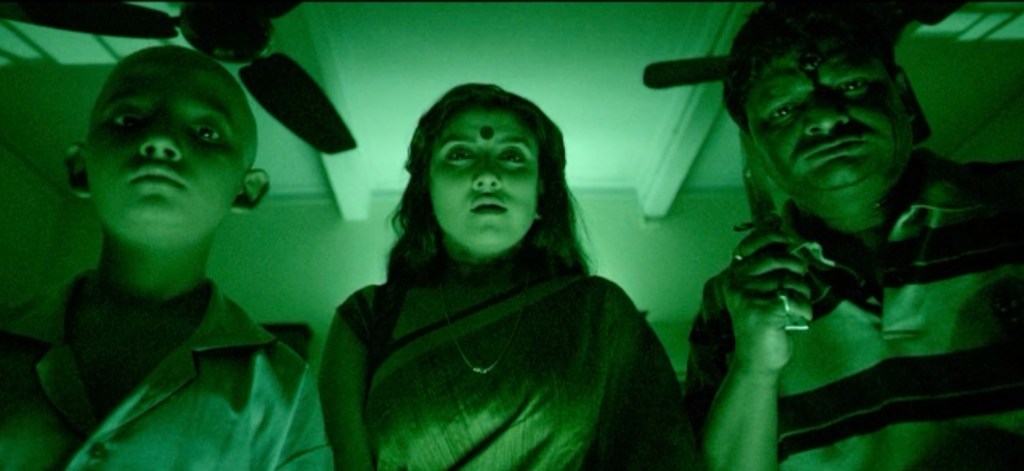
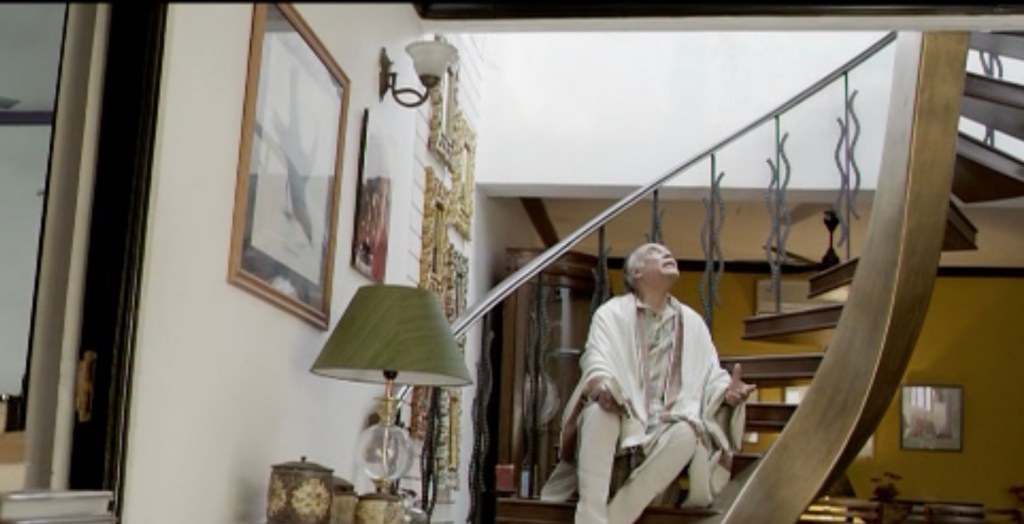
This narrative takes on a green hue and tells the tale of a scriptwriter who takes pride in killing his own characters. Suddenly, all the characters he has “killed” come to life and demand answers from the writer about why he killed them.
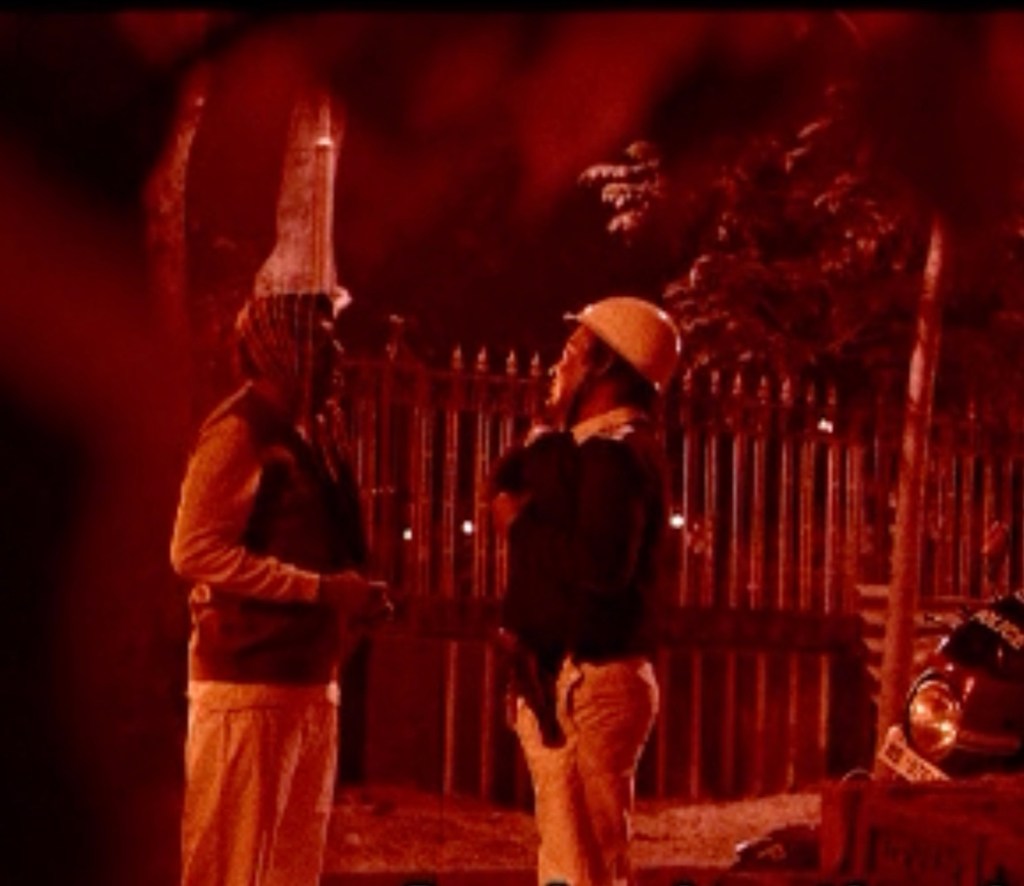
Dipto goes next and narrates his screenplay. This narrative is presented on the screen in a hazy red. Dipto’s tale is about a smoker who is not just addicted but obsessed with cigarettes.
After this, we see a continuation of the black and white subplot about the actress and her husband. Yet again, the narrative comes back to the present, where the four directors take a road trip to the director’s house.
There are a few twists that indicate where Dipto found inspiration for his tragic tale of the smoker. The plot thickens when the car they are traveling in breaks down, and the four walk in the darkness, arriving at the home of the producer.
As the group settles down in the darkness of the producer’s home, Trina presents her tale of death, which involves a clairvoyant that summons the dead. Soon morning arrives. It will be Joy’s turn to narrate his conception. Joy’s script would tie up almost all the loose ends from earlier in the movie, like the identity of the dead woman in the opening scene, and the plot presented in black and white. It would also have shocking, unpredictable, horrid revelations that would lead to an unexpected end.
As you could guess, the editing and placing of scenes are ingenious in this movie, as is the photography, the sets, and the colors. A good drama needs well-defined and believable characters. This movie delivers on those fronts. Each character is a realistic person with ambivalent morality. None of them are evil, but none has close to having flawless traits.
It is easy to see that everyone in this endeavor takes their intellect seriously. The director of the movie, the actors in their roles, even the characters they play. I predict that this movie will not be remade or adapted in other Indian languages or by foreign directors. It is essentially Bengali. I cannot see any of the characters being of any other culture, anywhere in the world. “Chotushkone” went on to win three awards at the 62nd film awards for best direction, best screenplay, and cinematography. Watch this hidden gem. It is refreshingly original and a visual treat.



 Bay Area Bloke