
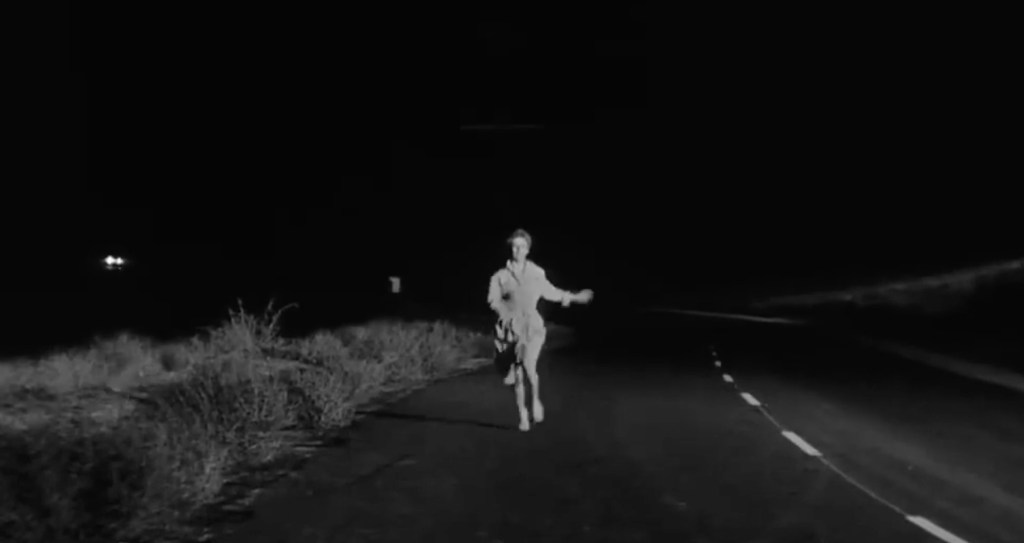
In this section, let us delve into the types of women we could meet in the film noir universes. They can broadly be broken down into three archetypes. While it is impossible to cover all the great women of film noir, I will attempt to present some of the very best actresses and their iconic roles. Here we will see how each actor presented her own version of each of the archetypes defined here.
Femme Fatale
The spider-woman or Femme Fatale is almost a must in the film noir genre. As Ebert put it, “Women who would just as soon kill you as love you, and vice versa.”
Typically, the Femme Fatale would have a change of heart and feel guilt and hopelessness for her part in her man’s downfall, but that would happen only at the end, when it is too late and ‘all is lost.’
Some critics would argue that if a movie did not have a Femme Fatale, it could not qualify to be of the film noir genre.
The film noir period that ran within the golden age of Hollywood (1927-1969) boasted of several women who put in outstanding performances as a Femme Fatale.
Barbara Stanwyck was one who could pull off a Femme Fatale with seemingly no effort.

Who could forget her role as Phyllis Dietrichson, who could charm and manipulate Walter, the insurance guy, to kill her own husband?

Her role as Leona Stevenson, the spoiled rich heiress who charms a handsome young man, Henry, into marrying her and losing all his freedom is another noteworthy performance.
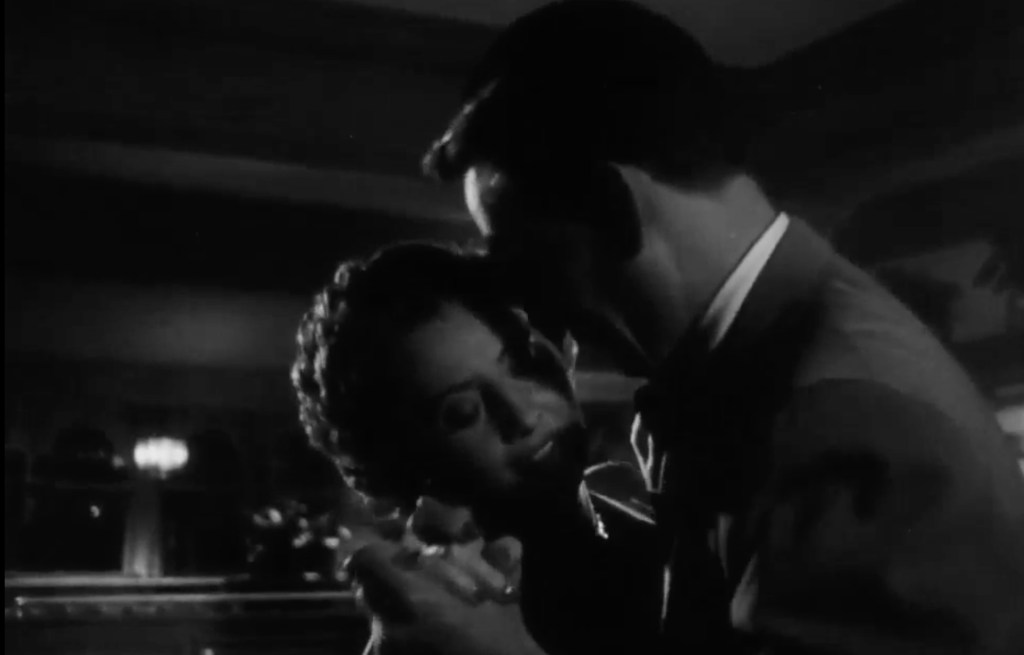
As Thelma in ‘The File on Thelma Jordon,’ she pulls off the Femme Fatale role yet again, seducing DA Cleve Marshall into forsaking his career.
Mary Astor’s portrayal of Brigid O’Shaughnessy in “The Maltese Falcon” is another iconic Femme Fatale.
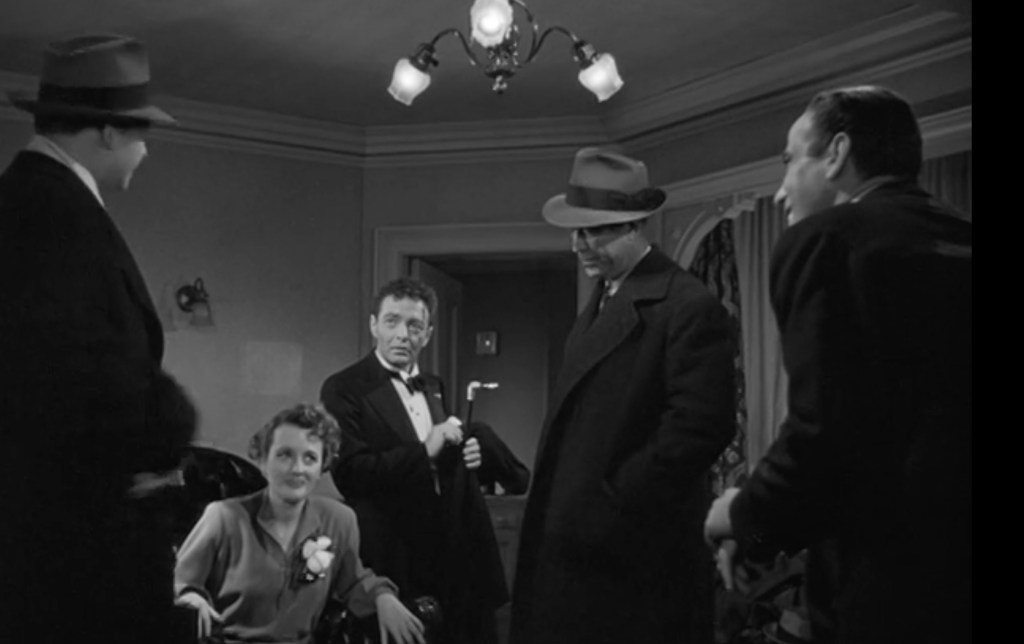
Portraying herself as a meek vulnerable young woman looking for her sister, she tries to win the favor of rough and tough detective Sam Spade(Humphrey Bogart).
Ann Blyth as Veda in “Mildred Pierce” is considered one of the most iconic villains in the history of cinema.
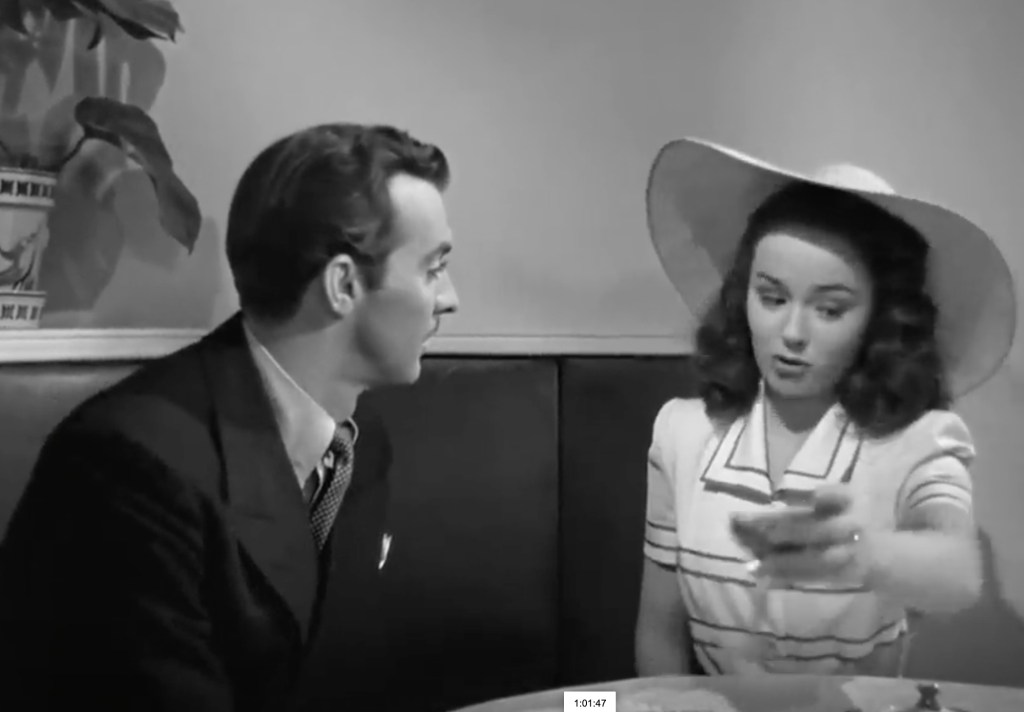
After seducing her mother’s husband, the evil Vera kills him and tries to implicate her mother.
Rita Hayworth is another name that often comes up in any discussion on Femme Fatales.

As a seductive blonde named Elsa, she is seen trying to entice a young seaman named Michael O’Hara (Orson Welles) in “The Lady from Shanghai.”
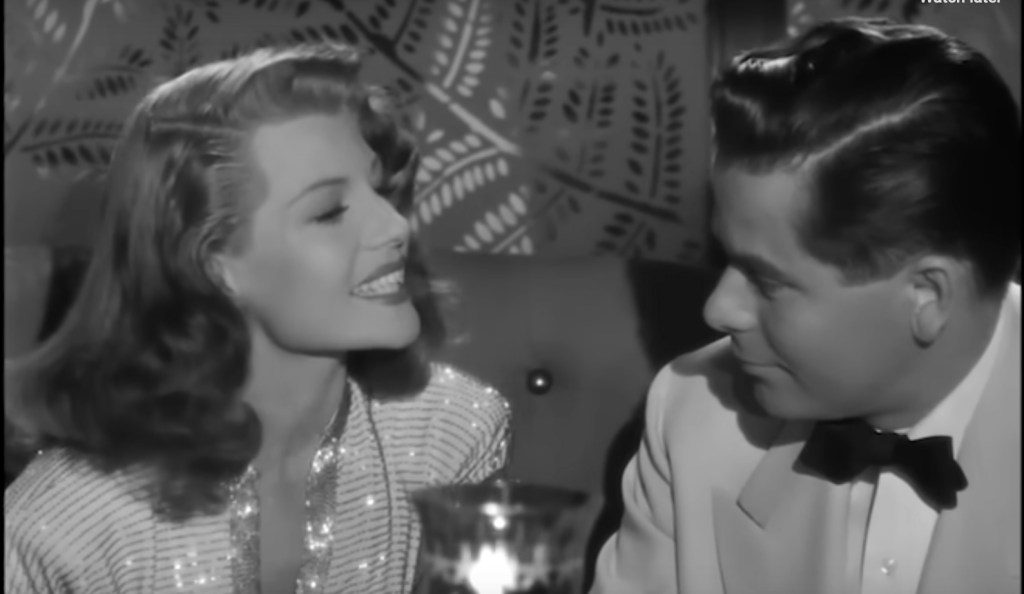
While the jury is out on whether her character in “Gilda” is actually a Femme Fatale, there is no doubt that it was a stellar performance.
Another scintillating performance as an unconventional Femme Fatale is from Gloria Swanson.

Swanson plays Norma Desmond, a former elderly silent movie actress who seduces a young writer, Joe Gillis. Gillis becomes her boy-toy against his own will, thanks to her deceitful manipulations.

It is interesting that in the 1951 movie “The Prowler,” Van Heflin plays Webb Garwood, an evil police officer who seduces a suburban homemaker and then kills her husband. Critics are in disagreement as to whether or not the movie qualifies as Film Noir, as the seductive evil charmer is the male protagonist.
The Social Ideal /Girl Next Door
In many a noir film, there is another woman, other than the Femme Fatale, who is often in love with the protagonist and will do anything for him. To quote a cliché, she is the kind of girl you could take to meet your parents.
Unfortunately, the protagonist would dump her for the Femme Fatale, and the consequences would be fatal. In other noir movies, this ‘socially ideal’ woman would often be the secretary of the gumshoe detective that the latter would use when convenient or completely ignore or mistreat.
Often these women would be the voice of reason for the male protagonist, telling him not to get involved with the Femme Fatale, but unfortunately, her warnings would often fall on deaf ears.
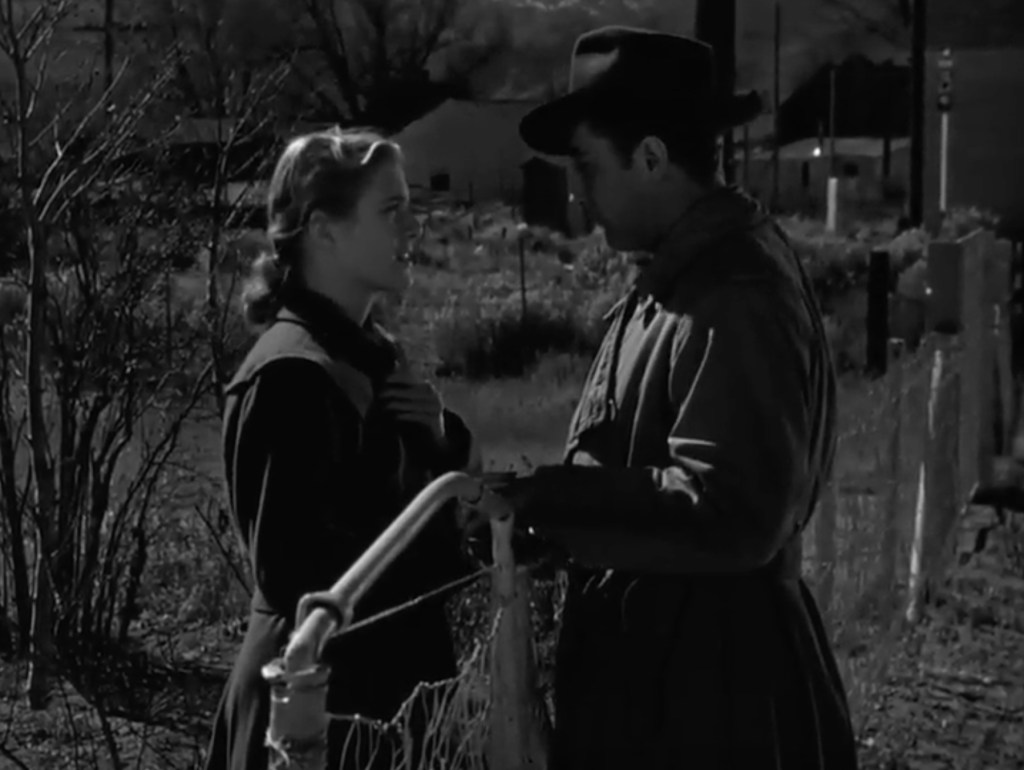
Virginia Huston plays Ann Miller, a country girl in love with Bailey (Robert Mitchum), a gas station attendant with a shady past. Unfortunately for her, Bailey will soon reunite with his former woman and Femme Fatale, Katie (Jane Greer).

In “Kiss Me Deadly,” Maxine Cooper plays Velda, the dutiful secretary of private eye Michael Hammer. She is always by his side, but Hammer is too busy for her, spending his time with the likes of Femme Fatale Lily Carver (Gaby Rodgers).
The Good Girl/Bad girl
There are times when there is the good girl, bad girl who falls somewhere between the evil Femme Fatale and the mundane girl next door. While she is not as vicious and devilish as the Femme Fatale, she is not a saint either. She usually hides a shady past and is often cast in a supporting role.
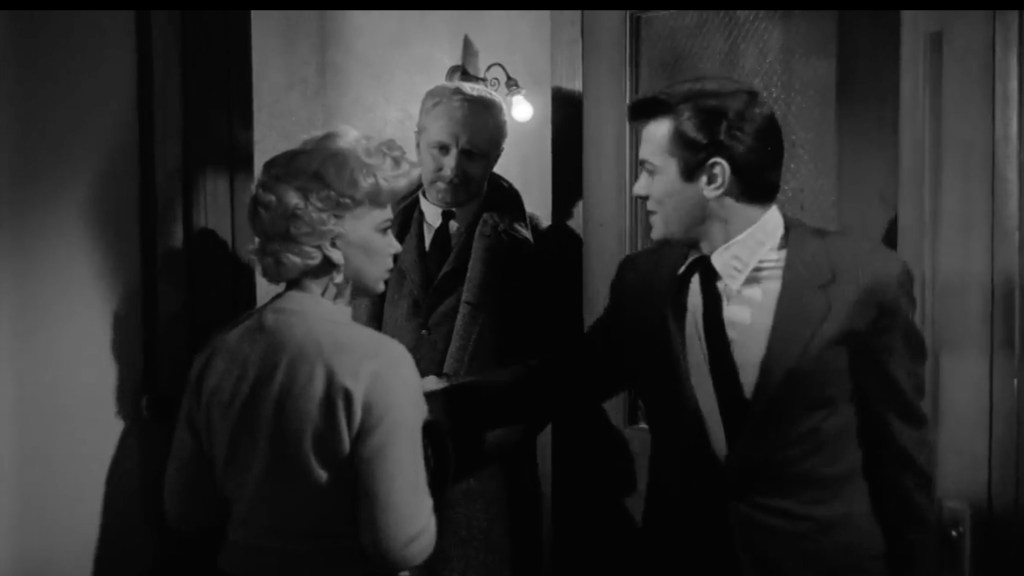
In “Sweet Smell of Success,” Marilyn Monroe, who plays a cigarette girl, embodies the good girl/bad girl archetype. When Sidney Falco uses her to seduce a columnist as part of his plot to blackmail the columnist, it is revealed that she is no innocent.

Lizabeth Scott’s role as Toni in “The Strange Love of Martha Ivers” is a typical example of this type of character. Toni has just been released from prison on probation and falls in love with Sam, the lead character in the movie. Walter, Sam’s adversary, blackmails Toni to set up Sam and have him beaten up by thugs. Toni has no choice but to comply, as she could end up back in prison.
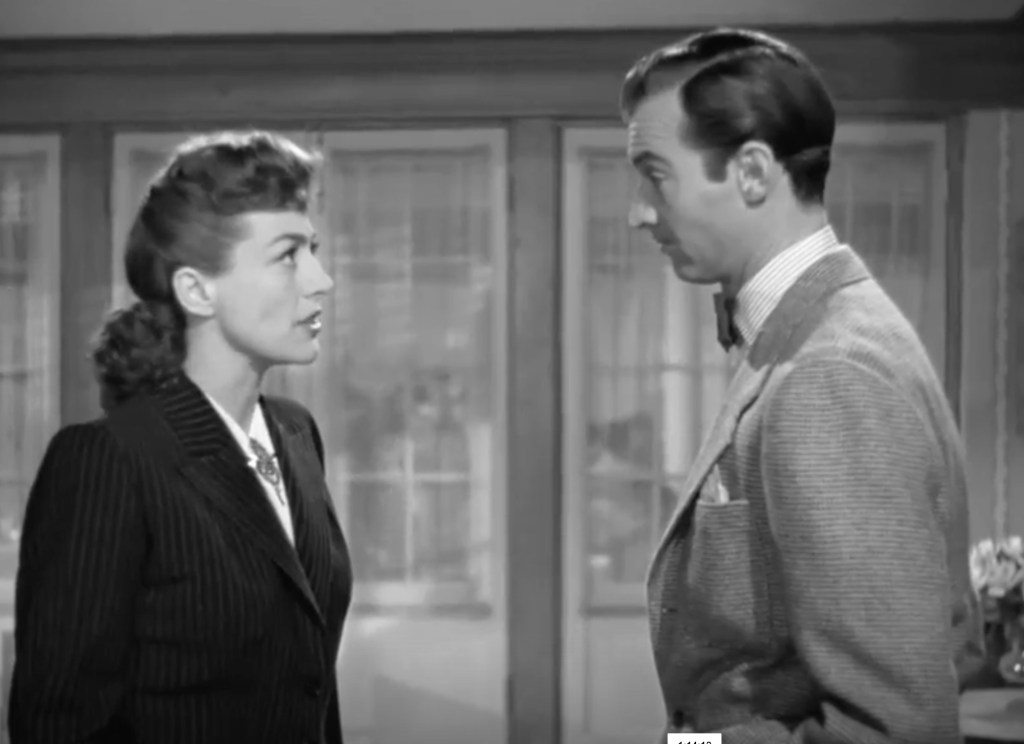
It was rare for a Film Noir woman to be career-oriented. Women in those times were discouraged from earning or being independent. Joan Crawford broke this stereotype in “Mildred Pierce” by playing a strong, elegant twice-married career woman.
We have covered quite a few archetypes of women in Noir movies. In a future post, we will examine the men’s roles.
Here are the other posts in this series.
References
https://13medsfilmnoir.weebly.com/noir-characters.html
https://www.purposestudios.in/post/the-art-of-film-noir
https://en.wikipedia.org/wiki/Portrayal_of_women_in_film_noir

 Bay Area Bloke