
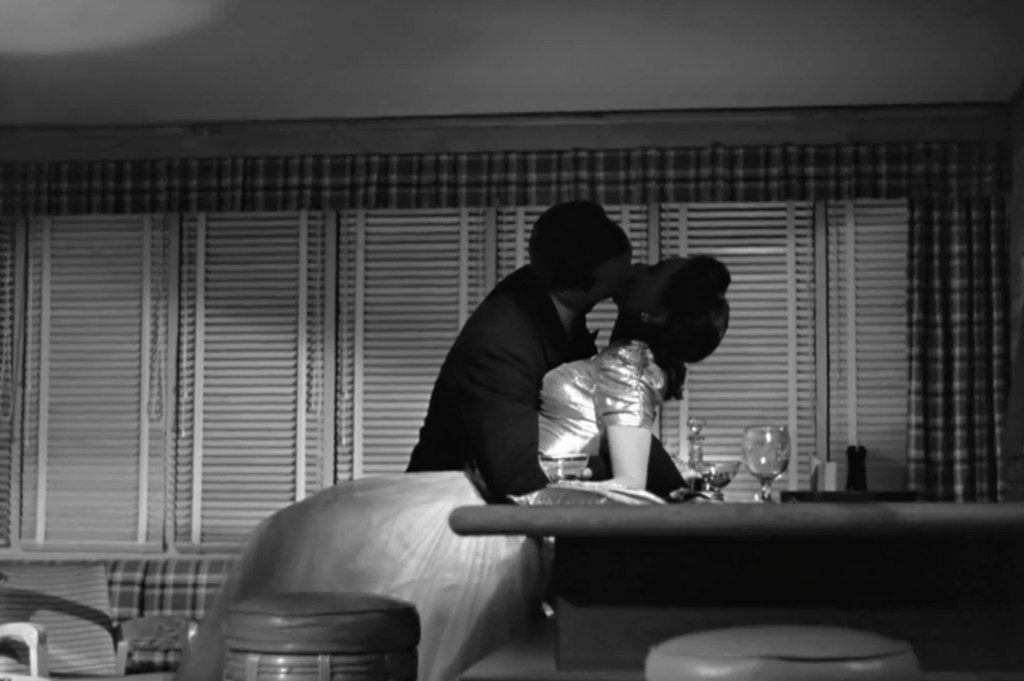
Today, we will look at another facet of Film Noir, the lighting. In the absence of sophisticated technology to create the desired effects, the makers of Noir used clever lighting techniques to accomplish the task. Shadows, silhouettes and sharp contast were some of the facets of these movies. Film Noir movies used low key lighting using Chiaroscuro techniques to accomplish all these facets.
By key lighting, we mean the main light source for a scene. Chiarosco is an art technique that uses the interplay of light and darkness using 5 key areas around an object. These include highlight, halftone, deep shadow, reflected light, and cast shadow.
Front lighting which creates flat, two dimentional images is rarely used in Film Noir/
Single source lighting is often used to create shadows and silhoettes. The light is usually at a 45 degree angle from one side, either left or right of the subject. Film noir used single source lighting to create exaggerated contrasts.
Below are three images from ‘Out of the Past’.
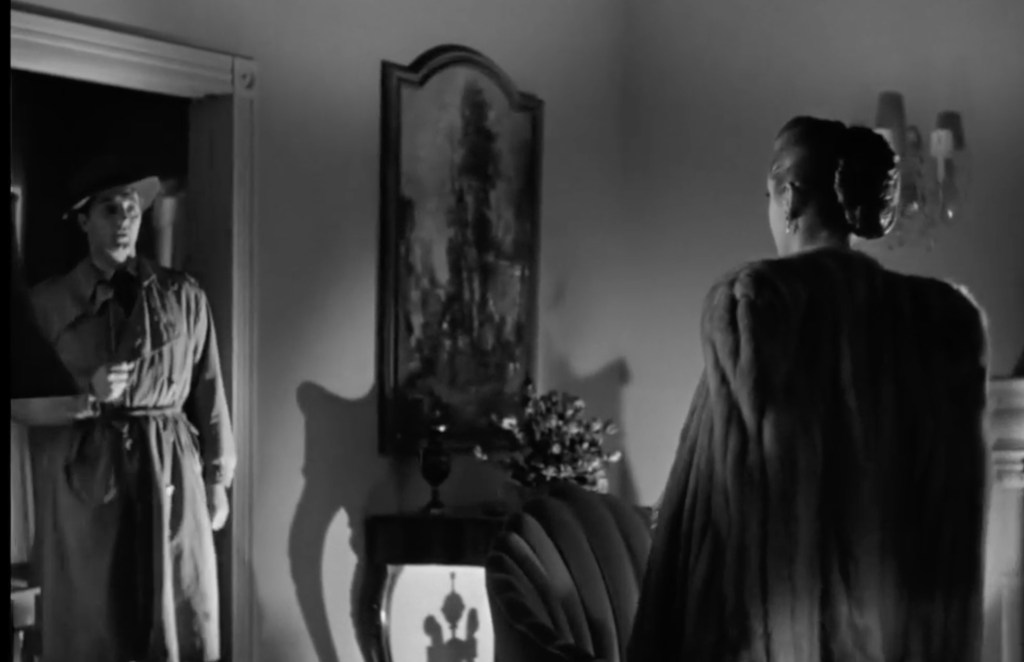


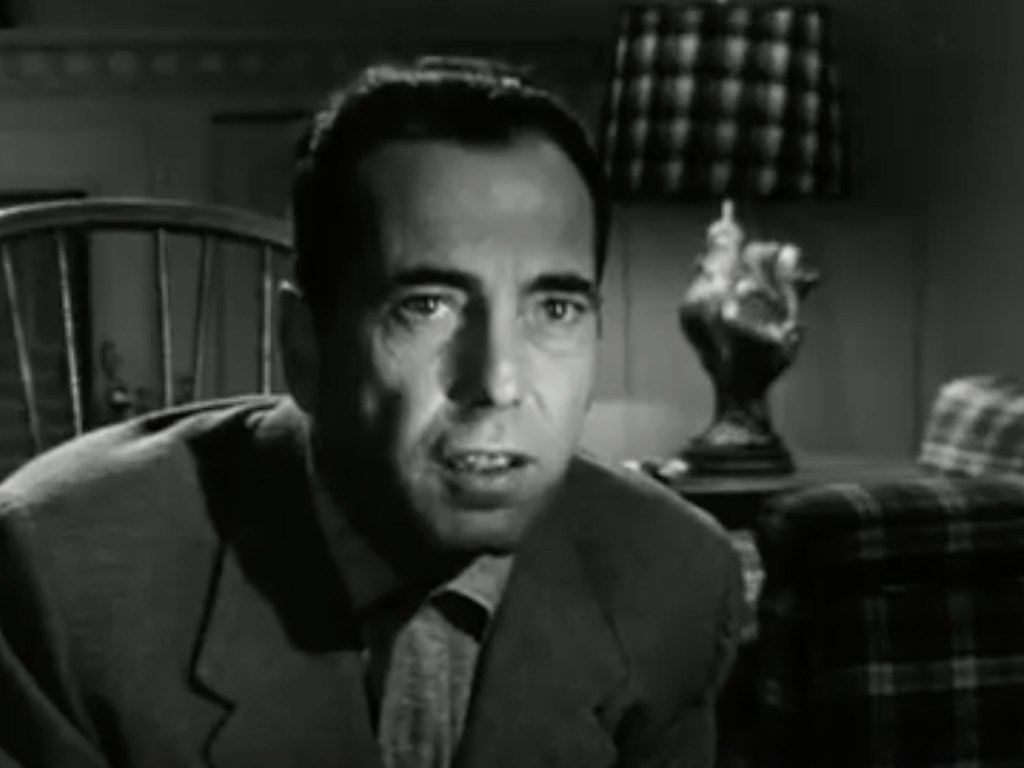
Bogart, turns of the creepiness in “In a lonely place”
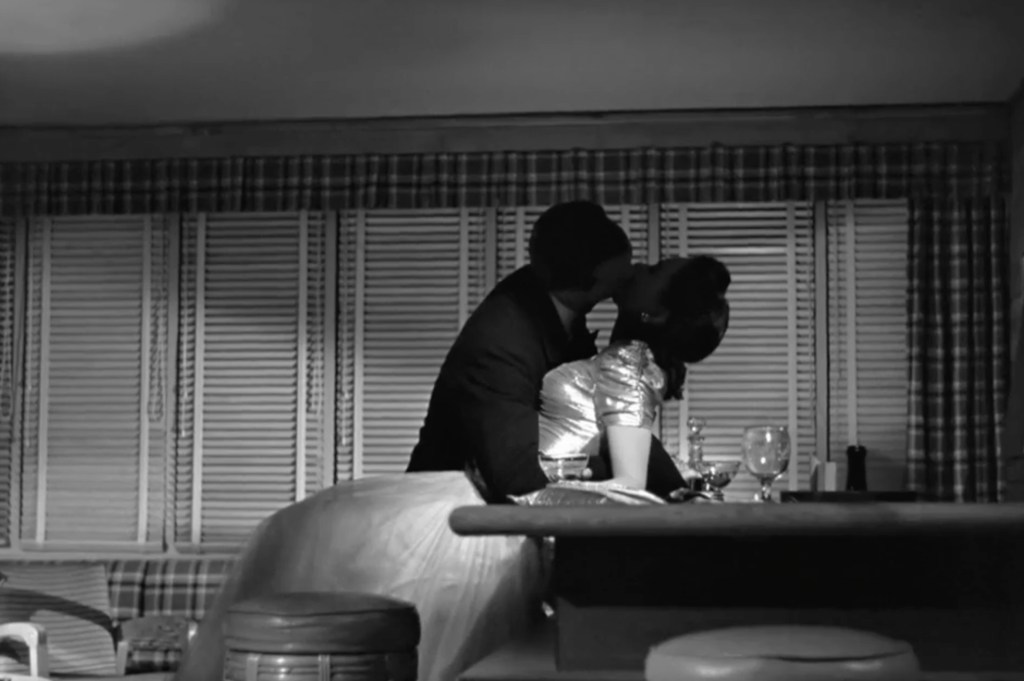
This is the climax of Mildred Pierce. Ingeniously shot, this is one of my favorite scenes
Back Lighting With the back lighting technique, the light and the viewer face each other. They create glowing around the subject and separate the subject from the background
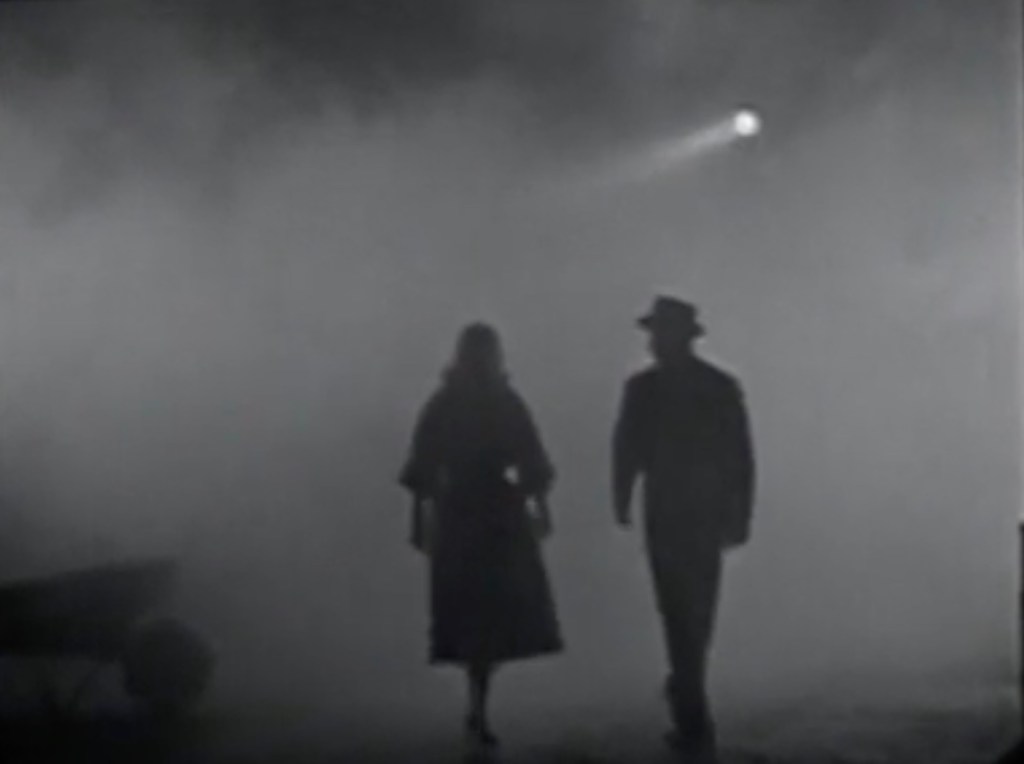
This is among the last scenes of ‘The Big Combo’ . These scenes were considered the defining scenes of noir.

This is one of my favorite scenes from the movie, “Sherlock Homes and the Voice of Terror” Here we see Sherlock Holmes(Basil Rathbone) and Dr, Watson(Nigel Bruce) walking through a dark alley
Top lighting where the light source is kept above the subject is another Film Noir technique used to make subjects look menacing or powerful.
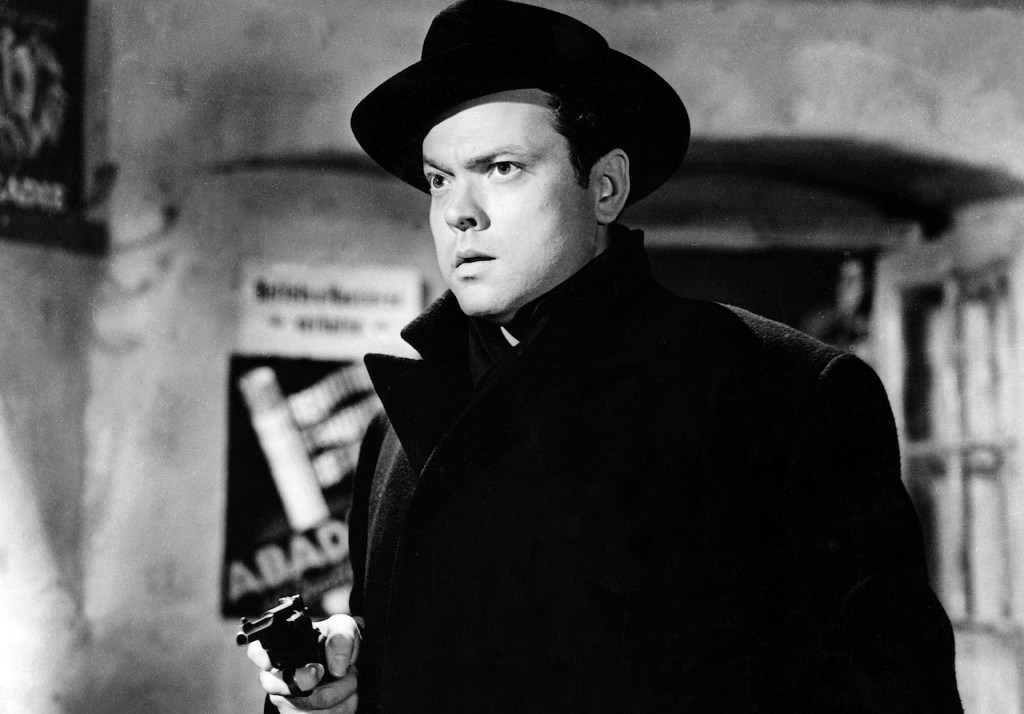
This is Orson Welles from ‘The Third Man’

Robert Mitchum in ‘Night of the Hunter’

Lizabeth Scott in ‘The Strange Loves of Martha Ivers’
A variation of Top Lighting, Butterfly Lighting was another tool in the Film Noir makers. Here, the light source was placed above the subject’s head for close up shots. It is used primarily to accentuate the subject’s head
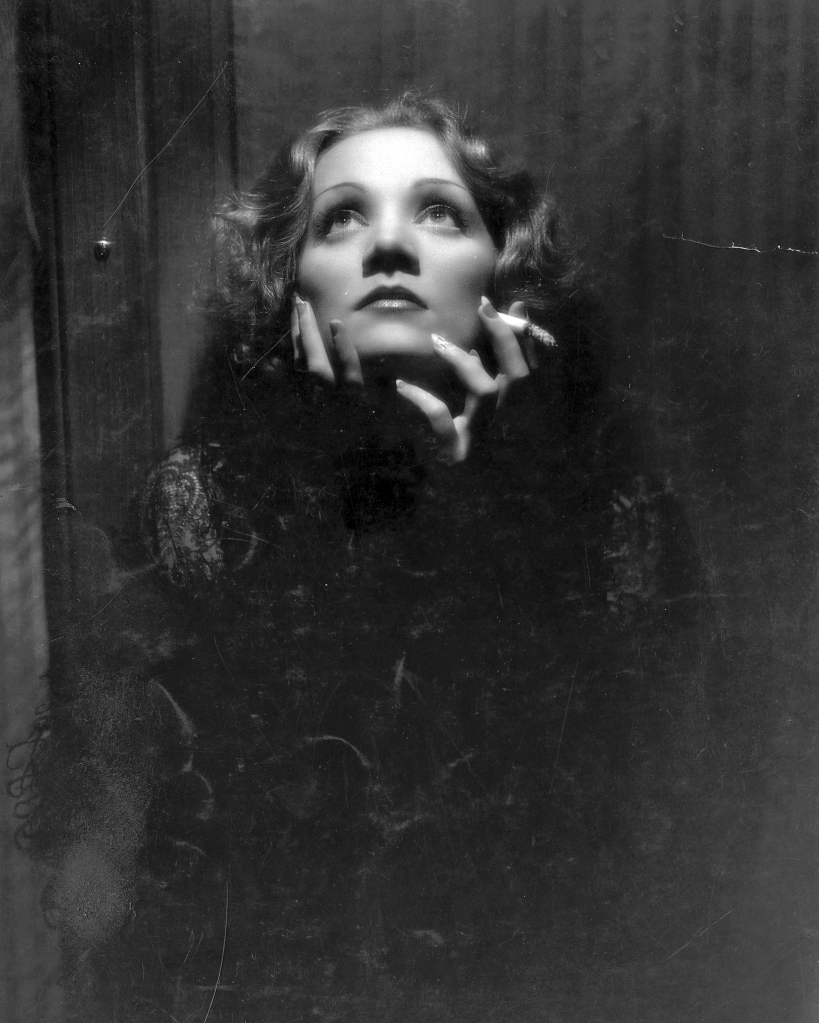
Marlene Dietrich. (2023, August 11). In Wikipedia. https://en.wikipedia.org/wiki/Marlene_Dietrich
Lamps were some of the most common props used on the sets of Noir. None of the movies did it better than “The Big Sleep”.
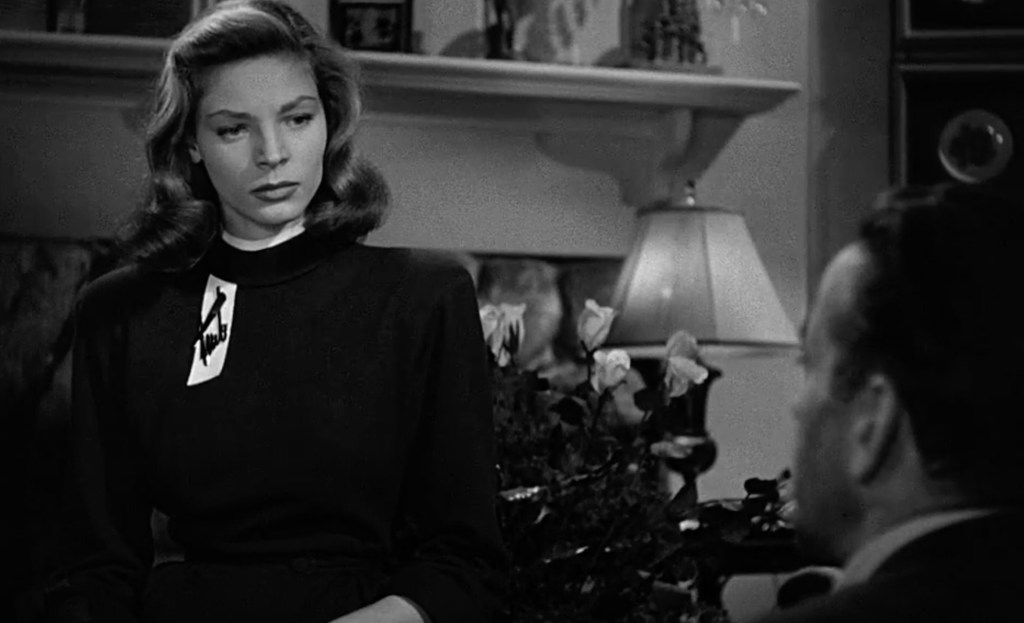
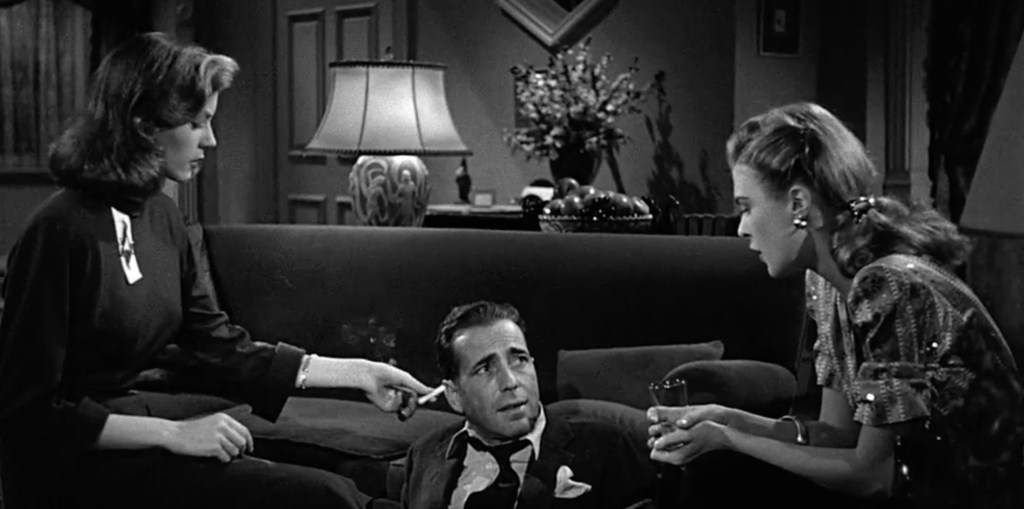


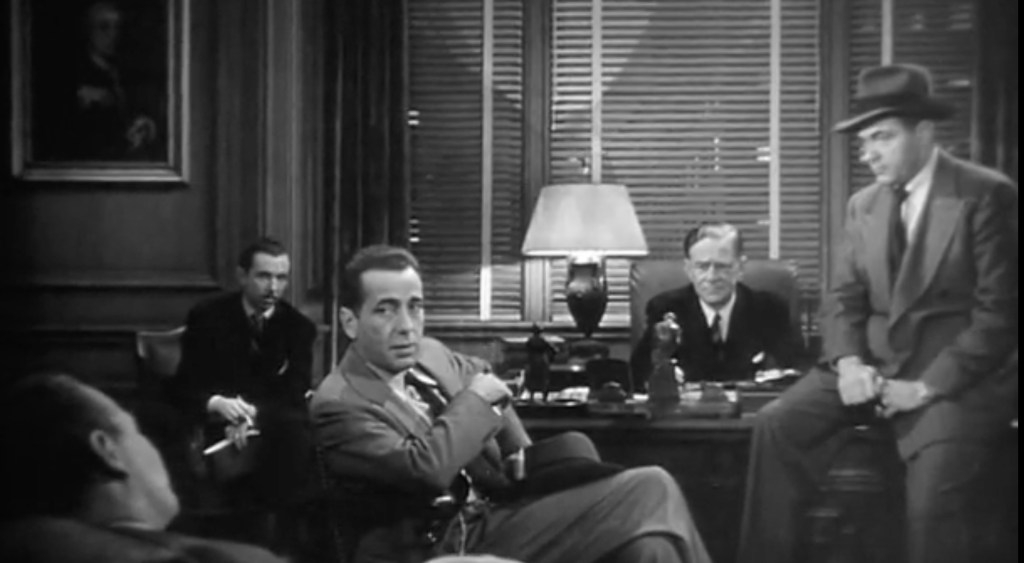

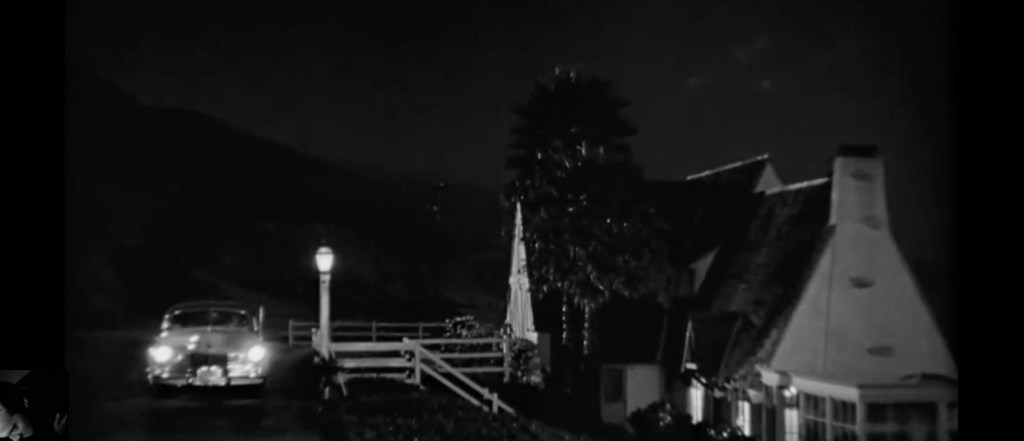
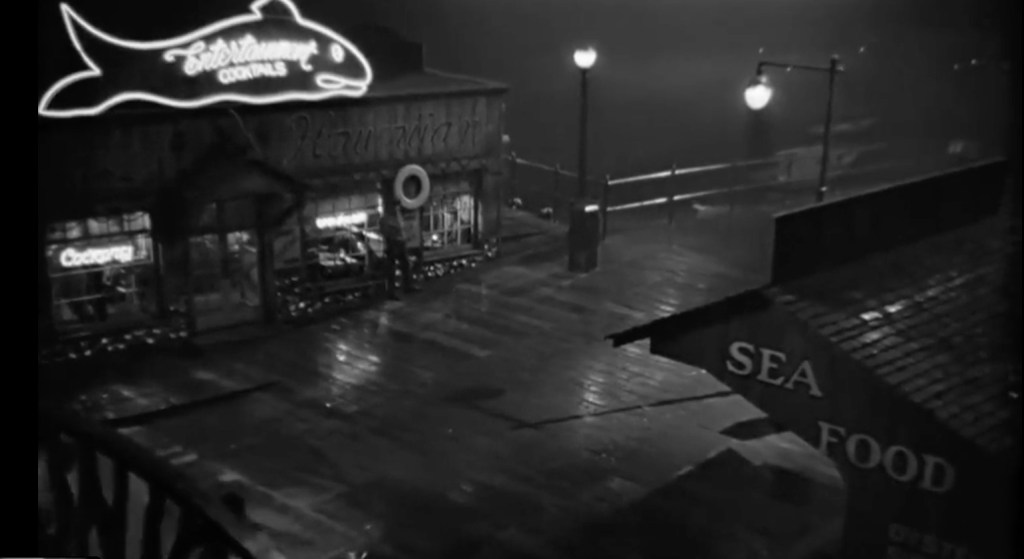
We have seen some of the techniques used by some master film makers of the past. We still have much to cover in this series. I conclude with some of my favorite images from Noir movies.
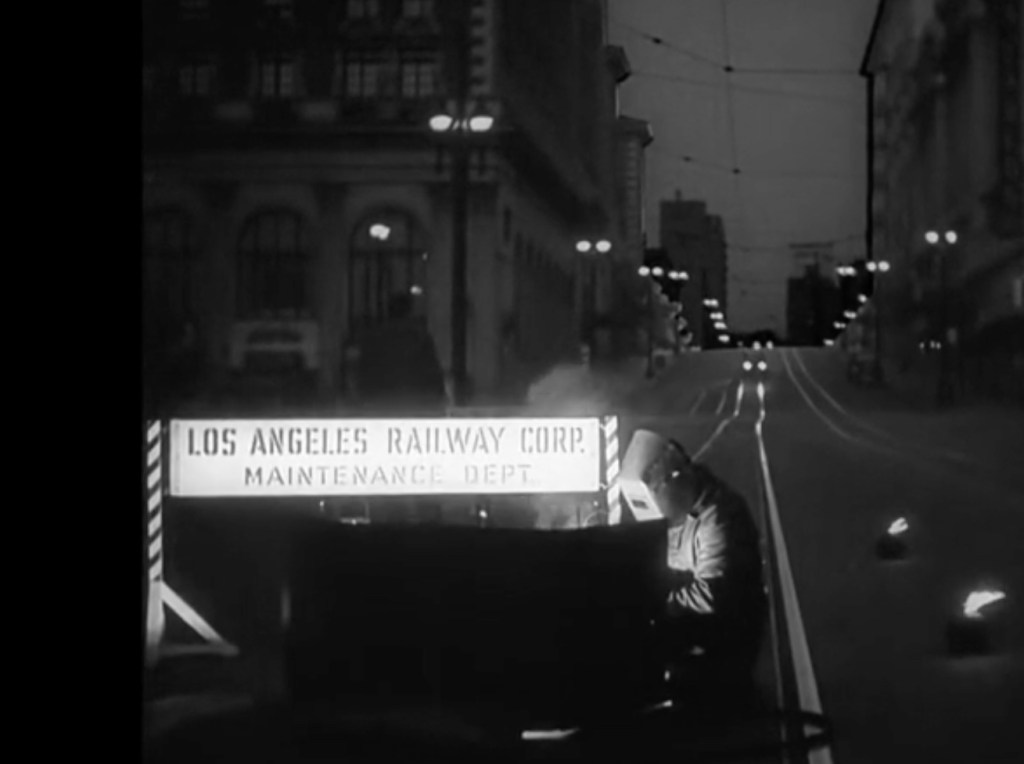

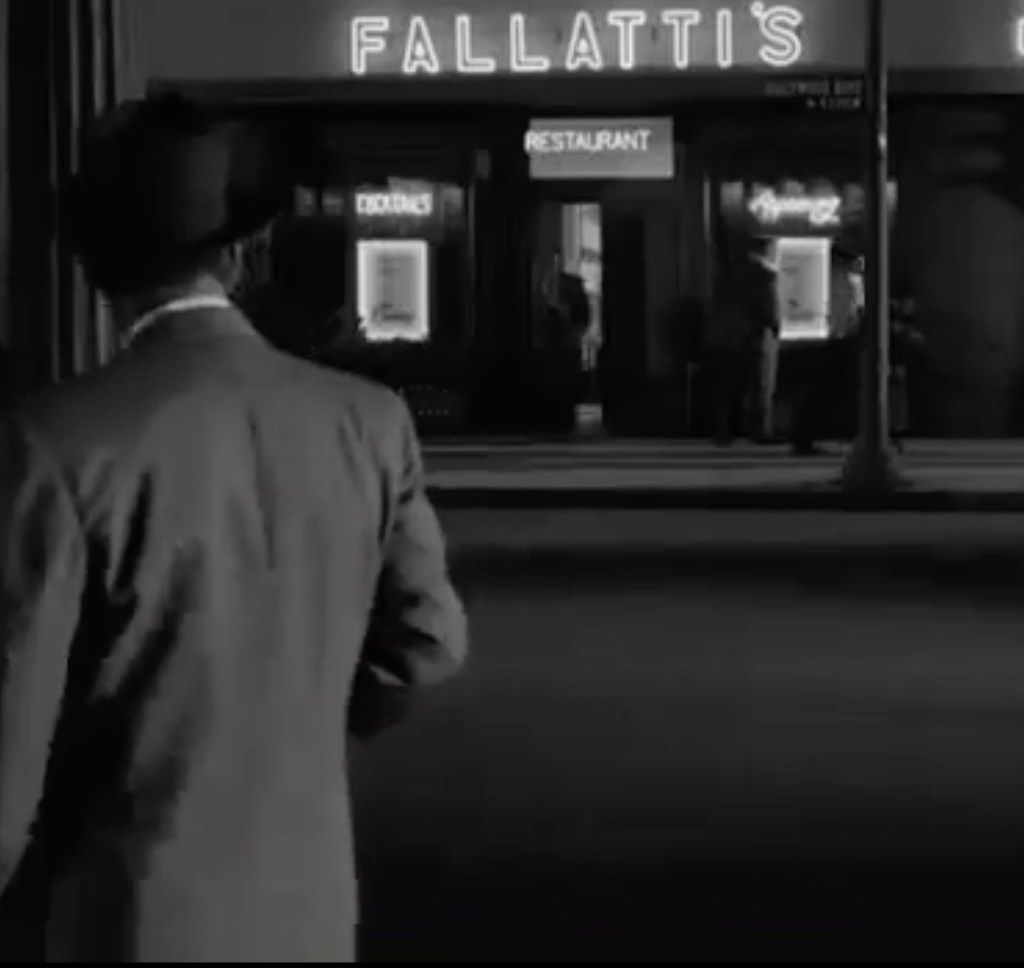
The scenes below are the opening scenes of Mildred Pierce. The scene on the left is a beach house. The one on the right is a peer.

This is a scene from Fritz Lang’s M. All the criminals in town have got together to judge a child molester. Even modern film makers can learn how to take a group photo from this scene.
Here are other posts in this series.
References
Wedio : https://academy.wedio.com/film-noir-lighting/
Art teacher Jessica Russo Scherr’s diagrams are useful in understanding chiaroscuro: https://bluelavaart.com/art-education/chiaroscuro-egg
ReelDesigner: https://reeldesigner.com/lighting-film-noir-style-and-soft-lighting-techniques/
NoFilmSchool: https://nofilmschool.com/types-of-film-lights
Matrix Education: https://www.matrix.edu.au/film-techniques-lighting/
StudioBinder: https://www.studiobinder.com/blog/what-is-butterfly-lighting-definition/

 Bay Area Bloke